
To accommodate a large family of 6 to 10 people, the best Worldcraft dining table is one that matches your room’s physical footprint while offering the flexibility of an extendable frame. In the Philippines, dining rooms are the heart of the home, hosting daily family meals, schoolwork sessions, and festive weekend gatherings. Choosing a table that can transition from a compact daily setup to a spacious 10-seat configuration ensures you maximize your living space without sacrificing comfort during large family gatherings.
A successful purchase requires looking beyond aesthetic appeal to evaluate structural integrity, clearance zones, and material resilience. Large families place significant daily wear on dining furniture, making stability and surface durability critical factors. By understanding how to measure your space, select the right table shape, and verify product specifications, you can find a Worldcraft table that serves your family reliably for years to come.
Before committing to a specific model, it is essential to establish a decision framework based on your household’s daily routine and the physical constraints of your home. A table that is too large will disrupt the flow of traffic, while one that is too small will lead to cramped meals and discomfort. Balancing these factors requires a systematic approach to spatial planning, material selection, and product verification.
Products mentioned in this guide
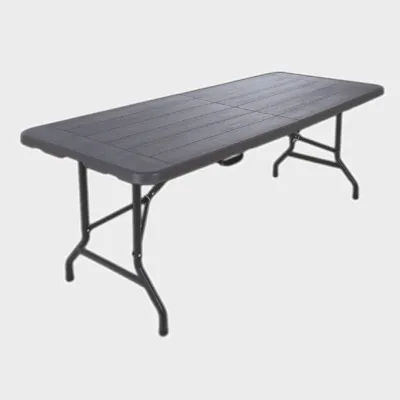
Prices are valid at publication and may change. Please refer to the product page for the latest price.
In modern homes, the dining table often serves multiple purposes beyond eating, such as a temporary workspace, a homework station, or a crafting area. This multi-functional use increases the physical demands on the furniture, making a robust and stable design even more critical. Selecting a versatile table ensures that it can adapt to these changing daily needs while remaining a beautiful centerpiece for your home.
Assessing Room Space and Table Dimensions for 6 to 10 Diners
To ensure a comfortable dining experience, you must calculate the clearance space required around the table. A standard rule of thumb is to maintain at least 90 centimeters of open space between the edge of the table and the nearest wall or piece of furniture. This clearance allows family members to pull out their chairs and sit down comfortably without blocking the pathway behind them. In high-traffic dining areas, increasing this clearance to 100 or 120 centimeters ensures that people can walk past seated diners without causing disruption.
The physical dimensions of the table must scale appropriately with the number of diners. For a family of six, a rectangular table should measure at least 150 to 180 centimeters in length to provide adequate elbow room. To comfortably seat eight people, the length should increase to 180 to 210 centimeters. For a gathering of ten people, you will need a table length of 220 to 270 centimeters. The width of the table is equally important; a minimum width of 90 to 100 centimeters is necessary to accommodate place settings on both sides while leaving room for serving platters, rice bowls, and central dishes.
When planning for an extendable table, you must measure your dining room based on the table’s fully expanded dimensions rather than its collapsed state. It is easy to overlook how much space a fully extended table occupies, which can lead to a cramped room where guests cannot move freely. Mark the extended dimensions on your floor using painter’s tape to visualize the remaining clearance and ensure that doors and cabinets can still open fully when the table is at its maximum size.
In many Philippine homes, particularly multi-story townhouses or urban condominiums, delivery access can be a major bottleneck. Before finalizing your purchase, measure the width and height of all doorways, hallways, stairwells, and elevator cabins through which the table must pass. Extendable tables often come in large, heavy packages that require significant clearance to maneuver around tight corners. Checking the packaged dimensions against your home’s entry points prevents the frustration of receiving a delivery that cannot physically enter your dining room.
Additionally, consider the height of the table in relation to your dining chairs. Most standard dining tables stand between 75 and 80 centimeters tall, which pairs well with chairs that have a seat height of 45 to 48 centimeters. Ensuring a gap of approximately 30 centimeters between the chair seat and the underside of the tabletop guarantees comfortable legroom for diners of all heights.
Choosing Table Shapes and Extension Features for Flexible Gatherings
The shape of your dining table should complement the architecture of your dining room to optimize space utilization. Rectangular tables are the traditional choice for long, narrow rooms, as they align naturally with the walls and maximize the seating capacity along their straight edges. Oval tables offer a similar seating capacity to rectangular models but feature rounded corners that soften the room’s visual lines and improve traffic flow in tight spaces. For square dining rooms, a round table can foster a more intimate and conversational atmosphere, though seating ten people at a round table requires a substantial diameter that may make reaching central dishes difficult.

For families that host guests occasionally but prefer a more spacious room during the week, extendable tables offer the perfect compromise. These tables utilize various mechanisms, such as butterfly extensions, drop-leaf designs, or removable insert leaves, to expand the seating area when needed. Butterfly extensions are particularly convenient because they fold and store neatly within the table’s internal frame, eliminating the need to find external storage space for loose leaves. Removable insert leaves, on the other hand, must be stored in a closet or under a bed, which requires careful planning in homes with limited storage.
When evaluating extendable tables, pay close attention to the placement of the table legs and the design of the base. Traditional four-legged tables offer excellent stability but can restrict seating options at the corners, especially when trying to squeeze in extra chairs for large gatherings. Pedestal or trestle bases feature a central support structure that frees up legroom around the perimeter of the table, allowing you to place chairs more flexibly without forcing guests to straddle a table leg. Ensure that the base design does not compromise the table’s stability when fully extended, as a center-heavy base must be engineered to prevent tipping when weight is applied to the outer edges.
The visual weight of the table also plays a role in how spacious your dining room feels. A heavy, solid rectangular table with thick legs can dominate a small room, making it feel cramped even if the physical clearance is technically sufficient. In contrast, a table with tapered legs, a slender profile, or an oval shape can create an illusion of openness, allowing light to pass through and making the dining area feel more inviting.
Evaluating Materials and Finishes for Heavy Daily Use
A dining table for a large family must withstand heavy daily use, including hot dishes, spilled liquids, and the occasional impact from household activities. In the tropical climate of the Philippines, high humidity levels can cause wood to expand and contract, making material selection and finish quality critical for long-term durability. When browsing Worldcraft options, review the manufacturer’s specifications and care labels to verify the surface’s resistance to moisture, heat, and scratches.
Solid wood tables are highly prized for their natural beauty, strength, and longevity, but they require regular maintenance and are sensitive to extreme humidity fluctuations. To prevent warping or cracking, solid wood must be treated with a high-quality sealant or lacquer that blocks moisture absorption. Engineered wood, such as medium-density fiberboard (MDF) or high-density fiberboard (HDF) topped with a natural wood veneer, offers excellent dimensional stability in humid environments and is less prone to warping. However, it is crucial to inspect the quality of the edge banding on engineered wood tables, as poorly sealed edges can allow moisture to penetrate the core, leading to swelling and delamination.
The type of food served also influences your material choice. Traditional Filipino meals often feature rich sauces, soups, and acidic ingredients like calamansi or vinegar, which can easily stain or damage sensitive finishes if spills are not cleaned immediately. Checking the manufacturer’s care instructions for stain resistance and verifying that the tabletop has a non-porous, easy-to-clean protective coating will save you significant maintenance effort over time.
Glass-topped tables offer a modern, sleek aesthetic and can make a small dining room feel larger by allowing light to pass through. They are highly resistant to moisture and stains, making them easy to wipe clean after family meals. However, glass surfaces are prone to showing fingerprints, smudges, and scratches, and they require tempered glass construction to ensure safety in active households.
Beyond the tabletop material, verify the construction of the table’s joints and the stability of its base. Look for tables that utilize robust joinery techniques, such as mortise-and-tenon joints, corner blocks, or heavy-duty metal-on-metal bolts, rather than simple wood screws or glue. A sturdy frame prevents the table from wobbling or swaying when fully loaded with food and dinnerware. Check the manufacturer’s specified weight capacity to ensure the table can safely support the weight of heavy serving dishes and the occasional lean from family members.
Verifying Current Worldcraft Options and Delivery Details
Because product availability, designs, and specifications can change over time, it is essential to verify current Worldcraft options before making a final decision. Visiting an official showroom or authorized retailer allows you to inspect the furniture in person, feel the texture of the finishes, and test the extension mechanisms yourself. If visiting a physical store is not possible, navigate the official Worldcraft website to review detailed product descriptions, high-resolution photos, and customer assembly guides.
When reviewing specific models, confirm the exact dimensions of the table in both its collapsed and fully extended states. This ensures that the table will fit your dining room under all usage scenarios. Additionally, check the assembly requirements; some extendable tables feature complex mechanical parts that may require professional installation to ensure smooth operation and prevent damage during setup.
Before finalizing your purchase, carefully review the warranty terms, return policies, and estimated delivery timelines. A comprehensive warranty that covers manufacturing defects and structural failures provides peace of mind for your investment. Inquire about the delivery process, including whether the delivery team will transport the heavy packages to your dining room and assist with assembly, especially if you live in a multi-story home or a condominium with strict delivery guidelines. Confirming the current pricing in Philippine Pesos (₱) and checking for any delivery fees or assembly charges will help you budget accurately for your new dining room centerpiece.
It is also wise to check the return policy specifically for large furniture items. Returning a dining table can be logistically challenging and expensive if the retailer does not offer free return pickup or if there are strict conditions on original packaging. Clarifying these details beforehand ensures a smooth, risk-free purchasing experience.
Frequently Asked Questions (FAQ)
Can I add extra chairs to a standard 6-seater table without extensions?
Adding extra chairs to a fixed-size 6-seater table is possible but comes with significant comfort trade-offs. A standard 6-seater table (typically 150 to 180 centimeters long) provides just enough space for three diners on each side. Squeezing additional chairs onto the ends or crowding the sides reduces the individual elbow room below the recommended 60 centimeters per person, leading to a cramped dining experience. Furthermore, the table’s leg placement may prevent chairs from sliding in completely, forcing diners to sit at uncomfortable angles.
Are extension leaves stored inside the table?
Whether extension leaves are stored inside the table depends entirely on the specific design of the Worldcraft model. Many modern extendable tables feature self-storing mechanisms, such as butterfly leaves, which fold and slide into a dedicated compartment beneath the tabletop when not in use. Other models utilize loose insert leaves that must be removed completely and stored elsewhere in your home, such as in a closet or under a bed. Always check the product specifications or ask a showroom representative to demonstrate the storage method before purchasing.
How do I protect a wooden table from hot dishes during large meals?
To protect a wooden dining table from heat and moisture damage during large family meals, always use protective barriers between hot dishes and the tabletop surface. Heat-resistant trivets, insulated placemats, and thick table runners are highly effective at preventing white heat rings and finish discoloration. Avoid placing hot pots, pans, or serving bowls directly onto the wood or veneer surface. Additionally, check the manufacturer’s specific care labels for recommendations on suitable cleaning products and protective polishes to maintain the integrity of the table’s finish.

Community discussion
Share your experience or ask a question. Comments are reviewed before publication.