
When shopping for budget-friendly bedroom furniture online, you will frequently encounter listings featuring “Civago wood.” Despite the natural-sounding name, this term does not refer to a distinct species of timber harvested from a forest. Instead, it is a brand-specific designation typically used for engineered wood products, such as particle board or medium-density fiberboard (MDF), finished with a decorative synthetic laminate or wood-grain veneer. Understanding exactly what this material consists of is essential for setting realistic expectations regarding its strength, lifespan, and suitability for your home.
Decoding the "Civago Wood" Label: What Are You Actually Buying?
To make an informed purchase, you must look past marketing terminology and identify the actual core material of the wardrobe. Most affordable, flat-pack furniture pieces utilize engineered wood rather than solid timber. Particle board, made from compressed wood chips and resin, is lightweight and highly economical, but it is naturally more susceptible to moisture damage. Medium-density fiberboard (MDF) is denser, smoother, and stronger because it is composed of fine wood fibers, making it a step up in structural integrity.
Finding the precise material composition requires a bit of detective work when shopping online. Always scroll down to the detailed product specifications section of the listing, looking specifically for terms like “compressed wood,” “particle board,” “MDF,” or “melamine-faced chipboard.” If the description remains vague, check the customer Q&A section or send a direct message to the seller asking for the exact core material and the type of outer laminate used.
Products mentioned in this guide
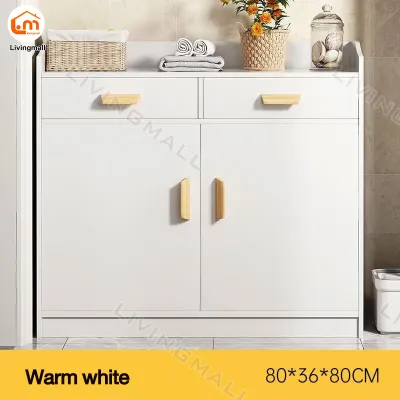
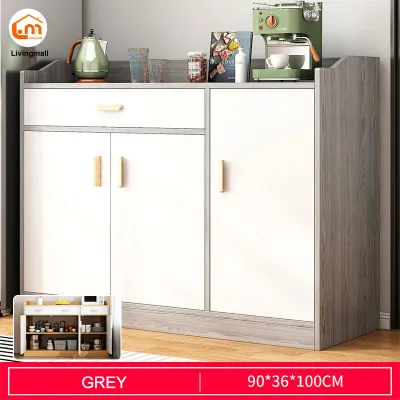
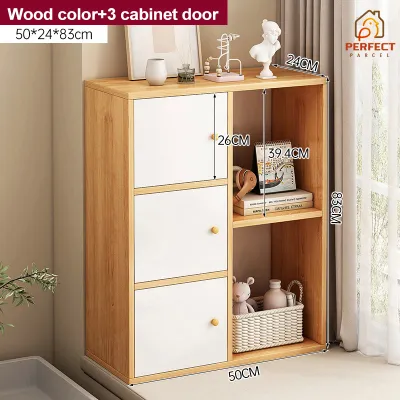
Prices are valid at publication and may change. Please refer to the product page for the latest price.
Be cautious of listings that use ambiguous phrasing such as “solid wood feel,” “wood-like finish,” or simply “wood” without any further classification. These terms almost always indicate a laminate or paper foil veneer wrapped over a low-density particle board core. While these finishes can replicate the visual texture of natural timber beautifully, they do not possess the same physical properties, repairability, or moisture resistance as solid wood.
Assessing Structural Durability for Daily Wardrobe Use
A wardrobe must support significant weight, from heavy denim and jackets to folded bedding and storage boxes. When evaluating an engineered wood wardrobe, pay close attention to the specified load capacity of the individual shelves and the hanging rod. Look for details on shelf thickness; thinner shelves made of low-density particle board are prone to bowing over time under heavy loads. If the listing does not specify weight limits, look at the span of the shelves, as longer unsupported shelves sag much faster than shorter, reinforced ones.

The functional lifespan of flat-pack furniture is often determined by its hardware rather than the wood panels themselves. Inspect the product images and descriptions for the quality of the hinges, drawer slides, and handles. Heavy-duty metal hinges that allow for three-way adjustment are preferable, as they let you realign doors that sag over time. For drawers, smooth metal runner tracks are far more durable and reliable than simple plastic glides or wood-on-wood slots.
Another critical factor for structural integrity is the quality of the edge banding. This is the thin strip of plastic or veneer applied to the exposed edges of the engineered wood panels. High-quality, heat-sealed edge banding seals the porous inner core from the surrounding environment. If the edge banding is thin, poorly glued, or peeling at the corners, moisture can easily penetrate the core, causing the fibers to swell, crumble, and permanently lose their structural strength.
Pre-Purchase Checks: Space, Clearance, and Safe Installation
Before clicking the buy button, you must ensure the wardrobe can physically enter and fit into your home. Measure your designated floor space carefully, keeping in mind not just the width and depth of the unit, but also the clearance needed to open doors and pull out drawers fully. Additionally, measure your ceiling height to ensure there is enough vertical clearance to stand the wardrobe up during assembly, as many flat-pack units are assembled flat on the floor and then raised into position.
Do not forget to map out the delivery path from your building’s entrance to the final bedroom destination. Measure the width and height of all doorways, narrow hallways, stairwells, and elevator cabins. Flat-pack furniture arrives in large, heavy cardboard boxes that can be difficult to maneuver around tight corners. Ensuring these boxes can safely clear your entryways prevents costly return shipping fees and delivery day frustration.
Safety should be a primary concern when installing tall bedroom furniture. Tall wardrobes can become top-heavy when loaded with clothes, presenting a serious tip-over hazard. Check whether the product package includes an anti-tip wall anchoring kit, which typically consists of brackets, straps, and screws. If your walls are made of concrete, brick, or drywall, you will need to verify that you have the correct wall plugs and a drill capable of securing the wardrobe firmly to the wall structure.
Finally, assess the assembly requirements of the wardrobe. Most engineered wood furniture requires self-assembly using basic hand tools like a screwdriver, a hammer, and sometimes an Allen key. Check if the seller provides clear, step-by-step assembly manuals or instructional videos. If you are not comfortable with DIY projects, or if you lack a level floor surface to ensure the wardrobe stands straight, consider hiring a professional assembly service to prevent structural misalignment during setup.
Practical Care and Maintenance to Extend Lifespan
Proper maintenance is key to keeping engineered wood furniture looking and functioning like new for years. For daily cleaning, use a dry or slightly damp microfiber cloth to wipe away dust and fingerprints. Avoid using soaking wet cloths, as standing water can quickly seep into seams and joints, causing the underlying wood fibers to swell and warp. If a spill occurs, wipe it up immediately with a dry towel.
Harsh chemical cleaners, abrasive scrubbing pads, and wax-based polishes should be avoided entirely. These products can degrade the protective laminate layer, strip away the decorative finish, or leave a sticky residue that attracts more dust. If a deeper clean is necessary, use a highly diluted mixture of mild dish soap and water, ensuring you wring out the cloth thoroughly before wiping the surface, and dry the area immediately afterward.
Controlling the indoor climate is equally important for preserving the structural integrity of your wardrobe. Keep the furniture away from direct sunlight, which can fade the laminate finish and cause the adhesive holding the edge banding to dry out and peel. Ensure the room has adequate ventilation to prevent stagnant air from trapping moisture against the back panel of the wardrobe, which is often made of a thinner, unprotected fiberboard vulnerable to mold growth.
Regularly inspect your wardrobe for early signs of wear and tear so you can address them before they cause permanent damage. Check for loose screws on hinges and drawer slides, tightening them gently by hand to avoid stripping the engineered wood core. If you notice a shelf beginning to sag, redistribute the weight by moving heavier items to the bottom or sides of the wardrobe, or reinforce the shelf with additional support brackets.
Frequently Asked Questions (FAQ)
How does this material handle high humidity in the Philippines?
Engineered wood materials are naturally sensitive to the high humidity levels and tropical climate of the Philippines. Excessive moisture in the air can penetrate unsealed edges, leading to swelling, warping, or mold development on the back panels. To protect your wardrobe, look for products that specify moisture-resistant laminates or fully sealed edges. Placing moisture-absorbing dehumidifier tubs inside the wardrobe and keeping the room well-ventilated can also help mitigate humidity-related damage.
How can I verify the exact material before ordering online?
When shopping online, you can verify the material by directly messaging the seller and requesting close-up photos of unpainted or unlaminated sections, such as the pre-drilled screw holes or the back edges of the panels. These areas clearly reveal whether the core is particle board, MDF, or solid wood. Additionally, ask the seller for the official manufacturer specification sheet or details regarding the warranty coverage for structural defects, which often explicitly state the materials used.

Community discussion
Share your experience or ask a question. Comments are reviewed before publication.