
Choosing a cloud headboard for your bed in the Philippines requires balancing the desire for a soft, pillowy aesthetic with the practical realities of bedroom space, local humidity, and delivery access. These heavily upholstered, curved, and often channel-tufted headboards bring a luxurious, cozy feel to any bedroom, but their bulky profiles demand careful planning. Whether you are furnishing a compact studio apartment in Metro Manila or a spacious master suite, selecting the right size and verifying the structural details ensures your investment remains both beautiful and functional.
This guide walks you through the essential sizing rules for single, double, queen, and king beds, while highlighting critical material checks, installation safety, and local sourcing strategies. By focusing on exact measurements and structural verification rather than generic size labels, you can confidently choose a headboard that fits your space and lifestyle.
Understanding Cloud Headboards and Room Proportions
Cloud headboards are defined by their soft, organic shapes, mimicking the billowy contours of clouds. They typically feature thick foam padding, deep tufting, or vertical channel stitching wrapped in tactile fabrics like velvet, bouclé, or linen blends. This heavy upholstery creates a distinct visual focal point, but it also adds significant physical depth and width compared to traditional flat wooden or metal headboards.
Products mentioned in this guide

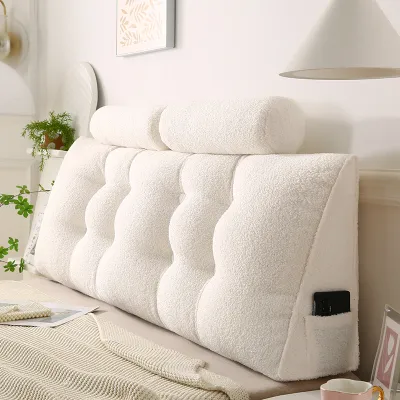

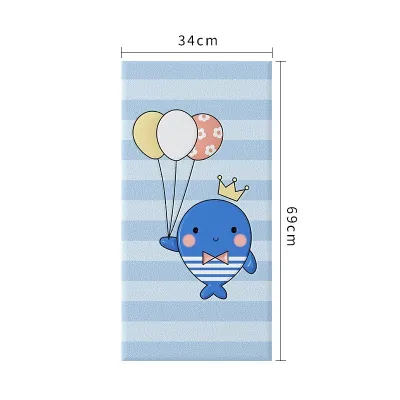
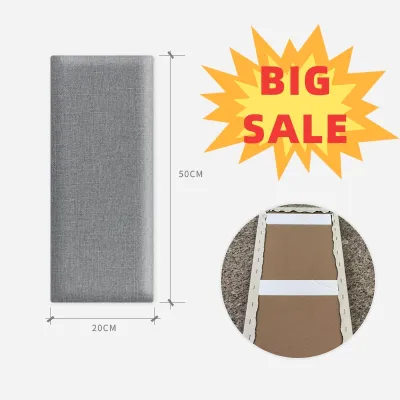


Prices are valid at publication and may change. Please refer to the product page for the latest price.
Before purchasing, it is crucial to evaluate your bedroom’s physical dimensions. Because a cloud headboard can protrude several inches from the wall, it reduces the available walk space at the foot of the bed. In smaller rooms, this extra depth can restrict movement around the bed or prevent wardrobe doors and drawers from opening fully.
Ceiling height is another vital factor in maintaining visual balance. A very tall, bulky headboard in a room with low ceilings can create a cramped, top-heavy atmosphere. Conversely, a low-profile cloud design might look swallowed up in a high-ceilinged room. Take note of existing furniture pieces, such as wardrobes and nightstands, to ensure the headboard’s scale complements rather than dominates the entire room.
Color and texture also play a significant role in how the headboard’s proportions are perceived. Light, neutral tones such as cream, off-white, or soft gray can make a large cloud headboard feel lighter and less imposing, which is ideal for standard-sized bedrooms in the Philippines. Darker or more vibrant colors, while dramatic, draw the eye immediately and can make a small room feel even more enclosed if not balanced with minimalist decor and ample natural light.
Sizing Guide: Matching Headboards to Your Bed Size
Finding the perfect cloud headboard for your bed starts with understanding how headboard dimensions interact with standard mattress sizes. While standard mattress sizes in the Philippines are generally consistent, headboard dimensions can vary wildly between manufacturers due to the thickness of the padding and the design of the outer frame.

As a general rule, a standard headboard should match the width of your bed frame or extend slightly beyond it by one to two inches on each side to create a cohesive, framed look. However, some oversized cloud designs are intentionally built much wider than the mattress to anchor the entire bed setup, sometimes even extending behind the bedside tables.
Height is equally critical and must be calculated relative to your mattress thickness, pillow arrangement, and overall wall space. You want enough of the cloud pattern to remain visible even when your sleeping pillows and decorative shams are stacked against it. Always request the exact finished dimensions from the manufacturer rather than relying solely on generic terms like “queen” or “king.”
Another critical dimension to verify is the gap between the bottom of the headboard’s padded section and the top of your mattress. Some headboards are designed with a gap to accommodate thick mattresses, while others feature padding that extends all the way down to the frame. Ensuring there is no awkward empty space where pillows can slip through is essential for both comfort and a polished look.
Single and Double Bed Configurations
For single (typically 36 inches wide) and double (typically 54 inches wide) beds, space optimization is usually the primary concern. These bed sizes are frequently placed in smaller guest rooms, children’s bedrooms, or compact condominiums where every square inch of floor space matters.
When selecting a cloud headboard for a single or double bed, look for designs with a slimmer profile depth. A headboard that is too thick will push the entire bed forward, potentially blocking the doorway or restricting access to one side of the bed. Keep the height proportional as well; a moderately tall headboard keeps the bed looking balanced without overwhelming a smaller room.
Delivery access is a frequently overlooked hurdle for upholstered furniture. Even for single or double sizes, a fully assembled, heavily padded headboard can be difficult to maneuver through narrow hallways, tight stairwells, or standard condominium elevators. Measure your entryways, doorways, and elevator clearances before ordering to ensure the delivery team can safely bring the piece into your bedroom.
When styling a single or double bed with a cloud headboard, keep the bedding relatively simple. Overloading a smaller bed with too many decorative pillows can obscure the beautiful curves of the headboard, defeating the purpose of its design. A couple of standard pillows and a single accent cushion are usually sufficient to complement the plush background without cluttering the limited space.
Queen and King Bed Configurations
Queen (typically 60 inches wide) and king (typically 72 to 78 inches wide) beds offer the perfect canvas for a dramatic, luxurious cloud headboard. In these larger configurations, the headboard acts as the primary visual anchor of the master bedroom, allowing for bolder shapes and more expansive designs.
For a truly high-end look, you might consider an extended-width cloud headboard that stretches beyond the mattress edges. This design creates a continuous, hotel-like backdrop that beautifully frames both the bed and the flanking nightstands. However, you must ensure that your bedside tables do not block the tufted details or sit at an awkward angle against the padded surface.
Because king-size cloud headboards are exceptionally wide and heavy, transport and installation can be highly challenging. Look for manufacturers that offer split or modular designs, which can be delivered in sections and assembled directly in your room. Additionally, ensure your bed frame has the structural integrity to support a large headboard, or plan for a secure wall-mounting system to distribute the weight safely.
For homeowners with expansive master bedrooms, custom-built cloud headboards offer the ultimate flexibility. A custom design allows you to specify the exact width to align perfectly with your bedside tables, incorporate built-in electrical cutouts for light switches and charging ports, and choose a fabric that matches your existing bedroom decor. While custom options require more planning and a higher initial investment, they eliminate the guesswork of fitting a pre-made piece into a unique space.
Key Selection Criteria Beyond Dimensions
Selecting a cloud headboard involves looking closely at the materials and construction methods to ensure long-term comfort and durability. In the tropical climate of the Philippines, high humidity levels can affect fabrics and internal frames, making material verification a top priority.
Begin by inspecting the fabric labels and care instructions. While plush fabrics like bouclé and velvet are popular for the cloud aesthetic, they can trap dust and moisture if not properly maintained. Look for fabrics treated with stain-resistant finishes, or opt for tightly woven synthetic blends that are easier to clean and less prone to mold or mildew in humid conditions. Avoid making assumptions about durability based on the fabric name alone; always check the manufacturer’s specific care guidelines.
The internal frame is the backbone of your headboard. Ask the retailer or check the product specifications to verify that the frame is constructed from sturdy, kiln-dried hardwood or high-quality engineered wood designed to resist warping. Weak joints can lead to wobbling, squeaking, or eventual structural failure, especially with heavy, padded designs.
Finally, evaluate the quality of the padding. High-density foam is essential for maintaining the plump, rounded shapes of a cloud headboard over time. Low-quality foam may feel soft initially but can sag or flatten out where you lean against it, ruining the signature cloud silhouette. Look for detailed product specifications regarding foam density and upholstery thickness to ensure the headboard remains comfortable and visually appealing for years to come.
Do not overlook the warranty and assembly instructions provided by the manufacturer. A comprehensive warranty is a strong indicator of the manufacturer’s confidence in their materials and craftsmanship. Additionally, reviewing the assembly instructions beforehand helps you understand the complexity of the setup process, whether it requires specialized tools, and if you will need assistance to assemble the headboard safely.
Installation, Clearance, and Safety Checks
Proper installation is critical to ensure your cloud headboard remains secure and does not pose a safety hazard. Depending on the design, headboards can be wall-mounted, attached directly to the bed frame, or freestanding (held in place by the pressure of the bed against the wall).
If you choose a wall-mounted cloud headboard, you must verify the compatibility of your wall type. Concrete, brick, and solid wood walls can support heavy, mounted furniture when paired with the correct masonry anchors and screws. Drywall or gypsum board walls, however, require locating the wooden or metal studs behind the wall to secure the mounting brackets safely; never rely on drywall anchors alone for heavy upholstered pieces.
Before drilling any holes, use a stud finder or consult a professional to check for hidden electrical wiring or plumbing lines running behind the wall. This is especially important in newer condominium developments where utility lines are often embedded close to the surface.
Additionally, check that the headboard does not block essential wall outlets, light switches, or air conditioning vents. If you use an adjustable bed base, ensure there is sufficient clearance for the mattress to move up and down without rubbing against or damaging the upholstered fabric. If you encounter any structural doubts, unknown wall materials, or conflicting manufacturer instructions, stop immediately and consult a qualified professional installer.
Sourcing Options and Pre-Purchase Verification
When shopping for a cloud headboard in the Philippines, you have the choice between visiting physical furniture showrooms and browsing online furniture retailers. Each approach has distinct advantages that can help you make an informed decision.
Visiting a physical showroom allows you to experience the headboard firsthand. You can feel the texture of the fabric, test the firmness of the foam padding, and inspect the overall build quality and stitching. This hands-on evaluation is highly valuable for assessing whether the piece meets your comfort and aesthetic standards.
On the other hand, online furniture retailers often provide a wider variety of styles, sizes, and custom fabric options. When shopping online, it is vital to request exact dimension diagrams and fabric swatches from the seller before placing your order. This helps prevent unexpected surprises, such as a color that looks different under your bedroom lighting or a frame that does not align with your existing bed base.
Before finalizing your purchase, carefully review the retailer’s return policies, warranty coverage, and delivery fees. Bulky, upholstered items like cloud headboards can incur high shipping costs, and returning a large piece due to a sizing error can be difficult and expensive. Clarifying these terms beforehand protects your investment and ensures a smooth delivery process.
Frequently Asked Questions (FAQ)
Do cloud headboards require wall mounting?
Not all cloud headboards require wall mounting, as the ideal installation method depends on the specific product design and your bedroom setup. Many models are designed to attach directly to standard bed frames using brackets, while others are freestanding units that sit flush against the wall, secured by the weight of the bed frame pushed against them.
However, for exceptionally tall, heavy, or oversized cloud headboards, wall mounting is highly recommended to prevent wobbling and ensure maximum stability. If you choose to wall-mount, always ensure you use the appropriate hardware for your specific wall type, such as masonry plugs for concrete walls or heavy-duty anchors secured into studs for drywall.
How do I clean and maintain a fabric cloud headboard?
Maintaining a fabric cloud headboard starts with checking the manufacturer’s specific care label before applying any water, steam, or cleaning solutions, as different fabrics require distinct care methods. For routine maintenance, vacuum the headboard weekly using a soft brush or upholstery attachment to remove dust, pet dander, and fibers that can accumulate in the tufts and channels.
If a spill occurs, immediately blot the area with a clean, dry, white cloth to absorb as much liquid as possible; avoid rubbing, which can push the stain deeper into the fabric fibers. For persistent stains or deep cleaning, consider professional upholstery cleaning services to preserve the fabric’s texture and color without risking water damage or mold growth in humid environments.

Community discussion
Share your experience or ask a question. Comments are reviewed before publication.