
Maximizing productivity in a small home office in the Philippines requires smart space planning, especially when managing a growing collection of books, reference manuals, and documents. The best book organizer shelf storage solutions for compact spaces are those that leverage unused vertical areas, fit snugly into corners, or tuck neatly under desks without obstructing walkways. Because many urban Filipino homes, such as condominiums and townhouses in Metro Manila, feature compact layouts, selecting the right shelving involves balancing physical dimensions, weight capacity, and environmental durability. Rather than choosing bulky, traditional bookcases that consume valuable floor space, home workers can optimize their setups with wall-mounted shelves, corner units, or mobile utility carts.
Measure Your Space: Clearances, Pathways, and Wall Types
Before purchasing any book organizer shelf storage unit, taking precise physical measurements of your home office is the most critical step to prevent layout issues. Begin by measuring the available floor footprint, noting the exact width and depth where the unit will stand. It is vital to account for the clearance required by your office chair; a standard ergonomic chair needs at least 60 to 75 centimeters of clear space behind the desk to roll back comfortably. Additionally, ensure that the depth of the shelf does not encroach on primary walking pathways, leaving a clear passage of at least 70 to 90 centimeters for easy movement.
Beyond the room’s interior dimensions, consider the logistics of delivery and assembly. Measure the width of your entry doors, narrow hallways, stairwells, and elevator doors. Even if you purchase a flat-pack unit that is assembled inside the room, the packaged box itself can be surprisingly long and heavy, requiring sufficient clearance to navigate tight corners.
Products mentioned in this guide
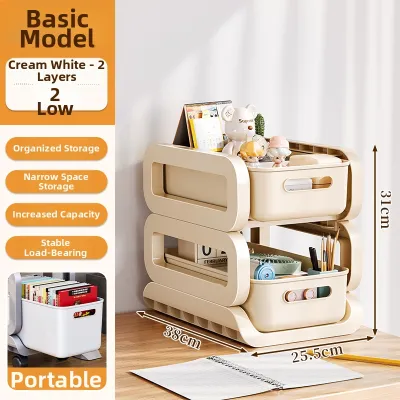
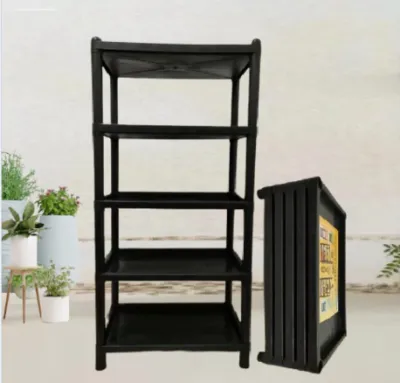
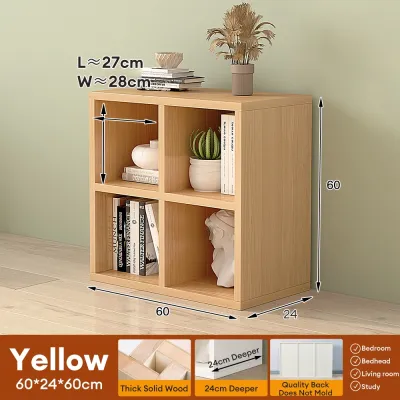
Prices are valid at publication and may change. Please refer to the product page for the latest price.
Physical obstructions along the walls can easily disrupt your installation plans. Inspect the target wall for protruding baseboards, window sills, light switches, and wall-mounted air conditioning units. A tall bookcase cannot sit flush against a wall if a thick baseboard pushes the bottom outward, which compromises stability. Ensure that any tall shelf will clear the airflow path of window-type or split-type air conditioners, preventing dust accumulation and maintaining efficient cooling.
Finally, determine the composition of your office walls. In the Philippines, residential walls are commonly constructed from solid concrete, concrete hollow blocks, or plaster-covered brick, though some modern partitions use drywall on metal studs. Heavy books require robust support, and mounting shelves on concrete demands a masonry drill bit and plastic or metal expansion shields. Conversely, mounting on drywall requires locating wood or metal studs with a stud finder or using specialized toggle bolts, as standard plastic plugs will quickly pull out under the weight of books.
Best Book Organizer Types for Compact Layouts
Selecting the right style of book organizer shelf storage depends on how much floor space you can afford to allocate and where your unused space lies.

Wall-Mounted and Floating Shelves
Wall-mounted and floating shelves are excellent for freeing up floor space entirely, making them ideal for ultra-compact home offices. However, their safety and load-bearing capacity depend heavily on proper installation. When mounting these shelves, it is essential to locate structural wall studs if you are dealing with drywall, or use heavy-duty masonry anchors for concrete walls.
Always refer to the manufacturer’s specifications for the maximum weight capacity of each individual shelf, rather than assuming a generic limit. To prevent structural failure, distribute the weight of your books evenly across the shelf, placing the heaviest volumes closest to the wall brackets. Floating shelves, which feature hidden internal brackets, generally support less weight than shelves with visible, triangular support brackets. They require precise leveling during installation to prevent items from sliding off, making them best suited for a curated selection of frequently accessed books, small notebooks, or lightweight decorative items.
Corner and Vertical Bookcases
When floor space is limited, corners are often left underutilized. Corner bookcases and tall, vertical “tower” shelves allow you to stack books upward rather than outward, maximizing storage capacity within a tiny footprint. Before purchasing a corner unit, measure the corner angle carefully to ensure it is a true 90-degree angle, as uneven walls can cause gaps and instability.
Ensure the height of a vertical bookcase does not interfere with ceiling fans, light fixtures, or air conditioning vents. Because tall, narrow bookcases have a high center of gravity, they present a significant tip-over risk. It is critical to anchor these units to the wall using anti-tip kits, which are often included by manufacturers or can be purchased separately. Additionally, check the depth of the corner shelf to confirm that it does not protrude into your desk seating area or block the natural swing of your office door.
Mobile Carts and Under-Desk Storage
For dynamic workspaces that serve multiple purposes, mobile utility carts and under-desk storage units offer exceptional flexibility. A rolling cart with three tiers can hold a substantial number of reference books and can be easily tucked away into a closet or moved to another room when the office space is needed for other activities.
When selecting a mobile cart, look for models with sturdy metal frames and heavy-duty casters, ensuring that at least two of the wheels feature reliable locks to prevent the cart from rolling while you work. Check the overall height of the cart to ensure it can roll smoothly underneath your desk when not in use. Under-desk rolling drawers or low-profile shelves are highly efficient for storing standard-sized novels and manuals, utilizing the empty space beneath your work surface. To ensure safety, avoid overloading mobile units; placing too much weight on the top shelves of a rolling cart can make it top-heavy and prone to tipping when pushed over door thresholds or rugs.
What to Check for Stability and Humidity Resistance
The tropical climate of the Philippines introduces unique challenges for furniture longevity and structural safety. High humidity levels and seasonal temperature shifts require careful material selection and regular maintenance.
- Load Capacity: Never assume a shelf can support your entire library based on its visual thickness. Always verify the manufacturer's stated weight limit per individual shelf. A shelf rated for 10 kilograms may bow or crack if packed tightly with heavy law books or medical textbooks, which can easily exceed that limit.
- Stability and Anchoring: Freestanding bookshelves, especially tall or narrow designs, must be secured to prevent accidental tipping. This is particularly important in households with active pets or young children who might attempt to climb the shelves. Look for units that include wall-mounting brackets, safety straps, or anchor screws, and install them strictly according to the manufacturer's instructions.
- Surface and Material Care: In humid environments, untreated wood, low-grade particleboard, and non-coated metals are highly susceptible to damage. Moisture can cause unsealed engineered wood to swell, sag, and develop mold, while unprotected iron frames will rust. Check product descriptions for moisture-resistant finishes, fully sealed melamine edges, or powder-coated steel frames. To care for your shelves, wipe them down regularly with a dry or slightly damp microfiber cloth, avoid placing wet cups or humidifiers directly adjacent to the wood, and ensure your office has adequate ventilation or dehumidification.
- Assembly and Maintenance: Review the assembly instructions and tool requirements before purchasing. Many flat-pack organizers require basic hand tools like a Phillips screwdriver, a hammer, or an Allen key. Because wood and metal expand and contract slightly with seasonal humidity changes, make it a habit to inspect the structural joints and tighten any loose screws or cam locks every six months to maintain long-term stability.
Common Sizing and Installation Mistakes to Avoid
Avoiding common pitfalls during selection and installation will save you time, money, and potential damage to your home office equipment.
One frequent mistake is ignoring the “visual weight” of the furniture. Placing a solid, dark-colored, enclosed bookcase in a small room can make the space feel incredibly cramped and claustrophobic. To keep the office feeling open and airy, consider open-back shelving units, ladder-style bookcases, or slim wire-frame designs that allow light to pass through.
Another critical oversight is failing to leave adequate clearance for electronic devices. If you plan to store a Wi-Fi router, external hard drives, a printer, or a small desktop PC on your shelving unit alongside your books, ensure there is at least 5 to 10 centimeters of open space around the vents of these devices. Restricting airflow can cause electronics to overheat, reducing their lifespan and performance.
Overloading shelves beyond their rated capacity remains a primary cause of furniture failure. Books are deceptively heavy; a single shelf filled completely with hardcover textbooks can easily weigh over 15 kilograms. Regularly inspect your shelves for any signs of bowing or sagging in the middle. If you notice even a slight curve, redistribute the weight immediately by moving heavier items to lower shelves or wall-supported sections, or reduce the total number of books on that level.
Lastly, using incorrect wall anchors can lead to catastrophic failures. Standard plastic wall plugs designed for drywall will not hold securely in hollow concrete blocks, and typical concrete screws cannot be used directly in plasterboard without finding a stud. Always match the anchor hardware to your specific wall type. If the included hardware does not match your wall construction, visit a local hardware store to purchase the correct anchors before proceeding with installation.
Frequently Asked Questions (FAQ)
How much weight can a typical floating shelf hold?
The weight capacity of a floating shelf varies widely depending on the bracket design, the shelf material, and the wall type it is mounted on. Generally, a standard floating shelf mounted into solid concrete or directly into wood wall studs can support between 5 to 15 kilograms. However, if the same shelf is mounted only into drywall using standard hollow-wall anchors, its capacity drops significantly. Always consult the manufacturer’s specific product manual for the exact load rating and installation requirements.
Are tension pole shelves safe for heavy books?
Tension pole shelves rely on spring tension or screw-jack pressure between the floor and the ceiling to stay in place. While they offer a damage-free installation option, they are generally not recommended for storing heavy books or dense reference manuals. They are best suited for lightweight decorative items, paperbacks, or office supplies. Overloading a tension pole shelf can cause the pole to slip, especially on tiled or polished concrete floors common in many homes in the Philippines. If you do use one, regularly check the tension and stability of the pole to ensure it remains securely locked in place.

Community discussion
Share your experience or ask a question. Comments are reviewed before publication.