
Finding the right kitchen island counter with built-in storage can instantly transform a cramped cooking area into an organized, efficient workspace. In many Philippine homes—particularly modern condominiums, studio apartments, and townhouses—limited countertop space and minimal cabinet storage are common daily challenges. A compact, mobile kitchen island counter offers a flexible solution, providing extra surface area for meal preparation alongside dedicated storage for cookware, pantry items, and small appliances.
Selecting the ideal unit requires balancing physical space constraints with your daily cooking habits. Because a kitchen island occupies central floor space, choosing the wrong size or material can lead to a cluttered layout and rapid wear under tropical conditions. By focusing on accurate measurements, functional storage features, and moisture-resistant materials, you can find a durable cart that enhances both the utility and style of your kitchen.
Assessing Your Kitchen Space and Clearance Requirements
Before browsing online furniture retailers, you must accurately assess your kitchen’s physical dimensions. Introducing a new furniture piece into a tight layout requires careful planning to ensure the space remains functional. Begin by using a steel measuring tape to map out the available floor area where you plan to position the island cart.
Products mentioned in this guide
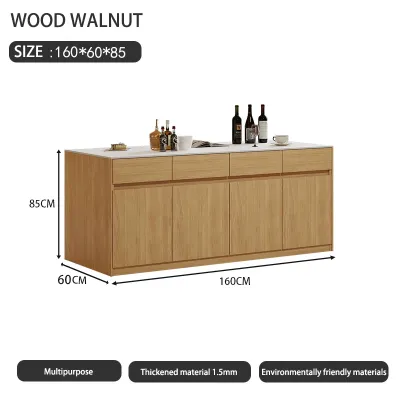
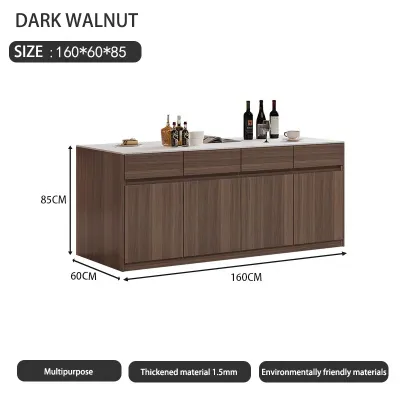
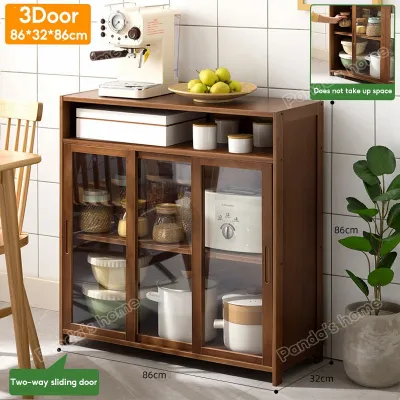
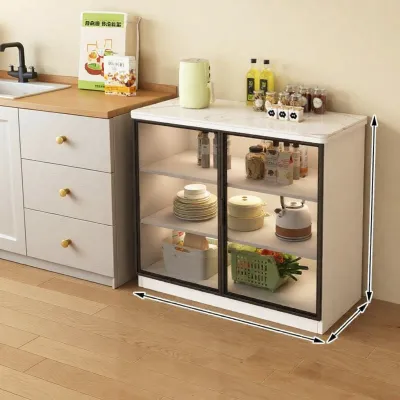
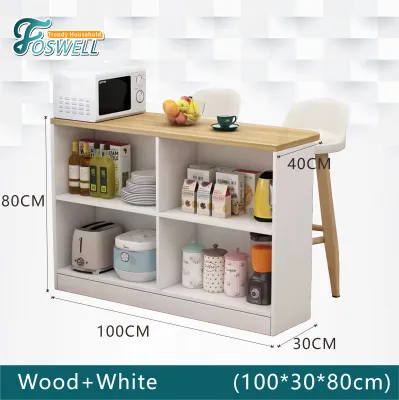
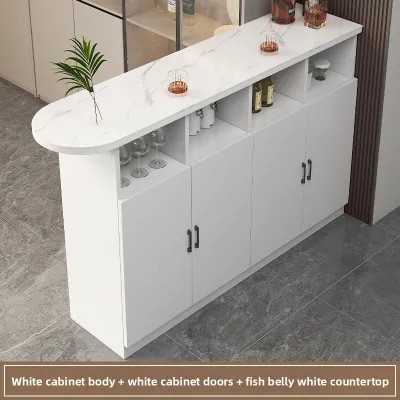
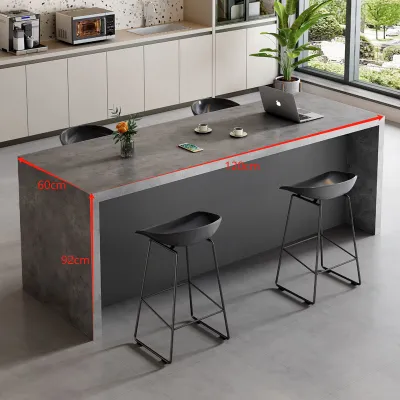
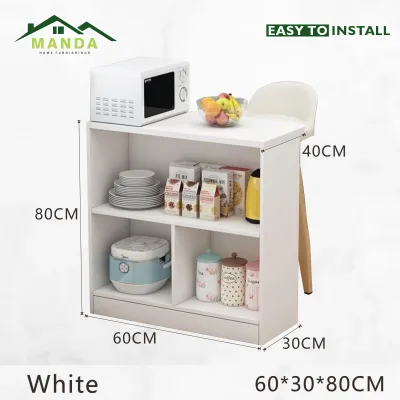
Prices are valid at publication and may change. Please refer to the product page for the latest price.
When calculating the available footprint, do not just measure the empty floor. You must account for the swing radius of nearby appliance doors, such as your refrigerator, oven, microwave, or built-in washing machine. Open every appliance door and cabinet drawer fully, then measure the distance from the edge of the open door to your proposed island location. To prevent operational conflicts, check your specific appliance user manuals to see if they require extra clearance for ventilation or specific door-opening angles.
Walkway and passage clearance is equally critical for maintaining a safe and comfortable cooking environment. As a general rule for small kitchens, aim for a clearance walkway that allows you to move comfortably, especially when carrying hot dishes, heavy pots, or sharp knives. If multiple family members frequently share the kitchen, ensure the walkway is wide enough for two people to pass each other without bumping into the island or surrounding counters.
Finally, do not overlook the logistics of getting the island cart into your home. Measure the narrowest points of your delivery route, including condo elevator doors, stairwell turns, main entryways, and narrow hallways. Many kitchen islands are delivered flat-packed and require on-site assembly, but some premium models arrive fully assembled. Verifying these entry dimensions beforehand ensures that your delivery goes smoothly and that the unit can actually reach your kitchen without getting stuck in a tight corridor.
Maximizing Utility: Storage and Mobility Features
To get the most value out of a compact kitchen island counter, look for design features that maximize storage utility within a small physical footprint. A well-designed cart should serve multiple purposes, acting as a prep station, a storage hub, and occasionally a temporary dining spot.

Consider the storage configurations that best match your cooking habits and kitchen inventory:
- Deep Drawers: These are highly practical for storing bulky cookware, such as rice cookers, stockpots, or heavy pans, keeping them out of sight but easily accessible.
- Open Shelving: Ideal for frequently used items like oil bottles, spice jars, mixing bowls, or dinnerware, allowing you to grab what you need quickly during meal prep.
- Hidden Compartments: Cabinets with closed doors are excellent for hiding clutter, storing packaged pantry goods, or keeping small appliances dust-free.
- Shallow Drawers and Hooks: Dedicated shallow drawers keep cutlery, peelers, and small kitchen tools organized, while side hooks provide a convenient spot to hang oven mitts and kitchen towels.
Mobility is another game-changer for small-space living. A kitchen island equipped with caster wheels can be rolled to the center of the room during meal preparation and pushed against a wall when you need more floor space. When evaluating mobile carts, ensure they feature heavy-duty caster wheels with robust locking mechanisms on at least two wheels. Locking the wheels is essential for safety, preventing the cart from sliding or shifting while you are chopping vegetables or kneading dough.
Space-saving mechanisms, such as drop-leaf extensions or fold-down countertops, offer excellent versatility. These mechanisms allow you to extend the prep surface when cooking or use it as a temporary breakfast bar, then fold it down flat to reclaim floor space when finished. When choosing between storage styles, consider the trade-offs between fixed and adjustable shelving:
- Fixed Shelving: Provides superior structural stability and can support heavier items without bending, but limits your ability to store tall appliances or oversized pots.
- Adjustable Shelving: Offers the flexibility to customize compartment heights as your storage needs change, though you must verify the strength of the support pegs and the weight capacity of each shelf level.
Checking Materials and Finishes for Humid Climates
The high humidity levels and warm temperatures characteristic of the Philippine climate require careful consideration of materials. Do not assume that a simple material name like “wood” or “metal” guarantees long-term durability. Instead, check the manufacturer’s specifications for protective surface treatments that resist moisture and wear.
Look for sealed solid wood, water-resistant melamine laminates, or powder-coated steel frames. Powder coating protects metal components from moisture and rust, which is particularly important if your kitchen is near a wet area, lacks air conditioning, or is exposed to salty coastal air. If the product description mentions engineered wood, ensure it has a high-quality laminate or veneer finish that seals all edges, as exposed particleboard can swell and degrade rapidly when exposed to moisture.
Routine care and maintenance are vital to preserve these finishes over time. Wipe up liquid spills immediately to prevent moisture from seeping into joints or causing laminate edges to peel. Ensure your kitchen has adequate ventilation, especially during the rainy season, to prevent mold growth on wooden surfaces. Avoid placing hot pots directly on the countertop; always use heat-resistant silicone trivets or hot pads to protect the finish from heat damage.
Before purchasing, verify the manufacturer’s stated weight capacity for both the countertop and individual shelves. If you plan to place heavy appliances like microwave ovens, air fryers, or stand mixers on the island, check that the structural joints are reinforced with sturdy screws or metal brackets. A weak frame can wobble under load, compromising safety and reducing the lifespan of the furniture.
Common Sizing and Placement Mistakes to Avoid
When planning the layout of a small kitchen, avoiding common design mistakes can save you from daily frustration and potential safety hazards. The most frequent error is disrupting the kitchen work triangle—the path between your sink, stove, and refrigerator. Placing a mobile island directly in this path forces you to walk around it constantly, slowing down meal preparation and increasing the risk of spills.
Another critical mistake is blocking primary traffic routes or emergency exits. In compact studio apartments, the kitchen is often located near the main entrance; an oversized island cart can restrict entry or exit paths, creating a safety hazard. Always ensure that the cart, even when its drop-leaf extension is fully deployed, leaves a clear and unobstructed path to all exits.
Overloading the island beyond its recommended weight limit is a common cause of premature wear and safety issues. Exceeding the weight capacity can bend the frame, strip the assembly screws, or damage the caster wheels. This also compromises the effectiveness of wheel locks, making the cart prone to sliding unexpectedly while in use. Always distribute weight evenly, placing heavier items on the bottom shelves to maintain a low center of gravity.
Ensure the island’s drawers or cabinet doors do not conflict with existing kitchen cabinets or appliance doors. If an island drawer cannot open fully because it hits the oven handle or a wall cabinet, its storage utility is significantly reduced. Finally, always check the physical stability of the unit. A top-heavy island is prone to tipping, especially when heavy items are stored on upper shelves or when a drop-leaf extension is extended without proper support legs or brackets.
Your Pre-Purchase Evaluation Checklist
Before finalizing your purchase from an online furniture retailer, use this actionable checklist to evaluate your options and ensure the kitchen island cart meets your needs:
- Dimensions: Compare both the folded and fully extended dimensions of the island cart against your measured kitchen floor plan.
- Clearance Zones: Verify that there is sufficient walkway space around the unit when all nearby appliance doors and drawers are fully opened.
- Storage Capacity: Ensure the drawer depths, shelf heights, and weight limits match your specific storage needs (such as holding a rice cooker or heavy pots).
- Hardware and Mobility: Check that the caster wheels are made of durable materials (like heavy-duty polyurethane) and feature reliable locking mechanisms on at least two wheels.
- Retailer Policies: Review the return policy, warranty terms, and assembly requirements (whether it arrives flat-packed for DIY assembly or fully assembled).
- User Reviews: Look for verified purchaser feedback regarding assembly difficulty, structural stability, and how well the materials hold up against daily wear and tear in humid environments.
Frequently Asked Questions (FAQ)
Can I use a kitchen island cart as a dining table in a small condo?
Yes, you can use a kitchen island cart as a dining table, provided you select a model with a drop-leaf extension that offers adequate legroom clearance when raised. Always check the manufacturer’s weight limits and ensure the unit is stable enough to support someone leaning on the edge during a meal. To ensure comfortable seating, verify that the height of your bar stools matches the height of the island countertop.
Do I need to anchor a mobile kitchen island to the wall?
Mobile kitchen island carts with lockable wheels are designed to be freestanding and generally do not require wall anchoring. However, if you choose a tall, narrow, or top-heavy unit to support heavy kitchen appliances, you should verify its stability and follow the manufacturer’s safety guidelines regarding placement. If you have young children or pets, or if the unit feels unstable when the drop-leaf is extended, consider placing it against a wall or using temporary safety straps when the wheels are locked.

Community discussion
Share your experience or ask a question. Comments are reviewed before publication.