
Finding the perfect compact sofa bed for a Japandi-style living room in the Philippines requires balancing minimalist aesthetics with tropical practicality. The Japandi design movement—a fusion of Japanese minimalism and Scandinavian functionality—emphasizes clean lines, natural materials, and uncluttered spaces. In compact urban condominiums and townhouses, maximizing floor space without sacrificing style is a common challenge. A carefully selected multi-functional sofa bed serves as an elegant centerpiece during the day and transitions into a comfortable sleeping surface at night, all while maintaining the serene, organic feel characteristic of Japandi interiors.
Defining the Japandi Aesthetic for Compact Spaces
The Japandi aesthetic is more than just a visual trend; it is a philosophy that values simplicity, craftsmanship, and connection to nature. By merging the cozy, functional warmth of Scandinavian hygge with the rustic, imperfect beauty of Japanese wabi-sabi, this style creates environments that feel both curated and deeply relaxing. In small living rooms, this design language translates into furniture with low profiles, slender legs, and minimalist silhouettes that allow light and air to circulate freely.
Low-profile furniture is particularly effective in compact spaces because it keeps the visual plane low, making ceilings appear higher and rooms feel more expansive. A compact sofa bed designed with this principle in mind avoids heavy, blocky bases that sit flat on the floor. Instead, it utilizes elevated frames that expose the floor underneath, creating an illusion of spaciousness.
Products mentioned in this guide

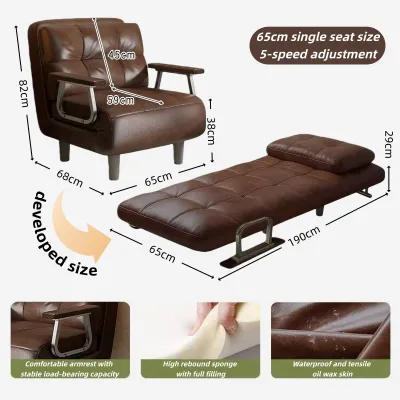
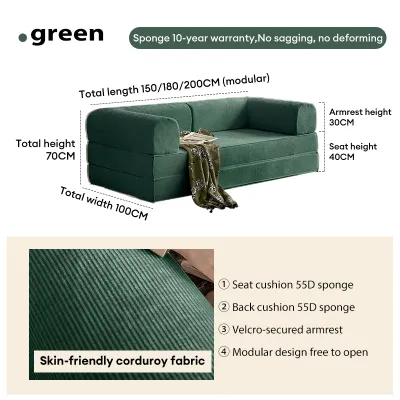
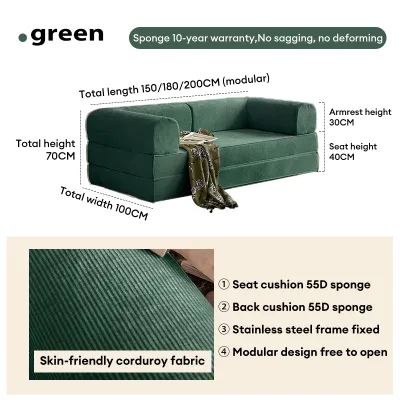
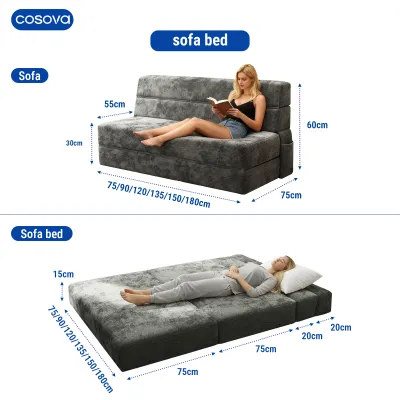
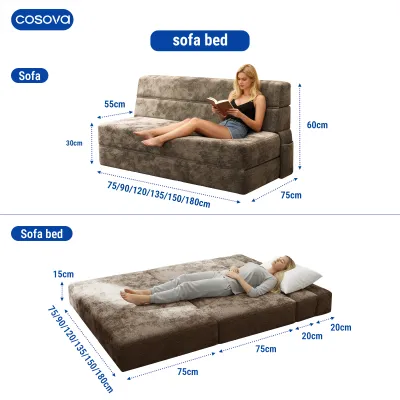

Prices are valid at publication and may change. Please refer to the product page for the latest price.
Color plays a crucial role in establishing the tranquil atmosphere of a Japandi home. The palette relies heavily on neutral, earthy tones that reflect the natural world. Warm whites, soft greys, sandy beiges, and muted ochres form the foundation, while subtle accents of forest green, charcoal, or terracotta add depth without overwhelming the senses. When choosing a compact sofa bed, selecting upholstery within this organic color spectrum ensures the piece integrates seamlessly with surrounding decor.
Functionality is the final pillar of the Japandi approach. Every object in a small room must justify its presence through utility and beauty. A sofa bed embodies this dual-purpose requirement perfectly, but only if its design remains uncluttered. Avoid pieces with excessive tufting, ornate stitching, or unnecessary decorative elements, as these details disrupt the clean lines and quiet simplicity that define the style.
Key Selection Criteria for Japandi Compact Sofa Beds
Selecting the right compact sofa bed involves a close examination of materials, construction, and design details to ensure they align with Japandi principles while enduring daily use. Upholstery is the most visible element, making fabric choice paramount. Natural textures like linen, cotton, and bouclé are highly favored for their tactile warmth and organic appearance. However, in the humid climate of the Philippines, pure natural fibers can sometimes trap moisture or be prone to mildew. To counter this, look for high-quality synthetic blends—such as polyester-linen or cotton-acrylic mixes—that mimic the raw, textured look of natural fibers while offering enhanced moisture resistance and easier cleaning. Always verify the fabric composition and care instructions on the product label before purchasing.

The frame material determines both the durability and the aesthetic authenticity of the sofa bed. True Japandi furniture celebrates woodcraft, making solid wood frames the ideal choice. Look for sustainably sourced hardwoods like oak, ash, or walnut, which feature beautiful grain patterns and robust structural integrity. You can distinguish solid wood from engineered alternatives like particleboard or medium-density fiberboard (MDF) by inspecting the underside of the frame, checking for visible joinery such as mortise-and-tenon joints, and reviewing the manufacturer’s technical specifications. If engineered wood is used for the inner frame to manage costs, ensure that any exposed elements, such as the base rail or legs, are made of solid timber.
Leg and base designs are critical for maintaining visual lightness. A classic Japandi sofa bed features tapered, round, or square wooden legs that lift the main body of the sofa off the ground. This design choice not only aligns with mid-century modern and Scandinavian influences but also allows light to pass underneath, preventing the room from feeling cramped. Avoid heavy, skirted bases or metallic, high-gloss chrome legs, which clash with the organic, rustic undertones of the style.
Finally, pay close attention to the armrests and overall silhouette. Bulky, overstuffed armrests consume valuable inches of floor space and disrupt the sleek, minimalist lines of the room. Opt for track arms, slim wooden armrests, or even armless designs. Armless sofa beds are particularly advantageous for compact spaces, as they maximize the usable seating and sleeping area while maintaining an incredibly clean, uninterrupted profile.
Space Planning and Sizing for Your Living Room
Before committing to a compact sofa bed, precise space planning is essential to ensure the piece fits your physical layout and maintains the uncluttered flow of a Japandi home. Begin by measuring the available footprint in your living room. You must measure two distinct states: the sofa configuration for daily lounging and the fully extended bed mode for sleeping. Use painter’s tape to outline both dimensions on your floor, allowing you to visualize how much physical space the furniture will occupy in both states.
Clearance paths are just as important as the furniture’s footprint. A cramped room defeats the minimalist purpose of Japandi design. Ensure there is at least 60 to 75 centimeters of walking space around the sofa bed when it is fully extended. Consider the placement of adjacent furniture, such as coffee tables, side tables, and indoor plants. If you choose a coffee table, opt for a lightweight, easily movable wooden or rattan design that can be effortlessly set aside when transitioning the sofa into a bed.
Delivery access is a frequently overlooked constraint that can cause significant logistical issues, especially in high-rise condominiums or gated subdivisions. Measure the width and height of all entry points, including elevator doors, interior cabin dimensions, stairwell turns, hallway corridors, and your main entrance door. Compare these measurements against the packaged dimensions of the sofa bed provided by the retailer. Many compact sofa beds are delivered flat-packed or require partial assembly, which can ease delivery through tight spaces, but it is vital to verify these assembly conditions beforehand.
Lastly, assess the visual weight of the sofa bed in relation to your room’s architecture. Consider how the height of the backrest interacts with window sills and wall outlets. A sofa bed with a low backrest preserves sightlines and allows natural light from windows to flood the room, enhancing the bright, airy feel central to Scandinavian design. Ensure the scale of the sofa matches other elements in the room, keeping a balanced proportion that feels harmonious rather than dominant.
Evaluating Comfort, Support, and Mechanisms
A beautiful sofa bed is only successful if it provides adequate comfort and reliable functionality. Because you will use the piece for both sitting and sleeping, evaluating the internal support structures is crucial. Check the manufacturer’s specifications for the cushion and mattress fill. High-density foam (at least 30 kg/m³ density) offers excellent support and retains its shape over time, preventing the sagging that plagues cheaper alternatives. For enhanced sleeping comfort, look for models that incorporate pocket springs or a combination of high-density foam and memory foam layers, which distribute body weight evenly and reduce pressure points.
The transition mechanism must be smooth, quiet, and easy to operate. Common mechanisms include click-clack systems, pull-out drawers, and fold-out frames. When visiting a showroom, test the mechanism yourself multiple times. Listen for any squeaking, grinding, or resistance, which can indicate poor construction or misaligned parts. If shopping online, look for verified video demonstrations showing the transition process from start to finish. Ensure the locking mechanisms feel secure in both the sofa and bed positions to prevent accidental collapsing.
Seat depth and backrest ergonomics require careful consideration. A standard sofa typically has a seat depth of 50 to 60 centimeters, which is comfortable for upright sitting. Sofa beds often have deeper seats to accommodate the mattress structure, which might require you to add supportive back cushions to sit comfortably. Ensure the backrest angle provides adequate lumbar support for daily use, and check if the transition to bed mode creates a completely flat, gap-free sleeping surface, as uneven joints can severely disrupt sleep quality.
Finally, protect your investment by thoroughly reviewing the warranty terms. A reliable manufacturer should offer a warranty that specifically covers the mechanical hinges, moving parts, and the structural frame, rather than just the fabric upholstery. Because a sofa bed undergoes regular mechanical stress during transitions, a robust warranty of at least two to five years on the frame and mechanism is a strong indicator of quality and durability.
Care and Maintenance for Natural Materials
Preserving the pristine, minimalist look of a Japandi sofa bed requires consistent, gentle maintenance, especially when dealing with natural wood and textured fabrics. Establish a routine vacuuming schedule using an upholstery attachment to remove dust, pet dander, and loose dirt from the fabric fibers. For textured weaves like bouclé or linen blends, vacuuming prevents dirt from settling deep into the crevices, which can cause premature wear and discoloration. Address spills immediately by blotting them with a clean, dry microfiber cloth; never rub the fabric, as this can push the liquid deeper into the fibers and damage the weave.
The tropical climate of the Philippines presents unique challenges for furniture preservation, specifically regarding humidity and sunlight. Position your sofa bed away from direct sunlight to prevent the wood frame from warping or cracking and the fabric from fading. High humidity can also affect wood joints and encourage mold growth on natural fibers. Maintain good indoor ventilation, use dehumidifiers if necessary during the wet season, and ensure the room receives adequate airflow.
Always consult the care labels attached to the cushions or frame before applying any cleaning solutions. If your sofa bed features removable cushion covers, check if they are machine washable or require professional dry cleaning. For non-removable upholstery, spot-clean using mild, fabric-safe detergents recommended by the manufacturer, testing the solution on an inconspicuous area first.
Recognize the limits of home maintenance. If you encounter deep, stubborn stains, water damage, or mechanical stiffness in the hinges, avoid aggressive DIY scrubbing or lubrication with unapproved oils. Instead, consult professional upholstery cleaning services or contact the manufacturer’s service center to handle structural repairs and deep extraction cleaning safely.
Frequently Asked Questions (FAQ)
Can a Japandi sofa bed be comfortable for everyday sleeping?
While compact sofa beds are primarily designed for occasional guest use, high-quality models can support daily sleeping if they feature the right specifications. For everyday use, prioritize sofa beds with a dedicated pocket spring mattress or thick, high-density foam layers rather than thin, simple foam pads. Check the product manual for weight capacity limits and ensure the sleeping surface is completely flat without prominent gaps or bars underneath. Adding a high-quality mattress topper can also significantly improve comfort and protect the sofa bed’s surface from wear.
How do I style a compact sofa bed to enhance the Japandi look?
To elevate the Japandi aesthetic, style your compact sofa bed with minimalist, high-texture accessories. Use throw blankets made of waffle-weave cotton or chunky knit wool in muted, earthy tones like olive green, warm beige, or soft terracotta. Pair them with simple linen cushion covers in solid neutral colors, avoiding busy patterns or bright, saturated hues. Complete the look by placing a low-profile wooden side table nearby, adding a woven seagrass or jute rug underneath, and keeping the surrounding space free of clutter to let the clean lines of the sofa bed stand out.

Community discussion
Share your experience or ask a question. Comments are reviewed before publication.