
Finding the right ergonomic resting chair for your home or office in the Philippines involves balancing your budget against your physical comfort and the chair’s long-term durability. At the ₱3,000, ₱8,000, and ₱15,000 price points, resting chairs offer vastly different levels of structural support, material quality, and mechanical adjustability. Understanding these differences helps you avoid common pitfalls, such as buying a chair that degrades quickly in high humidity or fails to support your posture during long working hours.
While an entry-level option might seem appealing for immediate savings, investing in a higher tier often translates to better physical alignment and fewer replacements over time. By analyzing how build quality, adjustability, and comfort scale across these three distinct price tiers, you can make an informed decision that suits both your workspace and your body’s unique requirements.
Core Differences in Build Quality and Materials
The structural integrity of an ergonomic resting chair determines how well it supports your weight and how long it remains stable. At the ₱3,000 entry-level tier, manufacturers primarily use standard, lightweight plastics for the frame and base. These materials are susceptible to flexing under pressure and can become brittle over time, especially when exposed to ambient heat and humidity. The structural joints in this tier are often simple press-fit connections or basic metal screws threaded directly into plastic housings, which can loosen with regular use.
Products mentioned in this guide
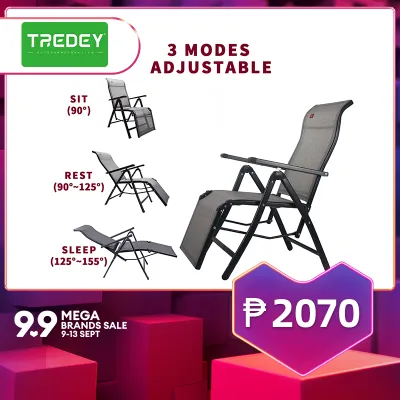
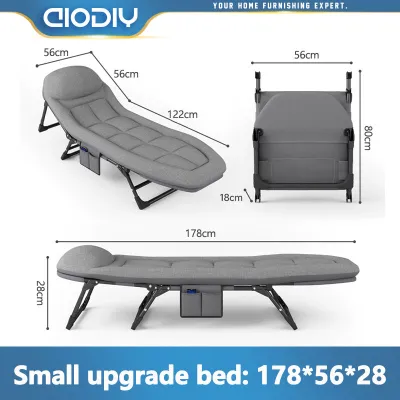
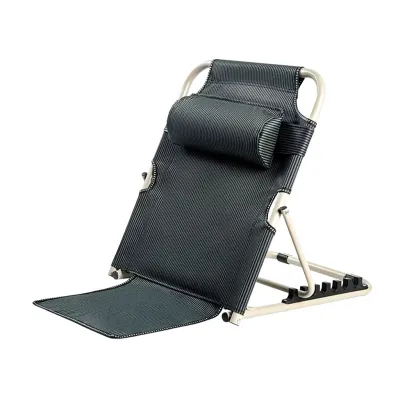
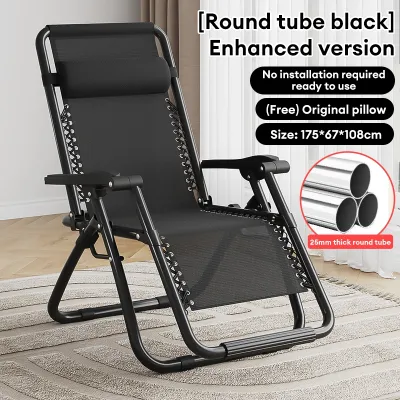
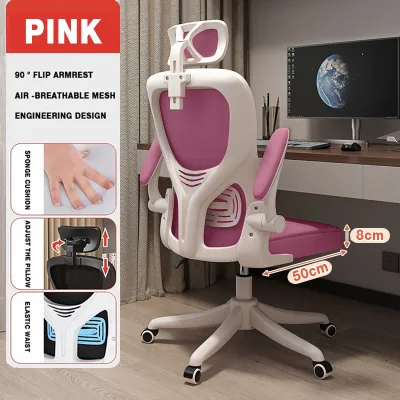
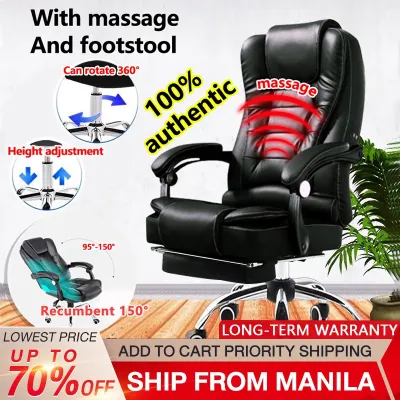
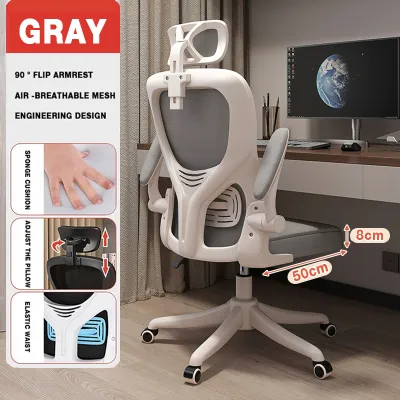
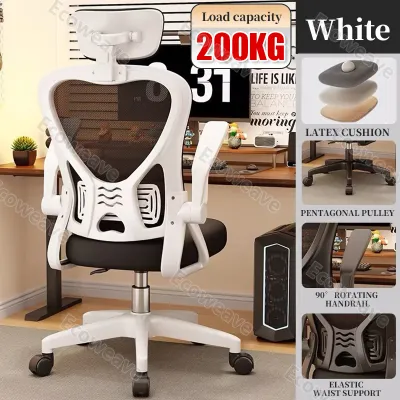
Prices are valid at publication and may change. Please refer to the product page for the latest price.
As you move to the ₱8,000 mid-tier, the construction quality improves significantly. Frames in this price range typically feature reinforced nylon or glass-fiber composites, which offer a much higher tensile strength than standard plastics. The base is often constructed from heavy-duty nylon or lightweight steel alloys, providing a more stable foundation that resists tipping. Structural joints are reinforced with metal-on-metal connections, reducing squeaks and maintaining frame alignment over years of daily use.
At the ₱15,000 premium tier, the materials shift toward high-grade aluminum alloys and engineered polymers. These frames are designed to flex dynamically with your body movements while maintaining absolute structural rigidity where support is needed. The bases are almost exclusively polished aluminum or heavy-gauge steel, offering maximum stability and a high load capacity.
Surface materials also evolve dramatically across these price points. Entry-level chairs often use basic polyester mesh or thin fabric over low-density foam, which can stretch, sag, or tear within a few months of use. In contrast, mid-tier and premium chairs utilize high-density, multi-zone woven mesh or breathable, wear-resistant textiles. These advanced fabrics are engineered to distribute your body weight evenly, promote airflow in warm tropical climates, and retain their original tension over years of continuous sitting. To ensure you are getting genuine quality, always check the manufacturer’s technical specification sheet for the exact material composition of the frame and base rather than relying on vague marketing terms.
Adjustability and Ergonomic Features by Price Point
Ergonomic support is not a one-size-fits-all solution; it depends entirely on how well a chair can be adjusted to fit your unique body proportions. At the ₱3,000 price point, adjustability is highly limited. You will typically find a basic pneumatic gas lift for height adjustment and a simple tilt mechanism that allows you to rock back slightly, usually locking only in the upright position. Lumbar support, if present, is often a fixed plastic bar or a basic cushion that cannot be adjusted for height or depth, forcing your spine into a generic curve that may not match your natural posture.

Stepping up to the ₱8,000 tier introduces a much wider range of mechanical customization. Chairs in this bracket generally feature adjustable lumbar support systems that can be moved vertically to target your lower back precisely. You will also find multi-directional armrests (often referred to as 2D or 3D armrests) that adjust for height, depth, and angle, allowing you to keep your elbows bent at a comfortable 90-degree angle. The tilt mechanism in this tier usually includes a multi-position lock, enabling you to recline and secure the backrest at several comfortable angles for resting.
At the ₱15,000 premium tier, the ergonomic features become highly sophisticated. These chairs often incorporate synchronous tilt mechanisms, where the backrest and seat pan recline at a synchronized ratio (such as 2:1). This keeps your feet flat on the floor and your knees at a comfortable angle even when you recline deeply. You will also find seat-depth sliders that allow you to adjust the distance between the backrest and the front edge of the seat, ensuring proper thigh support without cutting off circulation behind your knees. Armrests in this tier are typically 4D, offering height, width, depth, and pivot adjustments to accommodate any desk setup.
When selecting a chair, it is crucial to match these adjustment ranges to your specific desk height and body measurements. A chair with excellent features is of little use if its minimum seat height is too tall for your desk or if the armrests cannot clear your keyboard tray. Before finalizing your purchase, verify the presence and smoothness of the locking mechanisms and tilt tension controls. High-quality mechanisms should operate quietly and transition between positions without sudden jerks or resistance.
Comfort, Durability, and Warranty Expectations
Long-term comfort is closely tied to how well a chair’s cushioning and support surfaces resist degradation. In the ₱3,000 tier, seat cushions are typically made from standard cut foam. This type of foam has a low density and tends to “bottom out” quickly, meaning your hips will eventually press directly against the hard wooden or plastic seat pan beneath. Over a few hours of sitting, this lack of support can lead to localized pressure points, tailbone discomfort, and poor circulation.
Mid-tier chairs at ₱8,000 generally utilize high-density molded foam for the seat cushion. Molded foam is shaped under high pressure, creating a dense, supportive structure that retains its shape and elasticity for years. This prevents the cushion from flattening out and ensures consistent support across your entire seating area. The mesh used on the backrests of mid-tier chairs is also more resilient, resisting the sagging that often plagues cheaper models.
At the ₱15,000 level, comfort is optimized through advanced pressure distribution. Many premium chairs feature fully mesh seats made from high-elasticity elastomeric polymers. These seats suspend your body weight without the need for foam, eliminating pressure points entirely and offering maximum breathability in hot weather. If the chair does use a foam cushion, it is typically a multi-layered, dual-density molded foam that provides soft initial contact with firm underlying support.
Warranty coverage is a direct reflection of a manufacturer’s confidence in their product’s durability. Entry-level ₱3,000 chairs often come with no warranty at all, or a very limited return window from online marketplaces. Mid-tier ₱8,000 chairs usually offer a 1-to-2-year warranty, typically covering specific mechanical parts like the gas lift cylinder or the caster wheels. Premium ₱15,000 chairs frequently provide comprehensive warranties extending from 3 to 5 years, covering the structural frame, the mesh or fabric, and the entire tilt mechanism. Always read the specific warranty terms carefully to check for weight limits, wear-and-tear exclusions, and whether the warranty applies to residential or commercial use.
Decision Framework: Choosing the Right Price Tier
To determine which price tier aligns with your needs, you must evaluate your daily usage patterns, physical requirements, and workspace constraints.
You should choose the ₱3,000 tier if the chair is intended for light, occasional use—such as in a guest bedroom, a secondary study area, or for quick tasks lasting less than two hours a day. At this price point, budget is the primary driver, and the lack of advanced ergonomic adjustments is less critical because you will not be sitting in the chair long enough to cause significant physical strain.
You should choose the ₱8,000 tier if you require a reliable daily workhorse for standard remote work or study sessions lasting four to six hours. This tier represents the sweet spot for most users, offering the fundamental ergonomic adjustments—like adjustable lumbar support and customizable armrests—needed to maintain a healthy posture without a massive financial investment. The materials in this range are durable enough to withstand daily use for several years.
You should choose the ₱15,000 tier if you spend extended hours (eight or more hours a day) seated at your desk and prioritize long-term physical health and structural reliability. This investment is highly recommended for professional remote workers, software developers, or anyone with existing mild back discomfort who requires precise, dynamic postural support. The premium materials, advanced synchronous tilt mechanisms, and extended warranties ensure the chair remains a comfortable, supportive asset for many years.
Before making your final choice, verify if you have any specific orthopedic needs or require specialized medical seating, as standard consumer chairs in any tier may not provide the necessary therapeutic support. Additionally, ensure that the physical dimensions of the chair you select are compatible with any strict size limitations in your room or under your desk.
Pre-Purchase Checks for Space, Clearance, and Assembly
Before placing your order, you must perform several practical checks to ensure the chair can be successfully integrated into your home. First, measure the width of your doorways, elevator doors, and stairwells. Ergonomic chairs, especially those in the mid-to-premium tiers, often ship in large, bulky boxes that can be difficult to maneuver through tight spaces. Knowing these dimensions beforehand prevents delivery day headaches.
Next, check your desk clearance and floor type. Measure the height from the floor to the underside of your desk to ensure the chair’s armrests can slide underneath when not in use, saving valuable floor space. You should also identify your flooring material; standard hard nylon casters can scratch hardwood or laminate floors, while soft polyurethane casters are much gentler. If you have delicate flooring or a thick carpet, consider purchasing a protective floor mat to ensure smooth rolling and prevent surface wear.
Finally, review the assembly requirements. While some premium chairs arrive fully assembled, most entry-level and mid-tier models require self-assembly. Check if the package includes all necessary tools and clear instructions. Most importantly, always locate the manufacturer’s official weight capacity label on the product packaging, the underside of the seat pan, or within the user manual to ensure the chair safely accommodates your weight and maintains its structural integrity.
Frequently Asked Questions (FAQ)
Do I need a footrest for an ergonomic resting chair?
To maintain proper ergonomic alignment, your feet should rest flat on the floor with your knees bent at a 90-degree angle. If your desk is fixed at a height that forces you to raise your chair to work comfortably, your feet may dangle, which puts pressure on the back of your thighs and restricts blood circulation. In this scenario, adding a footrest is highly beneficial to support your feet. Before purchasing a footrest, check your chair’s minimum seat height specification to see if you can achieve a flat-footed posture without one.
How do I verify the weight capacity before buying?
To find the accurate weight capacity of a chair, always refer to the manufacturer’s official specification sheet, user manual, or certified product page. Avoid relying solely on informal product descriptions or unverified listings on online marketplaces, as these can sometimes feature exaggerated claims. Look for recognized industry certifications, such as BIFMA, which indicate the chair has undergone standardized safety and durability testing. Exceeding the certified weight limit can compromise the chair’s structural joints and gas lift, and will typically void your warranty.

Community discussion
Share your experience or ask a question. Comments are reviewed before publication.