
Selecting the right sleeping mat double size is one of the most critical decisions you can make for your bedroom, especially when trying to secure a restful night during hot, humid nights in the Philippines. While traditional woven mats like the banig offer the absolute highest surface breathability, they lack the deep cushioning and pressure relief required for long-term spinal support. For a full-sized mattress that balances support with temperature control, natural latex and open-coil hybrid systems stand out as the most effective materials for dispersing body heat and managing tropical humidity.
How Tropical Heat Affects Your Sleep and Mattress Choice
Sleeping comfortably in a tropical climate requires a sleep surface that actively manages both high ambient temperatures and intense relative humidity. When the night air remains warm, your body struggles to drop its core temperature, which is a biological prerequisite for entering deep, restorative sleep phases. If your mattress lacks ventilation, the heat radiating from your body becomes trapped directly beneath you, creating a localized hot zone that triggers excessive sweating and frequent nighttime awakenings.
This phenomenon highlights the critical difference between the ambient room temperature and the microclimate of your bed. Even if you run an air conditioner or a ceiling fan, a dense, non-breathable mattress can still trap heat directly against your skin. The air circulating in the room cannot easily reach the contact points where your body meets the bed, rendering external cooling efforts only partially effective.
Products mentioned in this guide
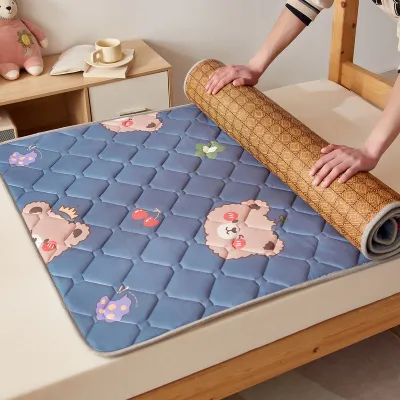
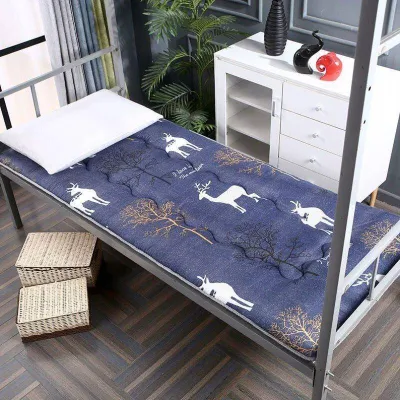
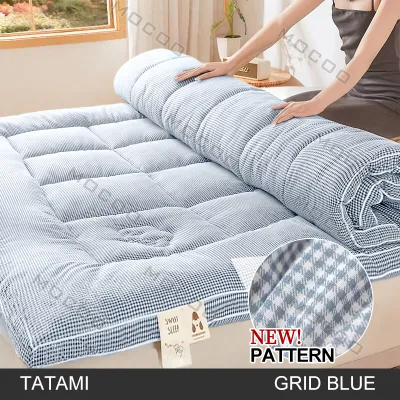
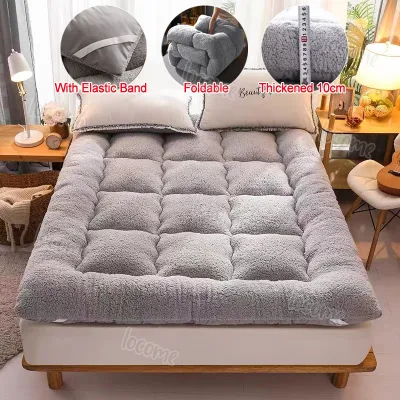
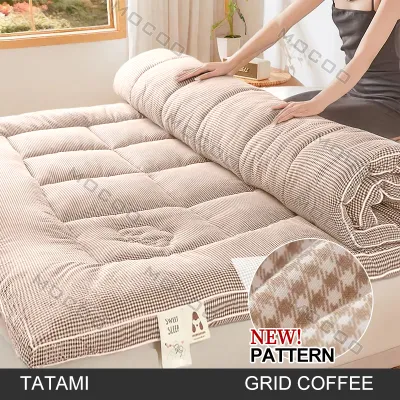

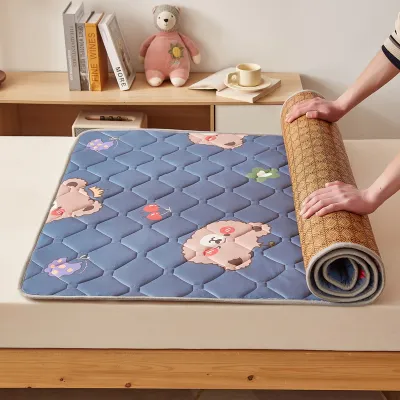
Prices are valid at publication and may change. Please refer to the product page for the latest price.
Therefore, when selecting a sleeping mat double size, prioritizing temperature regulation and moisture dissipation over mere plushness is essential. A mattress that feels incredibly soft in an air-conditioned showroom may turn into a suffocating heat trap at home if its internal structure does not allow air to flow freely. For couples sharing a double bed, this issue is amplified, as two bodies generate twice the thermal energy and moisture, making structural breathability the most critical factor in your purchasing decision.
Essential Cooling Features to Check Before Selecting a Sleeping Mat Double Size
To find a sleeping mat that keeps you cool, you must look past generic cooling labels and evaluate the physical construction of the mattress. The first and most critical feature to verify is the core airflow design. Open-cell foam formulations, aerated structures with molded pinholes, and traditional steel coil systems all offer pathways for air to move. Without these physical channels, heat has nowhere to escape, causing the material to act as an insulator rather than a conductor.

Moisture management is the second pillar of a cool sleep surface, particularly in high-humidity environments. As you sweat during the night, the mattress cover and comfort layers must actively pull moisture away from your skin and allow it to evaporate quickly. If a material holds onto moisture, it creates a damp, clammy surface that not only ruins sleep quality but also encourages the growth of mold, mildew, and dust mites.
Thermal conductivity is another key technical aspect, which refers to how quickly a material absorbs and transfers heat. High-density materials with compact molecular structures tend to retain heat longer, while lower-density or highly porous materials dissipate thermal energy rapidly. When comparing options, check the specifications for heat-dispersing additives or structural ventilation that prevent the core of the mattress from warming up over hours of continuous use.
Finally, examine the cover fabric and its specific care instructions. Natural fibers such as long-staple cotton, bamboo-derived viscose, and specialized linen blends offer excellent natural breathability and moisture absorption. Some modern mats feature phase-change materials or cool-to-the-touch synthetic weaves; however, you must verify the manufacturer’s care labels to ensure that routine washing will not degrade these specialized cooling treatments over time.
How Common Sleeping Mat Materials Handle Heat
Different mattress materials utilize distinct mechanisms to manage or retain heat. Understanding these physical differences allows you to choose a double sleeping mat that aligns with your specific climate needs and comfort preferences.
Memory Foam and Gel-Infused Options
Traditional memory foam is notorious for trapping heat due to its high density and slow-rebound, contouring nature. When you sink into the foam, the material wraps closely around your body, restricting air circulation at the contact points and absorbing your body heat. To counteract this, manufacturers often introduce gel infusions, copper particles, or graphite layers designed to conduct heat away from the surface. While these additives can provide an initial cool sensation when you first lie down, their cooling capacity can saturate over several hours of sleep. For long-term cooling in a tropical climate, look for open-cell memory foam formulations that physically allow air to pass through the cell walls, rather than relying solely on chemical gel additives.
Natural and Synthetic Latex
Natural latex is highly regarded for its inherent breathability and resilience. During the manufacturing process, latex is molded with thousands of tiny pinholes that create a continuous pathway for air circulation. Because natural latex is derived from rubber tree sap, it naturally resists heat retention better than petroleum-based synthetic foams. Synthetic latex blends are also available, though they may offer slightly less breathability and durability than 100% natural options. While latex provides an excellent cool sleep surface, its dense and buoyant feel means you sleep “on” the mattress rather than “in” it, which naturally keeps more of your body exposed to ambient room airflow.
Innerspring and Hybrid Designs
Innerspring and hybrid mattresses are structurally the most breathable options available. The core of these mattresses consists of open steel coils, leaving a vast amount of empty space inside the bed where air can circulate freely with every movement you make. Hybrid designs combine this supportive coil base with top comfort layers of foam or latex. To ensure the cooling benefits of the coils are not lost, verify that the top comfort layer—whether it is a pillow top or a Euro top—is made of highly breathable materials. A thick, dense memory foam topper on an innerspring base can still block airflow, so prioritize aerated latex or open-cell comfort layers.
Traditional Woven Mats and Cooling Pads
For those seeking alternative sleeping arrangements, traditional woven mats like the Filipino banig offer unmatched surface ventilation. Made from natural materials like pandan leaves, tikog grass, or rattan, these thin mats allow maximum airflow directly underneath your body. However, they provide very little cushioning, which may lead to pressure points and discomfort for side sleepers. Modern alternatives include thin cooling gel pads or water-circulating mattress toppers that lay over your existing bed. While these can provide rapid, temporary temperature relief, they do not offer the structural support of a full mattress and may require frequent maintenance or power sources to operate effectively.
Maximizing Airflow and Coolness in Your Bedroom Setup
Choosing the right sleeping mat material is only half the battle; how you set up and care for your bed plays a massive role in its overall thermal performance. To get the most cooling out of your double sleeping mat, you must optimize the entire sleep system.
Select a Slatted Bed Frame
The foundation supporting your mattress directly impacts its ability to breathe. Solid platform beds, concrete bases, or plywood sheets block air from escaping through the bottom of the mattress, trapping humidity and heat inside the core. A high-quality wood or metal bed frame with evenly spaced slats allows air to flow freely beneath the bed, helping to dissipate the moisture and heat that filter down through the mattress.
Choose Lightweight, Breathable Bedding
Even the most breathable mattress will sleep hot if it is covered by heavy, synthetic sheets. Avoid polyester or high-thread-count microfiber sheets, which trap heat and sweat. Instead, opt for lightweight, long-staple cotton, bamboo-derived viscose, or linen sheets with a percale weave. These fabrics allow air to pass through easily and work in harmony with your mattress’s cooling features.
Practice Routine Maintenance and Airing
To prevent moisture buildup and preserve the structural integrity of your sleeping mat, establish a regular maintenance routine. Rotate your double mat 180 degrees every three to six months to ensure even wear and prevent localized compression, which can reduce airflow. On dry, sunny days, strip the bedding and allow the mattress to air out near an open window or in a well-ventilated room. Always refer to the manufacturer’s care instructions before attempting to clean or spot-treat the mattress, as improper cleaning agents can damage the delicate fibers or foams responsible for temperature regulation.
Frequently Asked Questions (FAQ)
Does a thicker double sleeping mat always sleep hotter?
No, mattress thickness is not a direct indicator of heat retention. A thick, 12-inch hybrid mattress featuring an open-coil support system and an aerated latex comfort layer will sleep significantly cooler than a thin, 4-inch high-density memory foam mat. The internal structure, density, and breathability of the materials used are the primary factors that determine how much heat the bed retains. When shopping, focus on the material composition and ventilation features rather than the height or thickness of the mat.
Can I use a cooling mattress topper instead of replacing my current mat?
A cooling mattress topper, such as an aerated natural latex or a specialized open-cell gel foam topper, can noticeably improve surface comfort and reduce initial heat buildup. However, a topper is not a permanent fix if your underlying mattress is a dense, heat-trapping foam block. The heat will eventually penetrate the topper and become trapped in the core below. If your current double sleeping mat is structurally sagging or severely retains heat, investing in a breathable, high-quality replacement is a more effective long-term solution for tropical climates.

Community discussion
Share your experience or ask a question. Comments are reviewed before publication.