
Quick Answer: Evaluating Foam Types for Tropical Nights
Finding a comfortable night’s sleep in the hot, humid Philippine climate requires careful consideration of what lies beneath your sheets. While many shoppers search for the perfect foam mattress, the truth is that no single foam type guarantees a cool sleep on its own. True sleeping comfort in tropical weather is a system. It depends on the foam’s internal structure, the breathability of the cover fabric, the design of your bed base, and your room’s overall ventilation.
Generally, natural latex foam offers the highest baseline breathability due to its open-cell structure, while traditional memory foam tends to retain the most body heat. Regular polyurethane foam sits in the middle, offering decent airflow but requiring careful density checks to ensure it survives high humidity. Before making a purchase, you must look past marketing claims and verify the specific cooling technologies, material certifications, and construction details on the product label.
Understanding How Memory, Latex, and Regular Foam Handle Heat
To build a solid shortlist, you must understand how different foam materials interact with heat and humidity.
Products mentioned in this guide
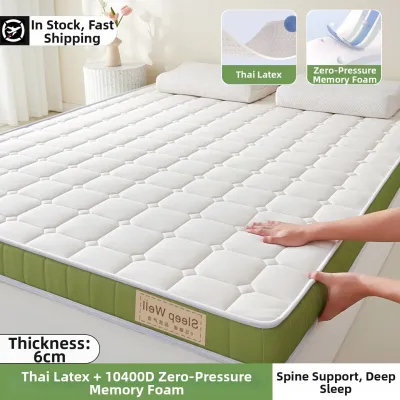
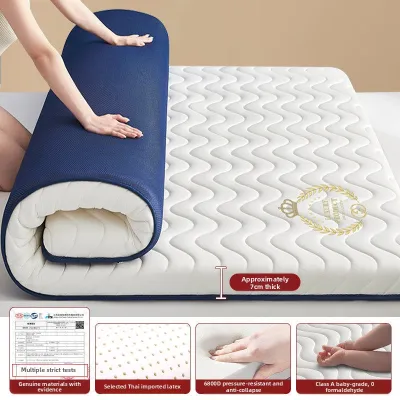
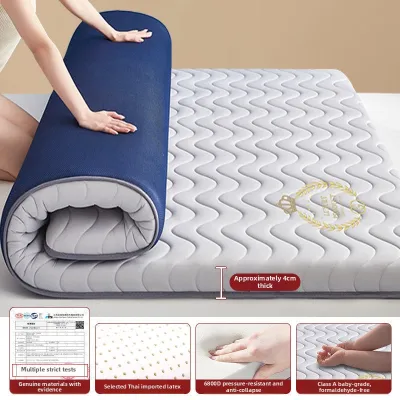
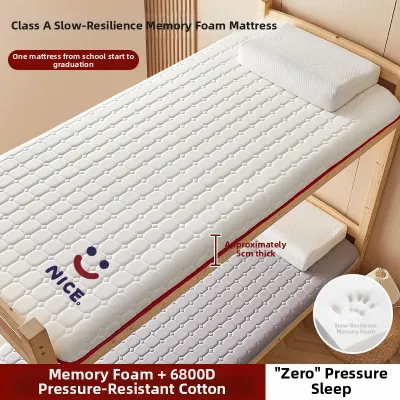
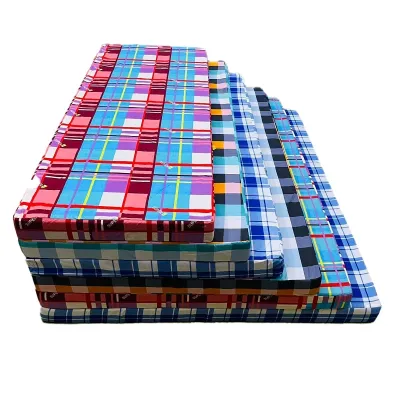
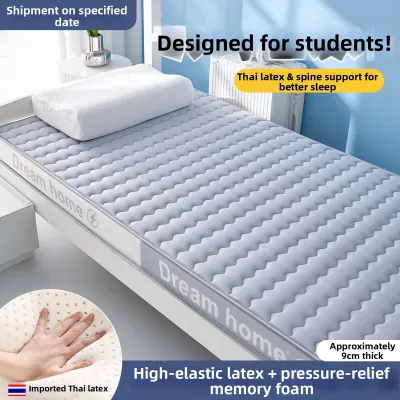

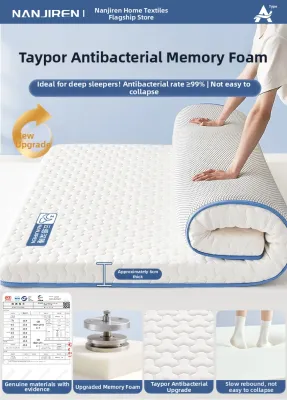
Prices are valid at publication and may change. Please refer to the product page for the latest price.

Memory Foam and Heat Retention Memory foam, or viscoelastic polyurethane foam, is famous for its pressure-relieving contouring. However, this material naturally traps heat. Because it responds to your body temperature to soften and mold to your shape, you sink deeper into the mattress. This deep sinkage reduces the surface area of your body exposed to circulating air, creating a warm pocket. Furthermore, traditional memory foam has a dense, closed-cell structure that restricts airflow. If you prefer the contouring feel of memory foam in a tropical climate, you must check the specifications for cooling modifications. Look for open-cell formulations, gel-infused layers designed to dissipate initial heat, or infusions of conductive materials like graphite or copper.
Latex Foam and Natural Ventilation Latex foam is highly regarded for its resilience and natural temperature regulation. During manufacturing, latex is molded with a pinhole pattern that creates permanent vertical air channels. This structure allows air to flow freely whenever you move. You can choose between natural latex, synthetic latex, or a blend. Natural latex, harvested from rubber tree sap, is highly durable and naturally resistant to dust mites and mold—a major benefit in humid environments. Synthetic latex is more budget-friendly but may not offer the same level of elasticity or moisture resistance. Because latex keeps you positioned on top of the mattress rather than letting you sink deeply, it maximizes skin exposure to room airflow.
Regular Polyurethane Foam and Humidity Risks Regular polyurethane foam is the most common material found in standard mattresses and promotional bundles. It is lightweight and offers moderate baseline breathability. However, its performance in a tropical climate depends heavily on its density. Low-density regular foam is highly susceptible to moisture absorption from sweat and high humidity. Over time, this moisture breaks down the chemical bonds of the foam, leading to permanent sagging and a loss of support. When evaluating regular foam, check the density rating; higher density foams will resist humidity-induced softening much better over years of use.
The Role of Thickness and Firmness The physical dimensions of your mattress also dictate how hot you will sleep. A very thick, soft mattress allows for deep sinkage, wrapping the material around your body and trapping heat. Conversely, a firmer mattress keeps your body aligned on the surface, allowing ceiling fans or air conditioning units to cool your skin efficiently.
Verifiable Specs to Check for Cooling and Breathability
When shopping for a mattress, do not rely on vague cooling promises. Instead, use this checklist of verifiable specifications to ensure your mattress can handle tropical humidity.
Evaluate the Cover Fabric The mattress cover is the only layer in direct contact with your sheets. Avoid covers made entirely of thick, tightly woven polyester, as they trap moisture and heat. Instead, look for covers woven with breathable, moisture-wicking fibers. Cotton is a reliable, natural option. Bamboo-derived rayon and Tencel (lyocell) are excellent for tropical climates because they absorb moisture efficiently and feel cool to the touch. Some premium mattresses feature specialized cooling yarns made with phase-change materials that actively absorb and release heat.
Inspect the Internal Air Channels A mattress needs internal pathways for warm air to escape. Check if the transition or support layers utilize convoluted foam, often referred to as egg-crate foam. The wavy design of convoluted foam creates physical air gaps that allow heat to travel away from the comfort layer. Zoned support systems, which feature different firmness levels across the mattress, also help maintain structural integrity while allowing air to circulate through the core.
Verify Safety and Quality Certifications High humidity can cause low-quality foams to release volatile organic compounds (VOCs) more rapidly, leading to chemical odors in your bedroom. Look for independent certifications on the product label. CertiPUR-US ensures that polyurethane foams are made without ozone depleters, heavy metals, or harmful phthalates, and have low VOC emissions. For latex and textiles, the OEKO-TEX Standard 100 certification guarantees that the product is free from harmful levels of toxic substances. While these labels do not measure cooling performance, they ensure your sleeping environment remains safe and healthy.
Review Sleep Trials and Warranty Terms Because you cannot truly test heat retention during a brief showroom sit-test, prioritize brands that offer a home sleep trial. A trial period of 90 nights or more allows you to experience how the mattress performs during the hottest months. Additionally, read the warranty terms carefully. Look for clauses regarding permanent sagging. In humid climates, foam softening is common, so ensure the warranty covers indentations of 1.5 inches or less without requiring you to pay exorbitant shipping fees for a replacement.
Navigating "Buy 1 Take 1" Promos for 2-Person Beds
Promotional bundles are highly popular in the local market, especially when looking to buy a foam for bed 2 person buy 1 take 1 package. While these deals offer excellent value on paper, they require careful evaluation to ensure you do not compromise on sleep quality.
Measure Your Space and Access Paths Before committing to a two-mattress bundle, you must verify your home’s physical dimensions. A two-person mattress, such as a Double (54″ x 75″) or Queen (60″ x 75″), takes up significant space. Ensure your bedroom can comfortably accommodate the bed frame without blocking doorways or closet doors. Furthermore, check your delivery access. Measure the height and width of your stairwells, doorways, and condominium lifts. Even if the mattresses arrive compressed in a box, you must have enough room to maneuver and unbox them safely.
Scrutinize the Promo Specifications Do not assume that both mattresses in a “buy 1 take 1” deal are identical. Retailers often bundle a premium, cooling mattress with a secondary, lower-tier model. For example, the primary mattress might feature gel-infused memory foam or breathable latex, while the “free” mattress is a basic, thin regular polyurethane foam. Ask the seller for the exact specifications, thickness, and material composition of both units. If the secondary mattress is intended for daily use by another family member, ensure it also meets the necessary cooling and support standards.
Plan for Delivery and Off-Gassing Unboxing two compressed foam mattresses at the same time requires preparation. When compressed foam is opened, it undergoes a process called off-gassing, releasing manufacturing odors. In a humid tropical environment, these odors can linger if not managed properly. Plan to unbox the mattresses in a spacious, well-ventilated room. Open all windows and run electric fans to maximize airflow. Allow the mattresses to expand fully for at least 24 to 48 hours before dressing them with bedsheets or sleeping on them.
Check the Return and Trial Policies for Bundles Standard return policies and sleep trials often change when products are purchased under a promotional campaign. Many retailers mark “buy 1 take 1” items as final sale, meaning they are ineligible for comfort exchanges or refunds. Before spending your hard-earned ₱, ask the retailer if the promotional mattresses are covered by a sleep trial. If you find that the foam sleeps too hot during humid nights, you need to know your options for returns or exchanges.
Daily Maintenance to Protect Foam in Humid Weather
The tropical climate of the Philippines presents unique challenges for mattress longevity. High humidity, sweat, and ambient moisture can quickly degrade foam if proper maintenance is neglected.
Promote Continuous Airflow To prevent moisture from settling in your mattress, ensure your bed base supports ventilation. Avoid solid plywood platforms, which trap moisture underneath the foam. Instead, use a slatted wooden or metal bed frame. The slats should be spaced close enough to support the foam without sagging, but far enough apart to allow air to circulate freely beneath the bed. Additionally, rotate your mattress 180 degrees every three to six months to distribute wear evenly and prevent localized sagging.
Use a Breathable, Waterproof Protector A high-quality mattress protector is essential for shielding your foam from sweat and humidity. However, avoid cheap plastic protectors that trap heat and make crinkling noises. Look for protectors featuring a breathable polyurethane membrane bonded to a soft fabric top, such as bamboo-derived rayon or cotton. This design prevents liquid spills and sweat from reaching the foam while allowing heat to escape.
Clean and Dry Safely If you need to clean a spill or stain, spot-clean the area immediately using a mild detergent and a damp cloth. Never saturate the foam with water or liquid cleaners. Deep moisture is incredibly difficult to dry in humid weather and can lead to internal mold growth. After spot-cleaning, use a dry towel to absorb excess moisture, and place an electric fan nearby to speed up the drying process. Always ensure the mattress is completely dry before putting your sheets back on.
Know When to Stop If you notice a persistent musty smell, visible dark spots indicating mold, or severe structural breakdown, stop using the mattress. Do not attempt to clean deep mold with harsh household chemicals like bleach, as this will destroy the foam’s cellular structure. In these cases, consult the manufacturer’s care guidelines or contact a professional mattress cleaning service to assess the damage.
Frequently Asked Questions (FAQ)
Does a thicker foam mattress always sleep hotter?
Not necessarily, but thickness plays a significant role in heat retention. Thicker mattresses often feature deeper comfort layers designed to contour closely to your body. While this provides excellent pressure relief, it also allows your body to sink further into the foam. This deep sinkage wraps the material around your sides, trapping body heat and restricting airflow. To ensure a cool sleep, do not focus solely on total thickness. Instead, verify the density, cell structure, and cooling technologies of the top comfort layers, which have the greatest impact on temperature regulation.
Can I use a standard solid bed frame for a foam mattress?
While a solid platform frame provides stable support, it is not recommended for humid tropical climates. Solid bases block airflow from the bottom of the mattress, trapping sweat and ambient moisture within the lower foam layers. Over time, this trapped moisture can lead to mold and mildew growth on the underside of your bed. To protect your investment and maintain a hygienic sleeping environment, use a slatted bed frame. Ensure the slats are spaced no more than 3 inches apart to provide adequate support while allowing continuous ventilation.
Are gel-infused memory foam mattresses actually cooler?
Gel-infused memory foam can help dissipate heat, but its cooling effect has limits. The gel beads or liquid gel layers work by absorbing initial body heat when you first lie down, creating a cool sensation. However, once the gel reaches thermal equilibrium with your body temperature, it stops absorbing heat and can begin to feel warm. For sustained cooling throughout the night, look for mattresses that combine gel infusions with an open-cell foam structure, convoluted air channels, and a highly breathable cover fabric.

Community discussion
Share your experience or ask a question. Comments are reviewed before publication.