
Moving to a new home in the Philippines, locally known as lipat bahay, is an exciting milestone that marks a fresh start. However, the process of packing up your entire life into containers can quickly become overwhelming. Traditional cardboard boxes are the standard choice for transit, but they often end up as waste or sit eyesores in your new space long after the move is complete. Transitioning to a cute storage box organizer allows you to pack your belongings securely for transport and immediately transition those same containers into stylish home decor. The challenge lies in selecting organizers that possess both the structural integrity to survive bumpy truck rides and the visual appeal to complement your new living room, bedroom, or home office.
By choosing dual-purpose storage solutions, you save money on single-use packing materials and eliminate the post-move stress of immediately unpacking every single item. Instead of rushing to hide unsightly boxes, you can take your time settling in, knowing that your temporary storage looks intentional and neat. Achieving this balance requires understanding the physical demands of a tropical move and knowing how to evaluate different storage materials, designs, and structural specifications.
What to Look for in a Dual-Purpose Storage Box
Selecting storage boxes that can successfully transition from the back of a moving truck to a prominent shelf in your new home requires looking beyond surface aesthetics. A box may look beautiful on an online listing, but it must be robust enough to withstand being stacked, lifted, and shifted during transit. When evaluating potential options, prioritize structural rigidity. Look for boxes with reinforced corners, double-walled construction, or integrated support frames. These features prevent the box from collapsing when other items are stacked on top of it in the moving vehicle, protecting both the container and the delicate items inside.
Products mentioned in this guide
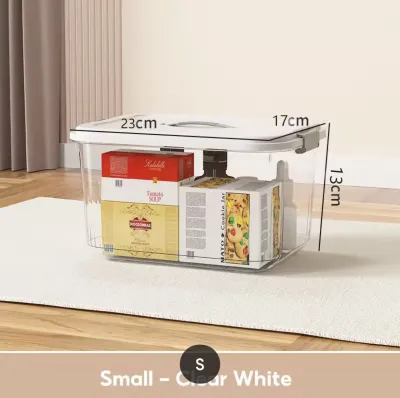
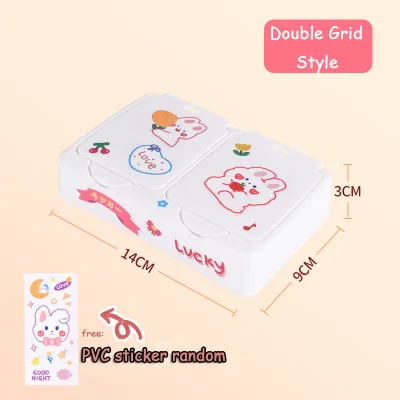
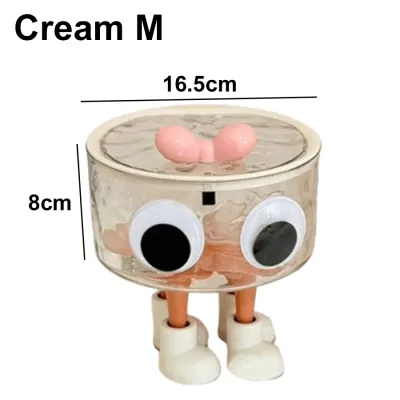
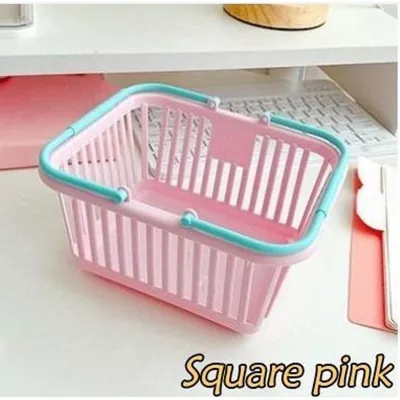
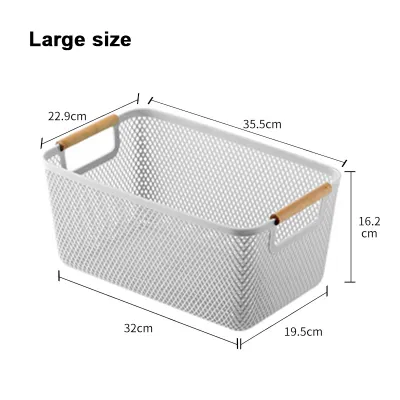
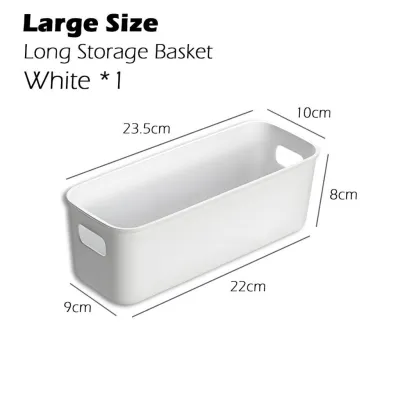
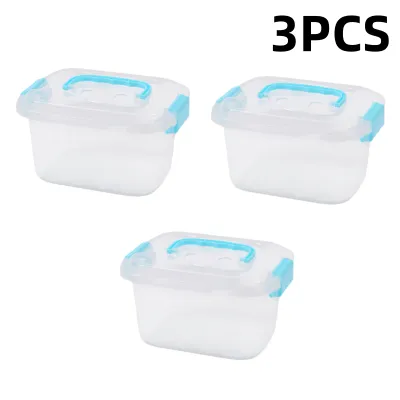
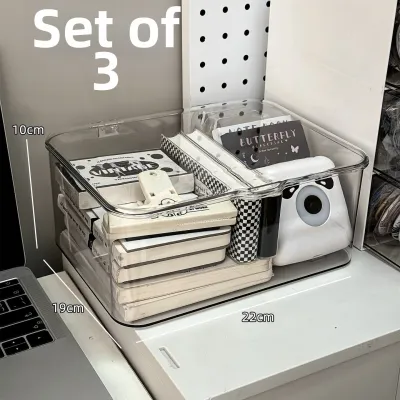
Prices are valid at publication and may change. Please refer to the product page for the latest price.
Secure lid mechanisms and ergonomic handles are equally critical for a successful move. Lids should snap, latch, or fit tightly onto the box to prevent dust, pests, and moisture from entering during transport. Interlocking lid designs are particularly useful, as they feature grooves that keep stacked boxes from sliding around when the moving truck encounters uneven roads or sudden stops. Handles should be deeply recessed or securely integrated into the main body of the box. Avoid containers with flimsy, glued-on handles that can easily tear off when loaded with heavy items. If you are moving into a condominium or a multi-story townhouse, ensure the finished dimensions of the boxes allow them to be carried easily through narrow doorways, tight stairwells, and passenger elevators.
Climate considerations are paramount when selecting storage materials in the Philippines. The tropical climate brings high relative humidity, intense summer heat, and heavy seasonal rains, all of which can severely impact stored items. High humidity levels accelerate the growth of mold and mildew, especially on organic materials. Therefore, you must evaluate how well a box handles moisture. For items that require complete protection from damp air, such as electronics, documents, or kitchenware, airtight plastic bins are ideal. For items that benefit from air circulation, such as clothing or linens, breathable fabric or woven containers are more appropriate, provided they are kept in dry environments.
Before making a purchase, always verify the product labels and manufacturer specifications rather than relying on generic material names. A material label like “heavy-duty plastic” or “natural rattan” does not automatically guarantee durability or moisture resistance. Instead, check for explicit weight capacity ratings to ensure the box can handle your intended load. Look for details regarding material treatments, such as anti-mold coatings on woven fibers or UV stabilizers in plastic bins. If you are shopping at local furniture stores or browsing online marketplaces, examine close-up photos or floor models to inspect the quality of the joints, the thickness of the walls, and the overall stability of the container.
Best Types of Cute Storage Organizers for Moving and Display
To help you choose the right containers for your move, it is helpful to categorize the most common types of aesthetic storage organizers. Each material offers distinct advantages and limitations depending on what you plan to store, how far you are moving, and where you intend to display the boxes in your new home.

Woven and Rattan-Style Baskets with Lids
Woven and rattan-style baskets are excellent for adding warmth, texture, and an organic feel to your living space. These containers are ideal for storing lightweight, bulky items such as throw blankets, extra pillows, plush toys, or living room accessories. They fit beautifully into open shelving, under console tables, or in unused corners, aligning perfectly with popular interior design styles like Scandinavian, bohemian, or the classic Filipino “Team Kahoy” aesthetic.
When preparing for a move, however, natural woven baskets require careful handling because they lack the rigid flat surfaces of plastic bins. To prevent them from being crushed in the moving vehicle, verify whether the baskets feature a built-in metal or wooden frame that maintains their shape under pressure. If they do not have an internal frame, they must be placed on the very top layer of your cargo and never stacked underneath heavier boxes. Additionally, inspect the interior of the basket before packing. Raw natural fibers can have rough edges that snag delicate fabrics like silk, lace, or knitwear. To protect your clothes, look for woven baskets that include smooth, removable, and washable fabric liners.
Maintaining these natural materials in the Philippine climate requires diligence. Natural fibers are highly susceptible to moisture absorption, which can lead to mold, mildew, and warping if left unchecked. Keep these baskets in well-ventilated rooms and away from high-humidity zones like bathrooms or kitchens. Before buying, check the manufacturer’s care instructions to see if the fibers have been treated with a protective clear coat or anti-fungal finish, which significantly improves their durability in tropical environments.
Pastel and Patterned Stackable Plastic Bins
For heavier household items that require maximum protection and secure stacking, pastel and patterned plastic bins are the most practical choice. These bins are perfect for organizing books, kitchenware, pantry supplies, or heavy tools. Unlike traditional clear or industrial black plastic crates, these decorative bins feature soft matte finishes, pastel colors (such as sage green, dusty pink, or cream), and minimalist geometric patterns. This allows them to blend seamlessly into bedrooms, home offices, or playrooms while completely hiding visual clutter.
During a move, the practicality of plastic bins is unmatched. Their flat lids and interlocking grooves allow you to stack them multiple layers high in the moving truck, maximizing cargo space. However, you must test the durability of the latches before packing. Weak latches can pop open when the bin is lifted, causing the contents to spill. Always check the manufacturer’s stated weight capacity to ensure the bottom bin in a stack does not crack under the weight of the containers above it. Molded handles should feel smooth and thick enough to distribute the weight comfortably across your hands during transport.
While plastic is highly durable and water-resistant, it has structural limits when exposed to environmental elements. Direct sunlight can cause the colors of pastel bins to fade over time and make the plastic brittle, increasing the risk of cracking. When positioning these bins in your new home, keep them away from windows that receive intense afternoon sun. Check the product specifications to see if the plastic contains UV-resistant additives, which help preserve both the color and the structural integrity of the bins over years of use.
Canvas and Fabric Storage Cubes
Canvas and fabric storage cubes offer a soft, uniform look that is perfect for organizing closets, wardrobes, and modular shelving units. They are ideal for sorting folded clothes, socks, fashion accessories, or children’s toys. Available in a wide variety of cute prints, pastel shades, and embroidered designs, these cubes make it easy to color-code your belongings and keep your shelves looking neat and organized.
For moving purposes, fabric cubes require specific packing strategies to ensure they survive the trip without losing their shape. Because they have soft sides, you must use the rigid cardboard or plastic base inserts that typically come with the product. Pack the cubes fully with soft, lightweight items to help them maintain their cubic structure during transit. Avoid overloading them with heavy items, as excessive weight can put too much pressure on the seams and cause the fabric handles to rip when lifted. Since fabric cubes cannot support weight on top of them, they should be packed side-by-side on the top layer of your moving pile or placed inside larger, rigid transit boxes.
One major limitation of standard fabric cubes is their lack of water resistance. If you are moving during the rainy season and transporting your items in an open-air vehicle, fabric cubes can easily absorb water, risking damage to the clothes inside. Always wrap fabric containers in protective plastic sheeting during transit if rain is a possibility. When shopping, check the care label to see if the fabric cover is removable and machine-washable, or if it requires spot cleaning with a damp cloth.
Packing Strategies to Protect Your Items and the Boxes
To ensure both your belongings and your aesthetic storage boxes arrive at your new home undamaged, you must employ strategic packing techniques. The way you distribute weight, protect surfaces, and secure lids determines whether your organizers will look brand new or worn out after the move.
- Distribute Weight Wisely: Always place the heaviest items at the bottom of your rigid plastic bins to establish a low center of gravity, which prevents the bin from tipping over during transit. Never exceed the manufacturer's recommended weight limit. For woven baskets and fabric cubes, keep the contents light and bulky. If you must pack heavier items in them, place a thick piece of cardboard at the bottom to distribute the pressure evenly and prevent the base from sagging.
- Protect Interior and Exterior Surfaces: Rough items can scratch the smooth plastic interiors of pastel bins or snag the delicate fibers of woven baskets. Wrap fragile or abrasive items in clean packing paper, bubble wrap, or soft towels before placing them inside. To protect the exterior of your cute boxes from getting scuffed or scratched by other cargo in the moving truck, slide them into simple protective fabric sleeves or wrap them lightly in stretch film.
- Secure Lids Without Harsh Adhesives: Standard heavy-duty packing tape is incredibly difficult to remove and often leaves a sticky, unsightly residue that can ruin the matte finish of plastic bins, tear fabric fibers, or strip the paint from decorative boxes. Instead of tape, secure your lids by wrapping the entire box in stretch wrap (cling wrap). This keeps the lid firmly in place during transport and protects the outer surface from dust and scratches without damaging the finish.
- Apply Smart Stacking Logic: When loading the moving vehicle, group your containers by material and rigidity. Place your sturdiest, heaviest plastic bins on the floor of the truck to create a stable foundation. Stack lighter plastic bins on top of them. Position your woven baskets and fabric cubes on the very top layer, or wedge them securely into side gaps where they cannot be crushed by heavier items. This systematic arrangement prevents structural damage and ensures a safer ride for your belongings.
Styling Your Storage Boxes in Your New Home
Once you arrive at your new home, the real advantage of cute storage organizers becomes clear: you do not need to unpack them immediately to make your space look presentable. With a few simple styling techniques, you can integrate these functional containers directly into your interior design.
If you are waiting for your permanent furniture to arrive, sturdy, flat-topped plastic bins can serve as temporary side tables or nightstands. Stack two identical pastel bins next to your bed or sofa, and place a small lamp or a book on top to create a functional, minimalist setup. Woven baskets can be placed in empty corners next to indoor potted plants, under entryway console tables to hold slippers, or beside the sofa to keep extra throw blankets within arm’s reach. This adds instant warmth and texture to the room, making it feel lived-in and cozy from day one.
To prevent your storage from looking like a cluttered pile, group your boxes visually using design principles. Arrange containers in odd numbers, such as groups of three, which is naturally pleasing to the eye. You can align three identical fabric cubes on a bookshelf for a clean, uniform look, or stack two woven baskets of graduating sizes in a corner to create visual interest. Keep a consistent color palette; for example, pair sage green bins with cream-colored baskets to maintain a cohesive, calming atmosphere throughout the room.
Finally, always place your storage boxes in environments that match their material limits. Keep natural woven baskets and fabric cubes in dry, well-ventilated areas like bedrooms, living rooms, or hallways. Avoid placing them in high-moisture zones like bathrooms, kitchens, or open balconies where they are exposed to humidity and rain. Conversely, keep plastic bins away from direct heat sources, such as stoves, radiators, or areas that receive intense, direct afternoon sunlight, to prevent warping, discoloration, and material degradation.
Frequently Asked Questions (FAQ)
How do I clean and maintain woven storage baskets in a humid climate?
To clean natural woven storage baskets, start by regularly removing accumulated dust from the crevices using a soft-bristled brush or a vacuum cleaner equipped with a brush attachment. If a spill occurs, wipe the affected area immediately with a clean, slightly damp microfiber cloth. Always allow the basket to air-dry completely in a well-ventilated, shaded area before placing any items back inside or putting the lid on. Never soak the basket in water or use harsh chemical cleaners, as these can degrade the natural fibers, strip protective finishes, or cause the basket to warp and mold.
Are fabric storage cubes safe for storing heavy items like books?
Standard fabric storage cubes are not designed to support heavy, dense items such as books, magazines, or metal tools. Overloading fabric cubes can cause the bottom to sag, the seams to split, and the handles to rip when you attempt to lift or move them. For heavy items, always opt for rigid plastic bins or wooden crates that have verified weight capacities. Fabric cubes are best reserved for lightweight, bulky household items like folded clothing, bed linens, towels, or plush toys, which help the cube maintain its clean, square shape without putting undue stress on the structure.

Community discussion
Share your experience or ask a question. Comments are reviewed before publication.