
A daybed frame can transform a compact condo bedroom into a versatile space that functions as both a comfortable sleeping area and a daytime lounge. However, selecting the right frame requires careful consideration of spatial constraints, structural stability, and daily usage patterns. This guide outlines the essential dimensions, configurations, and verification steps to help you choose a daybed frame that maximizes your floor plan without compromising on comfort or safety.
Evaluating Your Space: Is a Daybed Frame the Right Fit?
Living in a high-rise condominium in metropolitan areas of the Philippines often means working with limited square footage. When furnishing a small bedroom, you must decide how to balance sleeping comfort with daytime utility. A traditional bed frame permanently claims a large portion of the room, leaving little space for a desk, wardrobe, or movement. A fold-out sofa bed offers dual-use functionality but requires daily physical effort to convert, and the folding mechanisms can wear down or feel uncomfortable over time.
A daybed frame serves as a practical middle ground by maintaining a fixed, supportive mattress platform while featuring a three-sided frame that mimics a sofa back and arms. This design allows you to push the bed flush against a wall, freeing up central floor space during the day. It is particularly suitable if your bedroom also serves as a home office, a study, or an occasional guest room.
Products mentioned in this guide

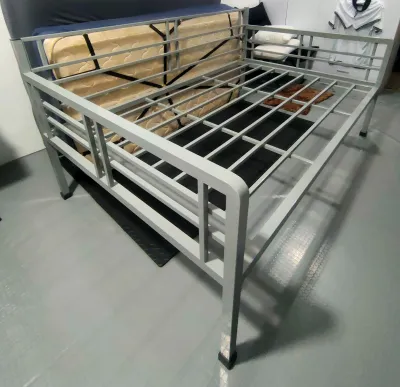

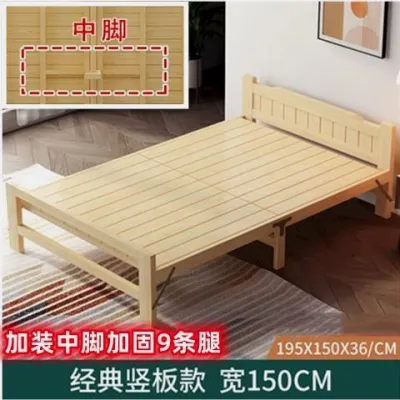
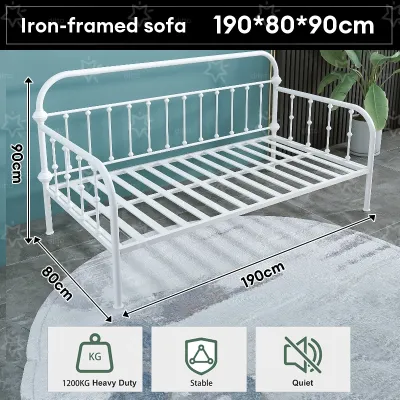

Prices are valid at publication and may change. Please refer to the product page for the latest price.
However, daybeds do come with specific trade-offs. Because three sides of the bed are enclosed by the frame, air circulation around the mattress can be more restricted than on an open platform bed. In humid tropical climates, this reduced airflow requires proactive mattress maintenance to prevent moisture buildup. Additionally, the high back and side panels can create a visual block if placed directly in front of a window, potentially reducing natural light in an already compact room.
Key Dimensions and Clearance Requirements
Before browsing online marketplaces or local furniture showrooms, you must establish the exact physical boundaries of your bedroom. Standard single daybed frames typically accommodate a mattress measuring 36 inches by 75 inches, while semi-double or double variations require a wider footprint. However, the outer dimensions of the frame itself will always be larger than the mattress size. A wooden frame with thick armrests or a metal frame with decorative scrollwork can add several inches to both the length and width, which can be critical in a tight corner.

Clearance is the most common oversight when installing a daybed in a small condo. If you select a model with a pull-out trundle or integrated storage drawers, you must measure the floor space directly in front of the bed. A trundle bed requires an additional clear area equal to the width of a single mattress—typically another 36 inches—plus at least 12 inches of walking space to allow you to access the secondary bed. Drawers generally require 18 to 24 inches of clearance to pull open fully without hitting other furniture.
You must also map out the swing paths of all doors in the room. Ensure the daybed frame does not obstruct the entry door, wardrobe doors, or balcony access. If your condo features built-in sliding wardrobe doors, verify that the frame does not block the tracks or prevent you from reaching your clothes.
Do not rely solely on the developer’s original floor plan, as actual wall-to-wall measurements can vary due to plastering, baseboards, or structural columns. Use a physical tape measure to check the specific wall where you plan to place the daybed. Take measurements at three different heights—floor level, waist height, and shoulder height—to account for any uneven walls or protruding electrical outlets that might prevent the frame from sitting flush.
Daybed Configurations for Different Condo Needs
Daybed frames are available in several distinct configurations, each designed to address specific spatial challenges. Choosing the right style depends on whether your primary need is hosting overnight guests, maximizing storage, or maintaining an airy, uncluttered aesthetic. Every added feature, however, introduces a trade-off in terms of weight, assembly complexity, and visual impact.
Trundle Daybeds for Occasional Guests
A trundle daybed is an excellent solution for condo dwellers who occasionally host family members or friends but do not want a permanent second bed taking up floor space. The secondary bed frame sits on wheels and slides completely underneath the main daybed when not in use.
To ensure smooth operation, you must evaluate your flooring material. If your condo has laminate wood or vinyl plank flooring, look for trundle frames equipped with soft, non-marking rubber caster wheels to prevent scratching. For carpeted floors, larger, hard plastic casters are necessary to reduce friction when pulling the trundle out.
The most critical constraint of a trundle system is the mattress thickness limit for the lower bed. Most trundle frames only allow for a mattress height of 5 to 6 inches. If you use a thicker mattress, the trundle will jam against the underside of the main frame, preventing it from closing. Always verify this clearance specification on the manufacturer’s product sheet before purchasing a mattress for the lower unit.
Storage Daybeds with Built-In Drawers
For condos lacking built-in closet space, a storage daybed utilizes the often-wasted area beneath the mattress platform. These frames feature integrated drawers that are ideal for storing extra bed linens, seasonal clothing, or personal items.
When choosing a storage daybed, consider the drawer layout. Side-loading drawers require ample clearance along the length of the bed, while front-loading drawers pull out from the foot of the bed. Front-loading options can be highly practical if the side of your bed is positioned close to a wall or a desk.
Because storage drawers can become heavy when filled with heavy textiles, inspect the drawer glide mechanism. Look for frames that utilize metal ball-bearing drawer slides rather than simple plastic runners, as metal glides distribute weight more evenly and prevent the drawers from sagging or sticking over time. Ensure the drawer bases are made of thick plywood or solid wood rather than thin fiberboard, which can warp under the weight of heavy items in humid conditions.
Open-Frame and Minimalist Designs
If your primary goal is to make a small bedroom feel larger, an open-frame or minimalist daybed is often the most effective choice. These designs typically feature slender metal or wooden spindles and lack solid side panels, allowing light to pass through and creating an illusion of spaciousness.
An open bottom space also facilitates better airflow around the mattress, which is highly beneficial in tropical climates where humidity can lead to mold or musty odors. It also makes cleaning much easier, allowing vacuum cleaners or dust mops to reach underneath the bed without obstacle. If you later decide you need storage, you can use independent, breathable fabric bins that can be removed or rearranged easily.
However, minimalist frames require careful structural inspection. Because they lack the solid box-like structure of storage models, they must feature robust center support legs. A quality single-size open frame should have at least one, and preferably two, adjustable center legs to prevent the slats from sagging in the middle under weight.
Material, Build, and Stability Checks
A daybed frame must be structurally sound to handle both daytime lounging and nighttime sleeping. Before making a purchase, you should systematically verify the build quality and materials of the frame to ensure long-term durability and safety.
Start by checking the manufacturer’s stated weight capacity. This limit must accommodate the combined weight of the mattress, bedding, and all users. For a single daybed, a minimum weight capacity of 250 to 300 pounds (approximately 113 to 136 kilograms) is recommended for a single sleeper. If you plan to use the daybed as a sofa where multiple people will sit simultaneously during the day, look for a frame rated for at least 400 to 500 pounds (approximately 181 to 226 kilograms).
Examine the joint construction of the frame. For wooden daybeds, look for mortise-and-tenon joinery or heavy-duty metal corner brackets secured with bolts rather than simple wood screws. For metal frames, inspect the welds at the corners and support joints; they should be smooth, continuous, and free of pinholes or cracks. Avoid frames that rely solely on thin metal tabs that slot together without bolts, as these tend to loosen and squeak over time.
The mattress support system is equally important. Slat spacing should be close enough to support the mattress without a box spring. For foam or pocket spring mattresses, the gap between slats should not exceed 3 inches. Wider gaps can cause the mattress to sag, leading to premature wear and a lack of support.
Finally, inspect the surface finishes and edge treatments. In a small condo bedroom where walking paths are narrow, you are highly likely to brush against the corners of the bed. Ensure all wooden edges are rounded or chamfered, and metal edges are completely deburred. If the frame is painted or varnished, check that the finish is smooth and non-tacky, which helps prevent snagging on delicate clothing or bedding.
Mattress Sizing and Bedding Compatibility
Achieving both comfort and a polished look requires selecting the correct mattress and bedding accessories that align with your daybed frame’s specifications.
Most daybed frames sold in the Philippines are designed to fit standard single mattresses measuring 36 inches by 75 inches (91 cm by 190 cm). However, some imported frames may follow European or American sizing, which can be slightly wider or longer. Always measure the interior dimensions of the frame’s mattress well before purchasing a mattress. For the main bed, a mattress thickness of 8 to 10 inches is generally ideal; anything thicker may obscure the backrest and make the seating height uncomfortably high for daytime use.
Standard bed sheets and blankets often look untidy on a daybed because the frame’s three-sided structure prevents the bedding from hanging down naturally on all sides. To maintain a neat, sofa-like appearance during the day, consider using a tailored daybed coverlet or a fitted mattress protector. These covers are designed with slits at the back corners to accommodate the frame’s posts, allowing the fabric to lay flat without bunching.
You must also verify if your chosen frame requires a bunkie board or if the built-in slat system is sufficient. A bunkie board is a thin, fabric-covered wooden platform that provides a flat, solid surface for foam mattresses without adding the height of a traditional box spring. If your daybed frame has widely spaced metal or wooden slats, adding a bunkie board can prevent mattress sagging and improve overall comfort.
Pre-Purchase Measurement and Delivery Checklist
Even the most suitable daybed frame is of no use if it cannot be delivered into your condo unit. Before finalizing your order, you must perform a thorough logistical check to prevent delivery day complications.
Begin by measuring the entire delivery path from the building’s unloading bay to your bedroom. Measure the height, width, and diagonal clearance of the condo elevator doors and the interior cabin. If the frame is delivered in a single, large box or as a pre-assembled unit, it must fit comfortably inside the elevator. If your building does not have a service elevator, or if the item is too large, you must measure the stairwell turns and ceiling clearances to ensure the delivery team can carry it up manually.
Next, measure the width of your unit’s main entrance door, hallway corners, and the bedroom door. A narrow hallway with a sharp 90-degree turn can easily block a long headboard or side panel from entering the room.
Review the assembly requirements of the daybed. Some frames, particularly those with integrated bookcases or high canopy structures, require significant vertical clearance to assemble. Ensure your bedroom’s ceiling height allows you to lift and secure the top pieces safely. If you are assembling the frame yourself, verify that all necessary tools are included or that you have the correct screwdrivers and hex keys on hand.
Finally, carefully read the retailer’s return policy and warranty terms. Confirm how they handle structural defects, damaged parts, or missing hardware. Because flat-pack furniture can occasionally arrive with minor transit damage, knowing the exchange process beforehand will save you time and frustration.
Frequently Asked Questions (FAQ)
Can I use a regular single mattress on a daybed frame?
Yes, most daybed frames are designed to accommodate a standard single mattress measuring 36 inches by 75 inches. However, you must check the frame’s specific interior dimensions, as some imported models may require non-standard sizes. For the main sleeping surface, a mattress thickness of 8 to 10 inches is recommended to ensure comfortable seating and to keep the backrest visible. If your daybed has a pull-out trundle, the lower mattress must typically be much thinner—usually between 5 and 6 inches—to allow the trundle to slide smoothly underneath the main frame without jamming.
How do I prevent a daybed frame from squeaking over time?
To prevent or eliminate squeaking, regularly inspect and tighten all bolts, screws, and joint connections, as daily use can cause them to loosen slightly. For wooden frames, applying a small amount of paraffin wax or candle wax to the areas where wooden slats meet the frame can reduce friction-induced noise. For metal frames, ensure that all washers are properly installed at connection points, and consider applying a silicone-based lubricant to the joints. Placing small felt pads between the slats and the frame’s support rails can also absorb movement and prevent squeaking.

Community discussion
Share your experience or ask a question. Comments are reviewed before publication.