
Selecting the right Decathlon air bed for a compact condominium bedroom in the Philippines requires a careful balance between sleeping comfort, inflated dimensions, and storage efficiency. In dense urban areas where condo bedrooms often feature limited square footage, a standard permanent bed can overwhelm the room and restrict daily movement. Temporary inflatable bedding offers an elegant solution, allowing you to transform a home office or living area into a guest room within minutes. However, because air beds vary significantly in height, inflation mechanisms, and folded footprints, finding the ideal model involves analyzing your specific spatial constraints and usage patterns. By focusing on how a mattress fits both when fully inflated and when packed away, you can maximize your living space without sacrificing a good night’s sleep.
Assessing Your Condo Bedroom Space and Usage Needs
Before browsing the aisles of a Decathlon store or checking their online catalog, you must establish the precise physical boundaries of your bedroom. Begin by measuring the clear floor dimensions of the area where you plan to deploy the air bed. It is not enough to simply match the mattress dimensions to an empty patch of floor; you must also account for walking paths, door swings, wardrobe openings, and the placement of existing furniture. A mattress that blocks a bathroom door or prevents a closet from opening fully will quickly become a daily frustration. Aim to maintain a clearance of at least 60 centimeters around the sides of the bed to allow for comfortable movement and easy bed-making.
Your intended usage frequency is another critical factor that dictates the type of air bed you should select. If you host overnight guests only a few times a year, a basic, highly compact model that can be tucked away in a small drawer is often the most practical choice. Conversely, if you are using the air bed as a temporary daily sleeping arrangement during a transition period or home renovation, you will want to prioritize structural support, ease of daily inflation, and a more substantial bed height. Frequent use subjects the seams and valves to continuous stress, making it necessary to inspect the product specifications for robust construction.
Products mentioned in this guide
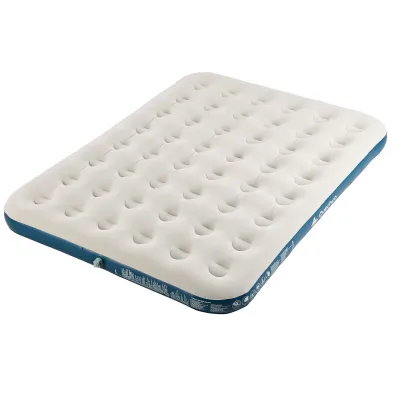
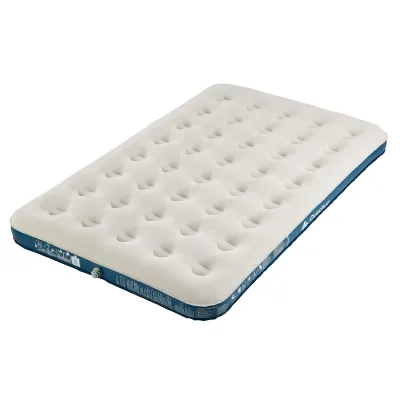
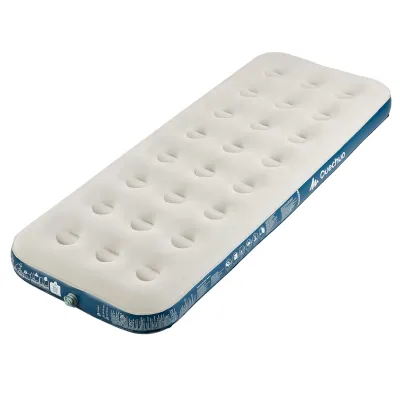
Prices are valid at publication and may change. Please refer to the product page for the latest price.
Storage limitations within Philippine condo units are notoriously tight, with many apartments lacking dedicated linen closets or spacious utility rooms. Therefore, you must evaluate where the deflated air bed will reside when it is not in use. Measure your available storage spaces, such as closet shelves, under-bed clearance beneath your primary bed frame, or vertical cabinet gaps. Decathlon provides folded dimensions for their air beds and sleeping mats, which you should cross-reference with your storage measurements before making a purchase. Choosing a model that folds down into a compact carry bag ensures that your temporary bedding solution does not turn into permanent closet clutter.
Key Features for Air Beds in Compact Spaces
When evaluating air beds for tight quarters, the inflation and deflation mechanism plays a pivotal role in both convenience and storage volume. Models featuring built-in electric pumps offer the ultimate convenience, inflating the mattress in a matter of minutes with the flip of a switch. However, these integrated pumps add physical bulk and weight to the mattress when it is deflated and folded, requiring significantly more storage space. If your storage is exceptionally limited, an air bed that utilizes an external hand pump, foot pump, or a compact rechargeable pump is often a superior choice. These external options allow the mattress itself to fold down much flatter, fitting easily into shallow drawers or tight shelves.

The height and overall profile of the air bed also influence how spacious your condo bedroom feels. Low-profile air beds, which typically sit between 10 to 20 centimeters off the floor, keep the visual lines of the room low, making a small space feel more open and less cramped. They are also lighter and easier to fold. On the other hand, raised air beds—often measuring 40 centimeters or more in height—mimic the feel of a traditional mattress and make getting in and out of bed much easier, which is a key consideration for guests with mobility concerns. You must weigh this physical accessibility against the visual weight and increased storage footprint of a taller bed.
Material thickness and puncture resistance are vital specifications to verify, especially when placing an air bed directly on hard condo flooring such as ceramic tile, polished concrete, or vinyl planks. Look for heavy-duty PVC or thermoplastic polyurethane (TPU) construction, and check the manufacturer’s product details for reinforced bases. A thicker base material helps protect the mattress from microscopic debris on the floor that could cause slow leaks over time. Additionally, pay close attention to the manufacturer’s stated weight capacity and structural support systems, such as internal coil-beam or wave-beam construction, which help distribute body weight evenly and prevent the mattress from sagging or tipping when you sit near the edge.
Evaluating Decathlon Air Bed Types for Small Rooms
Decathlon offers several categories of inflatable sleeping surfaces, each presenting distinct advantages and trade-offs for condo dwellers. Self-inflating camping mattresses, often found in their outdoor and hiking sections, represent an exceptionally space-efficient option. These mats utilize an open-cell foam core that expands automatically when the valve is opened, requiring only a few manual breaths to reach full firmness. Because they are designed for backpacking and camping, they roll up into incredibly tight cylinders and offer a firm, supportive sleep surface. However, they are generally much thinner than standard air beds, which may not appeal to sleepers who prefer a plush, traditional mattress feel.
Standard PVC air beds represent the more traditional inflatable option, providing a thicker air cushion that elevates the sleeper well off the floor. Within this category, you will find models designed for manual inflation as well as those with integrated electric pumps. While the manual-inflation models require you to purchase and store a separate pump, they offer a highly flexible and compact storage footprint. The models with built-in pumps are highly convenient for quick setups in a living room or bedroom but require a nearby electrical outlet and demand more closet space when packed away.
The surface texture of the air bed is another detail that affects both comfort and maintenance in a small room. Flocked-top surfaces feature a soft, velvet-like fabric layer that helps keep fitted sheets securely in place and prevents the plastic squeaking noises associated with turning over in bed. However, in the warm and humid climate of the Philippines, flocked surfaces can trap dust and require careful vacuuming or spot cleaning. Smooth-top PVC or TPU models are much easier to wipe clean with a damp cloth, making them highly hygienic, but they typically require a mattress protector or a tightly fitted sheet to prevent sheets from slipping off during the night.
When finalizing your decision, it is highly recommended to visit a local Decathlon store in the Philippines to inspect the packed sizes and material textures in person. Because inventory and product lines can vary, check their official online store or mobile application to verify current availability and compare price tags in ₱. This ensures you select a model that fits your budget while confirming that the physical dimensions of the packed box align with your designated storage space at home.
Setup, Storage, and Maintenance for Condo Living
To ensure your air bed provides reliable comfort and lasts for years, proper setup and maintenance routines are essential. When inflating the bed, aim for a level of firmness that supports your body without over-stretching the seams. Over-inflation is a primary cause of premature seam failure and slow leaks, especially when the ambient temperature rises. A properly inflated air bed should have a slight amount of give when you press down on the center with both hands. If the mattress feels too firm or begins to balloon at the edges, release a small amount of air to relieve pressure on the internal structures.
Deflation and folding require a systematic approach to minimize the stored volume and protect the material. Open the valves fully and allow the air to escape naturally before applying gentle pressure to expel the remaining air. Fold the mattress according to the manufacturer’s instructions, typically folding the outer edges inward toward the center before rolling it tightly toward the open valve. Avoid sharp creases or forcing the mattress into a storage bag that is too small, as tight folds can weaken the PVC over time and lead to pinhole leaks along the fold lines.
Protecting the underside of the air bed is crucial when using it on hard condo floors. Placing a soft rug, a clean groundsheet, or a thin foam mat beneath the air bed acts as a protective barrier against friction and cold drafts from tiled floors. To enhance sleeping comfort in tropical conditions, consider placing a breathable cotton mattress topper or a thick quilted protector over the top surface. This layer not only absorbs perspiration in warm weather but also adds an extra level of plushness, making the air bed feel much more like a traditional permanent bed.
Finally, establish a routine inspection habit before storing your air bed for extended periods. Check the valve seals for dust or debris that could prevent a tight seal, and wipe down the entire surface with a mild soap solution if it has accumulated sweat or dust. Ensure the mattress is completely dry before folding it away, as storing a damp synthetic mattress in a closed closet can quickly lead to unpleasant odors and material degradation.
Frequently Asked Questions (FAQ)
Can I leave an air bed inflated permanently in a small bedroom?
Leaving an air bed permanently inflated is generally not recommended for long-term residential use. PVC and other synthetic materials naturally stretch under continuous pressure, which causes the mattress to lose firmness over time and requires frequent top-ups. Additionally, daily temperature fluctuations in a condo—especially when transitioning between air conditioning and natural tropical heat—cause the air inside the mattress to expand and contract, putting constant stress on the welded seams. Over time, this continuous tension can lead to seam separation, structural distortion, or slow leaks. If you must use an air bed for an extended period, it is best to deflate it partially when not in use to relieve pressure on the seams and extend the lifespan of the mattress.
How do I prevent mold on an air bed in a humid climate?
Preventing mold growth on an air bed in the humid climate of the Philippines requires proactive moisture management. Never pack or store the mattress while it is damp from cleaning, humidity, or perspiration; always allow it to air dry completely in a well-ventilated room out of direct sunlight. When the bed is in use, avoid placing it directly on cold tiled floors without a breathable barrier like a rug or mat, as the temperature difference can cause condensation to form underneath the mattress. Regularly wash all bedding, mattress protectors, and toppers used with the air bed. If you notice any dampness on the flocked surface, wipe it down with a diluted vinegar solution and ensure the room is well-ventilated or dehumidified to keep the environment dry.
Do built-in pumps make air beds harder to store?
Yes, built-in electric pumps significantly increase the folded storage footprint and overall weight of an air bed. The plastic housing of an integrated pump cannot compress, creating a rigid, bulky section within the folded mattress that prevents it from being rolled into a highly compact shape. If your condo has extremely limited closet or shelf space, a model that utilizes an external manual pump or a small, separate rechargeable electric pump is a much more space-efficient choice. These external pump models allow the PVC mattress to fold completely flat, making them much easier to slide into shallow drawers, pack into tight storage bins, or store on high closet shelves where space is at a premium.

Community discussion
Share your experience or ask a question. Comments are reviewed before publication.