
To find a comfortable large family sofa for daily use in the Philippines, prioritize breathable upholstery fabrics, high-resilience cushion foam that resists sagging under high humidity, and ergonomic dimensions that accommodate various family members. A sofa in a tropical household is a high-traffic hub where family members lounge, work, and rest. Balancing these physical specifications with the realities of a warm, humid climate ensures your investment remains supportive and inviting for years.
Evaluating specifications like seat depth, cushion density, and fabric weave before purchasing helps prevent common issues like heat retention and premature sagging. Additionally, understanding how to coordinate your main seating with a matching comfortable sofa chair can expand your living room’s layout while ensuring everyone has a supportive place to sit.
Seat Depth and Height: Finding the Right Fit for Everyone
When selecting a sofa for a multi-generational household, seat dimensions determine whether everyone can sit comfortably without physical strain. The seat depth—the distance from the front edge of the cushion to the backrest—should ideally allow a seated person to rest their back fully while leaving a small gap of about two to three fingers between the edge of the seat and the back of their knees. If the seat is too deep, shorter family members will find their legs dangling or be forced to slouch, which places unnecessary pressure on the lower back.
Products mentioned in this guide
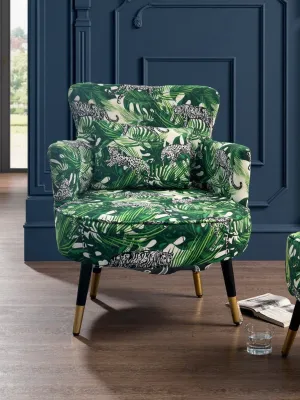
Prices are valid at publication and may change. Please refer to the product page for the latest price.
Seat height is equally critical for daily comfort and accessibility. A seat height that is too low makes standing up difficult, particularly for older family members or those with joint sensitivity. When planning your living room layout, compare the sofa’s seat height with your coffee table; the table should ideally sit at the same height or slightly lower than the cushions to maintain easy reach. For households with significant height differences, choosing a modular sectional with varying seat depths or adding a coordinating comfortable sofa chair allows everyone to find their ideal seating posture.
Cushion Density and Fill: Checking Support for Daily Use
The longevity of a family sofa depends heavily on what lies beneath the fabric. It is important to distinguish between cushion density, which measures the weight of the foam per cubic foot and dictates long-term support, and firmness, which is simply the initial surface feel. A cushion can feel soft to the touch but still possess a high-density core that prevents it from flattening out over months of heavy use.

When reviewing product specifications, look for high-resilience (HR) foam bases wrapped in polyester fiber or down-alternative layers. This combination provides a plush initial feel while maintaining structural integrity. Some models incorporate pocket springs within the foam core, offering responsive support similar to a high-quality mattress.
To evaluate a sofa in a showroom, perform a simple “bottoming out” test by sitting down firmly; you should not feel the hard wooden frame underneath the cushion. Additionally, check the manufacturer’s warranty terms to see if they explicitly cover cushion sagging or foam deformation over a set period, as this indicates confidence in the materials used.
Fabric Breathability and Care: Adapting to the Tropical Climate
In the warm and humid Philippine climate, fabric selection directly influences daily comfort. Heavy, tightly woven synthetic fabrics can trap body heat and moisture, leading to a sticky, uncomfortable seating experience during the hotter months. Instead, look for fabrics with an open, breathable weave or natural-synthetic blends, such as linen-polyester mixes, which offer the airflow of natural fibers alongside the durability of synthetics.
For busy households with children or pets, fabric care is just as vital as breathability. Before purchasing, verify the manufacturer’s cleaning codes—typically labeled as W (water-based cleaners), S (solvents), or WS (both). Opting for fabrics treated with water-resistant or stain-resistant finishes can prevent spills from soaking into the fibers, allowing you to wipe away messes before they set.
Given the high humidity levels that can encourage mustiness, prioritize sofas that feature fully removable and machine-washable cushion covers. Being able to unzip and wash the covers locally helps maintain hygiene, eliminates odors, and keeps the living room environment fresh and healthy throughout the year.
Armrest and Backrest Angles: Evaluating Everyday Ergonomics
The angles of the backrest and armrests dictate how well a sofa supports natural lounging postures during extended movie nights or afternoon rests. A backrest with a slight recline—typically between 100 and 110 degrees—helps distribute body weight evenly and reduces pressure on the spine. Ensure the backrest is tall enough to support the shoulders, and consider using lumbar pillows to fill the gap at the lower back for personalized comfort.
Armrests serve multiple functions in a lively household, acting as elbow rests, tablet supports, or even makeshift pillows. Wide, flat, and generously padded armrests are ideal if family members enjoy napping on the sofa or need a stable surface to rest mobile devices. If the armrests are high and hard, they can cause neck strain during long periods of lounging.
If you are considering a reclining model, test the transition from an upright position to a full recline. The mechanism should operate smoothly without sudden jerks, whether it is a manual latch or a powered button. Ensure there is enough clearance behind the sofa so the backrest can recline fully without hitting the living room wall.
Pre-Purchase Checks: Space, Layout, and Delivery Constraints
A sofa can only provide comfort if it fits harmoniously within your home without blocking essential pathways. Measure your living room footprint carefully, leaving at least 75 to 90 centimeters of walkway space around the sofa to ensure smooth foot traffic and adequate airflow. In tropical climates, keeping a small gap between the sofa and the wall helps prevent moisture buildup and allows air to circulate freely.
Delivery logistics are a common bottleneck for large furniture pieces. Before finalizing your order, measure the width and height of all entryways, including front doors, narrow hallways, stairwells, and elevator cabins. If you live in a high-rise condominium, check the building’s service elevator dimensions to ensure the sofa frame can be transported safely to your floor without damage.
Finally, consider the sofa’s leg material and overall weight. Heavy solid wood or metal frames require sturdy legs equipped with felt pads or rubber glides to protect your flooring—whether it is delicate hardwood, laminate, or polished tile—from scratches and indentations over time.
Frequently Asked Questions (FAQ)
How do I test a sofa's comfort if I am buying online?
When purchasing online, request detailed dimension diagrams and specific foam density ratings from the seller to verify the sofa’s physical proportions. Carefully review the store’s return policy, looking for home trial periods and clarifying who covers the return shipping fees for bulky items. Additionally, read verified customer reviews, paying close attention to comments regarding long-term cushion sagging, fabric heat retention, or premature pilling.
Is a firm or soft sofa better for daily family use?
For a busy, multi-user household, a medium-firm sofa is generally the better choice. Medium-firm cushions provide superior spinal alignment and make it easier to stand up, while resisting the rapid wear that plagues overly soft models. Very soft sofas often rely on low-density foam that loses its shape and support within a few years. You can easily introduce customizable softness to a supportive, high-density base by adding plush, washable throw pillows.

Community discussion
Share your experience or ask a question. Comments are reviewed before publication.