
When shopping for an ergonomic chair in the ₱3,000 to ₱15,000 price range, the office chair base is often overlooked in favor of mesh backs or adjustable armrests. However, the base is the foundation of the entire chair’s stability, safety, and mobility. A poorly constructed base can lead to wobbling, tipping, or structural failure. To make an informed decision, you need to understand how base design, materials like nylon and aluminum, and floor-friendly casters work together to support your daily workflow.
Why the 5-Star Office Chair Base is the Ergonomic Standard
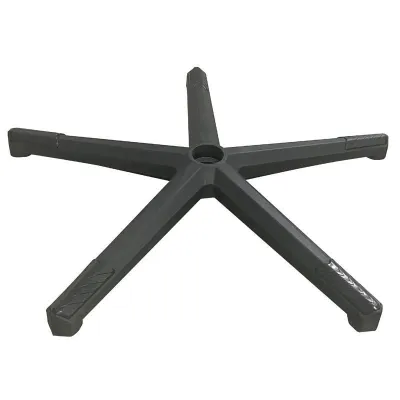
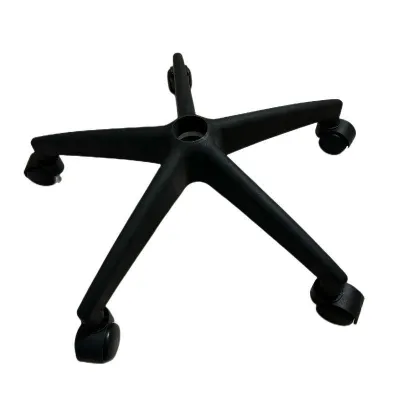
The five-star design is the universal standard for modern office chairs. The physics of a five-point base provide a practical balance between stability and mobility. When you recline, swivel, or lean forward, your center of gravity shifts. A five-star configuration ensures that at least two contact points always support your weight distribution, preventing the chair from tipping over.
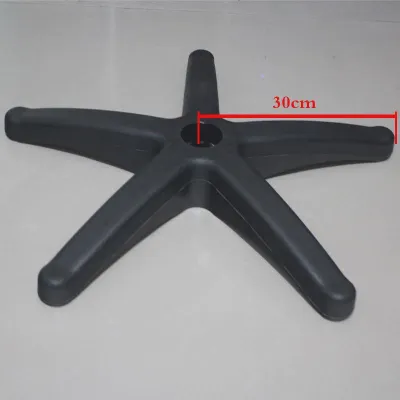
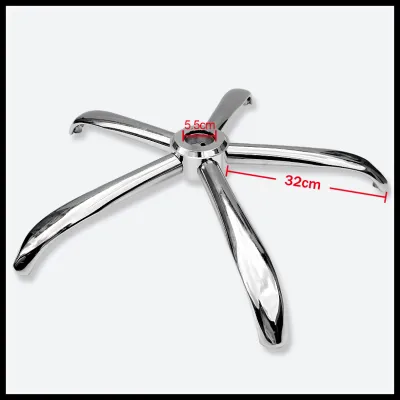
The diameter of the base and the thickness of its legs also play a critical role in overall weight capacity and posture support. A wider base diameter, typically ranging from 600mm to 700mm, provides a larger footprint that enhances stability during deep reclines. Thicker legs prevent structural flexing under load, ensuring that the gas lift cylinder remains vertical. If the base flexes, the cylinder tilts, which can cause uneven wear on the internal seals and lead to a shaky seat.
Products mentioned in this guide
Prices are valid at publication and may change. Please refer to the product page for the latest price.
In contrast, three-star or four-star bases are generally unsuitable for dynamic ergonomic task chairs. While they might work for static lounge chairs, they lack the necessary tipping resistance required for active movement. When you lean back or roll across the floor on a four-star base, the risk of tipping increases because the wider angles between the legs leave larger zones of instability.
Decoding Base Materials: Nylon vs. Aluminum in the ₱3,000–₱15,000 Range
Within the ₱3,000 to ₱15,000 price bracket, you will primarily encounter two base materials: nylon and aluminum alloy. Each material has distinct characteristics, advantages, and price points that suit different user needs.

Nylon or reinforced plastic bases are common in the entry-to-mid tier of ergonomic chairs, typically ranging from ₱3,000 to ₱8,000. High-quality nylon bases are lightweight, flexible, and highly resistant to rust. This rust-resistant nature is highly advantageous in tropical climates with high humidity, where metal components might corrode over time. When evaluating a nylon base, look for indicators of glass-fiber reinforcement on the product specifications or labels. Glass-filled nylon significantly increases the tensile strength and rigidity of the base, preventing the legs from sagging or cracking under long-term use.
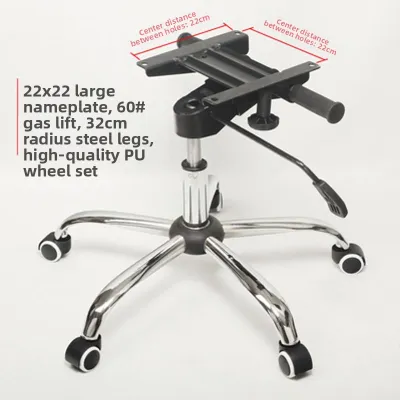
Aluminum or metal bases are more frequently found in the mid-to-high tier, spanning from ₱8,000 to ₱15,000. These bases offer a heavier, more premium aesthetic and exceptional structural rigidity. Because aluminum is a dense metal, it lowers the chair’s overall center of gravity, making the entire unit feel more grounded and secure. When inspecting an aluminum base, perform a visual check for smooth welding joints and an even finish, whether it is polished aluminum or powder-coated. Rough welds or uneven coatings can indicate lower manufacturing standards, which might compromise the metal’s integrity.
Wooden bases are exceptionally rare in true ergonomic task chairs. Wood lacks the structural flexibility and precision molding capabilities of nylon or aluminum, and it can warp or split when exposed to fluctuating humidity levels, making it impractical for modern, dynamic home offices.
Regardless of the material, you should avoid assuming a base’s strength solely by its appearance. Verify the manufacturer’s stated weight limit on the product label or user manual to ensure it safely accommodates your body weight and daily usage patterns.
Casters and Mobility: Matching Your Base to the Floor Type
An office chair base is only as mobile as the casters attached to it. Choosing the right casters is essential for protecting your flooring and ensuring smooth, quiet movement across your workspace.
Hard casters, usually made of hard nylon or plastic, are designed specifically for carpeted floors. However, if used on hard surfaces like ceramic tiles, hardwood, or laminate, they can cause significant damage. They tend to slide rather than roll, which can scratch delicate wood finishes, crack tile grout, and generate a loud, distracting scraping noise.
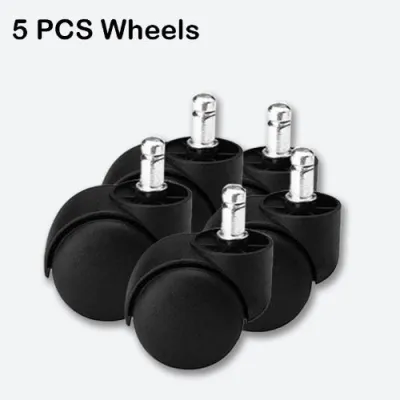
Soft casters, typically coated with polyurethane (PU) or rubber, are a practical choice for hard flooring surfaces. The soft outer layer provides excellent grip, allowing the wheels to roll smoothly and quietly without leaving scuff marks or scratches. For many homes in the Philippines, where tiled or polished concrete floors are common, soft PU casters are highly recommended to maintain floor integrity and minimize noise.
When purchasing a chair, check the caster stem size, which is the metal pin that inserts into the base. The standard stem size is typically 11mm in diameter and 22mm in length. Verifying this specification ensures that you can easily source and install aftermarket replacement casters, such as rollerblade-style wheels, if the stock casters do not match your flooring needs.
Pre-Purchase and Assembly Inspection Checklist
Before finalizing your purchase or during assembly, taking a few minutes to inspect the base can reduce the risk of safety hazards and return hassles.
First, conduct a thorough visual inspection of the base. Look closely for molding defects, hairline cracks, or air bubbles in nylon bases, and check for uneven welding joints, sharp edges, or signs of corrosion in metal bases. Any visible defect in the structure of the legs can become a point of failure under pressure.
Second, test the fit of the gas lift cylinder within the base’s center hole. The cylinder should slide in smoothly and sit flush without any noticeable wobbling. If the cylinder fits loosely or sits at an angle, the base hole may be improperly machined, which will lead to instability and premature wear on the chair’s adjustment mechanisms.
Finally, review the specific warranty terms for the base and its moving parts. Manufacturers often provide different warranty durations for different components; for instance, the structural base and gas lift might have a longer or shorter warranty period than the fabric seat cushion or foam. Understanding these terms ensures you are covered if a structural defect arises.
Frequently Asked Questions (FAQ)
Can I upgrade a plastic base to an aluminum base later?
Yes, it is often possible to upgrade your chair’s base, but you must verify compatibility first. The most critical step is matching the outer diameter of your existing gas lift cylinder with the center hole of the new aluminum base. Mixing mismatched components can lead to structural instability, damage the gas lift, and void your warranty. If you are unsure about compatibility, consult the manufacturer or a qualified technician before attempting the swap.
Does a heavier base always mean a better ergonomic chair?
Not necessarily. While a heavier metal base provides a grounded feel and lowers the center of gravity, weight alone does not determine ergonomic quality. High-density, glass-fiber reinforced nylon bases can offer exceptional stability and durability without the physical heft of solid metal. True ergonomic value comes from the overall integration of the base, the gas lift, the tilt mechanism, and the seat design. Rather than judging a chair by its physical weight, rely on certified weight capacity labels and structural certifications to gauge its true strength and safety.

Community discussion
Share your experience or ask a question. Comments are reviewed before publication.