
Deciding between a compact desktop shelf organizer and a freestanding floor rack depends entirely on your available space, storage volume, and daily workflow. If your desk surface is spacious and you primarily need quick access to lightweight stationery or small devices, a desktop unit keeps your floor clear. Conversely, if your desk is small but you have heavy textbooks, bulky equipment, and adequate floor space, a freestanding rack is the more practical choice. Use the following criteria to evaluate your specific room layout and make a confident decision.
In the Philippines, home office setups often need to adapt to unique environmental factors. High humidity levels can affect furniture materials over time, causing untreated wood to warp or low-grade metals to rust. Additionally, many residential layouts feature compact rooms where every square inch of floor and desk space must be carefully optimized. By analyzing your physical space, storage weight, and daily habits, you can select a shelf organizer rack that enhances your productivity without cluttering your home.
Measure Your Space: Desk Surface vs Floor Footprint
Before browsing any online marketplace, you must take precise measurements of your current workspace. If you are leaning toward a desktop shelf organizer rack, measure the depth and width of your desk. A desktop unit that is too deep can push your keyboard too close to the edge, leaving no room for your wrists and leading to physical discomfort during long working hours. You must also consider the height of the organizer to ensure it does not block natural light from nearby windows or interfere with wall-mounted monitors.
Products mentioned in this guide
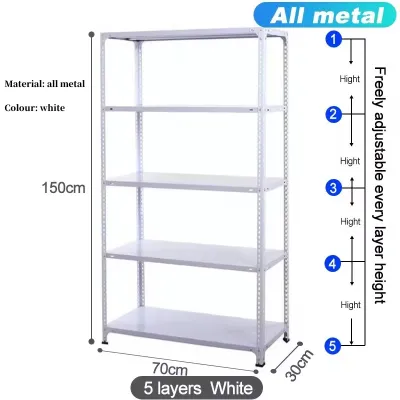
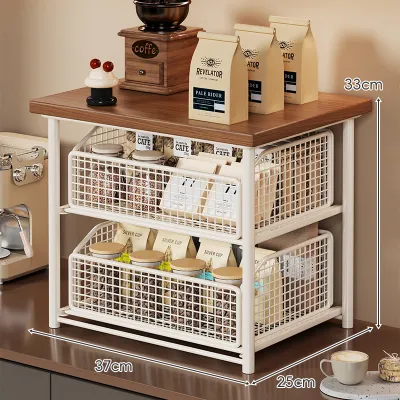
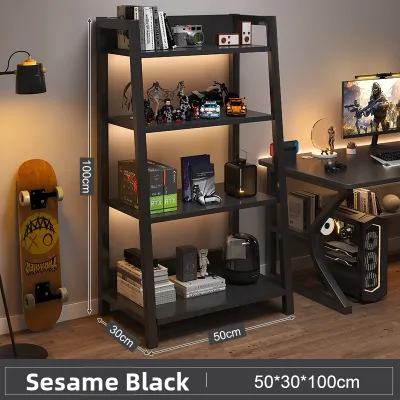
Prices are valid at publication and may change. Please refer to the product page for the latest price.
For those considering a freestanding floor rack, the floor footprint is your primary constraint. Measure the available floor width and depth, keeping a close eye on baseboards, wall outlets, and light switches. Baseboards can prevent a tall rack from sitting completely flush against the wall, which affects stability. You must also ensure the unit does not block the swing of bedroom doors, closet doors, or the movement of your office chair.
Walkway clearance is another critical factor that is easily overlooked. In smaller rooms, a freestanding rack that protrudes too far into the room can disrupt the flow of traffic and make the space feel cramped. If your home office doubles as a guest room or bedroom, ensure there is at least a two-foot clearance around the rack to allow for comfortable movement. Taking these physical measurements beforehand prevents the hassle of returning a bulky piece of furniture that simply does not fit your room’s layout.
Match Your Storage: Weight Limits and Item Volume
Your storage needs should dictate the structural strength of the shelf organizer rack you choose. If your inventory consists mainly of lightweight items—such as notebooks, pens, calculators, and small tech accessories—a desktop organizer is perfectly adequate. These units are designed for quick-access storage and do not require heavy-duty structural support. However, overloading a desktop unit can cause the shelves to sag or put unnecessary stress on your desk surface.

If you need to store heavy reference books, thick binders, or a multi-function printer, a freestanding floor rack is the superior option. These racks are built with thicker frames, often utilizing metal supports or solid wood shelves that can handle substantial weight. Placing a heavy printer on a flimsy desktop organizer is a safety hazard, whereas a sturdy floor rack provides a stable, vibration-free platform for office machinery.
In tropical climates, material selection is closely tied to durability. When checking manufacturer specifications, look for moisture-resistant finishes, powder-coated steel frames, or solid bamboo. Untreated particle board or thin MDF can absorb moisture from the air, leading to sagging shelves and structural failure under heavy loads. Always verify the manufacturer’s specified weight limits per shelf and inspect the joints and bracing during assembly to ensure long-term durability.
Optimize Your Workflow: Reach Zones and Posture
An ergonomic workspace is designed to minimize physical strain and maximize efficiency. Ergonomists divide your desk into primary, secondary, and tertiary reach zones. Your primary zone is the area directly in front of you, reserved for your keyboard and mouse. A desktop shelf organizer utilizes the secondary reach zone—just an arm’s length away. This allows you to grab active files, reference guides, or writing tools without twisting your spine or standing up, keeping you in a focused flow state.
Freestanding floor racks, on the other hand, are best suited for tertiary storage. Because retrieving items from a floor rack often requires you to stand up, bend down, or stretch upward, it is inefficient for tools you use constantly throughout the day. Use the floor rack to store archival documents, extra printer paper, or reference books that you only need to access once or twice a day. This separation of active and passive storage keeps your immediate workspace clean and organized.
Cable management is another workflow consideration that varies between the two setups. If you plan to place charging stations, tablets, or desk lamps on your shelves, a desktop organizer with open backs or built-in cable slots is essential. For freestanding racks housing printers or laminators, ensure the unit is positioned close to a wall outlet. Avoid running power cords across walkways, as this creates a tripping hazard and can damage your equipment if a cord is accidentally yanked.
Blend With Your Decor: Visual Weight and Style
Your home office should be a place of focus, and the visual design of your furniture plays a significant role in your mental clarity. Desktop shelf organizers have a low visual weight, meaning they do not dominate the room’s aesthetic. They keep the floor lines clear, which can make a small room feel more open and airy. However, if a desktop unit is packed with mismatched items, it can quickly make your entire desk look cluttered and chaotic.
Tall freestanding racks have a high visual weight and draw the eye upward, making them a focal point of the room. A beautifully styled floor rack can add warmth and character to your study, giving it a professional, library-like feel. However, in a very small room, a massive, dark-colored floor rack can feel imposing and block natural light. To avoid this, consider open-backed metal and wood frames that allow light to pass through, maintaining a sense of spaciousness.
To create a cohesive look, match the materials and finishes of your shelf organizer rack to your existing furniture. If you have a modern minimalist desk, a sleek metal or white-finished organizer will complement it beautifully. If your style is more traditional, warm wood tones or bamboo finishes add a touch of elegance. You can also balance open shelving with decorative storage boxes or woven baskets to hide smaller, unsightly items, keeping your workspace looking tidy and curated.
The Final Decision: Choosing the Right Shelf Organizer Rack
To make your final decision, weigh your physical space constraints against your storage volume and daily habits. Choose a desktop shelf organizer rack if you have a spacious desk, your storage needs are relatively light, and you want your essential tools within arm’s reach. This option keeps your floor completely clear, making it easier to clean and maintain a minimalist aesthetic in your home office.
Choose a freestanding floor rack if your desk surface is limited, you need to store heavy or bulky items like printers and textbooks, and you have adequate floor space that does not block walkways. This setup maximizes your vertical storage capacity and keeps your desk dedicated solely to active work, reducing visual clutter in your immediate line of sight.
Before finalizing your purchase, always verify the finished dimensions of the unit and check the manufacturer’s weight limits. If you are ordering a large freestanding rack, ensure the packaged box can easily fit through your doorways, hallways, and elevator lifts. By taking the time to measure, plan, and match your storage needs, you can invest in a shelf organizer rack that perfectly supports your daily workflow.
Frequently Asked Questions (FAQ)
Can I combine a desktop organizer with a freestanding rack?
Yes, combining both types of organizers is an excellent way to create a highly efficient, layered storage system. You can use a compact desktop unit to hold your daily active items—such as pens, notebooks, and your phone—while keeping a freestanding floor rack nearby for archival storage, reference books, and heavy office equipment. To prevent the room from feeling overcrowded, ensure there is ample walking clearance between the two pieces and choose matching finishes to maintain visual harmony.
How do I secure a tall freestanding shelf to prevent tipping?
Safety is a crucial consideration for any tall furniture piece. Always check the product manual to see if the manufacturer includes an anti-tip kit or wall-anchoring hardware. When installing these anchors, secure them directly into wall studs or solid concrete walls rather than relying solely on hollow drywall anchors, which can pull out under heavy loads. Additionally, always store your heaviest items, such as printers and thick binders, on the bottom shelves to lower the center of gravity and improve overall stability.

Community discussion
Share your experience or ask a question. Comments are reviewed before publication.