
Hanging shelves for wall storage offer an excellent way to organize study materials, but supporting heavy academic textbooks requires careful planning. To safely hold a typical collection of reference books, law volumes, or medical journals, you generally need shelves with a depth of 25 to 30 centimeters and a verified weight capacity of at least 15 to 30 kilograms per shelf. Choosing the wrong dimensions or failing to account for the structural limits of your walls can lead to sagging boards, damaged books, or even sudden wall failure.
To create a secure and functional study space, you must evaluate the physical characteristics of your books, understand the load limits of your wall type, and select the right materials. In tropical climates where high humidity can affect wood strength over time, taking these precautions is even more critical. By matching your shelving dimensions and installation methods to your specific storage needs, you can build a reliable setup that keeps your study materials organized and safe.
Evaluate Your Study Books and Wall Space
Academic textbooks, research binders, and hardcovers are among the heaviest items you can place on a wall shelf. Unlike light decorative items or novels, a single linear foot (approximately 30 centimeters) of dense academic books can easily weigh between 9 and 14 kilograms. Before purchasing any hanging shelves for wall mounting, it is essential to gather the specific books you plan to store and estimate their total weight to establish a realistic baseline.
Products mentioned in this guide
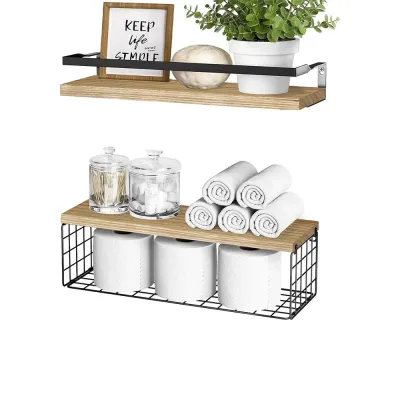
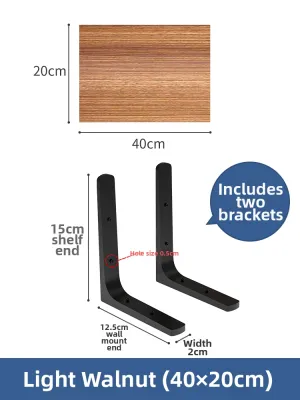
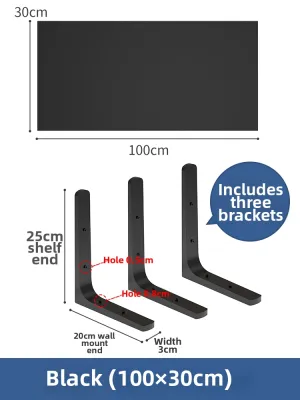
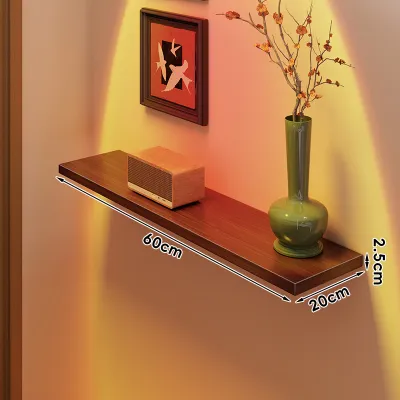
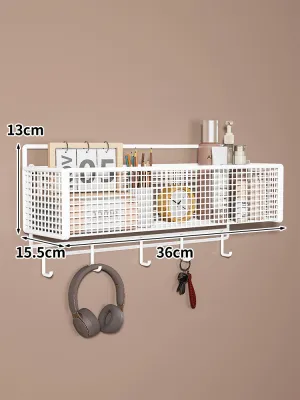
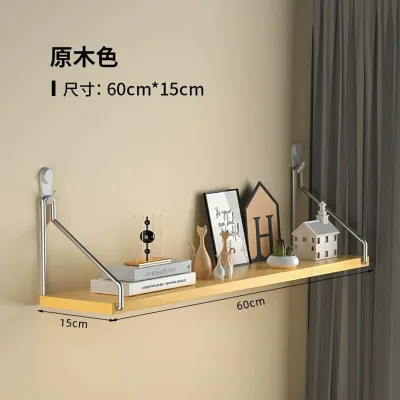
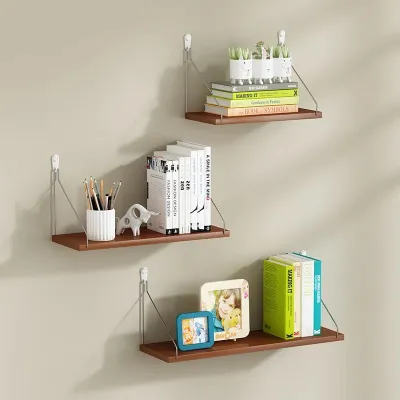
Prices are valid at publication and may change. Please refer to the product page for the latest price.
Physical dimensions are just as important as weight when planning your layout. Standard textbooks and academic journals typically require a shelf depth of at least 25 centimeters to sit securely. If you need to store oversized binders, thesis manuscripts, or large reference manuals, you will likely need a depth of 30 centimeters or more. Measuring the height and depth of your largest books beforehand prevents the frustration of books overhanging the edge or failing to fit between shelves.
To calculate the total estimated load on your wall, multiply the estimated weight of your books per linear foot by the total length of the shelves you plan to install. For example, if you plan to mount three shelves that are each 90 centimeters long, you must design your system to support a potential load of 40 kilograms or more. Comparing this total weight against your available wall area helps you determine how many brackets and anchors you will need to distribute the load safely.
Determine the Safe Weight Capacity for Heavy Textbooks
A common mistake when installing hanging shelves for wall storage is assuming that a shelf can hold its maximum rated capacity regardless of how it is mounted. There is a critical difference between the load capacity of the shelf board itself and the holding power of the wall anchors. Even the strongest solid wood shelf will fail if the brackets are secured to weak plaster or thin drywall without proper structural support.

Always check the manufacturer’s specifications for the maximum distributed weight capacity of both the shelves and the brackets. This rating assumes the weight is spread evenly across the entire surface rather than concentrated in one spot. In humid tropical environments, moisture can slowly compromise the structural integrity of certain engineered wood materials, making it wise to stay well below the maximum rated limit to ensure long-term safety.
For heavy book storage, mounting brackets directly into wall studs is the safest approach for drywall installations. In many homes, walls are constructed from concrete or concrete hollow blocks rather than drywall. For these solid masonry walls, you must use heavy-duty masonry wall plugs, often referred to as tox, or expansion bolts rather than standard plastic drywall anchors to prevent the shelf from pulling loose under a heavy load.
Regularly monitor your shelving setup for early warning signs of overloading or structural fatigue. Look for bowing or sagging boards, brackets that tilt downward, or visible gaps forming between the wall and the mounting hardware. If you notice any cracking in the plaster or concrete around the anchors, remove the books immediately and reinforce the mounting system before attempting to use the shelves again.
Select the Right Shelf Dimensions and Layout
Choosing the correct shelf depth is essential for keeping your study materials stable and preventing accidental falls. A depth of 25 to 30 centimeters allows standard textbooks and binders to sit fully on the surface with their center of gravity positioned safely over the brackets. Overhanging books put extra leverage and stress on the wall anchors, increasing the risk of the entire system pulling away from the wall.
Shelf width plays a major role in preventing the shelf boards from sagging under continuous, heavy weight. Shorter spans are inherently stronger and more rigid; a shelf width of 60 to 90 centimeters is generally ideal for heavy books. If you choose a wider shelf, such as 120 centimeters, you must install additional supporting brackets in the middle to distribute the load and prevent the board from bowing over time.
When planning your vertical layout, leave at least 30 to 35 centimeters of clearance between shelves to accommodate tall academic binders and reference books. This spacing allows you to retrieve books easily without scraping your knuckles or damaging the book spines. Planning for extra vertical space on the top shelf is also a smart way to accommodate future academic additions or larger reference materials as your collection grows.
Verify Installation Safety and Wall Compatibility
Before drilling any holes, verify your exact wall type to select compatible, load-rated mounting hardware. Concrete and hollow block walls require masonry drill bits and heavy-duty expansion anchors, while drywall requires a stud finder to locate wooden or metal studs. Never rely on simple plastic self-drilling anchors for heavy book storage, as they are not designed to handle the continuous downward pull of heavy textbooks.
Achieving perfect alignment and leveling during installation is a safety requirement, not just an aesthetic preference. An uneven shelf causes books to slide, shifting the weight unevenly and overloading a single bracket or anchor. Use a reliable spirit level to mark your drilling points precisely, and double-check your measurements before making any permanent holes in your wall.
Establish a routine inspection schedule every few months to check the integrity of your wall shelves. High humidity can cause wood to warp or metal brackets to rust, while daily vibrations can slowly loosen wall anchors over time. Check that all screws remain tight, the shelf boards are flat, and there are no signs of wall cracking or paint peeling around the brackets.
If you encounter unexpected resistance while drilling, find that your wall material is crumbling, or feel unsure about the structural integrity of your partition walls, stop the installation immediately. Consulting a qualified local carpenter or handyman ensures your shelves are mounted safely, protecting both your valuable study materials and your household from potential accidents.
Frequently Asked Questions (FAQ)
Are floating shelves safe for heavy textbooks?
Floating shelves can be safe for heavy textbooks, but only if they are specifically rated for high weight capacities and installed correctly. Unlike traditional bracketed shelves, floating shelves rely on a hidden internal metal bracket that slips inside the hollow shelf board. This design creates a lever effect, meaning any weight placed on the shelf exerts significant pulling force on the wall anchors.
To use floating shelves for academic books, you must choose heavy-duty models with robust steel internal brackets. These brackets must be anchored directly into wooden wall studs or secured deep into solid concrete walls using expansion bolts. Avoid using floating shelves made of thin particle board or mounted solely on drywall with plastic anchors, as they are highly prone to sagging and pulling out under the weight of heavy textbooks.
How to prevent hanging shelves from sagging under heavy books?
Preventing hanging shelves from sagging requires a combination of proper material selection and structural support. Solid wood, thick plywood, and metal are highly resistant to bending under continuous loads. If you are using engineered wood like MDF or particle board, keep the unsupported span short—ideally under 60 centimeters—as these materials are highly susceptible to sagging, especially in humid environments.
You can also reinforce your shelves by adding supportive brackets underneath or installing a solid wood lip along the front or back edge of the shelf board. This lip acts as a beam, dramatically increasing the shelf’s resistance to bending. For longer shelf runs, always install middle brackets to distribute the weight evenly and keep the boards perfectly flat over years of use.

Community discussion
Share your experience or ask a question. Comments are reviewed before publication.