
Choosing between a fixed dining table 4 seater and an extendable 6-10 seater is a pivotal decision for your home’s layout and daily comfort. The dining table is often the heart of the household, serving as a hub for meals, work, and social gatherings. Finding the right balance requires looking beyond aesthetics to evaluate your actual space, daily routines, and hosting habits. While a compact four-seater keeps your dining area open and breezy, an extendable table offers the flexibility to host larger gatherings without permanently sacrificing valuable floor space. By analyzing your specific living conditions, you can select a piece of furniture that serves your household efficiently every day of the year.
Assess Your Daily Household Size and Dining Habits
To find your ideal table size, start by counting the number of people who sit down for meals on a daily basis. A household of two to four people is the natural match for a standard dining table 4 seater. However, you must also account for how your family uses the space. If you have growing children who need extra elbow room for homework, or family members who require sturdy armchairs that take up more width, a basic four-seater might begin to feel cramped during peak hours.
Beyond eating, consider the multi-functional nature of your dining area. In many modern homes, the dining table doubles as a home office, a crafting station, or a study area. If one or more family members regularly spread out laptops, books, and paperwork, a larger surface area becomes a daily necessity rather than an occasional luxury. If your table is strictly used for quick meals and your household size is stable, a fixed four-seater will comfortably accommodate your core needs while preserving precious floor space for daily movement.
Products mentioned in this guide
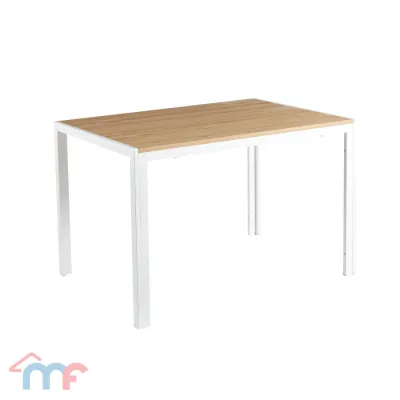
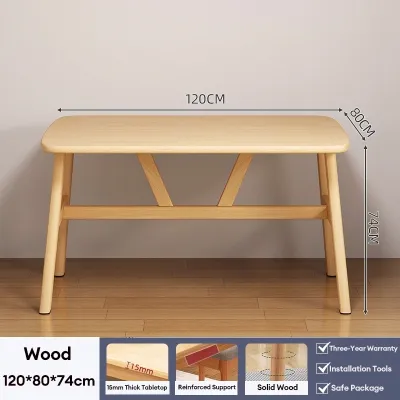
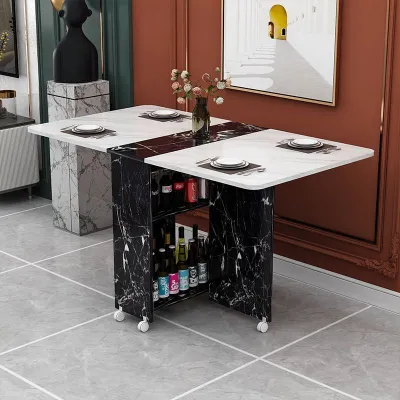
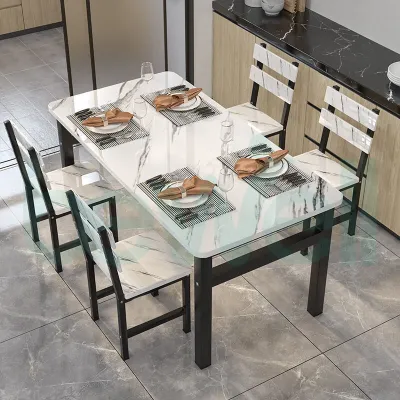
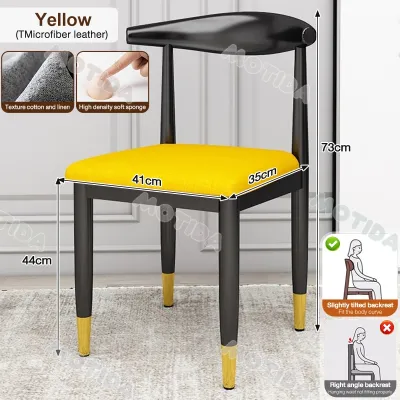
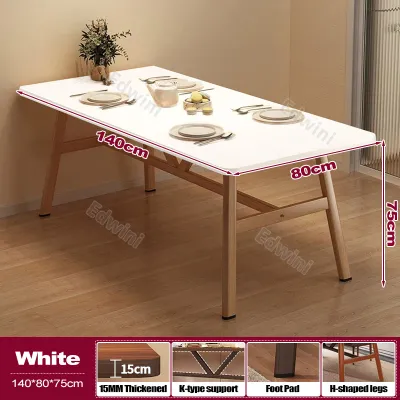
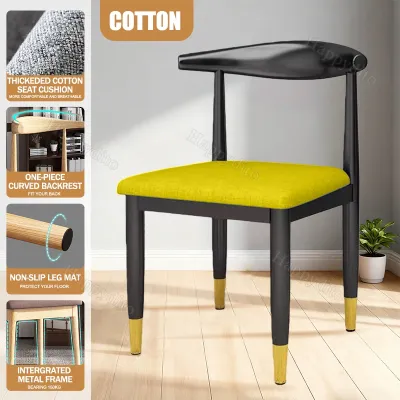
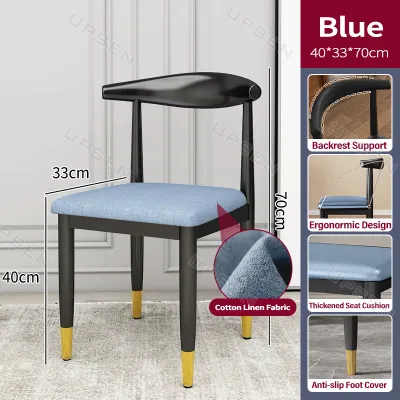
Prices are valid at publication and may change. Please refer to the product page for the latest price.
Evaluate Your Hosting Frequency and Guest Needs
The next step is to look honestly at your entertaining lifestyle and hosting frequency. Many homeowners buy large tables under the assumption that they will host massive dinner parties every weekend, only to find they entertain only once or twice a year during major holidays. Track how often you actually host extended family, friends, or neighbors. If you regularly welcome guests for weekend dinners or family gatherings, investing in an extendable mechanism is highly justified.

Estimate the typical peak headcount during these social events. If your guest list regularly pushes your gathering to six, eight, or ten people, a standard four-seater will leave your guests feeling squeezed or forced to eat in separate rooms. However, if these large gatherings are rare, consider whether alternative seating arrangements could solve the problem. Utilizing a nearby kitchen island with bar stools, setting up temporary folding tables, or using standalone stools can easily accommodate occasional overflow without requiring you to buy a massive, permanent piece of furniture.
Measure Your Dining Space and Clearance Requirements
Physical space is the ultimate deciding factor when choosing furniture. Before browsing online marketplaces or visiting local showrooms, measure your total dining area dimensions carefully. Note the locations of doors, windows, walkways, and other furniture pieces like sideboards or display cabinets. You must also measure your home’s entry points, including doorway widths, hallway corners, and elevator dimensions, to ensure the delivery team can actually bring the table inside your home.
When calculating space, you must account for clearance requirements behind the chairs. As a general rule, you need at least 90 centimeters of clear space between the edge of the table and the nearest wall or obstacle to allow people to pull out their chairs and sit down comfortably. For busy walkways, increase this clearance to 120 centimeters so others can walk past behind seated guests. If you are considering an extendable 6-10 seater, you must perform these measurements twice: once for the collapsed state and once for the fully expanded state. Verify that the fully extended table does not block main traffic paths, jam doors, or completely overwhelm the room’s visual balance.
Compare the Practical Trade-Offs of Fixed vs. Extendable Tables
Comparing the structural and financial aspects of both options reveals distinct trade-offs. A fixed dining table 4 seater offers structural simplicity and exceptional stability. With no moving parts, there are fewer components that can wear out, loosen, or break over time. This simplicity often translates to easier assembly and a lower price point in ₱, allowing you to allocate your budget toward premium materials or matching high-quality chairs.
In contrast, an extendable table relies on complex mechanical slides, hinges, and latches to function. These moving parts require regular inspection and occasional maintenance to ensure smooth operation. You must also consider surface continuity; extendable tables have visible seams where the leaves meet, which can collect crumbs and dust. Additionally, you need to check whether the table features self-storing butterfly leaves or if you must find dedicated closet space to store separate extension leaves when they are not in use. In tropical climates with high humidity, wood can naturally expand and contract, so it is crucial to check the manufacturer’s specifications regarding moisture-resistant finishes and joint stability to prevent warping along the seams.
Decision Matrix: When to Choose Which Table
To finalize your decision, weigh these specific signals to see which category fits your lifestyle. A fixed dining table 4 seater is the optimal choice if you live in a compact apartment or condominium, have a stable household of four or fewer, host guests infrequently, and prefer a low-maintenance, budget-friendly setup. This option maximizes your daily living space and keeps your dining area looking clean, open, and uncluttered.
An extendable 6-10 seater is highly suitable if you have a spacious dining room, host large family gatherings on a regular basis, or have a growing, multi-generational household. This setup gives you the best of both worlds: a manageable footprint for daily family life and the ability to expand for festive occasions. If you find yourself in the middle—hosting occasionally but lacking the space or budget for a large extendable table—a practical compromise is to purchase a sturdy, high-quality 4-seater and supplement it with stackable stools, a matching bench that tucks completely under the table, or elegant folding chairs that can be stored away when not in use.
Frequently Asked Questions (FAQ)
Can I leave an extendable dining table fully expanded all the time?
Yes, you can leave an extendable table fully expanded if your dining room has the physical space to accommodate it without blocking walkways. However, keeping it permanently open can impact the room’s flow and make daily cleaning more tedious. From a maintenance perspective, leaving the table expanded indefinitely in environments with fluctuating humidity or direct sunlight can cause uneven color fading and minor material warping between the exposed main tabletop and the extension leaves. To maintain a uniform appearance and smooth mechanical operation, check the manufacturer’s care instructions and occasionally collapse the table to protect the internal tracks and joints.
What table shape works best for a 4-seater in a small dining area?
For tight or awkwardly shaped dining spaces, a round or square 4-seater table is highly effective. Round tables eliminate sharp corners, making it much easier to navigate tight walkways and allowing you to squeeze in an extra chair if needed. Square tables offer a clean, modern look and can be pushed directly against a wall when you need to clear floor space. If your dining area is narrow or galley-style, a compact rectangular table is often the best fit, as it aligns naturally with the long walls and maintains a clear path through the room.

Community discussion
Share your experience or ask a question. Comments are reviewed before publication.