
Sleeping on a foam mattress in the Philippines can indeed feel warm, especially during the humid summer months. However, whether a queen-size Uratex foam mattress will cause you to overheat depends on the specific foam technology, your bed frame setup, and how you manage your bedroom’s airflow. Understanding these factors helps you make an informed decision before purchasing.
While traditional foam has a reputation for trapping heat, modern manufacturing techniques have introduced various solutions to improve breathability. By evaluating the material composition, cover fabrics, and your overall sleep environment, you can enjoy the pressure-relieving benefits of a foam mattress without sacrificing a cool and comfortable night’s sleep.
Why Foam Mattresses Retain Heat in Tropical Climates
To understand why some foam mattresses feel like heat magnets, it helps to look at their physical structure. Traditional polyurethane foam and memory foam are composed of millions of tiny, microscopic cells. In standard, budget-friendly foam configurations, these cells are mostly closed, meaning air cannot easily pass through them. When you lie down, your body weight compresses these cells, further sealing off any potential pathways for ventilation and trapping air directly beneath you.
Products mentioned in this guide
![ORIGINAL URATEX FOAM Mattress 5InchesX75 ALL SIZES ( 5x30x75 / 5x36x75 / 5x48x75 /5x54x75 / 5x60x75 / 5x72x75 - ALL COLOURS) [ S size / Single size / Double size / Full Double size / Queen size / King size ] BED FOAM - URATEX SALE - URATEX BED ON SALE](https://img.lazcdn.com/g/p/265b99c873b198776c96068e7fbbcbd5.png_400x400q80.png_.webp)
![ORIGINAL URATEX FOAM Mattress 6InchesX75 ALL SIZES ( 6x30x75 / 6x36x75 / 6x48x75 /6x54x75 / 6x60x75 / 6x72x75 - ALL COLOURS) [ S size / Single size / Double size / Full Double size / Queen size / King size ] BED FOAM - URATEX SALE - URATEX BED ON SALE](https://img.lazcdn.com/g/p/2ae24e7eb27b96e53d1967b759fc92e5.png_400x400q80.png_.webp)
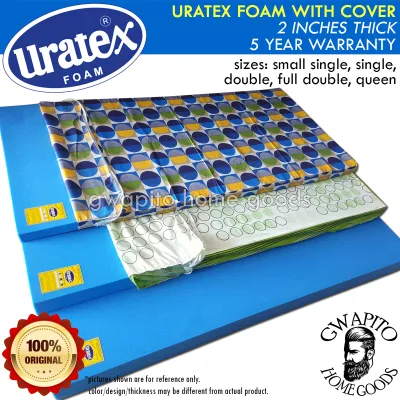
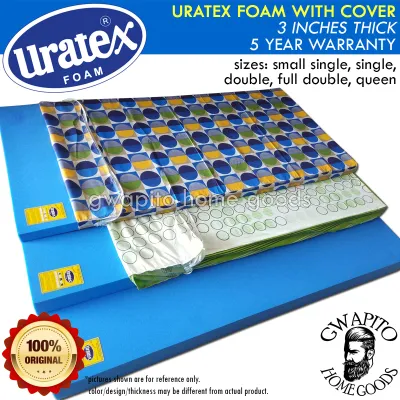
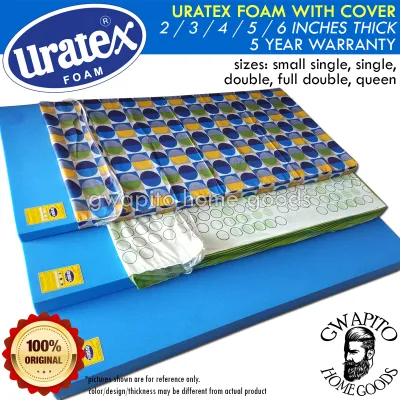

![[BUY NOW ] URATEX FOAM W/ CHINA COVER/ FOAM WITH COVER/ URATEX FOAM / 4 INCHES/ SINGLE/ DOUBLE/ FAMILY/ QUEEN](https://img.lazcdn.com/g/p/7508aebb2074d1481f04131f3ce0e4fd.png_400x400q80.png_.webp)
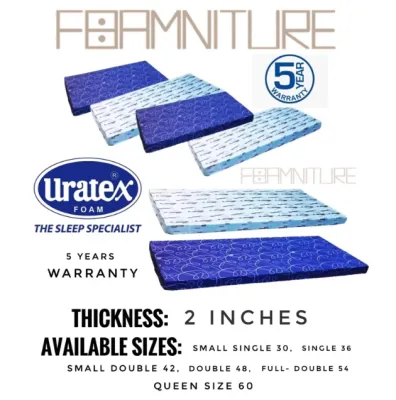
Prices are valid at publication and may change. Please refer to the product page for the latest price.
The tropical climate of the Philippines compounds this structural limitation. With relative humidity levels frequently soaring above 80 percent, the human body’s primary cooling mechanism—sweat evaporation—is severely hindered. When the surrounding air is already saturated with moisture, sweat cannot evaporate efficiently from your skin. If you are sleeping on a dense, non-breathable foam surface, the moisture becomes trapped in the narrow space between your body and the bed, creating a hot, sticky microclimate that disrupts deep sleep.
It is also important to distinguish between a mattress generating heat and trapping heat. Foam mattresses do not produce warmth on their own. Instead, they act as highly efficient insulators. Your body naturally radiates heat throughout the night, maintaining a core temperature. A dense foam mattress absorbs this radiant energy and, instead of allowing it to dissipate downward or escape through the sides, reflects it right back to your body. This continuous feedback loop of body heat and restricted airflow is what makes standard foam beds feel uncomfortably warm.
How to Evaluate Uratex Queen Foam Mattresses for Breathability
When shopping for a Uratex queen-size foam mattress, you will find a wide spectrum of options ranging from basic, economical models to advanced, multi-layered sleep systems. To ensure you select a model that can handle tropical humidity, you must look closely at the manufacturer’s specifications and product labels rather than relying solely on brand popularity.

First, verify whether the mattress utilizes open-cell foam technology. Unlike closed-cell alternatives, open-cell foam is manufactured to have interconnected pathways that allow air to circulate more freely under compression. Uratex offers several models designed with open-cell structures or specialized cooling infusions, such as gel-infused beads or charcoal particles. These additives are engineered to absorb initial heat and distribute it away from the surface, helping to delay the warming effect during the first few hours of sleep.
Second, examine the mattress cover material, which serves as the immediate interface between your body and the foam. Standard synthetic polyester covers are highly durable but notorious for trapping heat and moisture. Instead, look for Uratex models wrapped in breathable knits, natural cotton, bamboo-derived fabrics, or proprietary cooling yarns. Some premium models feature 3D spacer mesh fabrics along the side borders, which actively promote lateral airflow every time you move or shift positions on the bed.
Third, check the product tags and structural descriptions for physical airflow channels. Some foam mattresses incorporate convoluted or “egg-crate” foam layers. These textured profiles create physical air pockets and channels that do not fully collapse under your body weight, providing a dedicated pathway for warm air to escape. Zoning technologies, which vary the density of the foam across different parts of the mattress, can also assist in maintaining structural integrity while keeping air moving.
Finally, consider how the dimensions of a queen-size mattress affect heat distribution. A queen mattress (measuring 60 by 75 inches in the local market) offers plenty of space for single sleepers but is highly popular for couples. When two people share a bed, the total radiant heat output doubles, and the center of the mattress often becomes a concentrated heat zone. If you plan to share your queen foam mattress, prioritizing advanced breathability features and open-cell structures becomes twice as important to prevent partner heat transfer from keeping both of you awake.
Practical Setup and Maintenance for a Cooler Sleep Surface
Even if you choose a standard foam mattress, you can significantly reduce heat retention by optimizing your bed setup and bedroom environment. The foundation supporting your mattress plays a critical role in ventilation. Placing a foam mattress directly on the floor or on a solid wood platform blocks all underside airflow, trapping heat and moisture within the lower layers of the foam. Instead, pair your mattress with a sturdy slatted bed frame. Ensure the slats are spaced close enough to prevent the foam from sagging but wide enough to allow air to circulate freely beneath the bed.
Your choice of bedding is another crucial factor that can either enhance or negate your mattress’s breathability. Avoid heavy, synthetic polyester sheets and thick, plastic-backed waterproof mattress protectors, as they act as vapor barriers that lock in heat. Opt for lightweight, single-ply sheets made from natural fibers like cotton, linen, or bamboo, which naturally wick moisture away from your skin. If you require a mattress protector, look for breathable, polyurethane-membrane options that protect against spills while still allowing air molecules to pass through.
Active climate management in your bedroom is essential for comfortable sleep in the Philippines. If you rely primarily on electric fans, position them to create a cross-breeze directly across the surface of the bed to sweep away the warm boundary layer of air. For those using air conditioning, a foam mattress will generally perform much better, as the AC unit actively lowers both the temperature and the humidity of the room. This dry environment allows the foam to cool down rapidly and helps your body’s natural thermoregulation function as intended.
Lastly, routine maintenance is vital to prevent moisture accumulation in humid climates. High humidity combined with nightly sweat can lead to moisture buildup deep within the foam, which not only increases heat retention but also raises the risk of mold and mildew. Every few weeks, strip your bedding on a dry, sunny day, open your bedroom windows, and let the mattress air out for several hours. Rotating your queen mattress 180 degrees every three to six months also ensures even wear and allows compressed foam cells to recover their loft and breathability.
When to Consider Alternative Mattress Types
While modern foam mattresses offer excellent pressure relief and motion isolation, they may not be the ideal choice for everyone in a tropical climate. If you are an exceptionally hot sleeper, experience frequent night sweats, or live in a room without air conditioning, you may want to explore alternative mattress constructions before making a final purchase.
Innerspring and hybrid mattresses are inherently cooler than solid foam beds due to their structural design. The core of an innerspring mattress consists of steel coils, which are mostly empty space. This open structure allows air to flow completely unobstructed through the center of the bed, dissipating heat far more efficiently than any solid block of foam. Hybrid mattresses combine this breathable coil base with a top comfort layer of foam or latex, offering a compromise that provides contouring comfort without the heat-trapping drawbacks of an all-foam design.
Another alternative to consider is natural latex. Derived from rubber tree sap, natural latex features a highly breathable, open-cell structure and is often manufactured with pin core holes to maximize ventilation. Latex is also naturally resilient and does not contour as deeply as memory foam, meaning less of your body surface is enveloped by the material, further reducing the sensation of sleeping hot.
Ultimately, choosing the right mattress involves balancing your personal comfort preferences against your local climate. If you prioritize the body-hugging support, silent performance, and motion isolation of a Uratex queen foam mattress, you can successfully manage the heat by selecting a model with open-cell technology and pairing it with breathable bedding. However, if maximum airflow is your primary concern, a hybrid or innerspring system may provide a more comfortable long-term solution.
Frequently Asked Questions (FAQ)
Does a mattress topper make a foam bed sleep hotter?
Yes, adding a thick, dense mattress topper can significantly increase heat retention, especially if it is made of traditional memory foam. Toppers contour closely to your body, wrapping around your skin and trapping radiant heat close to the surface. If you need to use a topper to adjust the firmness of your bed, look for options made from highly breathable materials such as natural latex, open-cell gel-infused foam, or lightweight fiberfill, and ensure it is encased in a breathable cotton or bamboo cover.
How can I test if a foam mattress sleeps too hot before buying?
To assess a mattress’s thermal properties, visit a local showroom and lie on the model you are considering for at least 10 to 15 minutes. Pay close attention to whether the area directly beneath your lower back and hips begins to feel warm or clammy. Additionally, check the retailer’s return and trial policies to see if they offer a home trial period, which allows you to test the mattress in your actual bedroom environment. Finally, search online marketplaces and local forums for verified customer reviews, filtering specifically for feedback regarding heat retention and comfort during the humid summer months in the Philippines.

Community discussion
Share your experience or ask a question. Comments are reviewed before publication.