
Standard polyurethane foam is a popular choice for bedding due to its pressure-relieving qualities and accessibility. However, many sleepers find that foam mattresses tend to sleep hot. The direct answer is yes, traditional foam mattresses naturally retain more body heat than other mattress types, but this heat retention is not an absolute rule. Your sleeping temperature depends heavily on the foam’s density, the structural design of the mattress, room ventilation, and the bedding materials you choose.
While standard foam does have a natural tendency to trap warmth, modern manufacturing and thoughtful bedroom setups can significantly mitigate this issue. By understanding how foam interacts with your body heat and the surrounding environment, you can make informed choices to ensure a cool, comfortable night’s sleep. Managing your sleep temperature involves looking at both the physical properties of your mattress and the practical steps you can take to improve airflow in your bedroom.
Why Foam Traps Heat and How It Affects Your Sleep
To understand why foam mattresses retain heat, it helps to look at their physical structure. Traditional polyurethane foam consists of a dense network of tiny, closed cells. Unlike innerspring mattresses, which are mostly open air inside the coil network, solid foam blocks restrict internal airflow. When you lie down, your body heat is transferred directly into the mattress material, which acts as an insulator, trapping the warmth close to your body.
Products mentioned in this guide
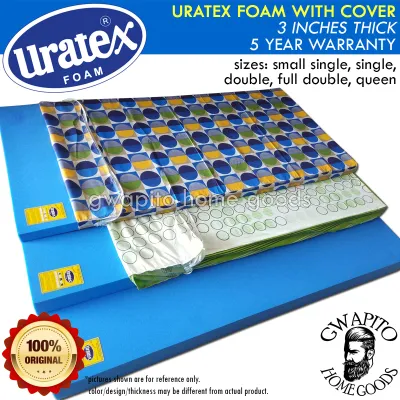

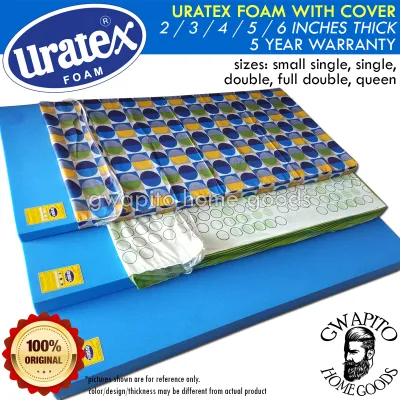
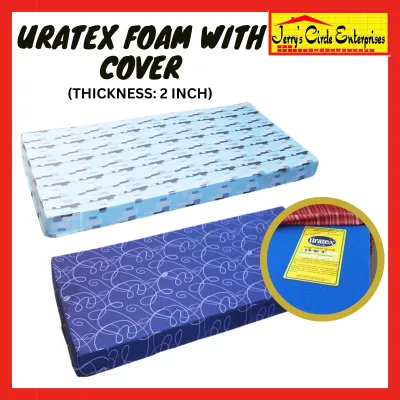
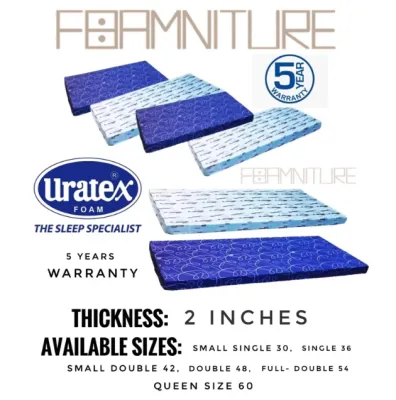

Prices are valid at publication and may change. Please refer to the product page for the latest price.
This heat retention is further compounded by the contouring nature of foam. As the material reacts to your body weight and temperature, it softens and molds to your unique shape. While this provides excellent pressure relief for your joints, it also means your body sinks deeper into the mattress. This deep contouring wraps the foam around your skin, reducing the surface area exposed to the surrounding air and limiting natural heat dissipation.
In a tropical climate like the Philippines, these physical properties present a unique challenge. High ambient temperatures mean your bedroom is already warm, and high humidity levels prevent sweat from evaporating efficiently from your skin. When humidity is high, the trapped heat within the foam layers feels significantly more intense, often leading to a restless, sweaty night if the sleep environment is not properly managed.
How to Choose a Uratex Foam Mattress for Warm Climates
When shopping for a foam double size uratex mattress or any other foam model in a warm climate, it is essential to look beyond basic comfort and focus on specific cooling features. Start by checking the product labels, tags, and official specifications. Look for terms like “open-cell technology,” which indicates that the foam has been manufactured with interconnected pores that allow air to pass through more freely than traditional closed-cell foam.

Another feature to verify is the presence of gel-infused layers. Gel-infused foam is designed to absorb initial body heat and disperse it away from the sleeper, helping to delay the warming effect. Additionally, pay close attention to the mattress cover material. Covers made from breathable fabrics, such as those blended with cooling yarns or natural fibers, can make a noticeable difference in how cool the surface feels to the touch.
Mattress thickness and density also play a critical role in temperature regulation. High-density foam is highly durable and offers superior support, but its dense structure naturally contains less air space, meaning it can retain more heat. If you prefer a high-density or thicker mattress, it is even more important to ensure it incorporates cooling technologies or breathable covers to offset the natural heat retention of the dense material.
Finally, do not overlook the importance of bed frame compatibility. The foundation supporting your mattress directly affects its ability to breathe. A slatted bed base with adequate spacing between the slats allows air to circulate underneath the mattress, helping to dissipate heat and moisture. In contrast, a solid platform bed blocks this airflow entirely, trapping heat and moisture within the lower layers of the foam.
Practical Ways to Keep Your Bed Cool at Night
Managing your sleeping temperature is not just about the mattress itself; it also involves optimizing your entire sleep setup. One of the most effective steps you can take is selecting highly breathable, moisture-wicking bedding. Natural fibers like cotton, bamboo, and linen are excellent choices for tropical climates. Cotton sheets with a percale weave are particularly breathable, while bamboo-derived fabrics excel at pulling moisture away from the skin, allowing your body’s natural cooling mechanisms to work more efficiently. Avoid synthetic materials like polyester, which act as barriers to airflow and trap heat directly against your body.
Optimizing room ventilation is another crucial factor in maintaining a comfortable sleeping temperature. If you use air conditioning, setting it to a consistent, cool temperature before you go to bed can help lower the initial temperature of the foam mattress. For rooms relying on fans, strategic placement is key. Positioning a floor fan or an oscillating fan to blow air directly across the surface of the bed helps promote evaporative cooling. If possible, create a cross-breeze by opening windows on opposite sides of the room to encourage continuous fresh air circulation.
You can also enhance your mattress’s breathability by adding specialized layers. A cooling mattress topper made from breathable latex or gel-infused open-cell foam can provide a buffer zone between your body and the denser support foam underneath. When choosing a mattress protector, avoid heavy, plastic-backed waterproof models that block all airflow. Instead, look for highly breathable, moisture-permeable protectors designed specifically to allow air circulation while still shielding the mattress from sweat and spills.
Maintaining Your Foam Mattress in High Humidity
In the humid climate of the Philippines, proper maintenance is vital to preserve both the comfort and the lifespan of your foam mattress. High humidity can cause moisture from sweat and the air to accumulate within the foam layers, which not only degrades the material over time but also reduces its overall breathability. To combat this, establish a regular routine of airing and rotating your mattress. Rotating the mattress 180 degrees every few months ensures even wear and prevents localized moisture and heat from building up in your primary sleeping zone.
To protect the foam structure from humidity-related degradation and the risk of mold or mildew, focus on controlling the indoor environment. Using a room dehumidifier in your bedroom can significantly lower moisture levels, making the air feel cooler and helping the mattress stay dry. If a dehumidifier is not an option, ensure the room receives plenty of natural cross-ventilation during the day. On dry, sunny days, strip the bedding and let the mattress air out completely near an open window.
Be cautious about the protective accessories you choose. While it is tempting to use a heavy, completely waterproof cover to protect against spills, non-breathable covers trap heat and moisture directly against the foam surface. This creates a warm, damp microclimate that accelerates foam degradation and causes discomfort. Opt instead for breathable, water-resistant protectors that allow vapor to escape while keeping liquid out.
Frequently Asked Questions (FAQ)
Will a double size Uratex foam mattress sleep hotter than a single size?
The physical dimensions of a mattress do not alter the inherent thermal properties of the foam material. A double size mattress made of the same foam density and structure as a single size will retain heat in the same manner. However, a double size bed can actually feel cooler if you sleep with a partner, as it provides more personal space. This extra space allows for better airflow between sleepers and prevents body heat from compounding in a concentrated area, which often happens on a smaller mattress.
Can I use an electric blanket with a Uratex foam mattress?
Before using any external heat source like an electric blanket, it is crucial to check the manufacturer’s warranty and care instructions for your specific mattress model. Polyurethane foam is sensitive to temperature; excessive or prolonged direct heat can cause the cellular structure of the foam to soften permanently or degrade prematurely. Using an electric blanket on a high setting or for extended periods may not only damage the foam’s supportive qualities but could also void your product warranty.

Community discussion
Share your experience or ask a question. Comments are reviewed before publication.