
Traditional memory foam mattresses naturally sleep hot in the Philippines due to the country’s persistent tropical heat and high relative humidity. The material’s dense, viscoelastic structure is designed to contour closely to your body, which creates a deep cradle that traps heat and restricts airflow. In a climate where nighttime temperatures often remain high, this heat retention can lead to restless, sweaty nights. However, you do not necessarily have to abandon the pressure-relieving benefits of memory foam. By understanding how different foam technologies behave, selecting hybrid mattress constructions, and optimizing your bedroom environment, you can enjoy the contouring comfort of memory foam without overheating.
Why Memory Foam Retains Heat in the Philippines
To understand why memory foam feels so warm, it helps to examine its physical composition. Traditional memory foam is made of polyurethane treated to increase its density and viscosity. These viscoelastic properties allow the material to soften when it comes into contact with your body heat, molding precisely to your curves. While this provides excellent pressure relief for your shoulders, hips, and lower back, it also means the foam wraps closely around you. This close fit minimizes the surface area of your skin exposed to the air, effectively trapping your body’s natural heat within the mattress structure.
In the Philippines, this physical characteristic becomes a significant challenge due to the local climate. The country experiences high year-round ambient temperatures and relative humidity levels that frequently exceed 80 percent. The human body cools itself primarily through the evaporation of sweat from the skin. When relative humidity is high, the air is already saturated with moisture, which slows down sweat evaporation. If you are sleeping on a dense material that restricts airflow, the moisture has nowhere to go. The trapped heat and stagnant moisture combine to create a warm, humid microclimate directly beneath your sheets, making the mattress feel much hotter than it would in a dry, temperate climate.
Products mentioned in this guide

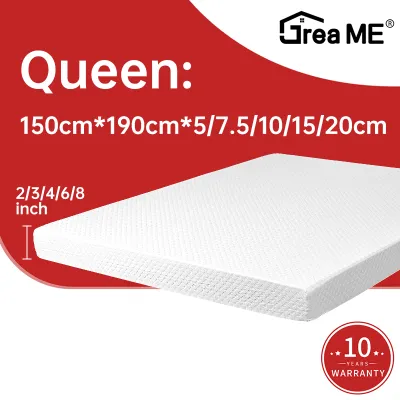
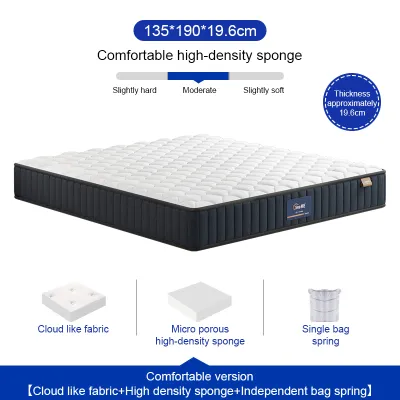
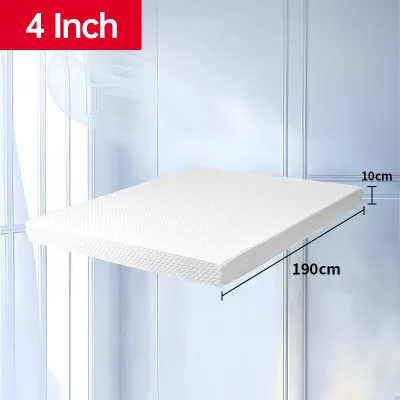
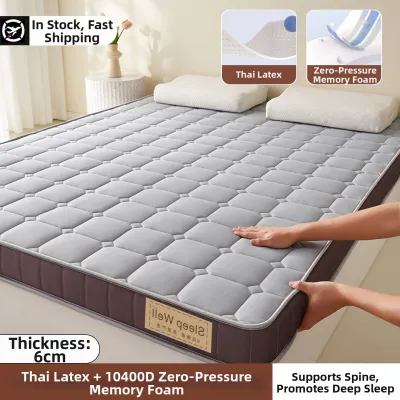
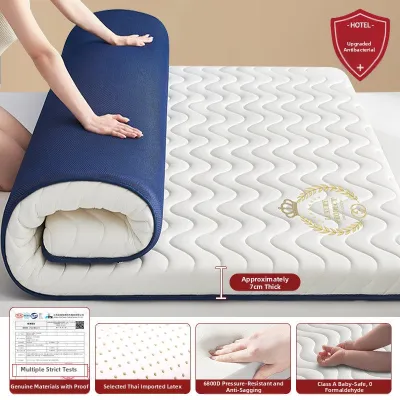
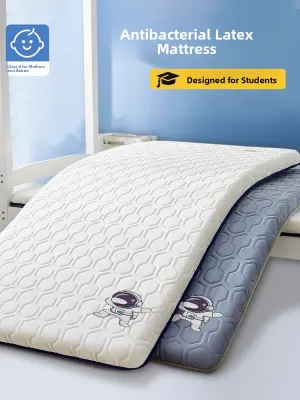
Prices are valid at publication and may change. Please refer to the product page for the latest price.
While traditional solid-slab memory foam is highly prone to this issue, it is important to recognize that not all memory foam mattresses are constructed the same way. Modern manufacturing techniques have introduced alternative foam structures and cooling infusions specifically designed to address heat retention. Understanding these material differences allows you to make a more informed choice when shopping for a new bed or finding ways to cool down your existing setup.
How to Choose a Memory Foam Mattress That Sleeps Cooler
When shopping for a memory foam mattress in a tropical market, navigating marketing jargon is essential. Many brands advertise “instant cooling” or “ice-cold” properties, but these claims can be misleading. No non-powered mattress material can actively generate cold temperatures all night. Instead, look for verifiable structural features that facilitate heat dissipation, improve airflow, and manage moisture.

Gel-Infused Foams and Phase-Change Materials (PCM)
One of the most common cooling technologies found in modern memory foam mattresses is gel infusion. Manufacturers mix liquid gel or tiny gel beads directly into the viscoelastic foam during production. The primary function of this gel is to increase the material’s thermal conductivity. Because gel conducts heat more rapidly than standard polyurethane, it draws warmth away from your body when you first lie down.
Another advanced option is the integration of Phase-Change Materials (PCMs) either within the foam or woven into the mattress cover. PCMs are engineered substances that absorb, store, and release thermal energy. As your body temperature warms the mattress, the PCM absorbs this heat and transitions from a solid to a liquid state, preventing the surface from heating up too quickly. However, it is crucial to understand the limitations of these technologies. Both gel infusions and PCMs have a thermal saturation point. Once the material reaches your body temperature—typically within 30 to 45 minutes—the active cooling sensation fades. These features delay heat buildup rather than keeping the mattress cold throughout the entire night, making them helpful but not a complete solution on their own.
Open-Cell Structures and Breathable Covers
Traditional memory foam features a closed-cell structure, where the microscopic cells of the foam are sealed, trapping air inside like millions of tiny balloons. This closed design is a primary driver of heat retention. When looking for a cooler memory foam mattress, check the product specifications for an open-cell structure. In open-cell foam, the cell walls are broken or reticulated, creating a network of interconnected pathways. When you lie on the mattress and compress the foam, air can flow through these pathways and escape, allowing the mattress to breathe.
The mattress cover is your first line of defense against heat. Even the most breathable open-cell foam will trap heat if it is wrapped in a thick, tightly woven synthetic polyester cover. Look for mattress covers made from natural or semi-synthetic fibers that offer high breathability and moisture-wicking capabilities. Materials such as Tencel (lyocell), bamboo-derived rayon, and organic cotton are excellent choices. These fibers actively pull sweat away from your skin and allow air to circulate, helping your body’s natural evaporative cooling process function more efficiently.
Hybrid Constructions with Pocketed Coils
If you want the contouring feel of memory foam but are highly sensitive to heat, a hybrid mattress is often the most effective choice. A hybrid mattress combines a comfort layer of memory foam (usually 2 to 4 inches thick) with a supportive base of individually pocketed steel coils. This design offers the best of both worlds: you get the pressure relief of foam at the surface, while the coil system underneath provides structural support and excellent ventilation.
The open space between the pocketed coils acts as a large air chamber. As you move during the night, the bellows-like action of the coils pumps warm air out of the mattress and draws cooler air in from the sides. This continuous air circulation prevents heat from building up in the upper foam layers. Additionally, because the foam layer in a hybrid mattress is thinner than that of an all-foam bed, you do not sink as deeply into the material, which reduces the amount of foam wrapping around your body and trapping heat.
Practical Ways to Keep Your Memory Foam Bed Cool at Night
If you already own an all-foam mattress and are not ready to replace it, you can take several practical, low-risk steps to manage the microclimate of your bed. Optimizing your bedroom environment, adjusting your bedding, and ensuring proper mattress ventilation can significantly reduce heat retention.
Managing Room Airflow and Humidity
In a humid, tropical environment, active air movement is vital for sleep comfort. Position your electric fans to maximize cross-ventilation across your bed. Placing a stand fan or a ceiling fan so that it blows air directly over your sleeping surface helps break up the boundary layer of hot, humid air that naturally forms around your body. If you use an air conditioner, setting it to a comfortable sleeping temperature between 22°C and 25°C will help lower both the ambient temperature and the humidity of the room.
Because air conditioners act as dehumidifiers, they make the air drier, which dramatically increases the rate of sweat evaporation from your skin. If you prefer to sleep without air conditioning to save on electricity, consider running a dedicated dehumidifier in your bedroom. Lowering the relative humidity of the room makes the ambient air feel cooler and prevents the memory foam from absorbing excess moisture from the environment, which can make the material feel damp and heavy.
Selecting Breathable Bedding and Protectors
The sheets you choose play a massive role in how hot your mattress feels. Avoid sheets made from synthetic microfiber or polyester, as these materials have tight weaves that trap heat and moisture close to your skin. Instead, invest in lightweight, breathable sheets made from natural fibers. Cotton percale is highly recommended for the Philippine climate; its simple one-over-one-under weave is crisp, durable, and highly breathable. Linen and bamboo-derived sheets are also excellent alternatives due to their natural moisture-wicking properties and loose weaves that facilitate airflow.
Be particularly cautious when choosing a mattress protector. Many standard waterproof protectors utilize a thick, non-porous polyurethane backing to prevent liquids from reaching the mattress. While effective at blocking spills, this plastic-like layer acts as a vapor barrier, completely blocking the airflow of open-cell foams and trapping your body heat. If you require waterproof protection, search for high-quality, breathable protectors that use advanced, vapor-permeable membranes, or opt for a thin, washable cotton mattress pad that provides a breathable buffer between you and the foam.
Ensuring Proper Bed Base Ventilation
The foundation supporting your mattress directly affects its temperature regulation. If your memory foam mattress sits on a solid wooden platform, a concrete slab, or directly on the floor, heat and moisture have no way to escape from the bottom of the bed. Over time, this trapped warmth can migrate back up toward the sleeping surface, while the trapped moisture can compromise the foam’s integrity.
To prevent this, always place your memory foam mattress on a slatted bed frame. The gaps between the slats allow air to circulate freely beneath the mattress, helping to dissipate heat and evaporate any moisture that filters down through the foam. For proper support and safety, ensure the slats are made of sturdy wood or metal, spaced no more than 2 to 3 inches apart. This spacing prevents the heavy foam from sagging between the slats while maintaining optimal airflow.
Signs Your Mattress Is Trapping Too Much Heat or Moisture
It is important to monitor your sleeping environment for signs that your mattress is failing to manage heat and humidity. Because memory foam is highly dense, it can easily trap moisture in humid tropical climates, leading to comfort issues and potential hygiene hazards.
Pay close attention to how you feel when you wake up. Consistently waking up in the middle of the night drenched in sweat, or feeling a damp, clammy sensation on your sheets, indicates that your sleep system is trapping moisture. Another warning sign is a musty, sour, or stale odor emanating from your bed. High humidity combined with trapped body sweat creates an ideal environment for mold, mildew, and dust mites to thrive inside the dense foam layers. If you notice these odors, it is crucial to address the ventilation of your mattress immediately to protect your respiratory health.
If you have already implemented practical adjustments—such as using breathable cotton percale sheets, removing non-breathable waterproof protectors, optimizing room airflow with fans or air conditioning, and placing your mattress on a slatted base—but still suffer from excessive heat and clamminess, your mattress is likely the primary source of the problem. In this situation, you should consider transitioning to a mattress constructed with inherently cooler materials. Natural latex, which features an open, aerated structure, or a traditional pocketed innerspring mattress are both excellent alternatives that offer superior breathability and heat dissipation in tropical climates.
Frequently Asked Questions (FAQ)
Is a gel memory foam mattress worth it for hot sleepers in the Philippines?
A gel memory foam mattress can provide temporary relief for hot sleepers, but it is rarely a complete solution on its own. The infused gel helps conduct heat away from your body when you first lie down, creating a cool initial feel. However, once the gel reaches thermal equilibrium with your body temperature, it stops absorbing heat. For sustained, all-night comfort in the Philippines, it is better to prioritize a hybrid mattress design or a mattress with a highly breathable, open-cell foam structure and moisture-wicking cover rather than relying solely on gel infusions.
Can I use a cooling mattress topper on my existing memory foam bed?
Adding a thick cooling mattress topper to an already warm memory foam bed can sometimes backfire. While the topper may feature cooling gels or phase-change materials, adding another layer of dense foam can increase the depth to which you sink, wrapping more material around your body and trapping more heat over time. If you want to modify your existing bed, opt for a thin, highly breathable mattress pad made of natural fibers like cotton, bamboo, or wool. These pads act as a ventilated buffer without adding excessive insulating foam.
Does high humidity damage memory foam?
Yes, sustained high humidity can negatively impact memory foam over time. While humidity does not immediately destroy the polyurethane structure, trapped moisture from the air and body sweat can soften the foam, causing it to lose its supportive properties prematurely. More importantly, trapped moisture in a warm, dark environment can lead to the growth of mold and mildew inside the mattress core. To protect your mattress, always use a slatted bed frame to ensure bottom ventilation, run a dehumidifier or air conditioner occasionally, and allow your mattress to air out without sheets during your weekly bedding changes.

Community discussion
Share your experience or ask a question. Comments are reviewed before publication.