
A Kutson foam mattress can sleep hot in the Philippine tropical climate if it lacks active cooling features and is paired with heat-trapping bedding, but its actual thermal performance depends heavily on its specific material layers and your bedroom’s ventilation. Traditional polyurethane and memory foams naturally restrict airflow by hugging the body, which can create a warm microclimate during humid nights. By verifying the specific construction of your mattress, choosing highly breathable sheets, and optimizing room airflow, you can significantly reduce heat retention and achieve a comfortable night’s sleep.
Why Foam Mattresses Trap Heat in Tropical Climates
Foam mattresses are highly valued for their pressure-relieving properties, but their physical structure makes them naturally prone to retaining heat. Traditional memory foam consists of a dense, closed-cell structure that reacts to both weight and temperature. When you lie down, your body heat softens the foam, allowing it to contour closely to your shape. While this contouring provides excellent support for your spine and joints, it also creates a deep cradle that wraps around your body, sealing off the surrounding air channels and trapping your natural thermal energy directly beneath you.
In the Philippines, this heat-retention characteristic is significantly amplified by the local climate. The country experiences high ambient temperatures year-round, often accompanied by relative humidity levels that regularly exceed 80 percent, particularly during the rainy season. High humidity hinders the body’s natural cooling mechanism, which relies on the evaporation of sweat from the skin. When a mattress material restricts airflow, the moisture from your body cannot evaporate efficiently, leading to a sticky, humid microclimate between your skin and the bed surface.
Products mentioned in this guide
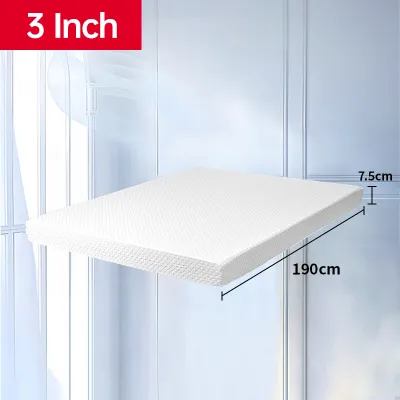
Prices are valid at publication and may change. Please refer to the product page for the latest price.
Different types of foam exhibit varying degrees of thermal conductivity and breathability. Standard viscoelastic memory foam is the most restrictive, as its cells are tightly packed and slow to recover. Open-cell polyurethane foam improves on this design by incorporating larger, interconnected air pockets that allow air to pass through more freely when compressed. Natural latex represents another alternative, featuring an inherently open cellular structure that is often further aerated with vertical pinholes during manufacturing, making it significantly more breathable than synthetic foams.
How to Verify Cooling Features on Your Kutson Bed Foam
To determine how your specific Kutson bed foam will perform in warm weather, you must inspect its physical components and manufacturer specifications. Start by locating the law tag, which is typically sewn into the seam at the head or foot of the mattress. This tag provides a detailed breakdown of the materials used in each layer of the mattress, allowing you to verify whether the comfort layers consist of standard polyurethane, memory foam, or specialized cooling formulations.

Many modern foam mattresses incorporate conductive additives to help manage surface temperatures. Look for terms like gel-infused foam, graphite-infused foam, or copper-infused foam on the product specifications or law tag. Gel infusions utilize liquid gel beads or swirls designed to absorb initial body heat and draw it away from the sleeping surface. Graphite and copper are highly conductive natural elements that work similarly, creating a thermal pathway that disperses heat throughout the mattress core rather than letting it pool directly under your body.
The mattress cover is your first point of physical contact and plays a critical role in temperature regulation. Examine the fabric composition of the cover to ensure it is made from breathable, moisture-wicking fibers. Materials such as Tencel, bamboo-derived rayon, and specialized cooling yarns are highly effective at pulling moisture away from the skin and promoting airflow. Avoid covers made entirely of tightly woven synthetic polyester, which acts as a barrier to air movement and locks in humidity.
Additionally, evaluate the overall profile and base construction of the mattress. Thicker foam mattresses, particularly those exceeding 10 inches in height, contain more material that can store thermal energy over the course of the night. Check if the base support layer features convoluted foam, often referred to as an egg-crate design, or integrated air channels. These structural designs are engineered to facilitate lateral airflow, allowing warm air to escape from the sides of the mattress when weight is applied.
Actionable Ways to Keep Your Foam Mattress Cool in the Philippines
If you find that your foam mattress is retaining too much heat, you can implement several practical adjustments to your bedding and bedroom environment to mitigate the issue. The sheets you place over your mattress serve as the primary interface between your skin and the foam. Avoid high-thread-count cotton sheets with tight sateen weaves, as well as synthetic polyester or microfiber linens, which trap heat and moisture. Instead, opt for lightweight, low-thread-count percale cotton, linen, or bamboo sheets, which feature loose weaves that promote maximum breathability.
The foundation supporting your mattress also directly impacts its thermal performance. Solid platform beds, plywood sheets, or placing the mattress directly on the floor blocks the bottom surface, trapping warm air and moisture inside the foam core. To maximize ventilation, use a slatted bed frame with gaps between the slats of no more than three inches. This structural setup allows air to circulate freely underneath the mattress, helping to cool the foam layers from below and preventing moisture buildup.
Active room cooling is essential for maintaining a comfortable sleeping temperature when using a foam mattress in tropical environments. If you use an air conditioner, setting it to a comfortable sleeping temperature, typically between 22°C and 24°C, helps cool the foam’s surface before you lie down. If you rely on a ceiling fan or stand fan, position it to create cross-ventilation across the bed. This continuous air movement helps carry away the warm boundary layer of air that naturally forms around your body during sleep.
High humidity can also cause moisture to accumulate within the foam layers, leading to mold growth and accelerated material degradation. To prevent this, strip your bedding weekly and allow the mattress to air out for several hours with the windows open or a fan running. Using a dehumidifier in your bedroom can also lower the ambient humidity, making the air feel cooler and helping the mattress stay dry and structurally sound over time.
When to Consider Cooling Accessories or Mattress Alternatives
When environmental adjustments and bedding changes are not enough to resolve overheating, you may need to introduce external cooling accessories. A mattress topper made of gel-infused memory foam, open-cell latex, or breathable wool can add a cooler comfort layer to your existing bed. Alternatively, specialized cooling mattress pads made with phase-change materials can actively absorb, store, and release heat to maintain a stable, comfortable surface temperature throughout the night.
There are times when a foam mattress is simply a poor match for your personal sleep profile and local climate conditions. If you consistently wake up drenched in sweat, experience disrupted sleep due to overheating, or find that the foam softens excessively in the heat and causes you to sink deep into the mattress, the material construction may be fundamentally incompatible with your body’s thermal needs. Sinking too deep into foam increases the surface area of your body in contact with the material, further trapping heat.
When shopping for a replacement mattress, consider how different designs handle heat dissipation. Innerspring and hybrid mattresses are highly recommended for hot sleepers because their support cores consist of pocketed coils. This design is mostly empty space, allowing unrestricted airflow through the mattress. Natural latex mattresses offer a resilient, buoyant feel that keeps you lifted on top of the bed rather than cradled inside it, minimizing the surface area contact that leads to heat buildup.
Frequently Asked Questions (FAQ)
Does using a waterproof mattress protector make a foam mattress sleep hotter?
Yes, many standard waterproof mattress protectors can significantly increase heat retention. Traditional protectors use a solid polyvinyl chloride (PVC) or thick polyurethane backing to block liquids, which also completely blocks airflow and traps heat. To avoid this, look for protectors that feature a breathable, laminated polyurethane membrane paired with a moisture-wicking top fabric like bamboo or Tencel. These materials allow microscopic water vapor to escape while keeping liquid droplets out, maintaining essential airflow.
Can I flip my foam mattress to improve airflow and reduce heat?
Most modern foam mattresses, including multi-layer designs, are engineered with a specific top-to-bottom layout and should never be flipped upside down. The top layers consist of soft, contouring comfort foam, while the bottom layers are made of dense, rigid support foam; flipping the mattress would mean sleeping directly on the hard base, which lacks cooling features and comfort. Instead of flipping, you should rotate the mattress 180 degrees from head to toe every three to six months. This ensures even wear and prevents deep body indentations, which can trap heat over time.

Community discussion
Share your experience or ask a question. Comments are reviewed before publication.