
Achieving an organized wardrobe requires a systematic approach to space utilization, and Dorabox storage organizers offer a modular framework to streamline this process. To find the best options for your closet, you must evaluate your specific storage needs, measure your wardrobe’s physical dimensions, and select organizers that match the weight and volume of your garments. Rather than relying on a one-size-fits-all solution, a successful setup combines different organizer styles—such as stackable drawers, lidded boxes, and multi-compartment dividers—to maximize vertical space and protect your clothing from dust and humidity.
By taking the time to assess your wardrobe layout and understanding the structural features of different storage products, you can build a highly functional system that keeps your clothes accessible and in pristine condition. Whether you are dealing with a compact built-in closet or a spacious walk-in wardrobe, selecting the right organizers involves verifying material durability, checking dimensions, and planning for the specific climate challenges of your environment. This guide provides a comprehensive framework to help you choose, arrange, and maintain the ideal storage setup for your home.
How to Assess Your Wardrobe Space and Storage Needs
Before purchasing any storage organizers, the first critical step is to conduct a thorough assessment of your wardrobe’s interior space. Many homeowners make the mistake of buying organizers based on visual appeal alone, only to find that the boxes do not fit their shelves or prevent the closet doors from closing properly. To avoid this, grab a measuring tape and record the exact width, depth, and height of every shelf, drawer, and hanging section. Be sure to measure the clearance of the door frame as well, as some wardrobes have protruding hinges or sliding door tracks that narrow the actual entry point for inserting and removing large storage boxes.
Products mentioned in this guide
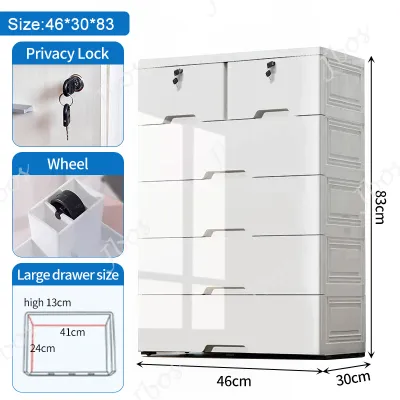
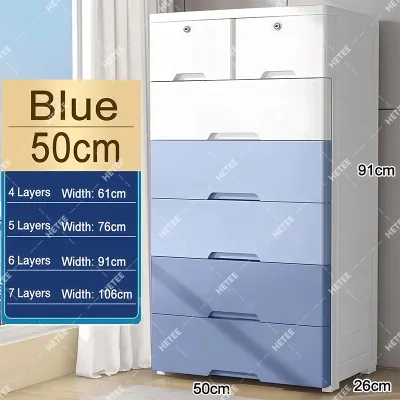
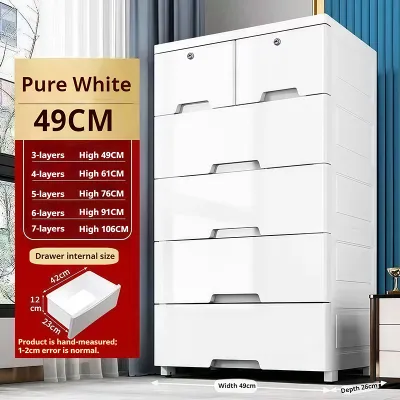
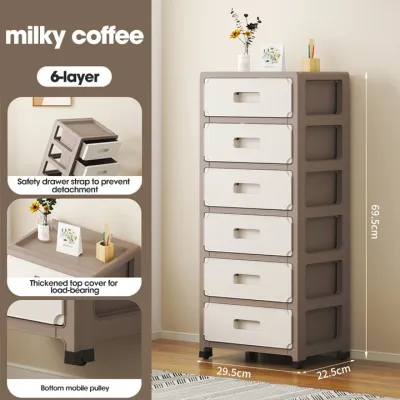
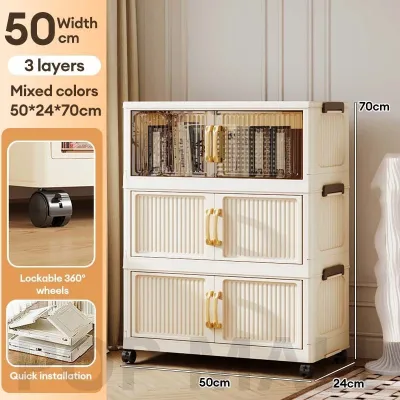
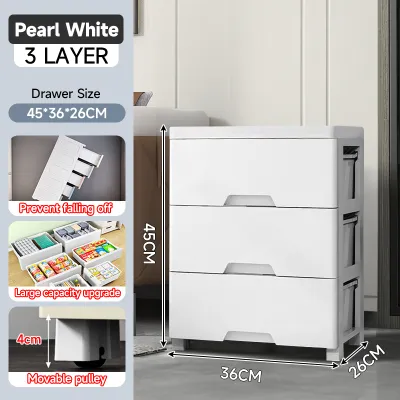
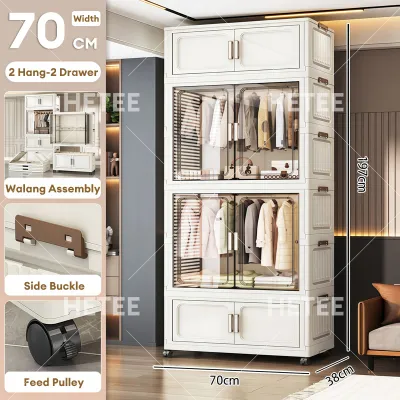
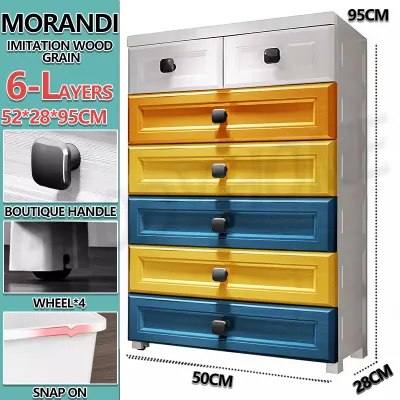
Prices are valid at publication and may change. Please refer to the product page for the latest price.
Once you have the physical dimensions, categorize the items you plan to store. Group your belongings by type, size, and how frequently you use them. For instance, daily wear like t-shirts, undergarments, and activewear should be placed in easily accessible zones, while seasonal items, extra bedding, or formal wear can be relegated to higher shelves or deeper corners. Categorizing your wardrobe in this manner helps you identify the exact compartment sizes and access styles you need. If you have a large collection of small accessories, you will require multi-compartment dividers; if you have bulky winter coats or spare blankets, large-capacity lidded boxes will be far more appropriate.
Additionally, take note of any structural limitations or adjustable features within your wardrobe. If your closet has adjustable shelving, you have more flexibility to accommodate taller storage organizers by shifting the shelf brackets. However, if the shelves are fixed, you must strictly adhere to the vertical height limits of each section. Pay close attention to the space beneath hanging clothes as well. Measuring the distance from the bottom of your hanging garments to the floor of the wardrobe will tell you exactly how much height you have available for stackable drawers or low-profile boxes without causing your clothes to drag and wrinkle.
Key Features to Evaluate in Dorabox Storage Products
When browsing Dorabox storage products, evaluating the material properties and structural design is essential to ensure long-term durability and performance. Storage organizers are generally available in plastic, fabric, or hybrid designs, each offering distinct advantages depending on where and how they are used. Rather than assuming a material is durable based on its name alone, always verify the weight capacity, structural support, and care instructions on the product labels. For heavy-duty storage, look for organizers with reinforced plastic frames or internal support panels that prevent the sides from bowing when stacked.

In the tropical climate of the Philippines, ventilation and moisture management are critical factors to consider. High relative humidity can easily lead to mold, mildew, and musty odors on fabrics stored in enclosed spaces. When selecting organizers, check the manufacturer’s specifications for breathable designs, such as non-woven fabric boxes, or opt for plastic containers with ventilation slots that promote airflow. If you prefer completely sealed plastic boxes to keep out dust and pests, consider placing moisture absorbers or silica gel packets inside the containers to protect your garments from trapped humidity.
Stackability and modularity are key features that allow you to maximize the vertical space in your wardrobe. When evaluating stackable organizers, look for interlocking features, such as recessed lids or matching grooves on the top and bottom surfaces, which prevent the boxes from shifting or sliding. Reinforced edges and sturdy internal frames are also vital, as they ensure the bottom boxes can support the weight of the units stacked above them without collapsing. Choosing modular designs with compatible dimensions allows you to mix and match different box sizes while maintaining a clean, uniform look.
Visibility and access styles significantly impact how easily you can retrieve your items daily. Clear plastic windows or fully transparent drawer fronts are highly practical because they allow you to see the contents at a glance without having to open every box. If you prefer a minimalist, cohesive aesthetic with solid-colored organizers, look for models that feature integrated label slots or cardholders so you can clearly mark what is stored inside. Furthermore, consider whether you need open-top bins for quick access, front-opening drawers for stacked configurations, or secure zippered lids for long-term dust protection.
Finally, always perform a purchasing verification before completing your transaction. Because product availability, dimensions, and pricing can fluctuate, it is wise to verify the current price in ₱, check stock status, and confirm the exact product dimensions on official brand stores or trusted e-commerce platforms. Double-checking these details ensures that the organizers you select fit your budget and, more importantly, fit perfectly within the physical boundaries of your wardrobe shelves.
Matching Organizer Styles to Specific Wardrobe Items
Different types of clothing and accessories require specific storage environments to maintain their shape and quality. For bulky items such as thick sweaters, winter wear, spare pillows, and bed linens, large-capacity storage boxes are the most effective choice. Select sturdy boxes equipped with reinforced handles, which make it much safer and easier to pull the containers down from high closet shelves. Ensure that the lids secure tightly to provide adequate dust protection, and verify that the structural integrity of the box can handle the weight of heavy textiles without sagging.
For small accessories, undergarments, socks, and ties, multi-compartment dividers or smaller grid boxes are highly recommended. These organizers prevent small items from getting lost in deep drawers or piled into messy heaps on open shelves. Using grid dividers allows you to roll or fold each item individually, making it easy to see all your options at once and maintaining order even during busy mornings. Look for dividers that fit neatly inside your existing wardrobe drawers or can be stacked on shallow shelves to maximize the depth of your closet space.
Utilizing the under-hanging space in your wardrobe is an excellent way to increase your storage capacity, and stackable drawer-style organizers are ideal for this purpose. Unlike lidded boxes that require you to remove the top container to access the bottom one, drawer-style organizers allow you to pull out individual compartments smoothly. Before purchasing, measure the standard depth of your closet to ensure the drawers can open fully without obstructing the wardrobe doors or sliding tracks. This setup is perfect for storing folded jeans, t-shirts, or activewear directly beneath your hanging shirts and dresses.
Setup, Arrangement, and Maintenance Guidelines
Once you have selected and purchased your organizers, proper setup and arrangement are crucial for maintaining a safe and functional wardrobe system. Always prioritize correct weight distribution by placing the heaviest, fully loaded organizers on the lowest shelves or the floor of the closet. This keeps the center of gravity low, preventing the wardrobe or the shelving units from becoming top-heavy and tipping over. Lighter boxes containing seasonal items or accessories should be placed on the upper shelves, ensuring that you do not have to lift heavy loads above shoulder height.
Ensure there is adequate clearance and accessibility around each organizer. When placing stackable drawers or lidded boxes inside the wardrobe, account for the swing of cabinet hinges and the tracks of sliding doors. If an organizer is placed too close to a hinge, you may find that the drawer cannot slide open, or the lid cannot be lifted without hitting the door frame. Leaving a small gap of a few centimeters around the organizers not only ensures smooth operation but also promotes healthy airflow around your clothing, reducing the risk of moisture buildup.
Routine maintenance is essential to keep your wardrobe organization system functioning effectively over time. Follow the manufacturer’s cleaning instructions carefully; plastic organizers can typically be wiped down with a damp cloth and mild soap, while fabric boxes may require light vacuuming or spot cleaning. Periodically reassess your storage needs, especially during seasonal transitions or when decluttering your wardrobe. As your clothing inventory changes, you may need to adjust the configuration of your modular organizers to accommodate new items or remove unused containers.
Lastly, perform regular safety checks on your storage setup. Over time, constant use and heavy loads can cause wear and tear on even the sturdiest organizers. Inspect the boxes for any signs of structural deformation, such as bowing sides, cracked plastic, or tearing handles. If you observe any instability or damage, stop using the affected organizer immediately and consult the manufacturer for replacement parts or guidance. Taking these precautionary steps ensures that your wardrobe remains a safe, organized, and pleasant space in your daily routine.
Frequently Asked Questions (FAQ)
Are fabric storage organizers suitable for long-term storage of seasonal clothes?
Fabric storage organizers can be highly suitable for long-term storage of seasonal clothes, provided certain conditions are met to protect your garments. Because fabric is naturally breathable, it allows for minimal airflow, which helps prevent musty odors; however, this also means it is less resistant to high humidity compared to sealed plastic. To use fabric boxes safely for long-term storage, ensure they feature secure zippered lids or tight closures to keep out dust and pests. Most importantly, verify that all clothing items are completely clean and dry before packing them away, as any residual moisture or body oils can attract mold and insects. Always check the product labels for specific long-term storage recommendations or limitations.
How can I prevent stacked storage boxes from sliding or tipping inside the closet?
To prevent stacked storage boxes from sliding or tipping, you must ensure that the footprints of the stacked units match perfectly and that they are designed for modular stacking. Avoid stacking boxes of different brands or incompatible dimensions, as mismatched bases can easily lead to instability. If recommended by the manufacturer, you can utilize non-slip drawer liners or grip pads between the boxes to add friction and prevent sliding. Never overload the top boxes in a stack; keep the heaviest items in the bottom unit to maintain a low center of gravity. If you notice any structural deformation, bowing, or tilting in the lower boxes, stop using the stack immediately to prevent a collapse.

Community discussion
Share your experience or ask a question. Comments are reviewed before publication.