
Quick Answer: Core Criteria for Wrinkle-Free Formal Wear Storage
Keeping gowns, delicate dresses, and formal wear pristine inside a wardrobe requires a strategic combination of vertical space, material selection, and structural support. To prevent wrinkles and maintain the shape of your garments, your storage setup must meet three critical criteria.
First, adequate vertical clearance is essential. If a gown pools at the bottom of your cabinet, the hem will develop deep, stubborn creases that are difficult to steam out. Second, the storage environment must breathe. In tropical climates where humidity levels fluctuate, trapping delicate fabrics in airtight plastic bags is a recipe for mold, mildew, and fabric yellowing. Finally, match the organizer to the garment’s construction. Heavy, embellished gowns require flat storage to prevent gravity from stretching the seams, while lighter silk or chiffon dresses thrive on wide, padded hangers inside breathable garment covers.
Types of Dress Cabinet Organizers for Gowns and Formal Wear
Full-Length Garment Covers
Full-length garment covers are the primary line of defense against dust, light, and friction inside a crowded wardrobe. These organizers encase the entire length of the garment, preventing it from rubbing against adjacent clothes when you slide hangers along the rod.
Products mentioned in this guide
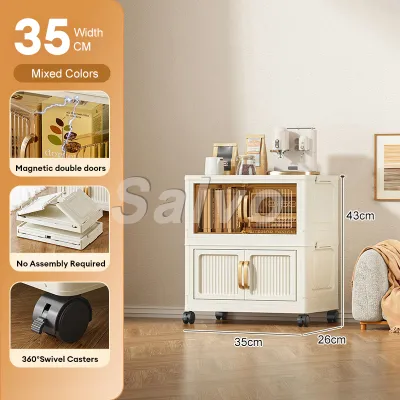
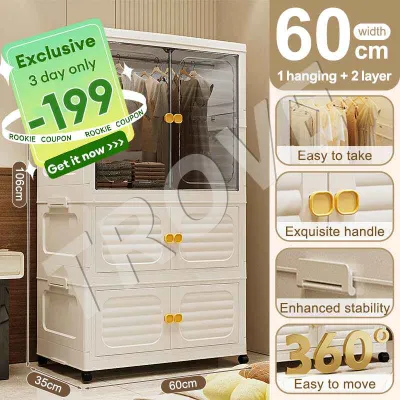
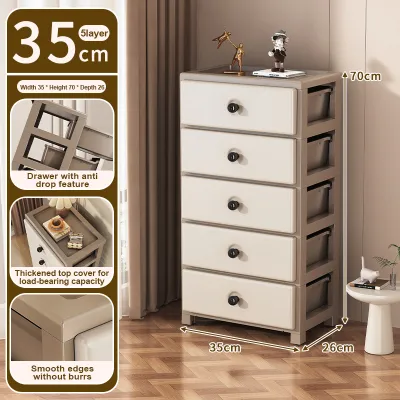
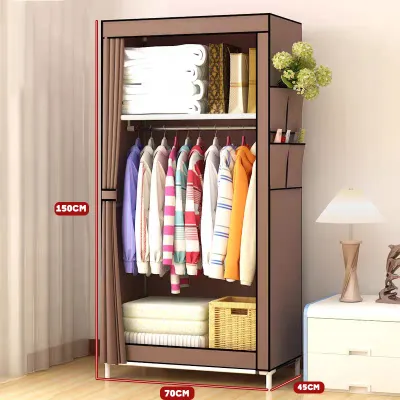
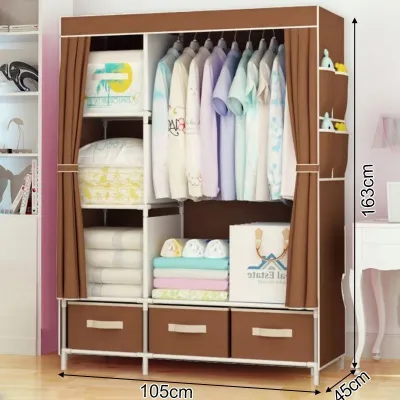
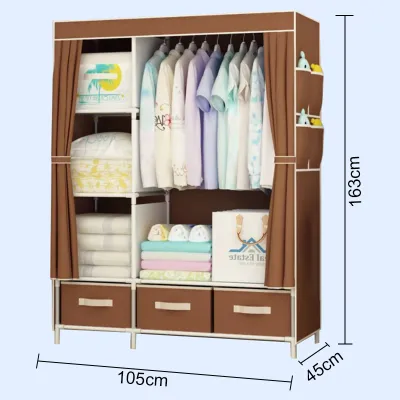
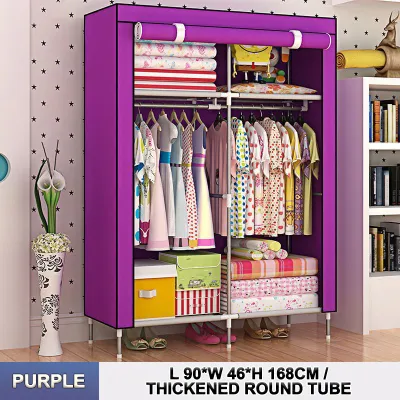
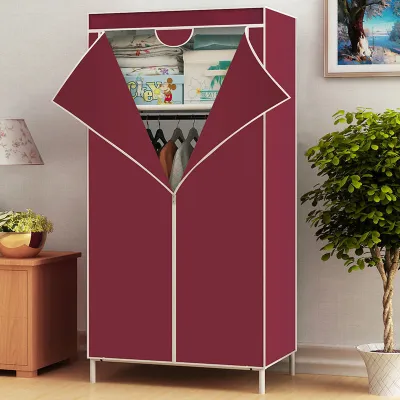
Prices are valid at publication and may change. Please refer to the product page for the latest price.

When selecting garment covers, prioritize breathable fabrics like cotton canvas or high-quality non-woven polypropylene over cheap, clear PVC or vinyl plastics. While plastic allows you to see the dress easily, it traps moisture inside, which can ruin delicate fibers over time. To identify your garments without opening every zipper, look for covers that feature a small, clear viewing window or a dedicated label pocket.
Padded and Wide-Shoulder Hangers
Standard wire or thin plastic hangers are highly detrimental to formal wear. They concentrate the weight of the garment on a tiny surface area, leading to unsightly shoulder bumps, fabric stretching, or even torn seams.
To preserve the structural integrity of your dresses, transition to padded or wide-shoulder hangers. Padded hangers, typically wrapped in soft cotton, linen, or satin, distribute the weight of lightweight gowns evenly across the shoulders. For heavier gowns or structured formal suits, wide-shoulder wooden or molded hangers provide the necessary support to keep the shoulder line intact without slipping.
Hanging Shelf Organizers
Hanging shelf organizers consist of fabric cubbies that suspend directly from the closet rod. These are excellent for organizing accessories, folded shawls, or lightweight knitwear that might otherwise get lost in a large cabinet.
However, these organizers are generally unsuitable for storing long gowns or structured formal dresses. Folding a delicate gown to fit into a small cubby creates sharp, hard crease lines that can damage delicate weaves like silk or satin. Use these organizers strictly for non-structured accessories or undergarments that complement your formal wear.
Drawer Dividers and Archival Boxes
Some formal wear should never be hung. Heavily beaded gowns, sequined dresses, and knit formal wear are incredibly heavy, and hanging them causes gravity to pull down on the fabric, permanently stretching the shoulders and distorting the silhouette.
For these garments, archival-grade, acid-free storage boxes are the recommended solution. Use drawer dividers to keep accessories organized, and wrap the heavy gown in acid-free tissue paper before folding it gently into the box. This prevents the beads from snagging on other parts of the fabric and keeps the gown safe from dust and light.
Key Features to Evaluate for Wrinkle Prevention
Material Breathability
In tropical regions, humidity is a constant challenge for wardrobe maintenance. When selecting a dress cabinet organizer, prioritize materials like cotton, linen, or breathable non-woven fabrics.
These materials allow air to circulate, preventing the microclimate inside the cover from becoming damp. Avoid completely sealed synthetic covers that lock in moisture, as this environment accelerates fabric degradation and promotes musty odors.
Structural Support
Before buying any hanging organizer, verify its structural integrity. Look for reinforced hanging hooks, sturdy internal frames, and robust stitching.
A sagging organizer or a flimsy hanger will cause the garments inside to shift, bunch up, and ultimately wrinkle. Check the manufacturer’s specified weight capacity to ensure the organizer can handle the combined weight of your heaviest gowns.
Closure Mechanisms
The way an organizer opens and closes is critical for fabric safety. Zippers should be smooth, rust-resistant, and ideally made of nylon rather than sharp metal.
Look for covers with protective fabric guards behind the zipper track. This prevents delicate lace, tulle, or silk from getting caught in the zipper teeth. Velcro or snap closures can be useful for quick access but must be positioned carefully so they do not snag nearby fabrics.
Dimensions and Clearance
An organizer is only effective if it fits your wardrobe space without compressing your clothes. Measure the length of your longest gown and compare it to the vertical clearance of your cabinet.
If the organizer is too long, it will bunch at the bottom, defeating the purpose of hanging. Similarly, ensure the depth of the organizer allows the cabinet doors to close smoothly without pressing against the garments.
Planning Your Wardrobe Space and Installation Checks
Measuring Cabinet Dimensions
Before purchasing any dress cabinet organizer, take precise measurements of your wardrobe’s interior. Measure the height from the hanging rod to the bottom shelf or floor, the total width of the rod, and the internal depth of the cabinet.
Ensure there is at least 5 to 10 centimeters of clearance between the bottom of your garment covers and the cabinet floor to prevent dust accumulation and hem creasing.
Verifying Load-Bearing Capacity
Formal wear, especially gowns with multiple layers of lining, crinoline, or heavy embellishments, can be surprisingly heavy. When you add the weight of heavy-duty hangers and protective covers, the load on your closet rod increases significantly.
Inspect the mounting brackets of your wardrobe rod. If the rod is made of thin plastic or lightweight aluminum, consider upgrading to a solid wood or heavy-gauge steel rod to prevent sagging or catastrophic failure.
Checking Door Clearance and Hinge Operation
Bulky garment covers can expand outward, taking up more depth than standard clothing. If your cabinet has sliding doors, ensure the covers do not get caught in the tracks.
For hinged doors, verify that the organizers do not obstruct the hinges or prevent the doors from sealing completely, which could allow dust or pests to enter.
Assessing the Need for Modular Systems
If your current wardrobe layout consists of standard double-hung rods, you may lack the vertical space required for floor-length gowns. Consider installing an adjustable shelving or modular rod system.
By removing a lower rod or adjusting shelf heights, you can create a dedicated “long-hang” zone that accommodates full-length formal wear without compromise.
How to Build Your Final Organizer Shortlist
Inventory Your Collection
Begin by counting the exact number of formal garments you need to store. Separate them into categories: lightweight hanging dresses, heavy beaded gowns, and accessories. This prevents over-purchasing and ensures you buy the correct ratio of hangers, covers, and storage boxes.
Filter by Specifications
When browsing online marketplaces or local furniture stores, ignore generic marketing terms like “heavy-duty” or “premium.” Instead, filter listings strictly by verified dimensions, material composition (such as 100% cotton canvas), and weight limits. Look for detailed product descriptions that specify the thickness of the material and the type of zipper used.
Analyze User Feedback
Read customer reviews with a critical eye. Search for keywords like “humidity,” “mold,” “zipper snag,” or “sagging.” Feedback from buyers living in similar tropical climates is particularly valuable, as they can speak to how well the materials resist moisture and protect fabrics over several months or years.
Verify Return Policies
Because precise fit is crucial for wrinkle prevention, always check the seller’s return policy before finalizing your purchase. Ensure you can return or exchange the organizers if the actual dimensions do not match the product listing or if the material quality feels abrasive to your delicate formal wear.
Frequently Asked Questions (FAQ)
Can I store heavily beaded wedding gowns in hanging organizers?
Hanging heavily beaded wedding gowns or highly embellished formal dresses is not recommended. The sheer weight of the beads, sequins, and embroidery pulls down on the fabric over time, stretching the shoulder seams, distorting the neckline, and causing permanent structural damage. Instead, store these garments flat. Wrap them carefully in acid-free tissue paper to prevent the embellishments from snagging the fabric, and place them inside a sturdy, breathable archival storage box. Keep the box in a cool, dry place away from direct sunlight.
How often should I air out formal wear stored in cabinet organizers?
It is highly recommended to air out your stored formal wear at least once every three to six months, especially during seasonal transitions or periods of high humidity. Take the garments out of their covers, inspect them thoroughly for any signs of moisture, mold, or pests, and let them hang in a well-ventilated room out of direct sunlight for a few hours. Ensure the cabinet interior is completely dry and free of dust before placing the garments back inside their organizers.

Community discussion
Share your experience or ask a question. Comments are reviewed before publication.