
Quick Answer: Which Desk Type Should You Choose?
Finding the right balance between comfort, productivity, and home layout can be challenging when setting up a remote workspace. There is no single “best” desk for everyone; the ideal choice depends on your physical space, your ergonomic requirements, and whether your workstation sits in a dedicated room or a shared living area. By assessing how you work and where the desk will live, you can select a design that supports your health without cluttering your home.
Whether you are considering a space-saving drop top desk, a highly portable folding table, or a sprawling L-shaped workstation, each design addresses distinct layout challenges. A drop top desk is ideal if you need sit-to-stand ergonomics within a compact footprint or want a workspace that can be physically closed and hidden at the end of the day. A folding desk serves best if you have highly limited square footage, require a temporary setup, and prioritize easy storage over heavy-duty stability. An L-shaped desk is the ultimate option if you have a dedicated corner, use multiple monitors, and need a permanent, high-capacity surface.
Before finalizing your purchase, you must verify several critical physical constraints. Ensure your floor is level and capable of supporting the concentrated weight of motorized frames. Furthermore, check that your doorways, corridors, and stairwells can accommodate the delivery of large, pre-assembled components or heavy packaging boxes.
Products mentioned in this guide
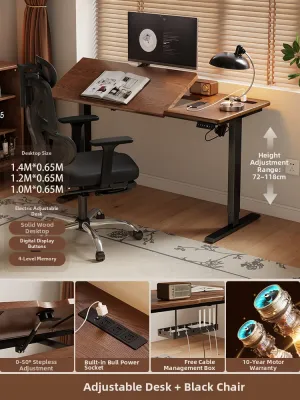
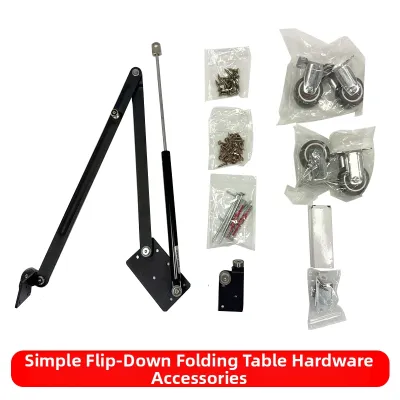
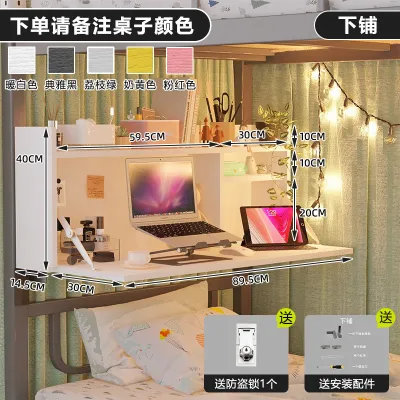
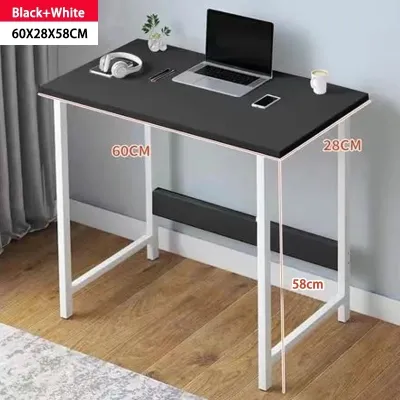
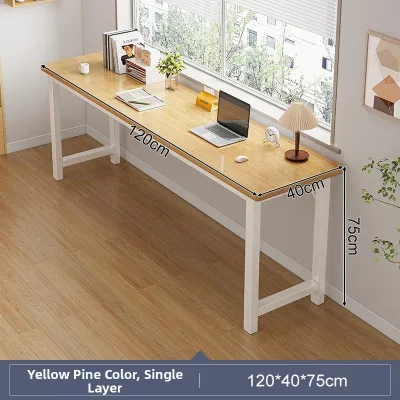
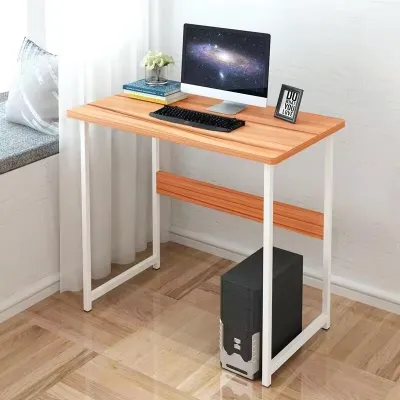
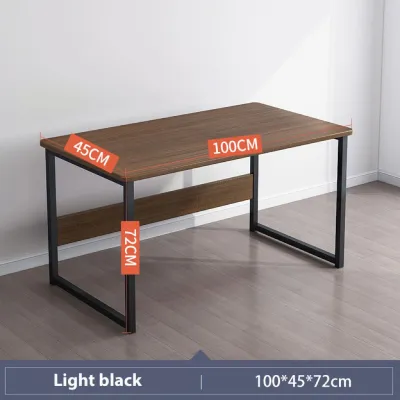
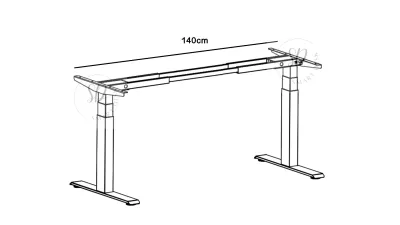
Prices are valid at publication and may change. Please refer to the product page for the latest price.
Understanding the Three Mechanisms: Drop Top Desk, Folding, and L-Shaped
The structural mechanism of your workstation dictates not only how the surface moves but also how it physically interacts with your room’s layout. Choosing the correct mechanism ensures that your workspace remains highly functional without disrupting your daily household traffic.

Drop-Top (Standing) Desks
A drop top desk utilizes a specialized adjustable surface that can either fold down, slide out, or adjust vertically to change its overall footprint. In height-adjustable variations, the primary writing surface can be lowered completely or folded flat against the wall or frame when the workday ends. This dual-purpose mechanism is highly effective in multi-use rooms, such as bedrooms or living rooms, because it allows you to visually conceal monitors, keyboards, and trailing cables, instantly restoring the room’s residential character.
However, these desks have specific mechanical limitations that you must consider. The hinges, sliding brackets, or drop-leaf supports introduce physical leverage points that naturally reduce weight capacity at the outer edges. When the surface is fully extended or raised to its maximum standing height, any minor play in the frame joints can amplify wobble, making high-quality hardware and robust locking mechanisms essential.
Folding Desks
Folding desks rely on simple, highly practical mechanical joints that allow the legs to collapse flat underneath the tabletop, or enable the entire frame to fold flat against a wall. This design focuses entirely on portability and ultra-compact storage, allowing you to set up a functional workspace in seconds and store it behind a sofa, under a bed, or inside a closet when not in use.
Because standard folding desks prioritize lightweight portability, they are almost always built with a fixed height. This lack of built-in adjustability means you cannot transition between sitting and standing, and you must rely on chair adjustments or external laptop risers to achieve a healthy posture. Consequently, folding desks are best suited for light, temporary tasks rather than continuous, eight-hour workdays.
L-Shaped Adjustable Desks
L-shaped desks feature a perpendicular, dual-wing design that fits snugly into corners, maximizing your usable surface area without dominating the center of the room. When equipped with height-adjustable mechanisms, these desks typically utilize two or three synchronized motorized lifting columns integrated into a heavy steel frame.
This multi-motor setup allows you to transition your entire, sprawling workspace from sitting to standing at the push of a button. However, the structural complexity of synchronized motors, control boxes, and heavy steel crossbars makes these desks significantly heavier and far more complex to assemble than single-surface desks. They are permanent furniture pieces designed for dedicated office spaces where relocation is rarely required.
Key Comparison Dimensions for Your Home Office
To ensure your desk supports your productivity and physical well-being over years of daily use, you must evaluate how each type performs across three critical dimensions.
Space Efficiency and Footprint
Folding desks offer the absolute minimum footprint because they can be completely removed from the room when your work is finished. This makes them highly popular for micro-apartments, shared studio units, or temporary work-from-home setups where space is at a premium.
A drop top desk requires a permanent floor or wall footprint for its base, but it excels at saving visual space. When the drop-top surface is folded down or closed, the desk’s depth is dramatically reduced, preventing the workstation from protruding into narrow walkways or high-traffic areas. This visual neatness helps maintain a clear mental boundary between professional work and personal relaxation in shared living spaces.
L-shaped desks occupy a substantial physical footprint and visually dominate any room they occupy. However, they offer the highest surface-to-footprint ratio of any desk type. By utilizing corner spaces that often go unused, they provide massive desk real estate for multiple monitors, document trays, and desktop peripherals without requiring you to extend the desk deep into the center of your room.
Adjustability Range and Ergonomics
Height-adjustable drop-top desks offer a superb range of motion, typically adjusting from a low sitting height of 65 cm to a standing height of 125 cm or more. This wide range allows you to maintain neutral wrist angles and keep your monitors at eye level, which helps prevent chronic neck and shoulder strain.
Adjustable L-shaped desks provide these same ergonomic sit-to-stand benefits but across a much larger, continuous surface. This expansive layout allows you to set up distinct functional zones; for example, you can place a compact under-desk walking treadmill under one wing of the L-shape for active standing hours, while keeping an ergonomic office chair under the other wing for focused sitting tasks.
Folding desks lack built-in ergonomic adjustability, meaning the desk surface remains at a standard fixed height (usually around 74 cm). If you select a folding desk, you must compensate for the fixed height by investing in a highly adjustable ergonomic chair to ensure proper posture. You will also need to use adjustable laptop stands or external monitor risers to prevent slouching and maintain a healthy, upright posture during your work sessions.
Stability and Weight Capacity
L-shaped adjustable desks offer the highest level of stability and weight capacity. Supported by three heavy-duty steel legs and robust crossbars, they easily handle heavy desktop PC towers, multiple large monitors on clamp-on arms, and heavy books without bowing or shaking. The wide, multi-leg footprint naturally dampens lateral forces, minimizing wobble even when the desk is raised to its highest standing position.
Drop-top desks offer moderate stability, but their performance depends heavily on how weight is distributed. Placing heavy items near the hinged edge of a drop-leaf can strain the support brackets and cause the surface to sag over time. Additionally, because these desks often rely on a single-column or two-leg frame with a smaller base, they can experience minor front-to-back wobble when you are typing at maximum standing height.
Folding desks are inherently the least stable option due to their lightweight frames and multiple hinge joints. They are highly susceptible to lateral sway and vibration. You should never mount heavy, clamp-on monitor arms to a standard folding desk, as the concentrated torque can crack the tabletop material or cause the entire table to tip over. Always check the manufacturer’s specified dynamic (moving) and static (stationary) weight limits to ensure your computer equipment does not overload the frame.
Quick Comparison Matrix
To help you quickly evaluate which desk type aligns with your specific needs, the following matrix summarizes their structural characteristics and suitability.
| Feature | Drop-Top Desk | Folding Desk | L-Shaped Adjustable Desk |
|---|---|---|---|
| Best For | Multi-use rooms & compact spaces | Temporary setups & micro-spaces | Dedicated home offices & heavy gear |
| Space Requirement | Compact floor footprint; low visual depth | Zero footprint when folded and stored | Large, dedicated corner area |
| Ergonomic Adjustability | High (sit-to-stand motorized options) | None (fixed height; requires chair adjustments) | High (sit-to-stand multi-motor options) |
| Stability & Wobble Risk | Moderate; potential minor sway at high extension | Low stability; prone to lateral wobble | High stability; minimal wobble at all heights |
| Setup Complexity | Moderate; requires frame assembly or wall mounting | Extremely low; pre-assembled or quick-unfold | High; requires multi-hour assembly and alignment |
| Typical Price Band | Mid-range (₱8,000 to ₱20,000) | Budget-friendly (₱1,500 to ₱5,000) | Premium (₱15,000 to ₱40,000+) |
How to Measure and Verify Your Workspace Before Buying
Purchasing a desk involves more than matching its static width and depth to an empty spot in your room. To avoid costly returns and installation headaches, you must perform several practical, pre-purchase verifications.
First, measure the complete operational footprint of the desk. This means calculating the physical clearance required not just for the desk itself, but for your office chair to roll back fully, for nearby cabinet doors or wardrobes to open without obstruction, and for any drop-leaf or folding mechanism to swing open freely. Ensure that the path of a height-adjustable desk will not interfere with wall-mounted shelves, window sills, or electrical outlets as it moves upward.
Second, verify your delivery access routes. In the Philippines, urban apartments, condominiums, and multi-story townhouses often feature narrow corridors, tight stairwells, and compact passenger elevators. Heavy motorized frames and large L-shaped tabletops are shipped in bulky, heavy packaging that may not clear these tight spaces. Always request the exact packaging dimensions from the seller before ordering, and measure your building’s elevator doors and stairwell clearance to ensure the boxes can be safely delivered to your door.
Third, carefully assess your floor and wall conditions. If you select a wall-mounted folding or drop-top desk, it must be anchored to a structurally sound surface. In typical Philippine residential construction, walls are made of concrete hollow blocks (CHB) or solid concrete. Mounting to these walls requires a hammer drill, high-quality masonry wall plugs (tox), and heavy-duty lag screws; attempting to mount a heavy desk directly into gypsum board or light drywall partitions without securing it to structural studs will result in structural failure and severe damage. For floor-standing motorized desks, use a spirit level to check that your floor is perfectly flat. An uneven floor places unequal load on the lifting columns, causing the motors to bind, wear out prematurely, or trigger anti-collision safety stops.
Fourth, plan your electrical layout and cable management. Motorized desks require a continuous connection to a standard wall outlet. Because these desks move vertically, you must never tie your computer, monitor, and power cables tightly to stationary wall fixtures. Instead, install a flexible cable management tray underneath the desktop and gather your cords into a “slack loop.” This loop must have enough excess length to stretch comfortably to its maximum standing height without pulling plugs out of sockets, straining ports, or pinching wires within the moving metal joints of the frame.
Final Verdict: Matching the Desk to Your Work Habits
Ultimately, the right desk is the one that integrates seamlessly into your daily workflow while respecting the physical limits of your home. Selecting a model that matches your daily routine ensures long-term comfort and protects your financial investment.
If you work long hours and prioritize your postural health, a motorized drop top desk or an L-shaped adjustable desk is the superior choice. These models make transitioning between sitting and standing effortless, which encourages regular movement, improves circulation, and reduces the physical fatigue associated with sedentary desk work.
If your home office must share space with a bedroom, dining area, or living room, a folding desk or a wall-mounted drop top desk offers the most practical solution. These styles allow you to establish a highly functional workspace during business hours and completely hide it away when your shift ends. This physical pack-away capability provides a vital psychological boundary, helping you disconnect from work and fully enjoy your personal living space.
When making your final purchase, prioritize structural durability, frame warranty coverage, and motor reliability over superficial design trends. In humid tropical climates, check that any wood-based surfaces, such as MDF or particle board, feature high-quality, fully sealed edge banding to prevent moisture from entering and causing the wood fibers to swell and warp. Whenever possible, visit a local furniture showroom to physically test the desk’s stability, run the adjustment mechanism, and inspect the joint quality before making your decision.

Community discussion
Share your experience or ask a question. Comments are reviewed before publication.