
An egg crate foam mattress features a textured surface with peaks and valleys that can promote some air circulation directly beneath the sleeper. However, the base polyurethane material is naturally prone to retaining body heat and absorbing ambient moisture. In the tropical climate of the Philippines, its suitability for a comfortable night’s sleep depends heavily on the specific foam density, the breathability of your bed frame, and how well you manage bedroom humidity. This guide helps you evaluate whether this mattress type meets your cooling needs or if you should explore alternative structures.
To make an informed decision, you must look beyond the unique shape of the foam and examine how its material properties interact with high ambient temperatures and humidity. While the convoluted design offers some relief compared to solid, flat foam, it is not a universal solution for hot sleepers. Understanding these dynamics will help you determine if you can optimize an egg crate mattress for your bedroom or if you need to invest in a different sleep technology altogether.
Understanding Heat and Moisture Trapping in Egg Crate Foam
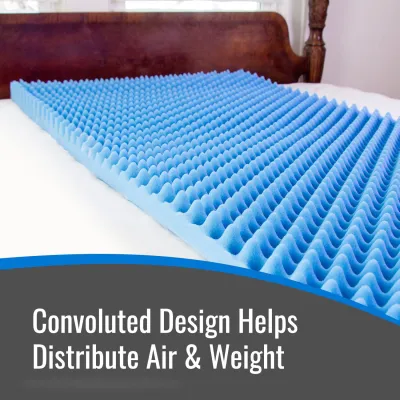
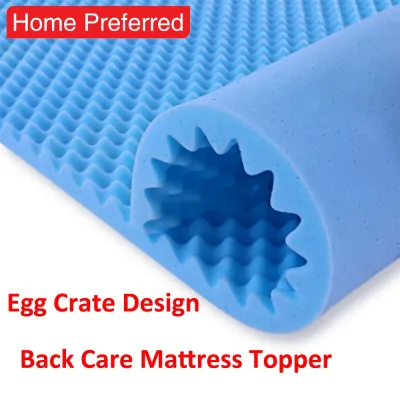
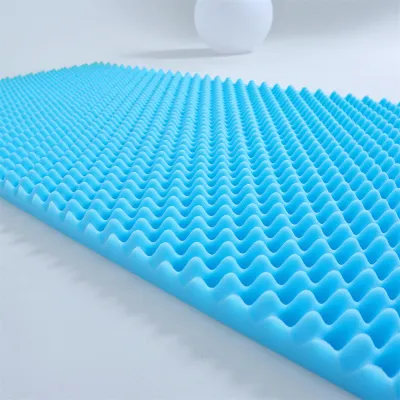
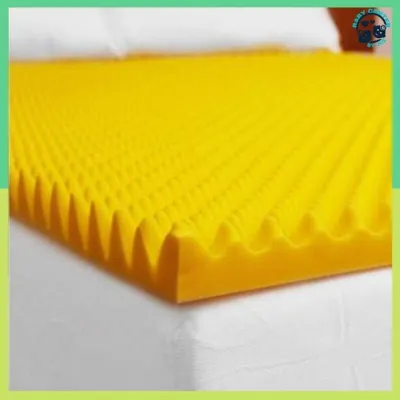
The distinctive “egg crate” design, technically known as convoluted foam, is created by cutting a standard foam block into alternating peaks and valleys. This textured surface reduces the overall contact area between your body and the mattress, creating small open channels where air can theoretically flow. When you shift during sleep, these channels compress and expand, acting like a basic bellows system to push warm air away from your skin. Compared to a completely flat block of standard polyurethane foam, this convoluted structure offers a noticeable improvement in initial surface ventilation.
Products mentioned in this guide
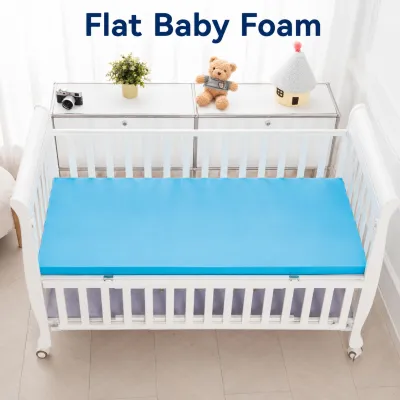
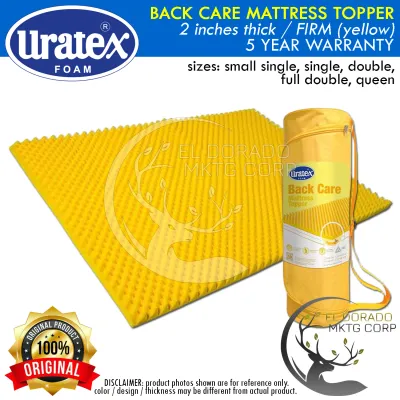
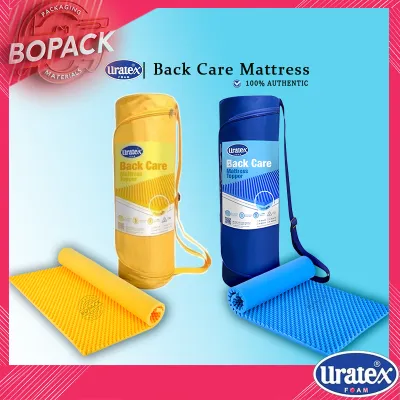
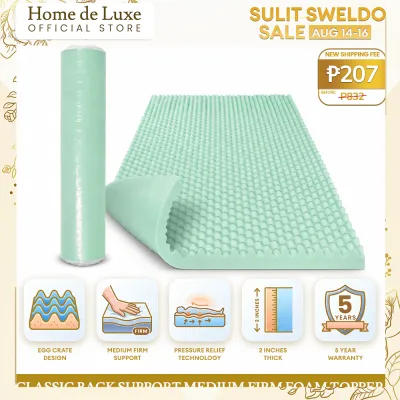
Prices are valid at publication and may change. Please refer to the product page for the latest price.
However, the underlying material remains polyurethane, a synthetic polymer known for its high thermal insulation properties. Polyurethane foam consists of millions of tiny, closed or semi-open cells that trap air. While trapped air is excellent for cushioning, it also acts as a barrier to heat dissipation. As you lie on the mattress for several hours, your body heat warms the foam directly beneath you. Because the material cannot quickly conduct this heat away, the mattress begins to reflect your own warmth back to you, creating a localized hot zone.
In the humid climate of the Philippines, this heat retention is compounded by moisture accumulation. High relative humidity means the air is already saturated with water vapor, making it harder for sweat to evaporate. Standard polyurethane foam is highly absorbent, drawing in both sweat and ambient moisture from the air. When moisture becomes trapped within the dense cell structure, it creates a clammy sleeping surface and accelerates material degradation. Over time, this trapped dampness can cause the foam to sag prematurely and lose its supportive qualities.
What to Check on the Label and Bed Frame Before Use
If you are considering an egg crate foam mattress, you must evaluate specific product specifications and your bed setup. First, check the foam density on the product label, typically measured in kilograms per cubic meter. Higher-density foam offers better support and longevity, but its tightly packed cell structure retains more heat. Conversely, low-density foam may feel cooler initially due to its looser structure, but it tends to flatten quickly under body weight, collapsing the air channels the egg crate design is meant to provide.

You must also measure the thickness of the egg crate layer. A thin topper (around 1 to 2 inches) relies entirely on the support of the mattress underneath. If placed on a solid, non-breathable base, even a high-quality convoluted topper will struggle to dissipate heat. If you are using a full egg crate mattress, ensure it has a balanced core layer that prevents you from sinking too deeply, as deep sinking wraps the material around your body and cuts off lateral airflow.
The foundation supporting your mattress is just as critical as the foam itself. Placing an egg crate mattress on a solid wooden platform, a concrete plinth, or directly on the floor blocks downward airflow, trapping heat and moisture within the lower layers. To maximize ventilation, pair the mattress with a sturdy slatted bed frame. The gaps between the slats allow air to circulate freely beneath the bed, drawing heat and moisture away from the mattress core. Ensure the slats are spaced no more than 3 inches apart to prevent the foam from sagging.
Finally, examine the mattress cover and any safety certifications on the packaging. Look for covers made from breathable, open-weave fabrics rather than dense synthetic polyesters. Certifications such as CertiPUR-US or OEKO-TEX Standard 100 are important indicators of chemical safety, ensuring the foam is free from harmful ozone depleters and heavy metals. However, understand that these certifications verify chemical safety and environmental standards, not cooling performance or breathability.
Adjusting Your Bedding and Room Environment for Better Cooling
To compensate for the natural heat-retaining properties of polyurethane foam, you must carefully select the bedding that sits directly against your skin. Heavy synthetic sheets, such as polyester or microfiber, act as a barrier that traps heat and moisture. Instead, opt for highly breathable, moisture-wicking sheets made from natural fibers. Pure cotton with a percale weave offers a crisp, cool feel and allows air to pass through easily. Bamboo-derived viscose and linen are also excellent choices for tropical climates, as they naturally absorb moisture and dry quickly.
Managing the microclimate of your bedroom is equally vital for maintaining a comfortable sleeping temperature. If you rely on natural ventilation, position your bed to take advantage of cross-breezes, and use a ceiling or standing fan to keep air moving across the mattress surface. For those using air conditioning, maintaining a moderate, consistent temperature helps cool the foam before you lie down. If your bedroom suffers from high humidity, running a standalone dehumidifier can significantly improve comfort by lowering ambient humidity and allowing sweat to evaporate more efficiently.
Routine maintenance is essential to protect your mattress from the damaging effects of tropical humidity. Make it a habit to strip your bedding completely once a week, leaving the mattress bare for several hours to allow trapped moisture to evaporate. Periodically rotate the mattress end-to-end to ensure even wear and prevent deep body impressions. If the mattress begins to feel damp or develops a faint odor, move it to a well-ventilated, shaded area with good airflow to dry out. Avoid exposing polyurethane foam to direct sunlight, as ultraviolet rays rapidly degrade the material.
Signs You Need a More Breathable Mattress Structure
Even with optimized bedding and room ventilation, an egg crate foam mattress may not meet the cooling needs of every sleeper. You must monitor your sleep quality and the physical condition of your bed for clear signs that the setup is failing. If you consistently wake up hot and drenched in sweat, or if you feel a persistent, clammy dampness on the sheets, the foam is likely retaining too much heat and moisture. Another warning sign is a musty or sour odor emanating from the mattress, which indicates that moisture has penetrated deep into the foam pores.
When these issues persist, it is time to compare alternative mattress structures that offer superior airflow. Natural latex mattresses are an excellent alternative for tropical climates; they feature an open-cell molecular structure and vertical ventilation pinholes that allow heat to escape easily. Pocketed innerspring mattresses are another highly breathable option, as the large open cavities between the individual steel coils allow air to circulate freely. While gel-infused memory foams are often marketed as a cooling solution, they have realistic limitations in high-humidity environments; once the gel reaches body temperature, the underlying polyurethane structure still restricts airflow.
To make your final decision, evaluate your personal thermal comfort, your budget, and your existing bedroom setup. If you are on a tight budget and already own a high-quality slatted frame, upgrading your bedding to linen or bamboo sheets and using a dehumidifier may make your current egg crate mattress tolerable. However, if you are a naturally hot sleeper, do not have air conditioning, or live in an exceptionally humid coastal area, investing in a pocketed spring or natural latex mattress is often the most practical long-term solution.
Frequently Asked Questions (FAQ)
Can I use a cooling mattress topper over an egg crate foam mattress?
Adding a cooling mattress topper over an egg crate foam mattress is generally not recommended in a hot and humid climate. While a topper made of gel-infused foam or specialized cooling fibers might feel cool to the touch initially, stacking two layers of foam creates a significant barrier to airflow. The bottom egg crate layer will trap the heat escaping from the topper, while the interface between the two layers can easily become a moisture trap. This accumulated dampness can lead to mold growth and accelerate the breakdown of both the topper and the mattress. If you need a cooler sleeping surface, it is more effective to upgrade your sheets or choose a mattress with an inherently breathable core.
How often should I air out my egg crate foam mattress in a humid climate?
In a humid tropical climate, you should air out your egg crate foam mattress at least once every two to three weeks. To do this, strip all sheets and mattress protectors, and let the bare foam sit in a well-ventilated room with a fan running for several hours. If you live in an area with exceptionally high humidity or do not use air conditioning, consider doing this weekly when you wash your bedding. Always perform a visual and tactile check during this time: run your hand over the surface to feel for dampness, inspect the valleys of the egg crate pattern for any dark spots that could indicate mold, and check for musty odors. Never place the foam in direct sunlight, as UV light will damage the polyurethane material.

Community discussion
Share your experience or ask a question. Comments are reviewed before publication.