
Choosing between engineered wood and solid wood for your home in the Philippines is not a matter of finding a single, universal winner. Instead, the right choice depends on the specific piece of furniture, how the manufacturer has treated the material, and the environment of the room where it will stand. Both materials offer distinct advantages and trade-offs when subjected to the local tropical climate, which is characterized by high humidity, seasonal temperature shifts, and active wood-boring pests.
To make an informed investment, you must evaluate how each material balances upfront cost, moisture handling, and long-term durability. This guide provides a practical framework to help you verify product labels, inspect construction quality in showrooms, and assess manufacturer warranties. By understanding these key factors, you can select furniture that matches your budget and stands up to the demands of your living space.
Understanding Core Structures and Verifying Materials
To make a sound purchase, you must first understand what lies beneath the surface of a furniture piece. Solid wood refers to natural timber cut directly from a tree trunk, preserving the continuous grain structure of the wood species throughout the entire component. Engineered wood, on the other hand, consists of composite materials made by binding wood fibers, particles, veneers, or strands together using adhesives under high pressure.
Products mentioned in this guide
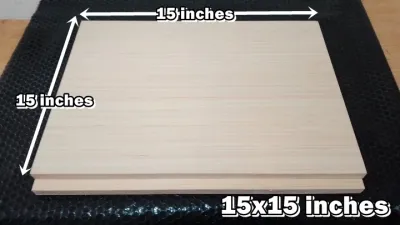
8 Lazada user ratings
15x15 INCHES Plywood or Plyboard for storage, tables, chairs, cabinets, interiors, and DIY work
Package arrived well packed, in good condition and came within 48hrs
good quality
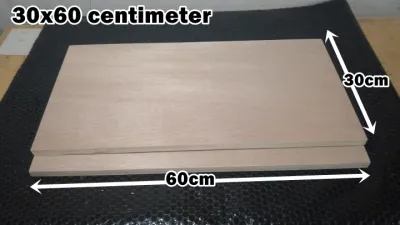
6 Lazada user ratings
Durability: Tamam abi ben sana yarın sabah atarım o parayı sen bana at abi yarın ben de olur tamam abi ben sana
Ease of Use: Intuitive design., Portability: Great for mobility., Durability: Very durable product.,
ganda ng quality makinis na
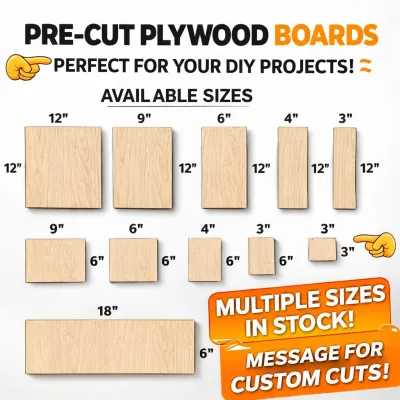
131 Lazada user ratings
here's some photo reference for those who are interested to buy this item... safe packaging... Legit ang kapal, thank you!!! by the way, tha…Read full reviewShow less
here's some photo reference for those who are interested to buy this item... safe packaging... Legit ang kapal, thank you!!! by the way, thank you seller...
Perfect 12 x 12 plyboArD as ordered !!! almost a solid wood as it was perfectly sanded and preservered, all it needs is a paint
Perfect for DIY woodworking projects, Fast and secure shipping, Excellent craftsmanship, High-quality materials used,
Perfect for DIY woodworking projects, Fast and secure shipping, High-quality materials used, Smooth surface finish,
Durable and sturdy plywood, Reliable and trustworthy seller, Fast and secure shipping, High-quality materials used,
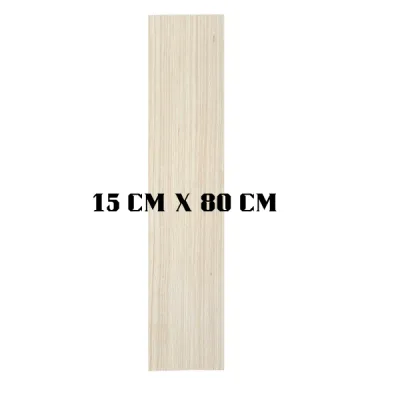
7 Lazada user ratings
legit 3/4 plyboard maganda rin pag kaka cut at hindi paling thanks seller buti nkaka order na nag ganitong mga putop ng plyboard. order ulit…Read full reviewShow less
legit 3/4 plyboard maganda rin pag kaka cut at hindi paling thanks seller buti nkaka order na nag ganitong mga putop ng plyboard. order ulit ako pag kinailangan.
Maganda ang quality, makinis siya at matibay, tamang gaan pang partition sa cabinet at sakto ang size. Value of money, satisfied with my pur…Read full reviewShow less
Maganda ang quality, makinis siya at matibay, tamang gaan pang partition sa cabinet at sakto ang size. Value of money, satisfied with my purchase.
looks quality, I like this, thanks to the seller and to your rider who makes an effort to deliver this to me.
same as good as the first one I ordered before, I really like it.
133 Lazada user ratings
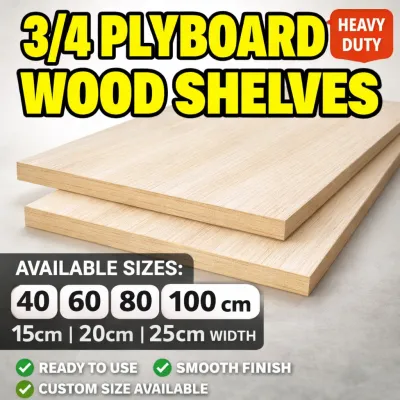
🔨Durability:durable siya. nakagawa na ako ng shelf na DIY 💾Storage Capacity:okay for storing medium to heavy items depende nalang sa bracket…Read full reviewShow less
🔨Durability:durable siya. nakagawa na ako ng shelf na DIY 💾Storage Capacity:okay for storing medium to heavy items depende nalang sa bracket na gagamitin
makapal fast shipping matibay! well recommended! buy na maganda ang, quality nya! 🔨Durability: matibay naman sya! kapit na kapit ang turnily…Read full reviewShow less
makapal fast shipping matibay! well recommended! buy na maganda ang, quality nya! 🔨Durability: matibay naman sya! kapit na kapit ang turnilyo
Design: It was great and clean. 🔨Durability: Oh it is not marine. I like it because it's sturdy.
Same as what is being advertised. Maganda siya and pwede na siyang gamitin as shelf din. Nice
màganda sya..malinis na at Hindi ampao. very satisfying items..
Prices are valid at publication and may change. Please refer to the product page for the latest price.
When browsing furniture options, always check the product specifications for the exact type of engineered wood used. Common variants include Medium-Density Fiberboard (MDF), particleboard (often called chipboard), and plywood. Plywood consists of cross-laminated wood veneers and generally offers higher structural stability than particleboard. If the piece features a real wood veneer—a thin layer of natural hardwood bonded to an engineered core—ask the retailer or check the specification sheet for the veneer thickness, as thicker veneers allow for light sanding if the surface gets scratched.
You can verify these material claims in-store by performing a close physical inspection. Examine unexposed areas, such as the underside of a tabletop, the back panel of a wardrobe, or the interior walls of a drawer. Look closely at the edges; high-quality engineered wood furniture utilizes thick, well-adhered edge banding to seal the inner core from moisture and physical wear. For solid wood pieces, inspect the joinery at the corners—traditional joints like dovetails or mortise-and-tenon connections indicate robust construction, whereas visible glue lines or staples may suggest lower-quality assembly.
Evaluating Durability and Humidity Resistance
The tropical climate of the Philippines presents unique challenges for wooden furniture due to fluctuating indoor humidity levels. Natural wood is hygroscopic, meaning it absorbs and releases moisture from the surrounding air, leading to physical expansion and contraction. Over time, this constant movement can cause solid wood to warp, cup, or split if it is not properly seasoned or finished. Engineered wood, particularly plywood, is designed to resist warping because its cross-laminated layers counteract natural wood movement, though particleboard and MDF can swell significantly if water penetrates their outer seals.

When evaluating engineered wood furniture for humid environments, look for specific moisture-resistant (MR) or exterior-grade labels. Manufacturers often use specialized resins or moisture-resistant binders to improve the core’s stability in damp conditions. Check the product documentation or ask the seller for certifications indicating compliance with international moisture-resistance standards, especially for kitchen cabinets or bathroom vanities.
For solid wood furniture, the key to humidity resistance lies in the wood species, seasoning process, and protective finish. Verify whether the timber has undergone proper kiln-drying, a process that reduces the wood’s internal moisture content to a stable level before manufacturing. Ask about the type of protective finish applied to the surface; high-quality polyurethane, lacquer, or specialized wood oils seal the pores and slow down moisture exchange.
Always review the manufacturer’s care instructions regarding furniture placement. Even well-finished wood can suffer damage if placed directly under an air conditioning unit, next to a humidifier, or in the path of direct sunlight from a window. Verifying these environmental recommendations before purchasing helps ensure the material matches the specific microclimate of your room.
Checking Termite Resistance and Pest Treatments
Termites and other wood-boring insects are a common concern for homeowners in the Philippines. It is a misconception that solid wood is naturally immune to pests or that engineered wood is entirely termite-proof due to its adhesive content. In reality, termites can damage both materials if they are left untreated and exposed to an active infestation.
To protect your investment, check if the furniture has received specific anti-termite treatments during manufacturing. Look for official treatment certificates, chemical safety data sheets (MSDS), or explicit warranty clauses that cover pest damage. Some engineered wood products are manufactured with zinc borate or other insecticidal additives mixed into the resins, which deters pests without posing risks to household members when sealed properly.
During your physical inspection, look for structural details that act as physical barriers against pests. Ensure all edges, including the back and bottom panels of the furniture, are completely sealed with laminate, veneer, or edge banding, as exposed core materials provide an easy entry point for insects. Regular maintenance, such as keeping the furniture dry and occasionally inspecting the joints for fine wood dust or small holes, is essential for preventing infestations.
If your home has a known history of termite activity, do not rely solely on the furniture’s inherent properties. It is highly recommended to consult a licensed pest control professional to conduct an environmental assessment of your space and apply preventative soil or barrier treatments before bringing new wooden furniture into the house.
Comparing Costs and Long-Term Value
Evaluating the financial aspect of your furniture purchase requires looking beyond the initial price tag. While solid wood furniture typically commands a higher initial price in ₱ due to the cost of raw timber and skilled craftsmanship, it often provides exceptional long-term value. Solid wood can be sanded down, repaired, and refinished multiple times over decades, allowing it to function as an heirloom piece that adapts to changing interior styles.
Engineered wood furniture generally offers a more accessible entry point, making it highly suitable for budget-conscious buyers or temporary living arrangements. However, if the protective laminate or veneer on an engineered wood piece becomes severely chipped or suffers water damage that causes the core to swell, repairing it can be difficult or impossible. In such cases, the cost of replacing the entire piece must be factored into your long-term budget.
To gauge the manufacturer’s confidence in their product’s durability, carefully review the warranty terms. Look for specific clauses regarding structural failure, peeling veneers, or joint separation under normal use conditions. A longer, comprehensive warranty often indicates that the manufacturer has utilized higher-grade adhesives, denser core materials, and robust edge-sealing techniques, providing better overall value for your ₱ investment.
Decision Framework: Which Material Fits Your Needs?
To finalize your decision, match your specific household needs, budget, and room conditions against the characteristics of each material. This structured framework helps you determine which option offers the most practical solution for your home.
Consider choosing solid wood if:
- You are investing in long-term, heavy-use furniture such as dining tables, bed frames, or main entry doors.
- You prefer the unique, natural grain patterns of timber and want the flexibility to sand and refinish the piece in the future.
- You have verified that the wood species is suitable for the local climate and has been properly kiln-dried and sealed.
Consider choosing engineered wood if:
- You have a strict initial budget or are furnishing a rental property where long-term heirloom durability is not a priority.
- You require lightweight, modular, or flat-pack furniture that is easy to move, reassemble, or configure.
- You have verified that the piece features high-density cores (such as high-quality plywood or MR-rated MDF) with fully sealed edge banding.
Always verify the specifications first if:
- The furniture will be placed in high-moisture zones like bathrooms, kitchens, or semi-outdoor patios.
- The piece must support heavy, concentrated loads, such as large bookshelves or television consoles, where core density and joinery strength are critical.
- The manufacturer does not provide clear details regarding moisture-resistance ratings, pest treatments, or warranty coverage.
Frequently Asked Questions (FAQ)
Can I repaint or refinish engineered wood furniture?
Yes, but the process depends heavily on the surface finish. If the furniture has a real wood veneer, you can lightly sand and refinish it, provided the veneer is thick enough to avoid exposing the engineered core underneath. For furniture finished with plastic laminates, melamine, or paper foils, traditional sanding and staining will not work. Instead, you must use specialized primers designed to adhere to non-porous surfaces before applying compatible furniture paint. Always check the manufacturer’s guidelines and test any paint or solvent on an inconspicuous area, such as the inside of a cabinet door, before proceeding.
How do I identify the core material inside a veneered piece?
You can identify the hidden core material by inspecting the unexposed and unfinished areas of the furniture. Check the edges of drawer panels, the cutouts around hardware or cable management holes, and the back or bottom surfaces of the piece. Plywood will display distinct, alternating parallel layers of wood veneer when viewed from the edge. Particleboard will reveal a rough, multi-colored texture composed of visible wood chips and compressed particles. MDF will appear very smooth, dense, and uniform, resembling thick cardboard or compressed paper fibers.

Community discussion
Share your experience or ask a question. Comments are reviewed before publication.