
Finding the right seating solution for a home office or study in the Philippines requires balancing comfort, durability, and cost. When shopping for a furnitura ergonomic chair or similar options, the market offers a wide spectrum of features across the ₱3,000 to ₱15,000 price range. Understanding what build quality, adjustability, and materials are realistic at each budget tier prevents buyer’s remorse and ensures your investment supports your physical well-being. At the lower end of this range, you can expect basic height adjustments and standard foam padding, while the upper end introduces highly customizable support systems, advanced mesh materials, and robust mechanical components designed for long-term daily use.
Defining Your Ergonomic Priorities Before Setting a Budget
Before browsing online marketplaces or visiting local showrooms, it is essential to evaluate your specific daily habits and physical requirements. Sitting for two hours a day demands a very different level of support than working an eight-hour shift. If your routine involves prolonged, continuous sitting, prioritizing dynamic adjustments—such as a synchronized tilt mechanism or adjustable lumbar support—becomes far more critical than if you only use the chair for occasional administrative tasks.
Next, identify your primary physical pain points to determine where you need the most targeted support. If you frequently experience lower back stiffness, a chair with a highly adjustable or prominent lumbar support pad should be your main focus. Conversely, if neck strain or wrist fatigue is your primary complaint, you should prioritize chairs that feature adjustable headrests and multi-directional armrests that can align with your desk height.
Products mentioned in this guide
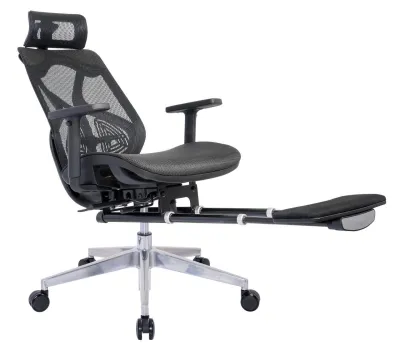
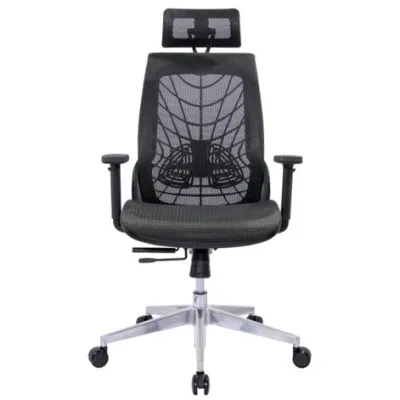
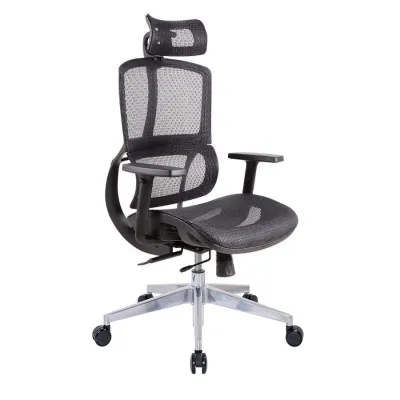
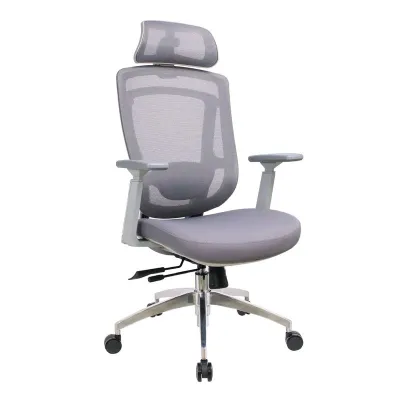
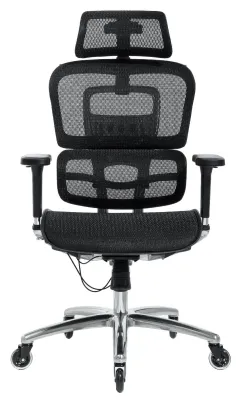
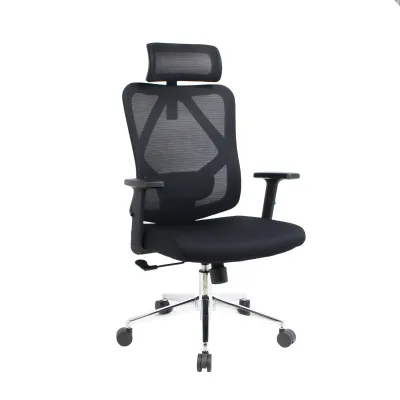
Prices are valid at publication and may change. Please refer to the product page for the latest price.
It is also helpful to separate aesthetic preferences from functional necessities to avoid overspending. Sleek designs, chrome accents, or colorful upholstery might look appealing in photos, but they do not contribute to physical comfort or spinal alignment. Focusing your budget on mechanical adjustability and material durability rather than visual upgrades ensures that every peso spent directly benefits your posture and long-term comfort.
Entry-Level Expectations: ₱3,000 to ₱5,000
In the ₱3,000 to ₱5,000 price bracket, buyers should expect straightforward, functional designs with basic adjustability. Chairs in this tier typically feature standard high-back or mid-back frames with fixed lumbar support or a simple, manual tilt-tension knob. Rather than independent, dynamic lumbar systems that adapt to your movements, these models rely on the natural curve of the backrest frame to provide static support.

Material choices in this entry-level tier are generally limited to standard polyurethane (PU) leather or basic fabric stretched over molded foam. In the warm and humid climate of the Philippines, these materials can retain body heat during extended sitting sessions, potentially leading to discomfort. The foam padding used in this price range is often of lower density, which may feel soft initially but can compress permanently over months of heavy daily use.
Adjustability features are modest at this price point, usually restricted to pneumatic seat height adjustment via a standard gas lift and basic tilt tension. Armrests are typically fixed to the frame or offer simple vertical height adjustments without the ability to slide forward, backward, or pivot inward. These limitations mean the chair must fit your body proportions reasonably well right out of the box, as you cannot fine-tune the components to your frame.
When evaluating an entry-level chair, it is crucial to verify the manufacturer’s stated weight capacity and the materials used for the base. While premium chairs use heavy-duty metals, entry-level models often utilize reinforced nylon or lightweight steel bases. Checking these specifications helps ensure the chair can safely support your weight and remain stable during daily movements.
Mid-Range Upgrades: ₱6,000 to ₱10,000
Stepping up to the ₱6,000 to ₱10,000 tier introduces significant improvements in adjustability, material quality, and overall durability. One of the most notable upgrades in this range is the inclusion of independent or adjustable lumbar pads. These pads can typically be moved vertically, allowing you to position the support exactly where your lower back curves, which helps maintain proper spinal alignment during long working hours.
Breathable mesh backrests become standard in this mid-range category, offering a major advantage for tropical workspaces. High-quality mesh allows continuous airflow, preventing heat buildup and keeping you cool even without air conditioning. The mesh used in this tier is generally more resilient than entry-level fabrics, maintaining its tension and shape over longer periods of continuous use.
Armrests also receive a functional upgrade, often moving from fixed designs to 2D or 3D adjustable configurations. This means you can adjust not only the height of the armrests but also slide them forward or backward, and pivot them inward or outward. This level of customization helps support your forearms properly, reducing strain on your shoulders and neck while typing or using a mouse.
Furthermore, mid-range chairs frequently feature synchronized tilt mechanisms rather than simple center-tilt systems. A synchronized tilt allows the backrest and the seat pan to recline at a pre-set, ergonomic ratio. This movement keeps your feet flat on the floor and maintains proper posture even when you lean back to rest or take a phone call.
Premium Features Within Budget: ₱11,000 to ₱15,000
At the top of our budget spectrum, from ₱11,000 to ₱15,000, you can expect advanced ergonomic features and premium materials designed for maximum customization and longevity. A key feature in this tier is seat depth adjustment, which allows you to slide the seat pan forward or backward. This adjustment is vital for ensuring proper thigh support without putting pressure on the back of your knees, making the chair highly adaptable to different heights.
Armrests in this premium bracket often upgrade to full 4D adjustability, adding width adjustment to the height, depth, and pivot options. Additionally, these chairs frequently include integrated, highly adjustable headrests that can be tuned for both height and angle, providing comprehensive support for your cervical spine during long working sessions.
The materials used in this price range are significantly more robust, featuring high-density, elastomeric mesh that resists sagging and heavy-duty bases made from reinforced aluminum or premium nylon. These components contribute to a more stable, solid feel with minimal wobbling or creaking when you shift your weight. The overall build quality is designed to withstand years of rigorous daily use.
You will also find multi-functional tilt locks in this tier, which allow you to recline the backrest and lock it securely at multiple specific angles, rather than just upright or fully reclined. Finally, manufacturers of chairs in this price bracket often provide more comprehensive warranty terms. It is common to find extended coverage on critical moving parts, such as the gas lift cylinder and the tilt mechanism, giving you peace of mind regarding your investment.
How to Verify Build Quality and Adjustability Before Buying
When shopping for a furnitura ergonomic chair or any other model online, verifying the build quality requires careful research. Start by cross-referencing the official product descriptions with independent user reviews. Look specifically for feedback regarding long-term mesh tension, whether the gas lift holds its height over several months, and if the frame develops squeaks or wobbles over time.
It is also essential to check the exact physical dimensions of the seat pan, backrest, and armrests before making a purchase. Compare these measurements against your current seating setup and your desk height to ensure proper clearance. A chair that is too wide may prevent you from using the armrests comfortably, while a seat pan that is too deep can force you to slouch to reach the backrest.
Pay close attention to the class rating of the gas lift cylinder, which is the component responsible for height adjustment and weight support. Look for chairs that explicitly specify a Class 3 or Class 4 gas lift, as these are rated for higher weight capacities and offer superior safety and durability under continuous daily loads.
Lastly, consider the type of casters included with the chair. Hard nylon casters are ideal for carpeted floors but can scratch hardwood or tile surfaces. If your home office has tiled or wooden flooring, look for chairs equipped with soft polyurethane casters, or plan to purchase a protective floor mat to ensure smooth, quiet mobility without damaging your floors.
Hidden Costs and Purchase Considerations
When budgeting for an ergonomic chair, the purchase price is not always the final cost. Delivery fees can add a significant amount to your total expense, particularly for bulky, heavy furniture shipped outside major metropolitan areas like Metro Manila. Always check the shipping rates to your specific province before finalizing your budget to avoid unexpected charges at checkout.
Another factor to consider is assembly. Most ergonomic chairs shipped from online platforms arrive flat-packed and require DIY assembly. While manufacturers usually include basic tools and instructions, some users may find the process challenging or time-consuming. Verify if the product description mentions the assembly difficulty, or check if the seller offers an optional professional assembly service for an additional fee.
Reviewing the return and exchange policy is also critical, especially when buying a chair you have not tested in person. Comfort is highly subjective, and a chair that looks perfect on paper may not suit your body. Check whether the seller allows returns for comfort-related reasons, and be aware that many platforms restrict returns once the furniture has been fully assembled.
If you do decide to purchase, make sure to keep the original packaging, including the box and protective inserts, for the duration of the return window. Returning a fully assembled or disassembled chair without its original box can be extremely difficult, and many courier services will refuse to accept large, unpackaged items for return shipping.
Frequently Asked Questions (FAQ)
Is a mesh back always better than foam for an ergonomic chair?
A mesh backrest is highly advantageous in warm, humid climates like the Philippines because it allows air to circulate freely, keeping your back cool during long working hours. However, the quality of the mesh is critical; low-quality mesh can stretch and sag over time, losing its supportive shape. High-density foam, on the other hand, offers a more cushioned, structured feel but can trap body heat if it lacks breathable fabric covers. Within the ₱3,000 to ₱15,000 budget, look for high-tensile mesh in mid-to-high-tier chairs, or opt for high-density molded foam if you prefer a plush, contoured seat.
How long should a budget ergonomic chair last?
The lifespan of an ergonomic chair depends heavily on daily usage hours, user weight, and how well the chair is maintained. An entry-level chair in the ₱3,000 to ₱5,000 range typically lasts between one to three years under normal daily use before components like the foam or basic gas lift begin to degrade. Mid-range and premium chairs priced up to ₱15,000 often last three to five years or longer, as they utilize more durable materials like reinforced nylon, aluminum, and high-grade gas cylinders. Checking the manufacturer’s warranty period is an excellent way to gauge the expected minimum lifespan of the chair.

Community discussion
Share your experience or ask a question. Comments are reviewed before publication.