
Finding the right ergonomic hydrolic chair in the Philippines requires balancing your budget with the physical features that protect your posture during long hours of work or study. At the entry-level price point of ₱3,000, you can expect basic height adjustments and standard materials that serve as a functional starting point. Moving up to the ₱5,000 to ₱8,000 range introduces essential adjustability like lumbar support and multi-position tilt locks, while the premium ₱10,000 to ₱15,000 tier delivers advanced mechanics like synchro-tilt, seat depth sliders, and highly durable materials designed to withstand tropical humidity. Understanding these distinctions ensures you invest in a chair that matches your physical needs without overpaying for unnecessary extras.
Core Specifications to Verify for Any Hydraulic Chair
Before comparing price tiers, establish your baseline safety and spatial requirements. The hydraulic cylinder, often referred to as the gas lift, is the core component of any hydrolic chair. You must verify its safety rating by checking the product label or manual for its cylinder class and certified weight capacity limits. A higher class generally indicates thicker steel walls and better pressure containment, which is crucial for long-term safety and stability.
Spatial compatibility is equally critical to avoid buying a chair that does not fit your workspace. Measure your desk’s clearance height, the available floor space in your room, and the width of your doorways or elevator access. Ensure the chair’s base diameter and full recline range can operate freely within your designated area without striking walls or furniture.
Products mentioned in this guide
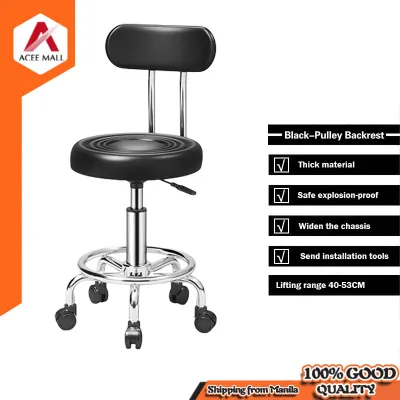
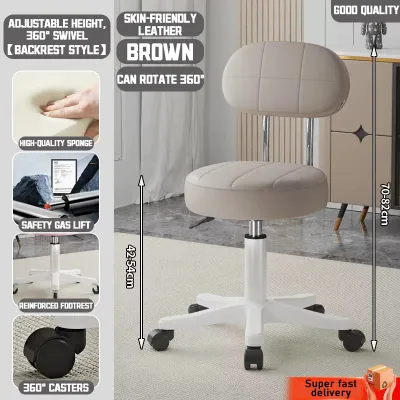
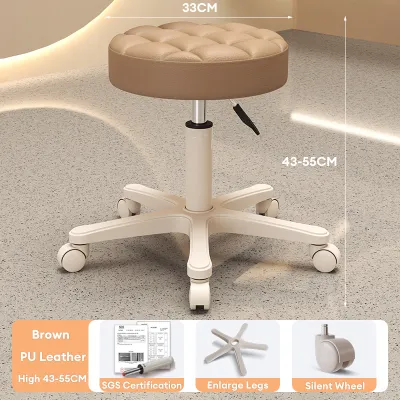
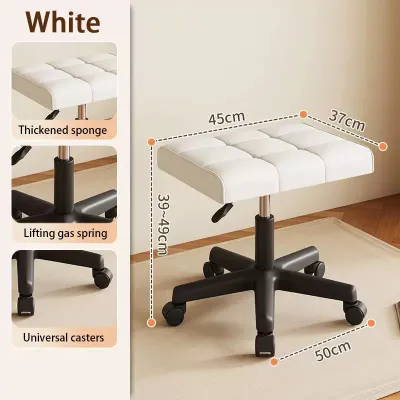
Prices are valid at publication and may change. Please refer to the product page for the latest price.
Finally, examine the manufacturer’s warranty terms closely before making a purchase. A reliable warranty should explicitly cover the hydraulic mechanism and moving structural parts, not just the fabric or frame. Knowing the duration and process for claiming replacement parts protects your investment if the gas lift encounters issues down the line.
Realistic Features at the ₱3,000 Price Point
At the entry-level budget of approximately ₱3,000, a hydrolic chair provides the bare essentials of office seating. You will find standard hydraulic height adjustment paired with a basic tilt-tension knob beneath the seat. This mechanism allows the chair to rock back slightly, but it typically lacks independent lumbar support, adjustable armrests, or the ability to lock the backrest at different angles.

Material trade-offs are highly prominent at this price point to keep manufacturing costs low. The seat cushion usually features lower-density cut foam, which may feel comfortable initially but tends to flatten permanently after a few months of continuous use. The backrest mesh is often basic polyester that can stretch out and sag, especially when exposed to high tropical humidity, reducing its supportive qualities over time.
When shopping in this budget tier, you must remain vigilant against common red flags. Be cautious of listings that lack clear cylinder safety documentation or feature unbranded gas lifts. Vague weight capacity claims that are not backed by official manufacturer specifications are another warning sign that the chair may not offer the structural integrity required for daily, long-term use.
Upgrades to Expect in the ₱5,000 to ₱8,000 Range
Stepping up to the mid-tier budget of ₱5,000 to ₱8,000 yields significant improvements in both daily comfort and overall durability. In this range, chairs transition from simple office seats to true ergonomic tools. You can expect dedicated, adjustable lumbar support that can be shifted vertically to align with the natural curve of your lower spine.
Adjustability extends to other key areas of the chair as well. Armrests in this tier are typically height-adjustable and padded, reducing strain on your shoulders and neck during long typing sessions. Additionally, the basic rocking mechanism is replaced by multi-position tilt locks, allowing you to secure the backrest at several comfortable angles for focused work or relaxed reading.
The materials used in this mid-range tier are noticeably superior. Seat cushions are constructed from higher-density foam that retains its shape and support for years. The backrest utilizes more breathable, tightly woven mesh that resists stretching, ensuring consistent airflow and support in warm climates. The hydraulic cylinders are also of higher quality, offering smoother height adjustments and clearer weight rating documentation.
Premium Ergonomic Support at ₱10,000 to ₱15,000
For users who spend eight or more hours a day at their desks, the ₱10,000 to ₱15,000 price range offers premium ergonomic support designed for intensive use. The defining feature of this tier is multi-dimensional adjustability. You will find advanced synchro-tilt mechanisms, where the backrest and seat tilt at a synchronized ratio to keep your feet flat on the floor and maintain proper spinal alignment as you recline.
Seat depth sliders are another crucial upgrade found in this premium bracket. This feature allows you to slide the seat pan forward or backward to accommodate different thigh lengths, ensuring proper circulation behind your knees. Armrests also upgrade to 3D or 4D configurations, allowing you to adjust their height, depth, angle, and width to match your exact typing posture.
The build quality in this tier is engineered for longevity. Instead of standard plastics, these chairs utilize reinforced heavy-duty nylon or polished aluminum bases that offer exceptional stability and tip-over resistance. The upholstery features premium elastomeric mesh or molded foam that contours to your body while maintaining its structural tension. Furthermore, manufacturers in this range typically provide comprehensive warranties and dedicated customer support channels specifically for the hydraulic and structural components.
Smart Shopping and Verification Checklist
Purchasing a hydrolic chair online requires careful verification to ensure the product matches its marketing descriptions. Always cross-reference the listed dimensions, seat height ranges, and weight capacities with the official manufacturer specifications. Avoid relying solely on catchy marketplace titles, which may use generic terms like “heavy duty” without actual technical backing.
Take the time to thoroughly read user reviews on your chosen e-commerce platform. Look specifically for feedback regarding the hydraulic cylinder’s performance over time, paying close attention to mentions of premature sinking, squeaking, or difficulties during the assembly process. Real-world photos uploaded by previous buyers can also give you a clearer picture of the actual material finishes and joint quality.
Finally, calculate the total cost of ownership before clicking the checkout button. Factor in potential shipping fees, which can be substantial for heavy furniture items, and check whether the seller provides clear assembly instructions or video guides. Understanding the return policies for defective gas lifts or damaged parts will save you significant hassle if you need to request a replacement.
Frequently Asked Questions (FAQ)
Is it safe to use a hydraulic chair if the cylinder starts sinking?
No, it is not safe to continue using a hydraulic chair once the cylinder begins to sink. A sinking chair indicates that the internal seals of the gas lift have failed, allowing the pressurized nitrogen gas to escape. This compromise in structural integrity means the chair can no longer reliably support your weight, posing a risk of sudden collapse. You should stop using the chair immediately and consult the manufacturer to secure a replacement cylinder or file a warranty claim. Avoid using temporary physical blocks or DIY clamps, as these do not fix the underlying pressure failure and can lead to sudden structural damage or personal injury.
How do I maintain the hydraulic lift mechanism to extend its lifespan?
To extend the lifespan of your chair’s hydraulic lift, keep the exposed metal cylinder clean and free from dust, pet hair, and floor debris. These particles can cling to the shaft and get dragged into the internal seals during height adjustments, causing premature wear and leaks. Additionally, avoid dropping heavily into the seat, as sudden high-impact forces place extreme stress on the hydraulic seals and can cause them to rupture. Always check the manufacturer’s care instructions before applying any lubricants; many modern gas lifts are self-lubricating, and applying the wrong type of oil can actually degrade the rubber seals and attract more dirt.

Community discussion
Share your experience or ask a question. Comments are reviewed before publication.