
Selecting the right chair with foam is a critical decision for your home office, directly impacting posture, comfort, and daily productivity. The seat cushion bears most of your body weight, making the underlying material choice far more than a matter of simple softness. In the ergonomic seating market, three primary foam types dominate: memory foam, high-density cut foam, and cold-cure molded foam. Each material behaves differently under pressure, responds uniquely to ambient temperature, and offers varying levels of long-term durability.
For professionals working in the Philippines, where high humidity and tropical heat are constant factors, the choice of foam requires careful consideration of breathability alongside structural support. A cushion that feels perfectly plush in an air-conditioned showroom might become uncomfortably warm during a long afternoon in a home office cooled only by a desk fan. By understanding how these foam types are manufactured, how they distribute weight, and how they interact with your local environment, you can confidently navigate price points ranging from entry-level ₱3,000 models to premium ergonomic investments upward of ₱15,000.
Memory Foam: Contouring and Pressure Relief
Memory foam is renowned for its viscoelastic properties, which allow it to soften in response to body heat and pressure. When you sit on a memory foam cushion, the material slowly conforms to your exact physical shape, distributing your weight evenly across the seat pan and minimizing localized pressure points on your tailbone and hips. This slow-rebound characteristic creates a distinct contouring sensation that many users associate with immediate, luxurious comfort.
Products mentioned in this guide
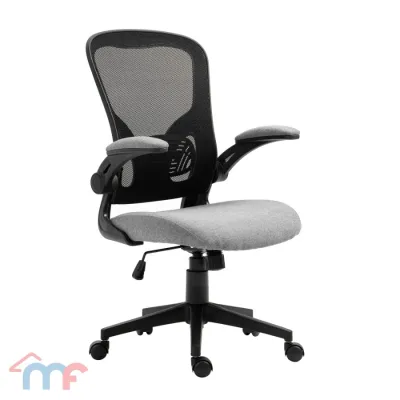
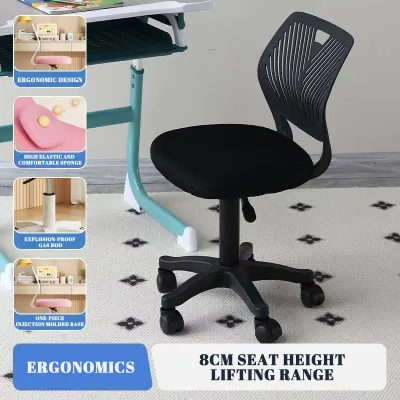
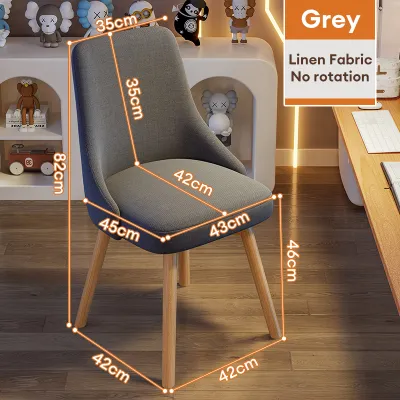
Prices are valid at publication and may change. Please refer to the product page for the latest price.
However, this temperature-sensitive behavior presents specific challenges in tropical climates. Because memory foam relies on heat to contour and lacks an open, highly ventilated cell structure, it naturally tends to trap and retain body heat. In a warm room without continuous air conditioning, a solid memory foam seat can quickly become a heat sink, leading to discomfort during extended working sessions. To mitigate this, reputable manufacturers rarely use memory foam as the sole structural core of an ergonomic chair. Instead, it is typically applied as a thin comfort layer laminated over a firmer, highly supportive base foam, allowing users to enjoy the pressure-relieving benefits without bottoming out against the hard seat pan.
High-Density Foam: Firm Support and Structure
High-density polyurethane foam is the workhorse of the mid-range office furniture industry, valued for its firm support, structural integrity, and resistance to sagging. Unlike memory foam, high-density foam is highly responsive, immediately bouncing back to its original shape when you stand up. This material is categorized by its density rating—the weight of the foam per cubic foot—which directly correlates with its ability to withstand continuous compression over years of daily use.

In many ergonomic chairs, high-density foam serves as the primary support core. It provides a stable, active sitting surface that encourages proper spinal alignment by preventing your pelvis from sinking too deeply into the cushion. This firmness is essential for maintaining an upright posture during long typing sessions. However, because “high-density” is a broad manufacturing category, the actual firmness and quality can vary significantly between brands. Some budget-friendly chairs may use lower-grade foam that feels firm initially but degrades rapidly under consistent weight, making it essential to verify the manufacturer’s specifications or perform a physical compression test before purchasing.
Cold-Cure Foam: Resilience and Molded Durability
Cold-cure foam, also known as molded foam, represents the premium tier of ergonomic seating comfort and durability. Unlike standard high-density foam, which is cut from large blocks, cold-cure foam is produced by injecting liquid polyurethane into a closed mold. The chemical reaction occurs at a relatively low temperature, creating a dense, highly resilient skin on the outside of the cushion while maintaining a consistent, supportive cell structure on the inside.
This specialized manufacturing process allows designers to engineer precise, complex contours directly into the seat cushion, such as recessed areas for the sit bones and raised edges to support the thighs. Cold-cure foam offers an exceptional balance of immediate comfort and uncompromising structural support, resisting deformation even after years of heavy use. Furthermore, its unique cell structure retains far less heat than traditional memory foam, making it a highly suitable option for warm, humid workspaces. While chairs utilizing cold-cure molded foam generally command a higher price, often reaching ₱10,000 to ₱15,000, the investment is reflected in the cushion’s ability to maintain its original shape and ergonomic benefits over time.
Matching Foam Types to Your Daily Work Habits
Choosing the right chair with foam requires a realistic assessment of your daily routine, physical requirements, and workspace environment. Your sitting duration is the first critical factor to evaluate. If your desk work is limited to short, intermittent tasks of one to two hours, a softer, more contouring cushion like a memory foam blend can provide immediate comfort. However, for full-day desk work exceeding six to eight hours, a firmer, more resilient support system like high-density or cold-cure foam is necessary to prevent muscle fatigue and maintain spinal alignment as the hours progress.
Environmental heat sensitivity is another major consideration for home office workers. If your workspace lacks dedicated air conditioning, prioritizing breathability is essential. A dense, heat-retaining memory foam seat can exacerbate discomfort in humid weather, whereas a cold-cure molded foam or a high-density foam with a breathable fabric cover will help keep your seating surface cooler. You must balance the desire for a plush, sinking feel against the long-term ergonomic benefits of a responsive, active sitting surface that supports your body’s natural movements.
Additionally, weight distribution and body mechanics play a vital role in how foam performs over time. Heavier users place greater compressive force on the seat cushion, which can cause softer or lower-density foams to bottom out completely, leaving you sitting directly against the hard plastic or wooden seat pan. To avoid this, always check the manufacturer’s maximum weight capacity and look for high-density or molded foam specifications that match your physical profile. A properly rated cushion ensures even weight distribution, reducing pressure on your thighs and lower back while preserving the lifespan of the chair.
How to Verify Foam Quality Before You Buy
When shopping for an ergonomic chair on online marketplaces or in local showrooms, navigating marketing buzzwords can be challenging. To ensure you are investing in a high-quality chair with foam, start by checking the manufacturer’s detailed specifications. Look for explicit mentions of “molded foam,” “cold-cure foam,” or specific density ratings rather than generic descriptions like “orthopedic foam” or “super-soft cushion.”
Another practical indicator of foam quality is the manufacturer’s warranty period, particularly the section covering the seat cushion. A brand that offers a multi-year warranty on the cushion structure demonstrates confidence that their foam will not sag, flatten, or lose its supportive properties prematurely. If you are shopping in a physical showroom, perform a hands-on sit test: sit on the chair for at least ten minutes, paying close attention to whether you can feel the hard structure beneath the foam, how quickly the cushion rebounds when you stand, and whether the front edge of the seat provides firm support under your thighs without cutting off circulation.
If you are purchasing online through an ecommerce platform, carefully review the seller’s return policies and trial periods. Because comfort is highly subjective and foam firmness can feel different depending on your body weight and local temperature, having the option to test the chair in your actual workspace and return or exchange it if it does not meet your ergonomic needs is an invaluable safeguard for your investment.
Frequently Asked Questions (FAQ)
Can I replace the foam in my existing ergonomic chair?
Most high-quality ergonomic office chairs are designed with integrated seat pans where the foam is permanently bonded to the plastic or wooden base and covered with tightly stretched fabric or mesh. Consequently, these chairs are not intended for user disassembly or aftermarket foam replacement. Attempting to tear out and replace the foam yourself can damage the internal tension mechanisms, alter the carefully engineered seat pan angles, and void the manufacturer’s warranty. If your current seat cushion has flattened or lost its support, adding an external ergonomic seat cushion on top is a safer, non-invasive solution, though replacing the entire chair is often necessary to restore proper ergonomic alignment.
Is mesh seating better than foam for long hours?
The choice between a mesh seat and a chair with foam depends entirely on your personal comfort preferences, body weight, and working environment. Mesh seats offer unparalleled breathability and airflow, making them highly popular in warm, humid climates, but they provide a suspended, firmer feel that some users find restrictive over long hours. Foam cushions, on the other hand, offer superior pressure distribution, contouring, and a plush, supportive surface that accommodates a wider variety of sitting postures. Many modern ergonomic chairs strike an ideal balance by pairing a highly breathable mesh backrest for cooling with a contoured foam seat cushion to ensure long-term lower-body comfort and support.

Community discussion
Share your experience or ask a question. Comments are reviewed before publication.