
Finding a comfortable, supportive seat for your home office does not require spending a fortune, but navigating the budget market requires a clear understanding of what your money actually buys. In the Philippines, the ₱5,000 price point is a highly competitive threshold where manufacturers must balance material costs against functional features. While you will not find high-end, fully customizable seating systems at this level, you can secure a highly functional chair that protects your posture and keeps you comfortable through long working hours. The key to making a smart purchase is knowing which essential features to insist on and which premium additions to skip.
At this budget, a reliable chair should offer fundamental physical support, including adjustable seat height, a breathable backrest, and basic lumbar support. Many buyers fall into the trap of choosing chairs with flashy, non-functional designs that quickly break down under daily use. By focusing on structural integrity, material quality, and verifiable dimensions, you can find a durable model that fits your body and your workspace. This guide breaks down the realistic features available under ₱5,000, the specifications you must verify before purchasing, and how to avoid common quality traps when shopping online.
Realistic Ergonomic Features Under ₱5,000
When shopping for office furniture within a strict budget, managing expectations is the first step toward a successful purchase. Under ₱5,000, the baseline ergonomic features are designed to provide essential support rather than micro-adjustability. You can reliably expect a pneumatic gas lift for seat height adjustment, which allows you to align your feet flat on the floor and keep your knees at a healthy ninety-degree angle. Most chairs in this range also feature a basic tilt-tension mechanism, which lets you adjust the resistance of the backrest when reclining, along with a simple tilt lock to keep the chair upright during focused work. Lumbar support is typically present, though it is usually a fixed plastic band or a height-adjustable lumbar pad rather than a dynamic, depth-adjustable system.
Products mentioned in this guide
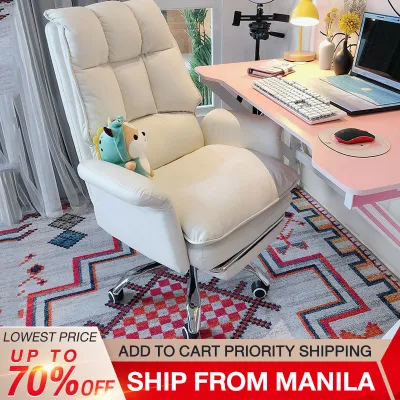
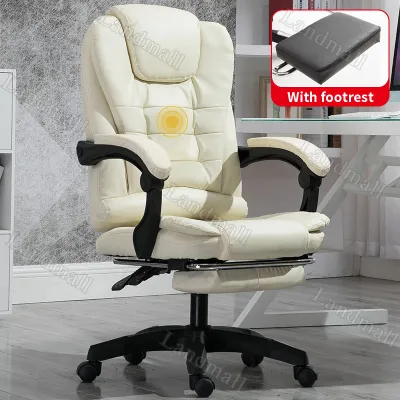
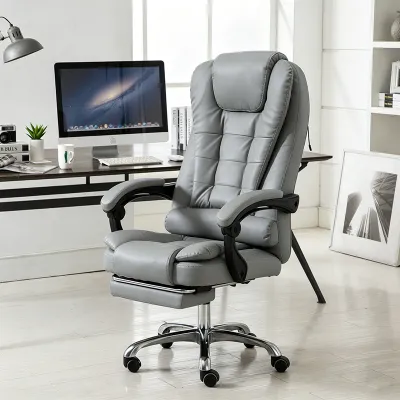
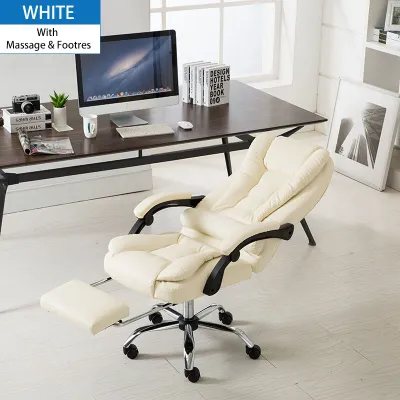
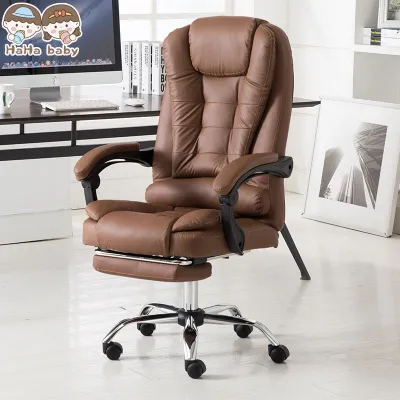
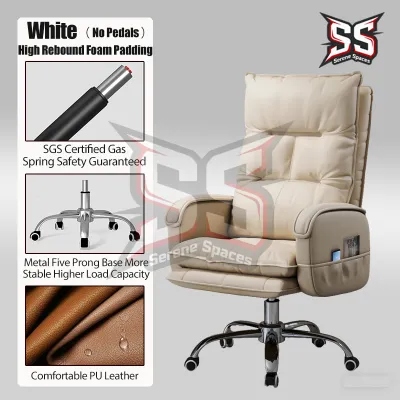
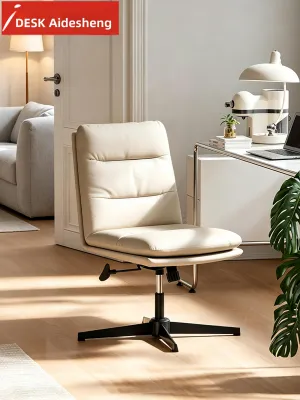
Prices are valid at publication and may change. Please refer to the product page for the latest price.
Conversely, premium ergonomic features are either entirely absent or poorly executed in this price bracket. For instance, multi-directional armrests—often referred to as 3D or 4D armrests that adjust for height, angle, depth, and width—are virtually non-existent; instead, you will find fixed armrests or basic height-adjustable ones. Synchronized tilt mechanisms, which tilt the seat and backrest at different angles to maintain optimal body posture, are replaced by simple center-tilt mechanisms where the entire chair tilts as a single unit. Headrests, if included, are often flimsy and lack the secure locking mechanisms needed to support your neck properly, sometimes causing more discomfort than support.
To get the most value, you should prioritize features based on your specific daily habits and physical needs. If you spend long hours typing, prioritizing sturdy, well-positioned armrests that support your elbows without forcing your shoulders upward is crucial. If you are prone to lower back stiffness, a chair with a dedicated, height-adjustable lumbar support pad should take precedence over a headrest. For those working in non-air-conditioned rooms, prioritizing a highly breathable mesh backrest will do far more for your daily comfort than a thick, heavily padded backrest that traps body heat.
Essential Specifications to Verify Before Checkout
Before clicking checkout, verify the physical dimensions of the chair against your body measurements and workspace. Do not rely on promotional photos, which often use perspective tricks to make chairs look larger. Check the exact seat width, seat depth, and backrest height. A seat that is too deep will press against the back of your knees, restricting blood circulation, while a seat that is too shallow will fail to support your thighs. Additionally, measure your desk height and compare it to the maximum armrest height to ensure the chair slides fully under your desk when not in use.

The structural integrity of a budget chair depends heavily on its base, gas lift, and casters. Look for listings stating a realistic weight capacity, typically around 100 to 120 kilograms. While heavy-duty nylon bases are common and highly durable, chrome-plated steel bases are popular for their aesthetic appeal. However, in the humid tropical climate of the Philippines, low-quality chrome plating can quickly rust if exposed to moisture or sweat, making thick nylon bases a more practical choice. Ensure the gas lift is rated as Class 3 or Class 4, as lower-grade cylinders are prone to losing pressure and sinking over time.
Cushion density and mesh quality are the primary determinants of long-term comfort. High-density molded foam is the gold standard for seat cushions because it retains its shape, whereas cheap cut foam tends to flatten within a few months, leaving you sitting directly on the hard seat pan. When evaluating the backrest, look for high-tensile mesh that feels firm and resilient. Loose or thin mesh will quickly sag under your body weight, destroying the chair’s ergonomic shape and leaving your spine unsupported.
Hidden Costs and Quality Traps to Avoid
The initial price tag of an office chair on an online marketplace rarely represents the final cost of ownership. Shipping fees for bulky items like office furniture can be surprisingly high, sometimes adding a significant percentage to your total expense depending on your location. If you live outside major urban centers, delivery surcharges can easily push a ₱4,500 chair past your ₱5,000 budget. Furthermore, most budget chairs are shipped flat-packed and require self-assembly. If you do not have the time, patience, or basic tools required to assemble the chair properly, you may need to pay for professional assembly services, which adds to the overall cost.
Another common trap is misleading marketing terminology used by sellers to inflate the perceived value of basic chairs. Many listings use the word “ergonomic” as a generic search keyword for standard plastic task chairs that offer no real postural support. Be skeptical of listings that claim incredibly high weight capacities without providing any certification or structural details to back up those claims. Similarly, some sellers advertise “ergonomic lumbar support” that consists of nothing more than a rigid, unyielding plastic bar that presses uncomfortably into your spine without any flexibility or padding.
To protect your investment, always scrutinize the warranty terms and return policies before making a purchase. A reputable seller should offer at least a 6-month to 1-year warranty on critical mechanical components, such as the gas lift cylinder, the tilt mechanism, and the caster base. Be cautious of overseas sellers who offer no local customer support or return address, as returning a defective, bulky chair across international borders is often logistically impossible or prohibitively expensive. Choosing a seller with a local warehouse or a responsive customer service team in the Philippines ensures that you can easily obtain replacement parts or a refund if your chair arrives damaged or fails prematurely.
How to Evaluate Online Listings for Budget Office Furniture
Navigating online marketplaces for office furniture requires a systematic approach to filter out low-quality products and find genuine deals. Start by using precise search terms rather than broad categories. Instead of searching for “office chair,” use specific phrases like “mesh ergonomic chair,” “adjustable lumbar office chair,” or “high-back desk chair.” This helps filter out basic stools, folding chairs, and low-back task chairs that lack the necessary support for long working hours. Use the platform’s filtering tools to set your price range strictly between ₱2,500 and ₱5,000, which is the sweet spot for finding decent entry-level ergonomic models without wading through ultra-cheap, non-ergonomic options.
Once you find a few promising options, ignore the overall star rating and dive straight into the written user reviews, focusing on those that include photos and videos. Pay close attention to reviews written after several weeks or months of use, as initial unboxing reviews rarely highlight structural flaws. Look for specific complaints regarding cushion compression, squeaking joints, loose armrests, or a sinking gas lift. If multiple users report that the seat cushion flattened within a month or that the backrest mesh sagged quickly, it is a clear sign to avoid that particular model, regardless of how attractive the price or design may seem.
Finally, cross-reference the product images and specifications across multiple listings and sellers. Many online merchants sell the exact same white-label chair under different brand names or listing titles. By searching for the visual design of the chair, you can compare prices, shipping costs, and customer feedback across different storefronts. This cross-referencing process not only helps you find the best price but also allows you to verify the accuracy of the specifications, as one seller might provide more detailed and honest measurements than another.
Frequently Asked Questions (FAQ)
Is a mesh back better than a cushioned back for budget chairs?
Yes, a mesh backrest is generally superior for budget chairs, particularly in the warm and humid climate of the Philippines. Mesh allows air to circulate freely, preventing heat and sweat from building up against your back during long working sessions. Cushioned backrests in this price range often use low-quality foam wrapped in synthetic fabric or cheap polyurethane leather, which traps heat, causes sweating, and degrades quickly. However, ensure the mesh is high-tensile and tightly secured to the frame, as low-quality mesh can sag over time and lose its supportive shape.
How long should a budget ergonomic chair last with daily use?
With daily use of six to eight hours, a budget ergonomic chair under ₱5,000 typically has a lifespan of one to three years. The most common components to fail first are the seat cushion foam, which gradually flattens and loses its elasticity, and the gas lift cylinder, which may begin to leak pressure and sink. You can maximize the lifespan of your chair by avoiding sudden impacts, staying within the recommended weight limit, and periodically tightening the structural screws to prevent joint wobble and mechanical wear.

Community discussion
Share your experience or ask a question. Comments are reviewed before publication.