
Finding the right sitting chair for your workspace in the Philippines often comes down to balancing comfort, heat dispersion, and your budget. With a wide range of options available on online marketplaces, understanding what you are actually paying for is crucial to making an informed decision.
Quick Answer: Choosing the Right Sitting Chair Tier
The price tiers of ₱3,000, ₱10,000, and ₱15,000 represent major milestones in build quality, adjustment mechanisms, and structural longevity. At the ₱3,000 level, you are purchasing basic mobility and standard upright support. Moving up to ₱10,000 unlocks customizable mid-range adjustability designed to sustain full-time work hours. At the ₱15,000 premium tier, you gain access to advanced, auto-adaptive ergonomics and high-resilience materials engineered to withstand tropical humidity.
Keep in mind that prices on e-commerce platforms fluctuate frequently due to seasonal sales, localized shipping fees, and importer promotions. These tiers serve as general benchmarks for features and build quality rather than rigid, unchanging price tags. Your primary decision factor should always be matching the adjustability of the chair to the number of hours you spend at your desk each day.
Products mentioned in this guide
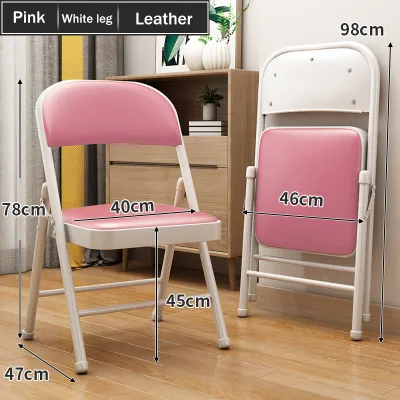
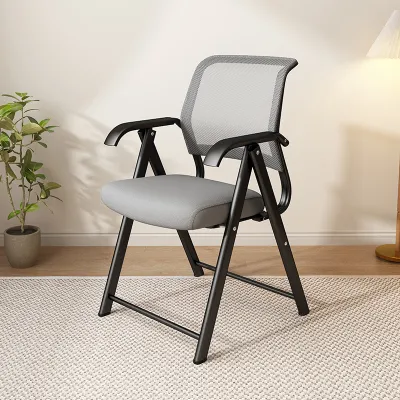
Prices are valid at publication and may change. Please refer to the product page for the latest price.
The ₱3,000 Budget: Entry-Level Essentials
At the ₱3,000 price point, sitting chair options focus entirely on core functionality. You can expect a basic pneumatic gas lift for height adjustment and a simple tilt-and-lock mechanism that usually only secures the backrest in a single, upright position. The seating surface typically consists of standard polyurethane foam covered in fabric, paired with a basic mesh backrest that provides rudimentary ventilation.

Compromises are highly visible at this entry-level tier to keep production costs low. Armrests are almost universally fixed to the frame, meaning you cannot adjust their height or angle to match your desk. Lumbar support is either entirely absent or consists of a rigid plastic band that cannot be adjusted up, down, forward, or backward. Additionally, the base is usually constructed from lightweight nylon paired with standard plastic casters that may struggle to glide smoothly on tiled floors or thick carpets.
Build quality in this bracket is designed for light duty rather than heavy, continuous use. Because these chairs offer minimal adjustability, they are built to fit a generic, average body type. If your height or weight falls outside of standard mid-range averages, you may find the fixed lumbar position and seat pan depth uncomfortable. The components are also more susceptible to wear under high humidity, where low-grade foam can lose its bounce over time.
This tier is best suited for light daily usage of under four hours. It serves as an excellent choice for students completing homework, individuals setting up a secondary home office, or those needing occasional seating in a shared space. It offers a clear step up from a rigid wooden stool but is not engineered for marathon working sessions.
When shopping within this budget, ignore superficial aesthetics like racing stripes, colorful gaming accents, or claims of deep reclining functions. Instead, focus on finding a model with a decent seat depth and a naturally supportive lumbar curve. Check the manufacturer’s product description for the seat cushion thickness, as a denser foam will prevent you from feeling the hard wooden or plastic seat pan underneath after an hour of sitting.
The ₱10,000 Sweet Spot: Mid-Range Adjustability
Stepping up to the ₱10,000 range introduces a dramatic shift toward personalized comfort and structural durability. At this tier, a high-quality sitting chair features dedicated, adjustable lumbar support that can be shifted vertically or horizontally to target your lower back. Armrests transition from fixed plastic to 2D or 3D configurations, allowing you to modify their height, depth, and sometimes angle. You will also typically find adjustable headrests and seats made of high-density molded foam or resilient mesh that holds its shape.
The physical construction of the chair receives a significant upgrade in this mid-range bracket. Instead of a simple single-position lock, the tilt mechanism features multi-position tilt locks or tension knobs to control how easily the chair reclines. The base is usually made of reinforced nylon or entry-level polished aluminum, which offers greater stability. These structural enhancements allow manufacturers to certify their chairs for higher weight capacities, often up to 120 or 150 kilograms.
Despite these improvements, some compromises remain to keep the chair within the ₱10,000 limit. The recline mechanism, while lockable, is often a standard tilt rather than a true synchronized tilt where the seat and backrest move at a perfect ergonomic ratio. Furthermore, while the mesh is breathable, the synthetic fibers used in this tier may stretch or sag slightly faster when exposed to the continuous heat and high humidity of a typical Philippine household without air conditioning.
This budget is ideal for full-time remote workers, freelancers, and office professionals who spend six to eight hours a day at their desks. The added adjustability helps mitigate the physical strain of prolonged computer work, making it a sound investment in your daily physical well-being.
Before purchasing a mid-range sitting chair, verify the exact adjustability measurements on the manufacturer’s technical specification sheet. Ensure the minimum and maximum armrest heights align with your existing desk setup so you can rest your elbows comfortably at a 90-degree angle. Checking these figures beforehand prevents the common issue of armrests colliding with the edge of your desk.
The ₱15,000 Premium Tier: Advanced Ergonomics
At the ₱15,000 premium tier, a sitting chair transitions from a standard piece of office furniture into a highly engineered ergonomic tool. You can expect advanced features such as dynamic, auto-adaptive lumbar support systems that automatically pivot and adjust pressure as you shift your weight. Armrests upgrade to 4D functionality, allowing precise adjustments in height, depth, width, and angle. The seating surfaces often utilize high-resilience imported mesh that provides uniform weight distribution without pressure points.
The underlying engineering at this price level is centered on fluid, natural movement. Premium chairs utilize advanced synchronized tilt mechanisms, where the backrest reclines at a 2:1 or 3:1 ratio relative to the seat pan, keeping your feet flat on the floor and your eyes level with your monitor. The structural components feature heavy-duty aluminum alloy bases, smooth-gliding polyurethane casters designed to protect hard floors, and class-4 certified pneumatic gas lifts built to handle years of constant height adjustments.
The primary compromise at this level is the concept of diminishing returns. While a ₱15,000 chair is noticeably more comfortable and durable than a ₱10,000 model, the incremental ergonomic benefits might not feel three times greater than a mid-range option for every user. Additionally, some of this budget may go toward brand licensing, aesthetic design awards, or complex mechanical features that you might rarely adjust once your initial setup is complete.
This premium tier is best suited for individuals facing heavy daily usage of eight or more hours, such as software developers, graphic designers, or intensive gamers. It is also highly recommended for users with pre-existing back or neck issues who require precise, millimeter-level postural alignment, as well as anyone looking for an investment designed to last for many years.
When evaluating a premium sitting chair, pay close attention to the warranty terms and the breathability of the mesh. In the tropical climate of the Philippines, a high-quality, open-weave mesh is essential for dispersing body heat and preventing sweat buildup during long working sessions. Confirm that the warranty explicitly covers the gas lift cylinder and the tilt mechanism for at least two to five years, as these are the components under the most constant physical stress.
How to Choose the Right Tier for Your Needs
Selecting the perfect sitting chair requires a realistic assessment of your daily habits and physical environment. Begin by tracking your actual usage duration. If you only sit at your desk for brief periods to check emails or pay bills, an entry-level ₱3,000 chair will easily suffice. For standard workdays, the ₱10,000 mid-range tier offers the necessary support to prevent fatigue, while those working extended hours or shifts should invest in the ₱15,000 premium tier to protect their posture over the long term.
Your unique physical requirements must also guide your choice. Standard, non-adjustable chairs in the lower tier assume a highly generalized body shape. If you are exceptionally tall, short, or carry more weight, the advanced adjustability of the ₱10,000 and ₱15,000 tiers becomes a necessity rather than a luxury. Specific physical pain points, such as chronic lower back tightness or shoulder tension, demand the targeted lumbar support and multi-directional armrests found in the higher brackets.
Finally, always measure your desk setup compatibility before committing to a purchase. Measure the height from your floor to the underside of your desk, taking note of any drawer units or keyboard trays that might obstruct the chair. A premium chair with 4D armrests is only useful if those armrests can slide cleanly under your desk when not in use. Additionally, check the diameter of the chair’s base to ensure it has enough clearance to glide freely within your designated workspace.
Hidden Costs and Pre-Purchase Checklist
When purchasing a sitting chair from online marketplaces, the price on the screen is rarely the final cost. Heavy, fully featured ergonomic chairs are bulky and heavy, which can lead to surprisingly high shipping fees, especially if you live outside major metropolitan areas in the Philippines. Some premium models arrive fully assembled in massive boxes, while others require extensive self-assembly. If you are uncomfortable using basic tools, you may need to factor in the cost of a professional assembly service.
Warranty coverage and return policies are critical safeguards when buying a chair online without sitting in it first. Look for sellers that offer a clear comfort-testing return window, though be aware that return shipping for a heavy item is often the buyer’s responsibility. Read the fine print of the warranty to ensure it covers the moving parts—specifically the gas cylinder, the wheels, and the tilt tension mechanism—and not just the static metal frame.
Before clicking the checkout button, complete a final verification check on the product detail page. Cross-reference the manufacturer’s stated weight capacity with your own requirements, leaving a safe buffer of at least 15 to 20 percent. Double-check the exact seat width and backrest height dimensions against your current chair to ensure a comfortable fit. Lastly, review the material care instructions to confirm that the mesh or fabric can be easily cleaned and maintained in a humid environment.
Frequently Asked Questions (FAQ)
Is a ₱3,000 ergonomic chair better than a standard dining chair for office work?
Yes, an entry-level ergonomic sitting chair is generally better than a standard dining chair because it provides pneumatic height adjustment and casters for easy mobility. These features allow you to align your forearms correctly with your desk surface and move freely without straining your back. However, a highly stable, well-padded dining chair with a supportive backrest can sometimes offer better static posture support than an extremely cheap, poorly constructed office chair that wobbles or sags.
Do I need a headrest on my ergonomic sitting chair?
A headrest is not strictly necessary if you spend the majority of your day sitting upright and typing. Headrests are designed to support your neck and head when you recline, lean back to read, or take phone calls. If your primary work involves active computer input, you should prioritize adjustable lumbar support and high-quality armrests over a headrest. Only invest in a headrest if you frequently recline during your workday or require neck support during rest breaks.

Community discussion
Share your experience or ask a question. Comments are reviewed before publication.