
Finding the right study chair in the Philippines requires balancing your budget with the physical demands of long hours at a desk. At the ₱3,000 tier, you can expect basic height adjustability and standard foam cushions suitable for short study sessions. Moving up to the ₱7,000 tier introduces adjustable lumbar support, breathable mesh backs, and multi-directional armrests that handle tropical humidity and longer sitting periods. At the ₱15,000 premium tier, you unlock dynamic auto-adjusting lumbar systems, high-density molded foam or high-grade mesh, and robust multi-year warranties on structural components.
Understanding these distinctions prevents you from overpaying for features you do not need or settling for a chair that causes physical discomfort. By analyzing what each price point offers, you can make an informed decision that protects your posture and fits your study habits.
Defining Your Ergonomic Priorities Before Choosing a Budget Tier
Before browsing online marketplaces, evaluate how many hours you actually spend sitting each day. A student preparing for board exams might sit for eight hours or more, requiring advanced lumbar support, whereas someone using the desk for casual reading might only need basic cushioning.
Products mentioned in this guide
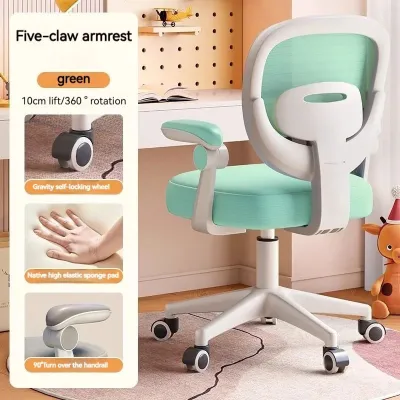
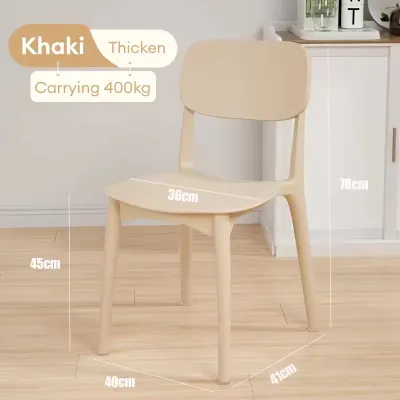
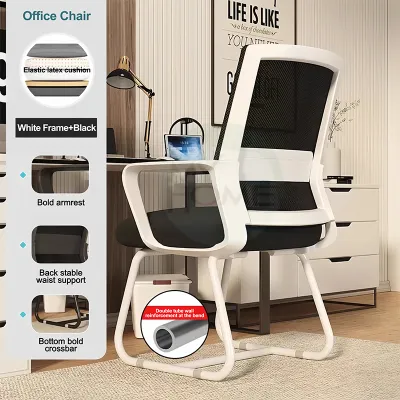
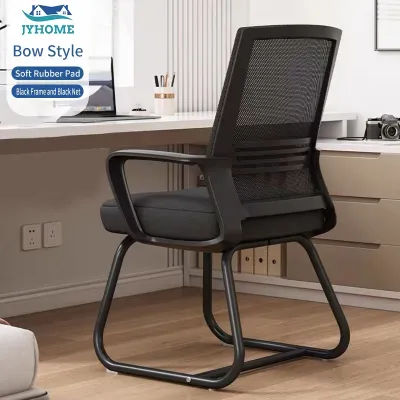
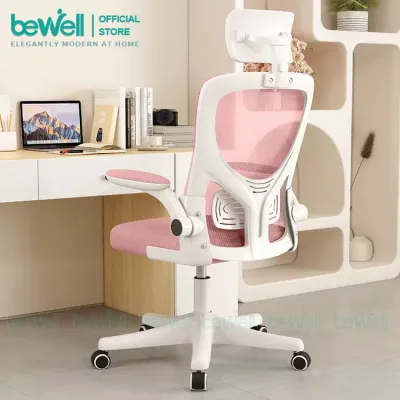
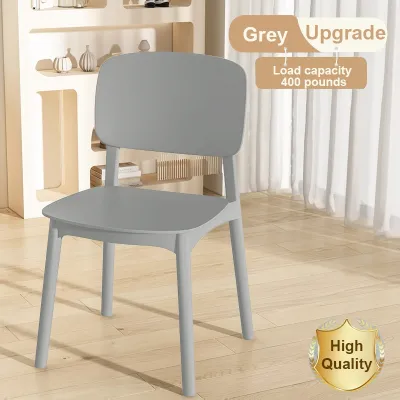
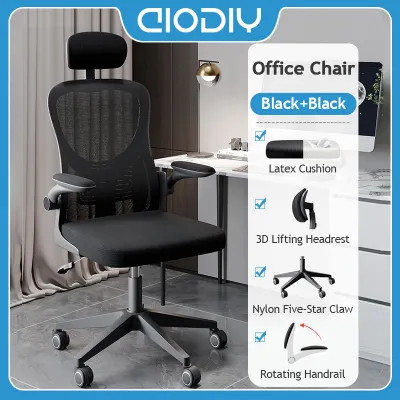
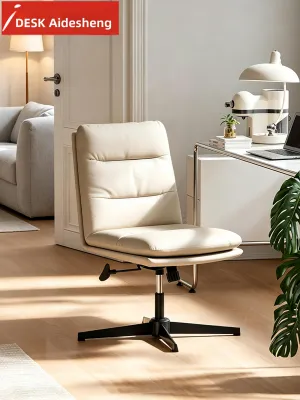
Prices are valid at publication and may change. Please refer to the product page for the latest price.
Identify your primary physical pain points. If you frequently experience lower back stiffness, a chair with dedicated, adjustable lumbar support is a non-negotiable feature. If neck strain is your main issue, prioritize a model with an adjustable headrest.
Distinguish between essential adjustments and secondary comforts. Seat height and tilt tension are fundamental to maintaining proper blood circulation in your legs. Features like 3D armrests, footrests, or premium upholstery are secondary enhancements that you can trade off based on your budget.
Do not forget to measure your physical workspace. A bulky ergonomic chair might not fit under a standard 75-centimeter-high study desk, especially if the armrests are fixed. Measure the floor space behind your desk to ensure there is enough clearance for the chair to roll and recline without hitting walls or wardrobes.
Evaluating Entry-Level Features at the ₱3,000 Tier
At the entry-level ₱3,000 price point, functionality is straightforward and focused on basic utility. You should expect a standard pneumatic gas lift that allows for smooth vertical height adjustment. This is essential for aligning your feet flat on the floor, which reduces pressure on your thighs.

Most chairs in this budget feature a basic tilt mechanism with a tension knob underneath the seat. This knob allows you to adjust how much force is required to rock back in the chair. However, do not expect multi-position tilt locks at this price; the chair will typically only lock in the upright position.
Seat cushions at this level are usually made of standard cut foam covered in fabric or basic mesh. Because standard foam can compress permanently over time, check if the seat cover is breathable to prevent heat buildup during warm afternoons. In a tropical climate, a non-breathable fabric seat can quickly become uncomfortable without air conditioning.
The base of a ₱3,000 chair is typically constructed from reinforced nylon or lightweight metal. Always verify the manufacturer’s stated weight capacity, which often ranges from 80 kilograms to 100 kilograms in this tier. Pushing the chair past this limit can cause the nylon base to flex or the casters to crack.
Armrests at this price point are almost always fixed to the seat frame or backrest. Before purchasing, check the height of these armrests against your desk. Fixed armrests that are too high can prevent you from pulling the chair close to your desk, forcing you to lean forward and strain your back.
Assessing Mid-Range Upgrades at the ₱7,000 Tier
Stepping up to the ₱7,000 mid-range tier brings a significant improvement in ergonomic customization. Instead of a fixed plastic frame, you should look for chairs that offer dedicated, adjustable lumbar support. This often comes in the form of a height-adjustable pad or a contoured lumbar curve that you can position precisely against your lower spine.
Breathable mesh backrests are standard at this price point. High-quality mesh allows air to circulate freely, keeping your back cool during long study sessions in humid weather. When evaluating these chairs, inspect the frame construction; look for thick nylon or steel-reinforced frames that do not twist or creak when you lean back.
Armrests in the mid-range tier usually offer multi-directional adjustments, often referred to as 2D or 3D armrests. You can adjust their height to match your desk surface, allowing your shoulders to relax. Some models also allow the armrest pads to slide forward, backward, or pivot inward to support your forearms while typing.
A key mechanical upgrade at ₱7,000 is the synchronous tilt mechanism. Unlike basic tilting chairs where the back and seat move together at a fixed angle, a synchronous tilt reclines the backrest at a faster rate than the seat. This keeps your feet flat on the floor and maintains proper spinal alignment as you stretch.
Reviewing Premium Mechanisms at the ₱15,000 Tier
At the premium ₱15,000 tier, you are investing in advanced mechanical engineering and superior material durability. One of the standout features in this class is the dynamic or auto-adjusting lumbar system. These systems automatically pivot or shift their tension as you change postures, providing continuous support whether you are sitting upright to type or reclining to read.
The seat cushions in this price range transition from standard cut foam to high-density molded foam or high-grade elastomeric mesh. Molded foam is shaped in a pressurized mold, making it highly resistant to sagging even after years of daily use. If you prefer an all-mesh seat, premium mesh provides excellent edge support without cutting off circulation behind your knees.
Advanced recline controls are a hallmark of the ₱15,000 tier. You can expect multi-position tilt locks that allow you to secure the backrest at several specific angles. The tilt tension controls are also more precise, often utilizing a side-mounted crank or dial rather than a clumsy knob under the seat.
Long-term durability is backed by more robust manufacturer warranties. While budget chairs might offer a basic 3-month or 6-month warranty, premium chairs at this price point often come with warranties spanning 2 to 5 years. Carefully review the terms to confirm that moving parts, the gas lift cylinder, and the structural frame are fully covered.
Pre-Purchase Verification and Hidden Cost Checklist
Before placing your order on any online marketplace, measure the physical path the package will take. Ergonomic chairs in higher tiers often ship semi-assembled in large, heavy boxes. Ensure the box dimensions can easily clear your front door, narrow hallways, stairwells, or condominium elevators.
Confirm the assembly requirements before the delivery truck arrives. Some chairs require extensive assembly with multiple bolt sizes, while others ship with the main components pre-assembled. Check if the package includes the necessary hex keys or if you will need to prepare your own tools.
Review the return and warranty policies of the retailer carefully. In the Philippines, return shipping for a bulky, 15-kilogram item can be expensive if the chair does not fit your body shape. Look for sellers that offer clear return windows and check if they charge restocking fees for opened boxes.
Always verify the final checkout price to avoid hidden costs. Large furniture items often incur high shipping surcharges, especially if you live outside major metropolitan areas. Double-check that the total price includes all local taxes and delivery fees before authorizing the payment.
Frequently Asked Questions (FAQ)
How do I know if a study chair's gas lift is safe and durable?
To verify the safety of a pneumatic cylinder, check the product specifications for recognized international testing certifications such as SGS, BIFMA, or TÜV. These certifications ensure the gas lift has undergone rigorous pressure and cycle testing. Upon delivery, you can also inspect the cylinder itself; high-quality gas lifts usually have their class rating, such as Class 3 or Class 4, stamped directly into the metal casing.
Is it better to buy a used premium chair or a new budget chair?
Buying a used premium chair can offer superior ergonomic mechanisms, but it comes with distinct risks. Over time, foam cushions degrade, mesh loses its tension, and gas lifts can develop slow leaks that cause the chair to sink. Additionally, second-hand purchases rarely include the original manufacturer’s warranty or return privileges. If you cannot inspect the used chair in person to verify its structural integrity, a new budget chair with a basic warranty is often the safer, more reliable choice.

Community discussion
Share your experience or ask a question. Comments are reviewed before publication.