
When preparing for a household move, choosing the right packing containers can mean the difference between a seamless transition and a chaotic, damaged mess. While traditional cardboard has its place, a high-quality transparent storage box offers a distinct advantage: immediate visibility. To ensure your belongings survive the journey intact, you must look for specific features: structural stackability, secure lid locking mechanisms, durable material composition, and modular size options.
Core Features That Make a Transparent Storage Box Moving-Ready
In the middle of a hectic move, searching for a specific kitchen utensil or a set of bedsheets can turn into an exhausting treasure hunt. Transparent walls eliminate this frustration by allowing you to perform instant inventory checks without slicing through packing tape or breaking protective seals. This visual convenience saves valuable time during both the packing phase and the unpacking process at your new home.
However, visibility alone is not enough to withstand the physical demands of transit. A moving-ready box must strike a delicate balance between structural rigidity and impact-absorbing flexibility. Extremely rigid, glass-like plastics tend to shatter under sudden impacts or heavy loads, while overly soft plastics will bow and collapse when stacked. The ideal container maintains its shape under vertical pressure but possesses enough elasticity to absorb the vibrations of a moving vehicle.
Products mentioned in this guide
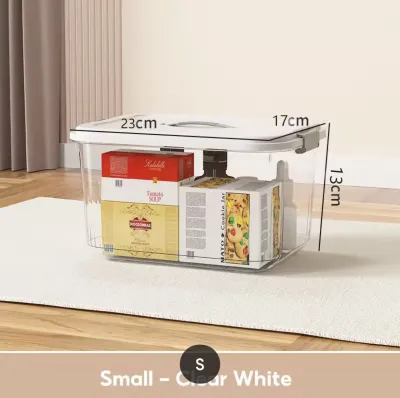
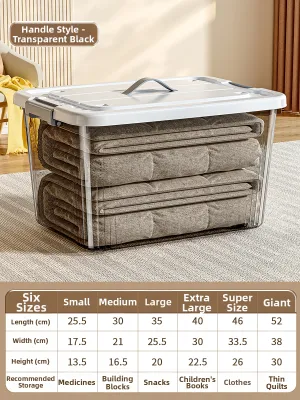
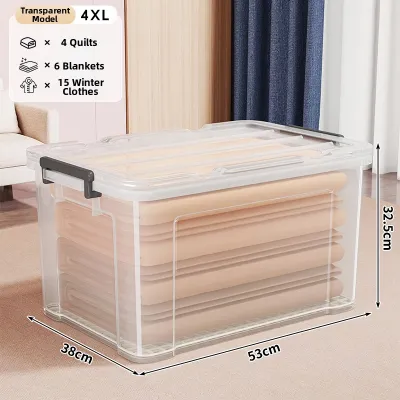
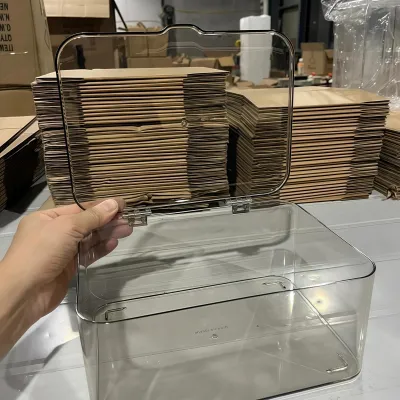
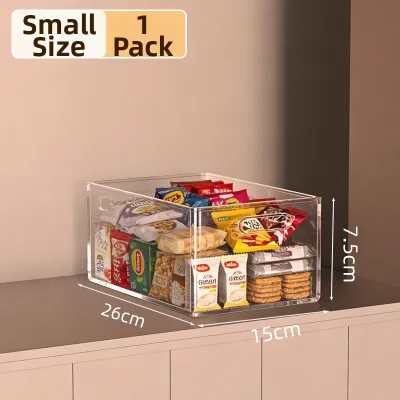
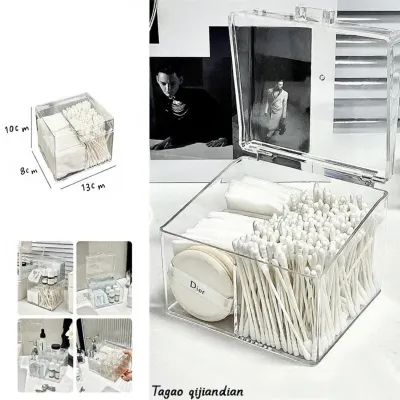
Prices are valid at publication and may change. Please refer to the product page for the latest price.
Before purchasing any container, keep a strict checklist of primary decision dimensions in mind:
- Lid Mechanism: Ensure it can resist upward pressure from overpacked items.
- Interlocking Base: Check for a design that prevents stacked boxes from shifting laterally.
- Labeled Weight Limits: Verify the manufacturer's load capacity to avoid overloading the plastic structure.
Evaluating Material Durability and Weight Limits
To verify if a transparent storage box can handle the physical stress of a move, you must look past marketing buzzwords like “heavy-duty” and examine the actual material specifications. Most reliable plastic containers are molded from polypropylene. This material is highly favored for its resistance to fatigue, chemical exposure, and physical impact, making it well-suited for the humid, tropical climate of the Philippines.

When browsing options, always check the manufacturer’s product description or physical label for the maximum load capacity. A high-quality box will explicitly state its weight limits for both individual carrying and vertical stacking. If this information is missing, treat the product with caution, as unrated plastics are often designed for light closet storage rather than the rigorous demands of a household move.
You can also perform quick visual and physical checks to assess durability. Look closely at the corners and edges of the box; these areas should feature reinforced ribbing or double-walled construction to distribute weight evenly. A flat, thin base is prone to sagging, whereas a base with molded structural ribs provides excellent resistance to bowing under heavy loads. Avoid thin, brittle plastics that feel stiff and make a sharp, high-pitched sound when tapped, as these are highly susceptible to cracking during transit.
If you encounter a product where the weight limits are unclear, missing, or conflict with the weight of the items you plan to pack, stop and consult the manufacturer or seller. Do not attempt to guess the load capacity of a container. Overloading an unverified box can lead to sudden structural failure, potentially damaging fragile items inside and creating safety hazards for anyone lifting or transporting the stack.
Lid Security and Stackability for Safe Transit
A secure lid is critical for maintaining the structural integrity of a stacked column of boxes inside a moving truck. When comparing lid designs, multi-point snap locks or heavy-duty latches are vastly superior to simple friction-fit lids. Friction-fit lids rely solely on the tension of the plastic lip to stay closed, which can easily fail when the box is subjected to internal pressure or external vibrations. Latches that clamp firmly over the lid edge provide a mechanical lock that keeps the container sealed even if it is tilted or bumped.
Stackability relies heavily on the geometric relationship between the bottom of one box and the lid of the box beneath it. Look for lids that feature deep, molded interlocking grooves designed to receive the base of the matching container. These grooves act as a physical barrier against lateral movement, ensuring that the stack behaves as a single, stable column rather than a collection of sliding parts. This interlocking feature is especially important when navigating bumpy roads or sudden stops during transit.
In addition to interlocking grooves, high-quality moving boxes often incorporate anti-slip textures on their lids. These textured surfaces increase friction between the stacked units, minimizing the risk of sliding when the moving vehicle accelerates, brakes, or turns. When inspecting a box, run your hand over the lid surface; a slightly matte or patterned texture will offer significantly more grip than a smooth, high-gloss finish.
Size Options and Space Planning for Your Move
Successful space planning requires matching the volume of your transparent storage box to the density of the items you plan to pack. A common mistake is packing heavy items, such as books or ceramic dishes, into large containers. This not only makes the box incredibly difficult to lift safely but also places immense pressure on the plastic base, increasing the risk of failure. Instead, reserve smaller boxes for dense, heavy objects, and use larger containers exclusively for bulky, lightweight items like pillows, blankets, and winter clothing.
Before purchasing your storage boxes, take precise measurements of the pathways they must travel. In the Philippines, this means measuring narrow doorways, tight stairwells, and the cargo dimensions of your moving vehicle, whether you are using a personal SUV, a rented van, or a local moving truck. Ensure that the outer dimensions of the boxes allow for comfortable hand clearance on either side when carrying them through tight corridors or up multi-story apartment stairs.
Standardizing your box sizes is another highly effective strategy for maximizing space efficiency. By purchasing boxes in modular dimensions—where two small boxes fit perfectly on top of one large box—you can eliminate irregular gaps in your moving vehicle. This standardized approach allows you to build neat, uniform tiers of cargo, preventing shifting and maximizing the vertical space of the transport vehicle.
How to Build Your Moving Box Shortlist
Building a reliable shortlist of transparent storage boxes requires a systematic approach to comparing available options on online marketplaces or in physical home improvement stores. Start by creating a simple comparison matrix. List the candidate boxes along with their verified specifications, including internal dimensions, stated weight capacity, latch count, and price. This structured view allows you to compare the actual value of each option rather than relying on subjective aesthetic appeal.
As you research, actively filter out products that lack clear manufacturer specifications. Be particularly cautious when browsing online marketplaces; look closely at user-uploaded photos in the review sections. If you notice recurring images of boxes with visible stress marks, white discoloration along the seams, or cracked corners, remove those options from your list immediately. These visual cues are clear indicators of low-grade plastic that is unlikely to survive the physical demands of a move.
Before committing to a large bulk order, it is highly recommended to plan a small test purchase of one or two units. Use this opportunity to physically verify the lid fit, the rigidity of the walls, and the actual usable capacity of the box. Test the latches repeatedly to ensure they snap shut securely without requiring excessive force, and place a typical load inside to observe how the plastic behaves under weight. This small upfront investment can save you from the costly mistake of purchasing dozens of inadequate containers.
Frequently Asked Questions (FAQ)
Are transparent storage boxes better than cardboard boxes for moving?
Transparent storage boxes and cardboard boxes each serve distinct purposes during a move, and the best choice depends on your specific needs. Plastic containers offer superior moisture resistance, protecting your belongings from tropical humidity, sudden downpours, and pests. They are also highly reusable, serving as long-term storage solutions in your new home. However, cardboard boxes remain a popular choice due to their lower upfront cost and the fact that they can be folded flat when not in use, saving valuable space.
For items that require maximum protection, such as electronics, fragile kitchenware, or valuable documents, the rigid structure of a transparent plastic box is highly preferred. This is especially true if you plan to store these items in a garage, basement, or humid storage unit after the move. On the other hand, cardboard is excellent for single-use transit of lightweight, non-fragile items like clothing, bedding, or toys, where high-level moisture protection and structural rigidity are less critical.
How can I prevent items from shifting inside a transparent box during transit?
Preventing items from shifting inside a rigid plastic container is essential to avoid damage during transit. Unlike cardboard, plastic walls do not absorb shock well, meaning any movement inside the box can lead to breakage. To prevent this, fill all empty spaces with void fill materials such as packing paper, bubble wrap, or even soft household linens like towels and t-shirts. Ensure there are no open pockets of air that would allow items to slide or collide when the box is tilted.
Additionally, always practice proper weight distribution when packing. Place the heaviest items at the very bottom of the box to establish a low center of gravity, which helps keep the container stable during transport. Lighter, more delicate items should be placed on top, wrapped individually in protective layers. Once packed, give the box a gentle shake; if you hear or feel items moving inside, add more packing material until the contents are completely secure and immobile.

Community discussion
Share your experience or ask a question. Comments are reviewed before publication.