
Living in a compact condominium or apartment in urban centers across the Philippines requires a smart approach to space management. When your living room, dining area, and bedroom overlap, setting up a permanent home office can quickly make your home feel cramped. A foldable office table offers a practical solution, allowing you to establish a dedicated workstation during the day and reclaim your floor space once your shift ends. However, choosing the right model involves more than simply picking a design that looks appealing online.
To find a table that truly fits your lifestyle, you must evaluate specific features that address the realities of compact tropical living. From the physical footprint and folding mechanism to material durability under humid conditions, every detail impacts how well the furniture integrates into your home. Prioritizing these key specifications ensures your temporary workspace remains stable, comfortable, and easy to store without disrupting your daily household routine.
Assessing Your Space and Layout Constraints
Before browsing for a foldable office table, you must accurately measure the physical space where you plan to work. Urban apartments often feature tight corners, narrow hallways, or multi-purpose rooms where every centimeter counts. Start by measuring the designated floor area with a tape measure, noting any fixed architectural features. Baseboards, wall-mounted air conditioning units, low window sills, and electrical outlets can all restrict where a table can sit flush against a wall.
Products mentioned in this guide
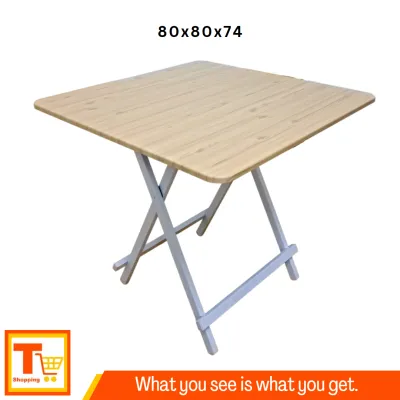
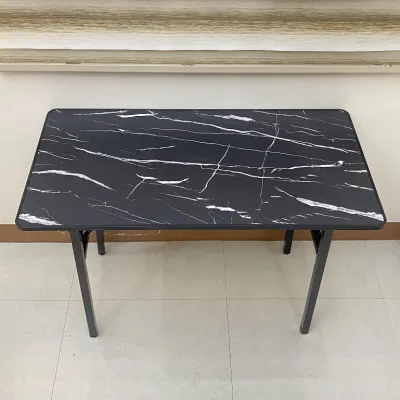
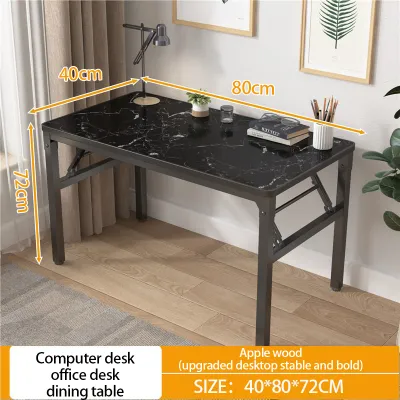
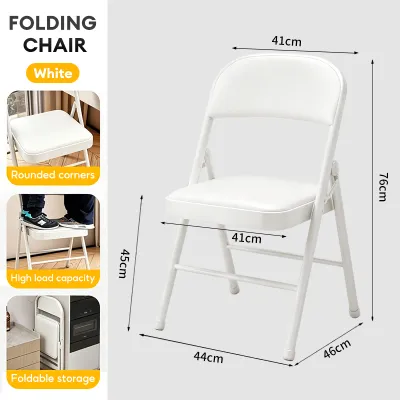
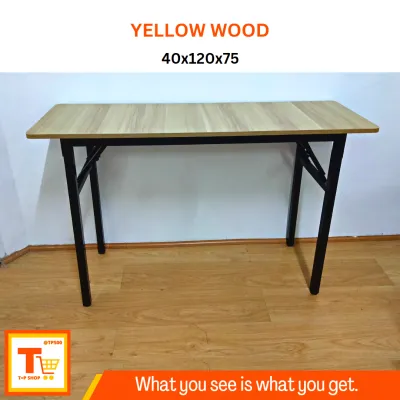
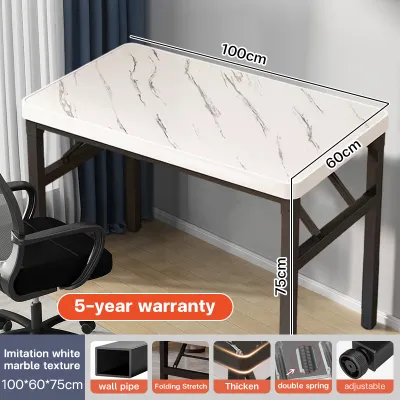
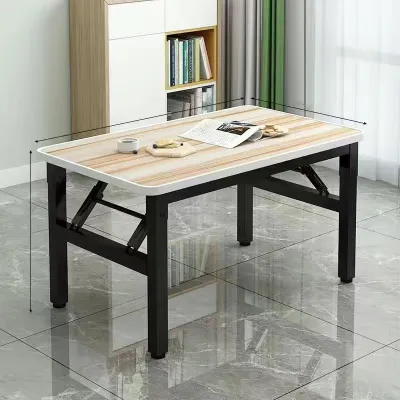
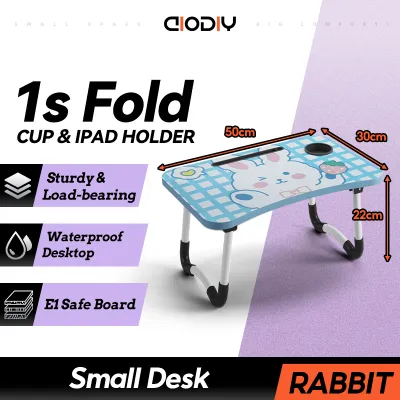
Prices are valid at publication and may change. Please refer to the product page for the latest price.
Next, evaluate the clearance required for your chair and your own movement. A functional workspace needs to accommodate not just the depth of the table, but also the space required to pull out an office chair and sit down comfortably. Ideally, you should leave at least 70 to 80 centimeters of open space behind the desk. This clearance ensures you can stand up and sit down without bumping into walls, wardrobes, or other furniture.
You must also consider how the table interacts with the daily traffic flow of your household. Analyze the swing paths of nearby doors, wardrobe panels, and balcony entryways to ensure the unfolded desk does not block essential pathways. If your workspace obstructs a main walkway or prevents you from opening a cabinet, the daily setup will quickly become a source of frustration. Additionally, position the table close to power outlets to avoid running extension cords across the floor, which can present a serious tripping hazard in small rooms.
Critical Dimensions and Folding Mechanisms
The folding mechanism of a desk determines how easily it transitions from a functional workspace to a hidden storage piece. Different designs offer distinct spatial advantages depending on your room layout. Drop-leaf tables feature hinged panels that fold down when not in use, leaving a narrow center console that can remain in place as a decorative shelf. This style is highly versatile because it does not require complete disassembly or storage space in a closet.

In contrast, fold-in-half or flat-folding tables collapse entirely into a single flat panel. These models are ideal if you want to clear your workspace completely out of sight at the end of the day. Wall-mounted drop-front desks are permanently anchored to the wall and fold upward or downward, leaving the floor space beneath them entirely free. While wall-mounted options save the most floor space, they require secure installation and cannot be moved easily to another room.
When comparing flat-folding models, pay close attention to the folded thickness of the profile. A table that collapses to a thickness of 5 to 10 centimeters can easily slide under a bed frame, stand behind a bedroom door, or fit inside a narrow utility closet. If the folded profile is too bulky, you may struggle to find a suitable storage spot in a small condo.
Finally, evaluate the ease of deployment and safety of the folding mechanism. A good foldable office table should be simple to set up and pack away without requiring complex tools or excessive physical strength. Inspect the hinges and locking joints to ensure they operate smoothly. Look for designs that protect your hands from pinch points, as a mechanism that is difficult or painful to operate will discourage you from folding the table away.
Stability, Weight Capacity, and Material Checks
A space-saving table must still provide a stable and reliable surface for your daily work. Lightweight folding furniture is sometimes prone to shaking, which can be highly distracting when typing or writing. When evaluating a table, inspect the leg structure, hinges, and cross-bracing. Models featuring triangular support frames, locking pins, or steel legs generally offer better wobble resistance compared to simple vertical legs.
You must also verify the manufacturer’s stated weight capacity against your actual equipment needs. Calculate the combined weight of your laptop, external monitor, keyboard, mouse, and any heavy desk accessories. Ensure the table’s weight limit comfortably exceeds this total. Overloading a foldable table puts excessive stress on the folding joints and hinges, which can lead to structural failure or warping over time.
Material selection is particularly important in the tropical climate of the Philippines, where high indoor humidity is common. Standard particle board can swell, warp, or degrade if exposed to moisture over long periods. Look for tables constructed with moisture-resistant materials, such as high-density fiberboard (HDF), solid wood, or steel frames with rust-resistant coatings. Tabletop surfaces finished with high-pressure laminate or melamine offer better protection against humidity and spills.
Additionally, check the scratch resistance of the tabletop finish. Because a foldable table is frequently moved, stored, and set up, the surface is highly susceptible to scuffs and scratches. A durable, easy-to-clean laminate surface will keep your desk looking professional and clean, even after months of daily assembly and disassembly.
Ergonomics and Cable Management in Compact Setups
Maintaining proper ergonomics is vital for preventing physical strain during long working hours. Many compact or temporary desks sacrifice ergonomic comfort for portability, which can lead to back, neck, or wrist pain. Ensure the table height aligns with standard ergonomic guidelines, which typically place a desk surface between 72 and 76 centimeters from the floor. If possible, look for foldable tables with adjustable legs that allow you to customize the height to match your office chair.
The depth of the tabletop also plays a critical role in eye comfort and posture. A desk surface that is too shallow forces you to sit too close to your computer screen, increasing eye strain. Aim for a tabletop depth of at least 50 to 60 centimeters. This depth provides sufficient space to position your laptop or monitor at a comfortable viewing distance while leaving room for an external keyboard and wrist support.
Cable management is another essential consideration in a small apartment. A clutter of power strips, charger cables, and monitor wires can quickly make a small room look messy and chaotic. Look for foldable tables that feature built-in cable routing holes, under-desk wire trays, or adhesive cable clips. Keeping your cords organized not only improves the visual appeal of your room but also prevents cables from getting caught in the folding joints when you pack the desk away.
Proper cable organization also enhances safety in tight living spaces. In a small condo, loose wires hanging from a desk can easily be snagged by passing family members or pets. Securing your cables to the desk frame minimizes the risk of accidentally pulling your expensive laptop or monitor off the table.
Multi-Functional Features for Dual-Purpose Rooms
When living in a small apartment, your furniture often needs to serve multiple roles. A foldable office table that can transition into a dining table, a console, or a crafting station offers excellent value. Look for neutral aesthetic finishes, such as light wood grains, matte white, or charcoal gray, which allow the table to blend seamlessly with your existing living room or bedroom decor when folded or partially deployed.
Some foldable tables come equipped with integrated storage features, such as small side shelves, under-desk fabric pockets, or detachable drawers. If you choose a model with storage, verify that these components do not interfere with the folding mechanism. The storage elements should either fold flat along with the frame or be easily removable so you can store them separately.
Mobility is another highly practical feature for dynamic condo living. Foldable tables equipped with lockable casters allow you to roll your workstation from room to room with ease. This is particularly useful if you need to move your desk to find a quiet background for video calls or to catch better natural light. Ensure the casters feature reliable locking tabs to keep the table firmly in place while you type.
Finally, consider the edge profiles of the tabletop. In tight spaces where you frequently walk close to your furniture, sharp corners can cause painful bumps. Choosing a table with rounded corners or smooth edge banding reduces the risk of minor injuries and makes navigating your compact home much more comfortable.
Frequently Asked Questions (FAQ)
Can I mount a foldable office table on drywall?
Yes, but you must take specific structural precautions to ensure safety. Standard drywall cannot support the weight of a folding desk and your computer equipment on its own. You must locate the wooden or metal wall studs behind the drywall using a stud finder and secure the mounting brackets directly into them. If the studs do not align with your desired desk placement, you must use heavy-duty toggle bolts or hollow-wall anchors that are explicitly rated for the total weight of the desk and your equipment. Always check your wall type and consult the manufacturer’s installation instructions before drilling.
How do I prevent a foldable table from wobbling on uneven floors?
Uneven floor tiles, grout lines, or slightly sloped apartment floors can cause a lightweight foldable table to wobble during use. To prevent this, look for tables equipped with adjustable leveling feet on the bottom of the legs. These threaded feet can be screwed clockwise or counterclockwise to compensate for floor variances. If your table does not have adjustable feet, placing a stable, low-pile rug or a dense rubber desk mat under the legs can help absorb minor floor irregularities and provide a more stable working surface.

Community discussion
Share your experience or ask a question. Comments are reviewed before publication.