
Moving day is notoriously chaotic, often characterized by a sea of identical brown cardboard boxes, misplaced packing tape, and the frantic search for a working box cutter. To keep your transition smooth and stress-free, setting up a centralized command station using a Koko pegboard can be a game-changer. The most essential accessories for organizing your moving day items include heavy-duty cradle hooks for tape guns, deep divided bins for markers and labels, and secure flat shelves or document holders for critical paperwork. By keeping these high-frequency tools visible and within arm’s reach, you eliminate the downtime spent rummaging through half-packed boxes.
An organized pegboard acts as the nerve center of your entire packing and loading process. Instead of leaving tools on random flat surfaces where they easily get buried under bubble wrap, a dedicated vertical storage board ensures every item has a visible home. This systematic approach not only speeds up the packing process but also reduces the mental fatigue associated with keeping track of loose items. Whether you are disassembling large furniture pieces or labeling boxes for specific rooms, a well-equipped pegboard keeps your essential gear exactly where you need it.
How to Choose Compatible Pegboard Accessories for Moving
Before purchasing any attachments for your Koko pegboard, you must verify the physical specifications of both the board and the accessories. Pegboards generally come in several standards, with variations in hole spacing, hole diameter, and overall board thickness. Most modern systems utilize either metric or imperial measurements, and even a millimeter of difference can cause hooks to wobble or fail to fit entirely. Check your manufacturer’s manual to confirm whether your board features standard 1-inch spacing with 1/4-inch holes, or a metric equivalent, to ensure a snug and secure fit.
Products mentioned in this guide
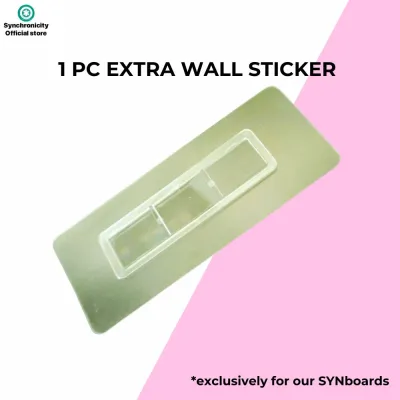
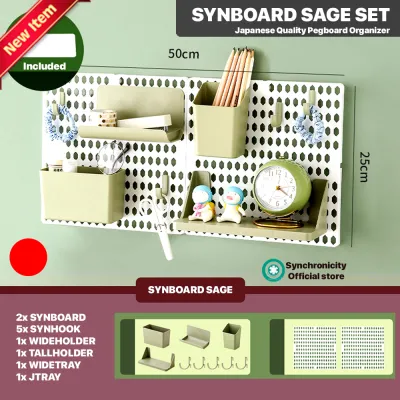
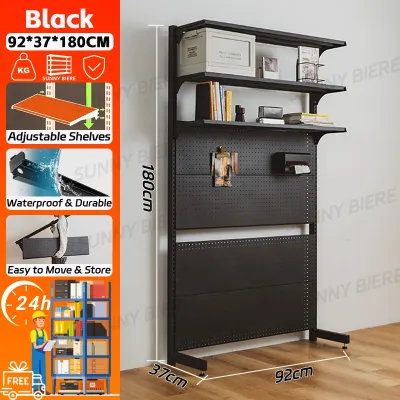
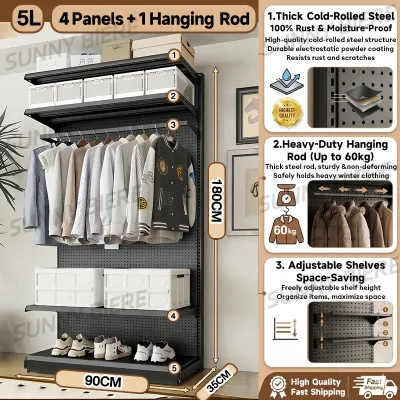
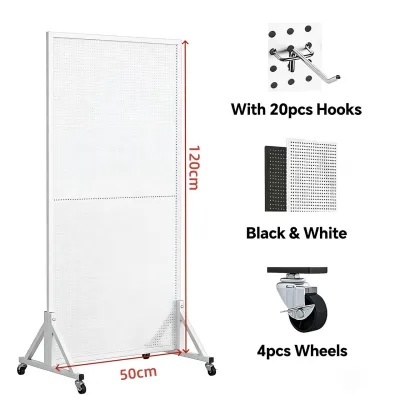
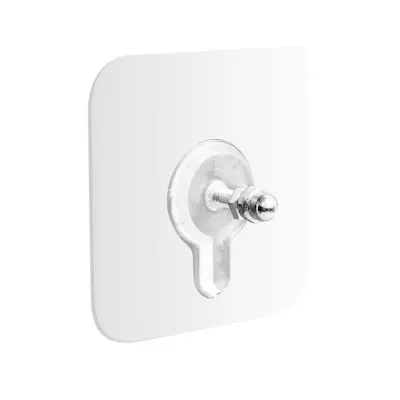
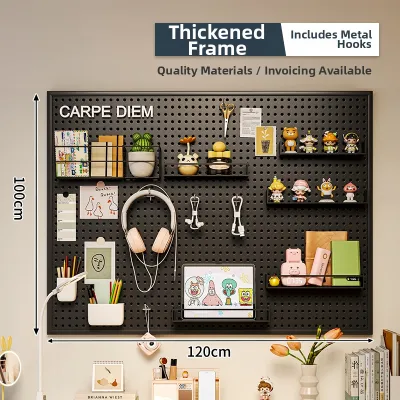
Prices are valid at publication and may change. Please refer to the product page for the latest price.
Weight capacity is another critical factor to evaluate before loading your board with heavy packing tools. While a bare pegboard might feel incredibly sturdy, its actual load limit is determined by its material composition and how securely it is mounted. Individual accessories also carry distinct weight ratings; a thin wire hook may bend under the weight of a heavy-duty staple gun, while a reinforced steel bracket will hold it effortlessly. Always distribute weight evenly across the board and avoid hanging heavy items near the outer edges where the board has less structural support.
In a fast-paced moving environment, tools are frequently grabbed, replaced, and bumped. This constant movement creates vibrations that can easily dislodge loose, unanchored hooks, causing them to fall behind furniture or onto the floor. Prioritize accessories made from durable materials like powder-coated steel or high-impact plastic, and look for options that feature locking mechanisms. Peg locks, plastic clips, or double-prong designs help secure the accessory to the board, ensuring that only the tool comes away when you reach for it.
Finally, consider the environmental conditions of your move, especially in tropical climates like the Philippines. High humidity and heat can cause untreated metal accessories to rust over time, potentially staining your tools or the board itself. Opt for rust-resistant finishes, such as chrome plating or powder coating, which withstand moisture and sweat from busy hands. If your pegboard is made of wood or fiberboard, ensure it is kept away from damp areas to prevent warping, which can alter the shape of the holes and ruin accessory compatibility.
Essential Koko Pegboard Accessories for Moving Day Tasks
To build an efficient moving station, you need a curated selection of accessories tailored to the specific tasks of packing, labeling, and disassembling. Rather than buying generic multi-packs that contain items you will never use, focus on functional categories that directly address moving day challenges. Your accessory kit should be a direct reflection of your moving inventory, designed to hold the exact tools your household needs to stay organized.

A successful setup balances open hanging storage for quick-access hand tools with enclosed containment for small, easily lost hardware. By dividing your pegboard into dedicated zones using specialized hooks, bins, and shelves, you create an intuitive workflow that anyone helping with the move can easily follow. Let us look at the specific accessory types that deliver the highest utility during a transition.
Heavy-Duty Hooks for Tape Guns and Cutting Tools
Packing tape dispensers are notoriously awkward to store because of their bulky, front-heavy design. Standard straight hooks are inadequate for this task, as the weight of the tape roll will often cause the dispenser to slide off and crash to the ground. Instead, opt for heavy-duty J-hooks or specialized cradle-style hooks that curve upward to support the circular frame of the tape gun. This design cradles the tool securely, keeping it stable even if the pegboard is bumped by a passing box.
For cutting tools like scissors, utility knives, and box cutters, straight or slightly angled hooks are highly effective. When hanging these items, safety must be your primary concern; always position the hooks so that sharp blades and pointed tips are directed downward or safely shielded by the board itself. If you use multi-tools or heavy-duty shears, look for double-prong hooks that offer two points of contact, which prevents the tool from swinging or tilting sideways when stored.
Before hanging heavier items like manual staple guns, rubber mallets, or large tape dispensers, verify the load rating of each individual hook. Standard light-duty wire hooks can gradually bend under sustained weight, leading to eventual failure. Investing in reinforced steel hooks with a thick gauge ensures your heaviest tools remain securely suspended throughout the long hours of packing and loading.
Bins and Baskets for Markers, Labels, and Small Hardware
Labeling is the cornerstone of an organized move, requiring a constant supply of permanent markers, color-coded stickers, and fragile labels. Shallow, divided plastic bins are ideal for keeping these writing instruments upright and separated by color or tip size. Storing markers tip-down in a dedicated bin prevents them from drying out and ensures they are always ready to write, saving you from the frustration of searching for a working pen.
Deep wire baskets or mesh pouches are excellent for holding bulkier, loose items that do not fit on standard hooks. Use these containers to store work gloves, rolls of twine, zip ties, and small hand tools like screwdrivers or hex keys. They are also invaluable for holding the loose screws, brackets, and hinges removed from disassembled beds, tables, and cabinets. To prevent confusion, place the hardware in a clear, labeled plastic bag before dropping it into the basket.
When selecting bins and baskets, pay close attention to how they attach to your Koko pegboard. Look for containers that feature integrated locking tabs or wide mounting flanges that sit flush against the board. Bins that simply hang on loose hooks can easily tip forward when you reach inside, spilling small screws or markers across a busy workspace. A secure, snap-in connection ensures the bin remains perfectly stable under daily use.
Shelves and Document Holders for Paperwork and Electronics
Not every moving essential can be hung on a hook or tossed into a deep basket. Flat surfaces are highly useful for holding delicate items, electronics, and critical documentation. Shallow shelves made of acrylic or lightweight metal provide a perfect resting place for power banks, phone chargers, and small first-aid supplies like adhesive bandages or antiseptic wipes for minor cuts.
Keeping track of moving contracts, inventory checklists, barangay permits, and new lease agreements is one of the most stressful aspects of moving day. Angled document holders or heavy-duty clipboards suspended from pegboard hooks keep these vital papers visible and safe from accidental spills. Placing this paperwork at eye level ensures you can quickly reference your checklist without having to clear off a dusty table or search through packed bags.
While shelves offer excellent utility, they are also the easiest accessories to overload. Placing heavy binders, laptops, or large toolboxes on a pegboard shelf can exert significant leverage on the board’s mounting points, potentially pulling the board away from the wall. Limit shelf storage to lightweight, flat items, and always place heavier electronics or thick folders on lower, more stable surfaces.
How to Arrange Your Pegboard Layout for Moving Day
An efficient pegboard layout is designed around the natural workflow of your packing station, minimizing unnecessary movement and searching. Start by zoning your board into distinct functional areas. Group all your heavy packing tools, such as tape dispensers and box cutters, on one side of the board, and place your administrative items, like markers, labels, and documents, on the opposite side. This clear separation prevents your workspace from becoming cluttered and allows multiple people to use the station simultaneously without getting in each other’s way.
To maintain the physical stability of your pegboard, always place the heaviest and bulkiest items near the bottom or center of the board. Hanging heavy staple guns, full hardware baskets, or loaded shelves high up raises the center of gravity, making the entire setup top-heavy and prone to tipping. Keeping the weight concentrated lower down ensures the board remains stable, especially if it is mounted on a temporary stand or leaning against a wall.
Ergonomics should dictate the placement of your most frequently used tools. Items that you reach for constantly, such as scissors, packing tape, and black permanent markers, should be positioned at eye level and within easy reach of your dominant hand. Less frequently accessed items, such as spare utility blades, extra rolls of tape, or zip ties, can be relegated to the very top or bottom edges of the board. This layout keeps your packing momentum going, as you can grab and replace your primary tools without breaking your stride.
Safety and Stability Checks for Temporary Pegboard Setup
During a move, pegboards are often set up temporarily in high-traffic areas like hallways, garages, or living rooms. If you are mounting your Koko pegboard to a wall, you must use anchors that are specifically rated for your wall material. In many homes in the Philippines, walls are constructed from concrete hollow blocks or solid concrete, which require masonry plugs and screws for a secure hold. Never attempt to hang a loaded pegboard using simple nails, adhesive strips, or standard drywall anchors, as the weight of the tools will quickly pull them loose.
If you opt for a freestanding or leaning pegboard setup to avoid drilling holes in a rental property, extra precautions are necessary to prevent tipping. Ensure the base of the stand is heavily weighted with heavy boxes or clamped securely to a sturdy worktable. When leaning a board against a wall, use rubberized backing pads to prevent sliding, and ensure the angle is steep enough to remain stable but not so vertical that a forceful pull on a hook could bring the entire board crashing forward.
Finally, establish a clear safety perimeter around your pegboard station. Moving day involves carrying large, heavy boxes and maneuvering bulky furniture through tight spaces, increasing the risk of accidental collisions. Position your pegboard away from main walkways and door frames where it could easily be struck by a passing hand truck or sofa. Keeping the area directly in front of the board clear of tripping hazards ensures you can access your tools safely and comfortably throughout the day.
Frequently Asked Questions (FAQ)
Can I use generic pegboard accessories with a Koko board?
Whether generic accessories will fit your Koko pegboard depends entirely on matching the exact hole diameter and center-to-center spacing of your board. Many generic hooks and bins are designed for standard 1-inch spacing with 1/4-inch holes, but some proprietary boards use metric spacing or smaller 1/8-inch holes. Before purchasing third-party accessories, measure your board’s hole dimensions carefully or consult the official product manual. Using mismatched accessories can result in loose, wobbling hooks that damage the board’s surface or fall out during use.
How should I store the pegboard and accessories after the move?
Once your move is complete, you should completely disassemble your pegboard setup before transporting it to your new home. Remove all hooks, bins, and shelves to prevent them from bending, scratching the board, or tearing the mounting holes during transit. Wrap the bare pegboard in thick moving blankets or bubble wrap to protect its edges from chipping. Store all the small accessories, hooks, and mounting hardware in labeled, sealable plastic containers so they remain organized and easy to find when you are ready to reinstall the system in your new space.

Community discussion
Share your experience or ask a question. Comments are reviewed before publication.