
Selecting the right metal shelf rack for your home study room requires balancing structural integrity with spatial efficiency. To create an organized, productive workspace, you must prioritize weight capacity, adjustable shelving, and a rust-resistant finish that can withstand local environmental factors. By focusing on these core features, you can transform a cluttered study into a streamlined hub for books, electronics, and office supplies.
Unlike standard living room bookshelves, study room storage must support a highly diverse inventory of items. Aligning the physical specifications of your shelving with the specific demands of your books and equipment prevents structural sagging and keeps your workspace safe. Taking the time to evaluate your space, weight requirements, and local climate conditions ensures you select a durable storage solution that serves your home office for years.
Assessing Your Study Room Storage Needs
Before browsing online marketplaces or local home improvement stores, take a detailed inventory of the items you plan to store. A home study typically holds a mix of heavy reference books, fragile electronics, paper documents, and small stationery items. Grouping these items by weight and frequency of use is the first step in determining the structural requirements of your new shelving.
Products mentioned in this guide
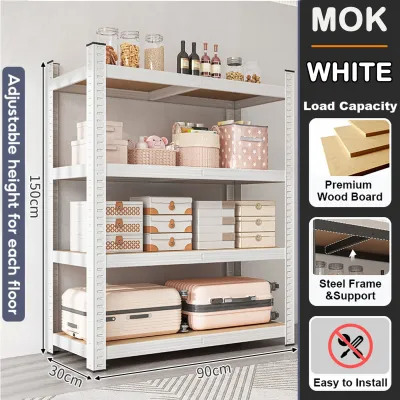
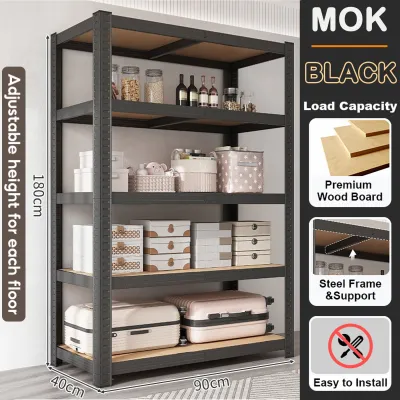
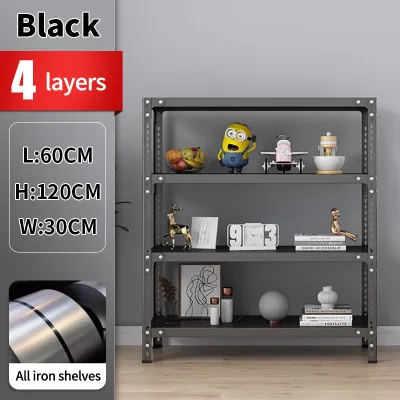
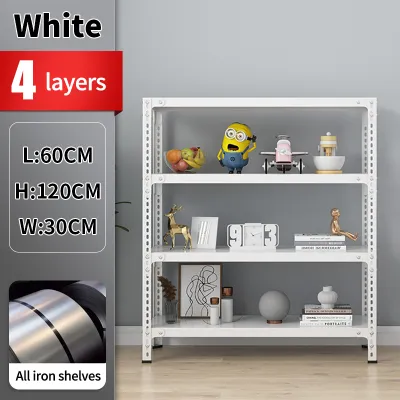
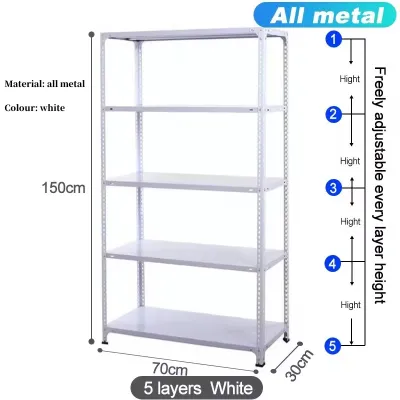


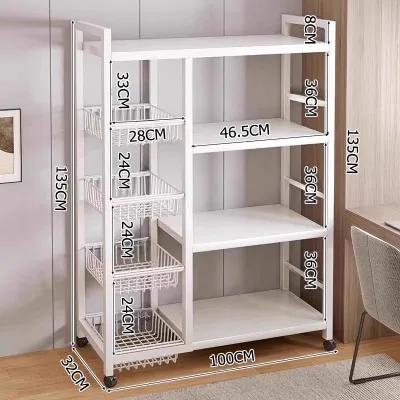
Prices are valid at publication and may change. Please refer to the product page for the latest price.
Heavy textbooks, encyclopedias, and multi-ring binders demand robust support and deep shelves, whereas lighter items like novels, decorative plants, and pen holders can sit on shallower surfaces. If you plan to store a printer, scanner, or uninterruptible power supply (UPS) on the rack, you must also account for the physical footprint and cable routing of these devices. This initial inventory prevents you from overbuying an industrial-grade rack when a medium-duty unit would suffice, or conversely, overloading a light-duty decorative shelf.
Your storage strategy should also distinguish between active archive storage and daily-access items. Items you reach for constantly, such as current notebooks, reference manuals, and active project files, should sit at eye level and arm’s reach. Archive files, tax documents, and seasonal books can be placed on the very top or bottom shelves. This distinction helps you decide whether you need an open-access frame or a unit that can accommodate modular storage boxes to keep older documents dust-free.
Matching Rack Dimensions to Your Available Space
To ensure your metal shelf rack fits seamlessly into your study room, you must measure your available space with precision. Start by measuring the floor width and depth of the designated wall area. You must also measure the height of your ceiling, especially if you are considering a tall utility rack to maximize vertical storage in a compact room.

Beyond the footprint of the rack itself, you must calculate the clearance required for daily movement. Ensure there is at least 90 to 100 centimeters of open space in front of the shelves so you can comfortably pull out a desk chair, walk past, or bend down to access the bottom levels. If the rack is positioned near a door or window, verify that the frame will not obstruct the swing path of the door or block natural light.
Do not overlook the logistics of getting the furniture into your home. Measure the width of your doorways, stairwells, and tight hallway corners to ensure the packaging or pre-assembled frame can be delivered safely to your study room. In many homes in the Philippines, narrow staircases or low-clearance doorways make flat-pack, self-assembled metal racks a much more practical choice than fully welded, single-piece units.
Shelf depth is another critical dimension that dictates usability. Standard shelf depths generally range from 30 centimeters to 60 centimeters. A shallow 30-centimeter shelf is ideal for standard novels, paperbacks, and small office organizers, keeping them neat without consuming excess floor space. Deeper shelves of 45 to 60 centimeters are necessary if you plan to store large storage bins, archive boxes, or bulky office electronics.
Evaluating Load Capacity and Shelf Adjustability for a Metal Shelf Rack
Books are deceptively heavy, and a fully loaded shelf can easily bow or collapse if the unit is under-specced. A single linear meter of tightly packed textbooks or legal binders can weigh anywhere from 20 to 35 kilograms. To choose a safe metal shelf rack, you must estimate the total weight of your collection and compare it against the manufacturer’s specified load ratings.
When evaluating product specifications, look for the load capacity per shelf, often referred to as the Uniformly Distributed Load (UDL) rating. This rating assumes the weight is spread evenly across the shelf surface rather than concentrated in one spot. For a study room, a rack with a UDL rating of at least 50 to 100 kilograms per shelf is highly recommended to accommodate heavy reference books and office equipment safely.
Flexible storage is essential in a dynamic study room, making shelf adjustability a key feature. Standard fixed-shelf units limit your storage options, forcing you to stack oversized books horizontally or leave wasted vertical space above smaller items. Look for boltless shelving systems that utilize keyhole slots or clip-in designs, allowing you to adjust individual shelf heights in increments of 3 to 5 centimeters. This flexibility makes it easy to reconfigure the rack if you purchase a taller printer or transition to larger storage binders.
To identify a high-capacity, durable rack, examine the structural indicators of the frame. Look for units constructed from thick-gauge steel (typically 1.5 millimeters or thicker) and those featuring reinforced support beams underneath each shelf panel. Cross-bracing on the back or sides of the frame significantly enhances lateral stability, preventing the rack from swaying or leaning when fully loaded with heavy reference materials.
Choosing the Right Metal Finish for Humid Climates
In tropical environments like the Philippines, high relative humidity and seasonal moisture can take a toll on metal furniture. If the steel frame lacks a proper protective coating, exposure to damp air can quickly lead to rust, which compromises the structural integrity of the rack and can ruin your valuable books and documents. Understanding different metal finishes is crucial for long-term durability.
- Powder-Coated Finishes: This is the most popular and practical finish for home study rooms. The process involves applying a dry plastic powder to the metal frame and baking it under heat to create a hard, continuous protective layer. Powder coating offers excellent resistance to scratches, chipping, and moisture, and it is available in various colors to match your home decor.
- Galvanized Steel: Galvanized racks are coated with a protective layer of zinc, offering superior rust resistance even in highly humid or semi-outdoor environments. While incredibly durable, galvanized steel has a bright, industrial, metallic appearance that may feel too clinical or harsh for a cozy, decorated study room.
- Painted Finishes: Standard wet-painted metal racks are often the most budget-friendly option. However, standard paint chips more easily than powder coatings. Once the paint chips, the underlying raw steel is exposed to air and moisture, making it highly susceptible to localized rusting.
Always check the manufacturer’s care instructions and product labels for specific rust-resistance certifications. To protect your investment, avoid placing the metal shelf rack directly beneath air conditioning units where condensation might drip, or right next to open windows where rain can splash during afternoon downpours. Maintaining good air circulation in your study room and wiping the frame down occasionally with a dry microfiber cloth will also help prevent moisture buildup.
Ensuring Stability and Safety for Heavy Loads
When you load multiple shelves with heavy books and equipment, the center of gravity of the rack shifts upward. This makes stability and tip-over prevention your highest safety priorities, especially if you live in an area prone to seismic activity or have young children and pets visiting your workspace.
Always look for a metal shelf rack that features a wide, stable base and includes adjustable leveling feet. Floors in residential homes are rarely perfectly flat, and even a minor slope can cause a tall, heavy rack to wobble. Threaded leveling feet allow you to compensate for uneven tiles or concrete screeds, ensuring the frame remains perfectly vertical and stable.
For any shelving unit taller than 150 centimeters, wall anchoring is highly recommended. Many heavy-duty metal racks come packaged with wall-mounting brackets or anti-tip strap kits. When installing these anchors, ensure you use the correct hardware for your wall type; concrete or hollow-block walls (common in Filipino homes) require masonry wall plugs and sturdy screws, whereas drywall installations require specialized toggle bolts or anchoring directly into wooden wall studs.
During assembly, carefully follow the manufacturer’s instructions regarding bolt torque and joint connections. If you are assembling a boltless keyhole rack, use a rubber mallet to ensure the shelf support beams are fully seated at the bottom of the post slots. Periodically check the joints and tighten any loose bolts or structural connections every few months to maintain the unit’s structural integrity over years of continuous use.
Enhancing Organization With Functional Add-ons
An open metal shelf rack provides excellent structural support, but it can sometimes look cluttered if left disorganized. Integrating functional accessories can help you maintain visual order, protect smaller items, and blend the industrial look of metal with the warm aesthetic of a home study.
Consider adding modular storage accessories to customize your shelving layout. Fabric or plastic storage bins are excellent for hiding loose cables, stationery supplies, and miscellaneous paperwork. Metal bookends or clip-on wire dividers are essential for keeping rows of books upright, preventing them from sliding off the open sides of the rack. For archive files, adhesive label holders attached to the front of the shelf beams make it easy to identify the contents of each section at a glance.
If you anticipate needing to rearrange your study room layout or clean behind your shelving frequently, consider a rack compatible with heavy-duty casters. However, adding wheels involves a trade-off: casters generally reduce the overall weight capacity of the unit compared to static leveling feet. If you choose a mobile setup, ensure that at least two of the casters feature robust locking mechanisms to prevent the rack from rolling or shifting when you reach for a book.
Finally, pay attention to color coordination to create a cohesive, focused working environment. A matte black or dark gray metal shelf rack pairs beautifully with modern, industrial-style desks and warm wooden accents. A clean white or cream powder-coated rack can make a small study room feel brighter, more open, and less crowded, helping you maintain a calm and productive mindset.
Frequently Asked Questions (FAQ)
Can a metal shelf rack hold a heavy desktop computer or printer?
Yes, a high-quality metal shelf rack can easily support a heavy desktop computer tower or a multi-function printer, provided you verify that the weight of the device is well within the manufacturer’s specified load rating per shelf. To maintain structural stability and prevent the unit from becoming top-heavy, always place these heavy electronic devices on the lower or middle shelves of the rack.
How do I prevent metal shelves from scratching my study room floor?
To protect your tiled, wood-laminate, or polished concrete floors from scratches, check if the metal shelf rack includes protective plastic foot caps or rubber feet. If the manufacturer does not provide them, you can purchase aftermarket heavy-duty rubber floor protectors, adhesive felt pads, or place a durable, low-profile protective floor mat underneath the feet of the rack.

Community discussion
Share your experience or ask a question. Comments are reviewed before publication.