
When shopping for a drawer storage cabinet for your kitchen or dining area, looking beyond the exterior design is essential. While a beautiful finish or a modern silhouette might catch your eye, the technical specifications dictate how well the unit will serve your household. In busy culinary and dining spaces, a cabinet must withstand heavy loads, resist moisture, and fit seamlessly into your layout without obstructing daily movement. Verifying key specifications—such as precise exterior dimensions, internal drawer clearances, weight capacities, and material finishes—ensures you select a piece of furniture that is both highly functional and safe for your home.
Overall Dimensions and Space Clearance
Before committing to a drawer storage cabinet, measure your allocated floor footprint and compare it against the manufacturer’s listed width, depth, and height. In compact homes, such as townhouses or condominiums where dining and kitchen areas merge, every centimeter counts. A cabinet that is even slightly too wide can block light switches, overlap window frames, or crowd adjacent furniture. Marking the proposed footprint on your floor with painter’s tape helps visualize how the unit will occupy the physical space.
Beyond the static footprint, account for the dynamic clearance required during daily use. A drawer storage cabinet requires ample room for drawers to extend fully without colliding with dining tables, chairs, or kitchen islands. Measure the depth of the cabinet with the drawers completely open and ensure there is enough walking clearance so family members can comfortably pass behind someone retrieving items. If the cabinet features swing-out doors alongside the drawers, verify that their arc of motion does not conflict with nearby doorways or appliances.
Products mentioned in this guide
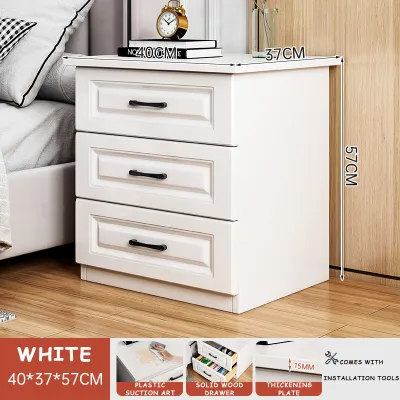
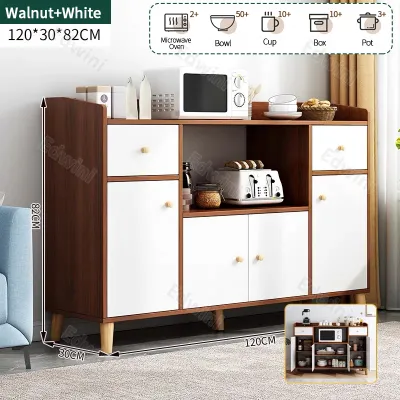

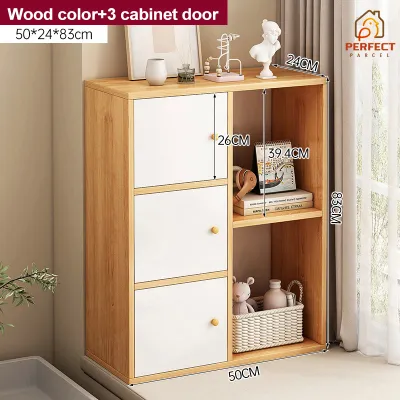
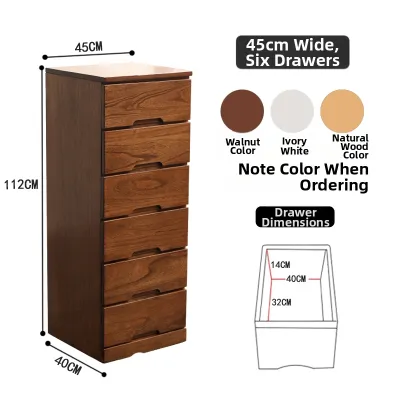
Prices are valid at publication and may change. Please refer to the product page for the latest price.
Finally, verify delivery access by checking stairwell, elevator, and doorway dimensions against the packaged or fully assembled size. In high-rise residences, elevator clearance is often the limiting factor for pre-assembled furniture. Checking these specifications beforehand prevents the frustration of purchasing a cabinet only to find it cannot clear the entryway or navigate a tight hallway corner.
Drawer Depth and Internal Configuration
The utility of a drawer storage cabinet depends heavily on its internal dimensions, which often differ from the external measurements. When evaluating a cabinet, look for the usable internal width, depth, and height of each drawer rather than relying on the outer drawer face dimensions. If you plan to store stacked dinnerware, large serving bowls, or small kitchen appliances, measure the height of your tallest items and compare them to the internal clearance. Standard dinner plates often require deeper drawers, while cutlery and table linens are better suited for shallow, wide drawers.

Customization options within the drawers can greatly enhance organization. Check the specifications to see if the cabinet includes adjustable dividers, removable inserts, or modular compartments. These features allow you to tailor the interior layout to your specific dining essentials, preventing items from sliding around and chipping when drawers are opened and closed. For delicate glassware or heavy ceramic platters, look for drawers that can accommodate non-slip liners or custom organizing pegs.
Another critical specification is the drawer extension distance. Full-extension drawer slides allow the drawer to pull out completely, exposing the entire interior and making it easy to reach items stored at the very back. In contrast, three-quarter extension slides leave the rear portion of the drawer tucked inside the cabinet frame, forcing you to reach into dark corners. Verifying that the cabinet uses full-extension hardware ensures that no storage space is wasted and that every item remains easily accessible.
Weight Capacity and Structural Stability
Kitchen and dining storage units often bear substantial loads, from heavy ceramic dinnerware sets and stoneware to small appliances like blenders or stand mixers. Consequently, you must review the manufacturer’s stated weight limit per drawer as well as the total weight capacity of the entire unit. Storing items that exceed these limits can cause drawer bottoms to sag, slide mechanisms to bend, or the entire frame to warp over time. If a product listing does not specify weight limits, look for structural details like reinforced drawer bottoms or solid wood framing.
The quality of the drawer slide mechanism and joint construction is a reliable indicator of how well the cabinet will perform under load. Look for specifications detailing ball-bearing drawer slides, which offer smoother operation and greater durability than basic plastic rollers or wooden runners. Examine the joint construction of the drawers; dovetail joints or doweled and glued joints are far more robust than simple stapled or nailed corners. High-quality hardware and joinery ensure that drawers continue to slide smoothly even when loaded to their maximum capacity.
Structural stability also encompasses safety, particularly regarding tip-over hazards. A tall or top-heavy drawer storage cabinet can become unstable when multiple drawers are pulled out simultaneously. Check the product specifications to see if the manufacturer includes an anti-tip kit or wall-anchoring hardware. Securing the cabinet to the wall is a vital safety measure, especially in active households with children or pets. If anchoring hardware is not included, plan to purchase compatible wall anchors separately based on your wall type, whether concrete, brick, or drywall.
Material and Surface Finish Checks
In kitchen and dining environments, furniture is routinely exposed to humidity, steam, food spills, and frequent cleaning. Therefore, you should look for moisture-resistant surface treatments and sealed edges rather than relying solely on the base material name. While solid wood or high-density fiberboard may form the core of the cabinet, the outer finish acts as the primary barrier against damage. Check if the cabinet features a durable laminate, a water-resistant lacquer, or a protective veneer that prevents moisture from penetrating the wood fibers and causing swelling or warping.
Review the manufacturer’s cleaning and care instructions to ensure the surface finish can handle the demands of a busy dining area. A practical kitchen cabinet should withstand frequent wiping with a damp cloth and mild soapy water without losing its luster or degrading the finish. Avoid finishes that require specialized, high-maintenance polishes or those that are highly susceptible to water rings from wet glasses or hot serving dishes. A resilient, low-maintenance surface ensures the cabinet retains its appearance despite daily exposure to oils, sauces, and condensation.
Finally, pay close attention to the hardware finish, including drawer pulls, handles, and hinges. In tropical climates or humid kitchen zones near sinks and dishwashers, low-quality metal hardware can quickly tarnish or rust. Look for specifications indicating corrosion-resistant hardware finishes, such as brushed stainless steel, anodized aluminum, or powder-coated metals. Durable hardware not only maintains the aesthetic appeal of your cabinet but also ensures that hinges and handles remain structurally sound and functional for years to come.
Frequently Asked Questions (FAQ)
How do I measure the correct drawer depth for my dinnerware?
To determine if your dinnerware will fit, stack your largest plates or bowls as you intend to store them and measure the total height of the stack. Compare this measurement to the internal drawer clearance, which is the distance from the drawer bottom to the top edge of the drawer box or the cabinet frame above it. Remember to account for the thickness of any drawer liners you plan to add, as well as the clearance needed to lift the plates out without scraping the top of the opening.
Does a heavier drawer storage cabinet always mean better quality?
While a heavier cabinet often indicates the use of dense materials like solid wood or high-density fiberboard, weight alone does not guarantee superior quality. The overall durability of the cabinet depends heavily on the quality of its joints, drawer slides, and structural bracing. A moderately weighted cabinet with robust dovetail joints and high-quality ball-bearing slides will often outperform and outlast a heavier unit assembled with weak joints or basic plastic runners. Always prioritize load ratings and hardware specifications over physical weight.

Community discussion
Share your experience or ask a question. Comments are reviewed before publication.