
Preparing for a lipat bahay in the Philippines requires a strategic selection of storage and packing products to protect your belongings from tropical humidity, transit vibrations, and sudden downpours. Sourcing your supplies from The Happy Home provides access to a versatile range of heavy-duty plastic bins, space-saving vacuum compression bags, and protective wrapping materials designed to streamline the packing process. By matching the right container types, dimensions, and protective accessories to your specific household inventory, you can safeguard your items during transit and establish an organized system for unpacking in your new home.
Assessing Your Lipat Bahay Packing and Storage Needs
Before purchasing any packing supplies from The Happy Home, a comprehensive inventory of your household items is essential. Walk through each room and categorize your belongings by weight, size, and fragility. Grouping items like heavy books, delicate kitchenware, bulky bedding, and everyday clothing allows you to estimate the exact volume and types of containers you will need. This initial assessment prevents the common mistake of over-purchasing large boxes that become too heavy to lift once filled.
Transit conditions in the Philippines present unique challenges that must influence your packing strategy. Moving trucks often navigate narrow residential streets, steep staircases in multi-story apartments, or tight elevator cabins in high-rise condominiums. If your new home has restricted access, opting for medium-sized containers with secure handles is far more practical than relying on oversized crates that cannot clear tight corners. Additionally, consider the open cargo beds of traditional moving vehicles, which expose your belongings to road dust and sudden tropical rain showers.
Products mentioned in this guide
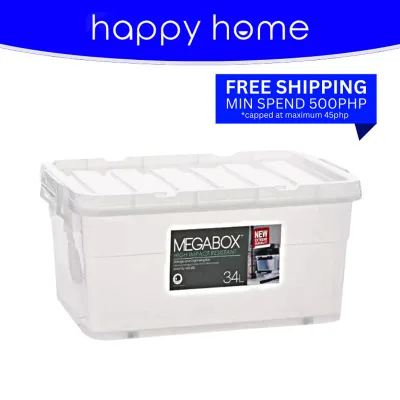
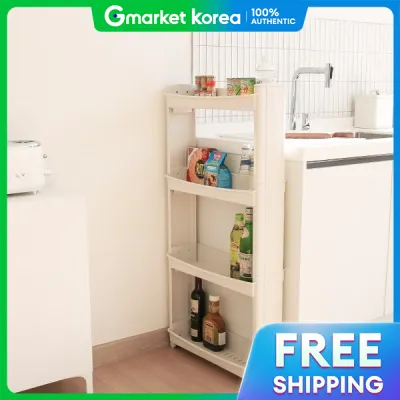
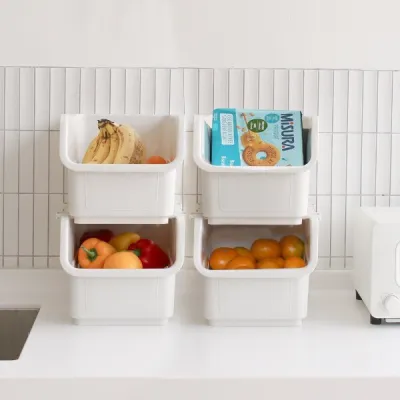
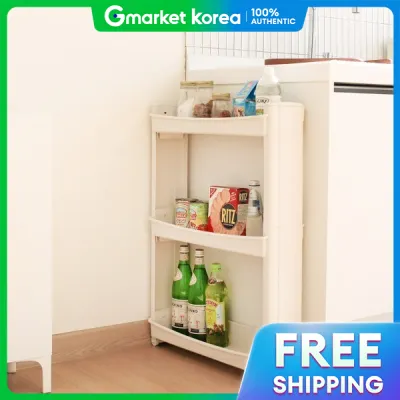
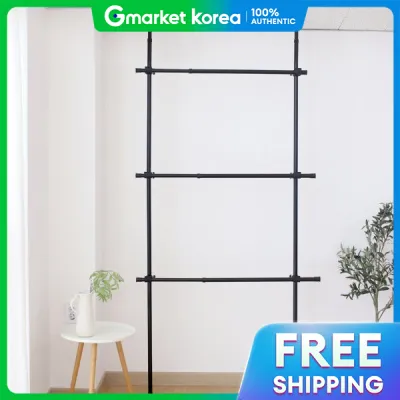
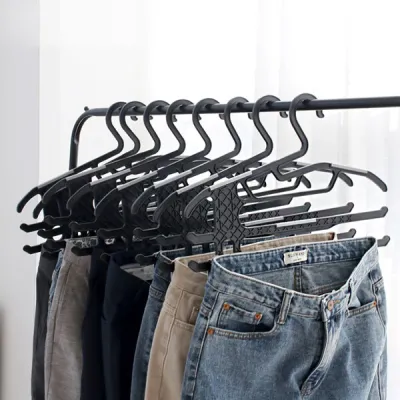
Prices are valid at publication and may change. Please refer to the product page for the latest price.
Distinguishing between short-term transit needs and long-term storage requirements is another critical step. Items destined for immediate unpacking, such as daily kitchen utensils and active wardrobes, can be packed in standard, cost-effective containers. Conversely, seasonal items, extra linens, or keepsakes that will remain stored in a garage, attic, or closet require durable, moisture-resistant bins. Evaluating these factors beforehand ensures you select products that serve a dual purpose: protecting your goods during the move and keeping them organized long after you arrive.
Key Criteria for Selecting Moving Supplies
Selecting the right moving supplies requires looking beyond basic aesthetics to evaluate structural integrity and practical features. The first criterion to examine is the durability and weight capacity of each container. Always check the manufacturer specifications printed on the product labels or packaging to verify the maximum load limits. Exceeding these limits risks structural failure during lifting, which can lead to damaged belongings and potential injury to your moving crew.

Stackability and physical dimensions are equally important when planning how to load the moving vehicle. Containers should feature recessed lids or interlocking bases that allow them to sit securely on top of one another without sliding. Measure the dimensions of your vehicle trunk, standard moving carts, and the shelving units in your new home to ensure the boxes you choose will fit efficiently. Uniformly sized containers maximize cargo space and prevent shifting during transit over uneven roads.
Material suitability must be matched to the local climate and the expected duration of your move. The high humidity levels in the Philippines can soften standard cardboard boxes over time, especially if they are stored in non-air-conditioned spaces or exposed to damp ground. For items sensitive to moisture, look for heavy-duty plastic bins with tight-fitting lids. For dry, short-distance moves, high-quality cardboard remains a lightweight and recyclable option, provided it is kept dry.
Finally, prioritize ease of assembly and labeling features to streamline the unpacking phase. Look for storage boxes that feature built-in label holders, clear plastic walls, or dedicated writing surfaces where you can list the contents and destination room. Ergonomic, reinforced handles are also vital, as they reduce strain on your hands when carrying heavy loads up flights of stairs. Easy-fold cardboard designs save valuable time during the hectic packing phase and can be collapsed flat for storage afterward.
Evaluating Storage Boxes and Heavy-Duty Bins
When browsing the selection at The Happy Home, you will primarily choose between standard cardboard moving boxes and reusable plastic storage bins. Cardboard boxes are highly cost-effective, easy to flat-pack before the move, and simple to recycle or pass on once you have unpacked. However, they lack the structural rigidity of plastic and are susceptible to moisture damage. Reusable plastic bins offer superior impact resistance, protect contents from water, and can be repurposed as permanent home storage solutions, though they require a higher initial investment and occupy the same volume when empty.
Before purchasing any container, carefully verify the exact interior dimensions rather than relying solely on external measurements. The presence of molded handles, wheel wells, or tapered walls can significantly reduce the actual usable space inside a plastic bin. Ensure that the items you plan to pack, such as large serving platters or electronic equipment, can lie flat without forcing the sides of the container to bulge.
Lid security mechanisms are critical for preventing accidental spills during transit. For plastic bins, look for models featuring heavy-duty latching buckles or snap-lock lids that remain firmly attached even when the bin is tilted. If you are using cardboard boxes, ensure you have high-quality packing tape to seal both the top and bottom seams securely. Never rely on simple folding techniques to close cardboard flaps, as they easily give way under pressure.
Specialized containers can greatly simplify the packing of specific household goods. Wardrobe boxes, which feature a built-in metal or plastic hanging bar, allow you to transfer clothes directly from your closet on their hangers, preventing wrinkles and saving hours of folding time. For standard folded clothing, books, and non-fragile kitchen items, standard rectangular bins or medium cardboard boxes are highly efficient. Always check the maximum weight limits printed on the packaging of each box type to ensure you distribute heavy items, like books, into smaller boxes and lighter items, like pillows, into larger ones.
Space-Saving Organizers and Compression Solutions
Maximizing the cargo space of your moving vehicle is a key factor in reducing the number of trips required for your lipat bahay. Vacuum storage bags are highly effective tools for compressing bulky, soft items such as pillows, thick blankets, comforters, and seasonal clothing. By removing excess air, these bags can reduce the volume of your textiles by up to eighty percent, allowing you to pack multiple bedding sets into a single medium-sized storage bin.
To ensure these compression solutions perform reliably throughout your move, pay close attention to the material thickness and valve design. Thicker plastic construction offers better puncture resistance against sharp zipper teeth or rough handling. Verify that the sealing zipper features a secure double-lock mechanism and that the air valve is compatible with standard household vacuum cleaner hoses or includes a portable manual pump for easy deflation at your destination.
Inside larger moving boxes, small items can easily shift, become tangled, or get lost. Utilizing drawer organizers, modular divider sets, and small parts bins from The Happy Home helps maintain order during transit. These organizers are ideal for securing jewelry, hardware, cables, and small kitchen accessories. By placing these structured organizers directly into larger boxes, you prevent delicate items from knocking against each other and make unpacking a highly organized process.
Collapsible storage crates and fabric bins offer excellent flexibility for both transit and post-move organization. These crates can be popped open to carry loose items on moving day and then folded completely flat when not in use, saving valuable floor space in your new home. Fabric bins are particularly useful for organizing closets and open shelving units once you arrive, providing a neat, cohesive look while keeping daily essentials within easy reach.
Protective Packing Materials and Essential Accessories
Securing the contents inside your boxes is just as important as choosing the right outer containers. To protect fragile items like glassware, ceramics, and electronics, select appropriate cushioning materials based on the item’s vulnerability. Bubble wrap provides excellent shock absorption for highly delicate glassware, while clean packing paper is ideal for wrapping everyday dishes and filling empty spaces inside boxes to prevent shifting. Avoid using newspaper, as the ink can transfer onto your belongings and require extensive washing later.
The integrity of your cardboard boxes relies heavily on the quality of the packing tape used to seal them. Choose heavy-duty, wide packing tape designed specifically for shipping and moving. Verify the tape’s adhesion properties on cardboard surfaces, ensuring it can withstand high humidity without peeling away. Utilizing a handheld tape dispenser not only speeds up the packing process but also ensures even application and clean cuts, preventing wasted tape and frustration.
An efficient unpacking process depends on clear organization and labeling. Equip yourself with permanent markers and color-coded labeling stickers to mark every container clearly. Write the destination room and a brief summary of the contents on multiple sides of each box so the moving crew knows exactly where to place them. Maintaining a master inventory checklist that corresponds to the numbered boxes ensures that no items are misplaced during the transition.
Stretch wrap is another invaluable accessory for securing multi-piece items, drawer units, and furniture doors during transit. However, it is crucial to check the compatibility of stretch wrap with delicate surfaces before application. Avoid wrapping wood finishes, leather, or painted surfaces directly with plastic stretch wrap, as trapped moisture and heat in tropical climates can cause the plastic to adhere permanently or damage the finish. Instead, wrap these items in protective moving blankets or paper pads first, then use stretch wrap on the exterior to hold the padding securely in place.
Frequently Asked Questions (FAQ)
How do I determine the correct box size for my belongings?
Matching your belongings to the correct box size is essential for safe lifting and transport. As a general rule, use smaller boxes for heavy, dense items such as books, files, tools, and canned goods to keep the overall weight manageable. Reserve larger boxes and bins for lightweight, bulky items like pillows, blankets, stuffed toys, and winter coats. Before purchasing your containers from The Happy Home, measure the dimensions of the largest items in each category to ensure they will fit comfortably without bending or forcing the box walls outward.
Are plastic storage bins better than cardboard boxes for a lipat bahay?
Both container types have distinct advantages depending on your moving conditions and long-term plans. Plastic storage bins offer superior weather resistance, protecting your belongings from tropical rain and humidity, and their rigid structure allows for highly stable stacking in the moving truck. They are ideal for long-term storage in garages or damp areas. Cardboard boxes, on the other hand, are highly cost-effective, lightweight, and easy to collapse and recycle after a single-use transit. For a balanced approach, use plastic bins for fragile, valuable, or long-term storage items, and cardboard boxes for dry, everyday goods that will be unpacked immediately.
What should I check before buying vacuum storage bags?
Before purchasing vacuum storage bags, check the product specifications for material thickness, typically measured in microns, to ensure adequate puncture resistance against zippers or buttons. Examine the quality of the sealing zipper; a double-zipper design with a color-changing seal indicator helps ensure an airtight closure. Additionally, verify the valve type to confirm it is compatible with your household vacuum cleaner hose, or check if the package includes a manual hand pump, which is highly convenient if you do not have access to electricity or a vacuum cleaner on moving day.

Community discussion
Share your experience or ask a question. Comments are reviewed before publication.