
Artpioneer storage shelves can be highly effective tools for a lipat bahay, but their value lies primarily in staging, sorting, and establishing immediate order in your new home rather than serving as active transit containers. While these metal or modular shelving units excel at keeping packed boxes off damp floors and organizing items before the moving truck arrives, they must be completely emptied and potentially disassembled before being loaded onto a vehicle. Understanding how to integrate these shelves into your moving strategy ensures a smoother transition while protecting both your belongings and the structural integrity of your furniture.
Key Storage Requirements for a Smooth Lipat Bahay
A successful house move in the Philippines requires careful planning to handle local environmental factors and transport logistics. Tropical humidity, sudden downpours, and dusty roads mean that your belongings need robust protection from the moment they are packed until they are arranged in your new space. Items left sitting directly on concrete floors in temporary staging areas are vulnerable to moisture damage, pests, and accidental spills, making elevated storage a practical necessity during the transition.
Vehicle space constraints also dictate how you pack. Moving trucks, closed vans, and smaller utility vehicles require tight, secure loading to prevent items from shifting on bumpy roads. This environment demands stackable, uniform containers that maximize vertical space without risking collapse. Rigid, open shelving units do not easily stack on top of other cargo inside a truck, meaning they must be treated as separate, flat-packed, or empty items during actual transit.
Products mentioned in this guide
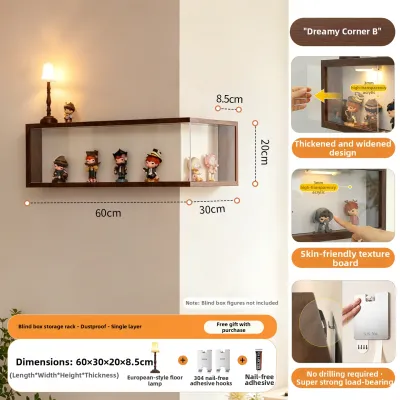

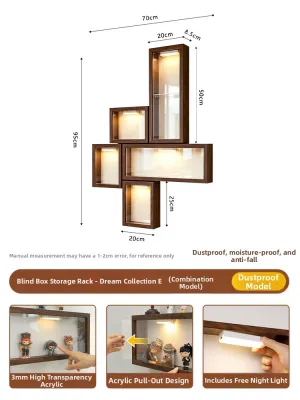
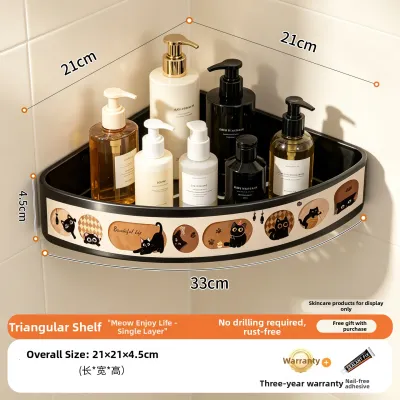
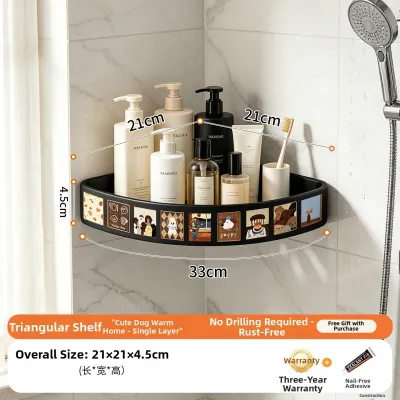

Prices are valid at publication and may change. Please refer to the product page for the latest price.
It is essential to distinguish between short-term moving logistics and long-term home organization. During the move itself, the primary goals are containment, shock absorption, and mobility. Once you arrive at your destination, the focus shifts to accessibility, ventilation, and permanent placement. Recognizing this distinction helps you use your shelving units as staging platforms before and after the journey, rather than attempting to use them as mobile crates.
How to Evaluate Artpioneer Shelves for Moving
Before relying on Artpioneer storage shelves for your move, you must verify their physical specifications to ensure they can handle the physical stress. Start by checking the manufacturer’s product label, instruction manual, or official listing on your preferred ecommerce platform to confirm the exact load capacity per tier. Never guess the weight limit based on appearance alone, as overloading a shelf during the staging phase can lead to sudden structural failure and damaged goods.

Next, evaluate how easily the specific model can be disassembled or folded. Some Artpioneer units feature boltless assembly designs or folding frames that make them highly convenient for transport. If your unit is a rigid, bolted model, factor in the time and tools required to take it apart before moving day. Attempting to transport a fully assembled, rigid metal shelf in a moving truck often results in bent frames, scratched finishes, or damage to surrounding furniture due to transit vibrations.
Inspect the surface treatment and joint connections of your shelving unit. In the humid Philippine climate, steel shelves should ideally feature a powder-coated or rust-resistant finish to prevent corrosion during storage or transport in open-air vehicles. Check the thickness of the metal uprights and the stability of the joints; loose rivets or thin, warped beams are clear indicators that the unit should not be loaded with heavy appliances or dense stacks of books.
Finally, recognize the practical limits of rigid shelving. While a sturdy metal rack is excellent for organizing your garage or pantry in the new house, collapsible plastic crates or heavy-duty cardboard boxes are far more efficient for the actual moving day. If a shelf cannot be easily folded or disassembled, it may take up excessive volume in the moving vehicle, leaving less room for your other household essentials.
Packing and Staging Strategies Using Storage Shelves
Using your storage shelves as a staging station can dramatically reduce the chaos of packing and unpacking. Set up your shelving unit in a central, dry area of your current home several weeks before the move. As you pack boxes, sort them by weight, fragility, and room destination before placing them on the shelves. Always place the heaviest boxes on the bottom tier to maintain a low center of gravity and prevent the shelving unit from becoming top-heavy or tipping over.
If you must move a loaded shelving unit short distances within your home—such as from a bedroom to the living room staging area—you must secure the items first. Remove any loose, fragile, or unboxed items entirely. For boxed goods, use stretch wrap or heavy-duty straps around the perimeter of the shelf to prevent boxes from sliding off the edges during minor adjustments. Ensure you have adequate clearance through doorways and hallways before attempting to slide or carry the unit.
When planning your new home layout, use the shelves to streamline the unpacking process. Label each shelf tier for specific categories, such as kitchen essentials, daily toiletries, or important documents. When the moving truck arrives at your new residence, assemble the shelving units first. This allows you to immediately unload incoming boxes onto the shelves, keeping your walkways clear and giving you a systematic, elevated space to unpack your belongings at your own pace.
Complementary Packing Solutions for Safe Transit
While open metal shelves are invaluable for organizing your staging areas, they cannot protect loose items during actual road transit. To ensure your belongings survive the journey intact, you must pair your shelving units with complementary packing materials. Heavy-duty plastic storage bins with secure, latching lids are ideal for protecting fragile items, electronics, and kitchenware from dust, road vibrations, and unexpected rain showers during transport.
For soft goods like clothing, bedding, and pillows, standard cardboard moving boxes and vacuum-seal storage bags are highly efficient. Vacuum bags compress bulky textiles to a fraction of their size, allowing you to pack more items into a single moving box or vehicle compartment. These sealed containers also prevent tropical humidity and pests from affecting your fabrics while they are in transit or temporary storage.
By combining rigid shelving for your home layout with secure, temporary transit containers, you create a seamless lipat bahay workflow. Use the plastic bins and cardboard boxes to safely transport your goods inside the moving vehicle, and then unpack those containers directly onto your newly assembled Artpioneer shelves. This hybrid approach protects your investments, maximizes vehicle space, and ensures your new home remains organized from day one.
Frequently Asked Questions (FAQ)
Can I leave items on the shelves while transporting them in the moving truck?
No, you should never leave items on open shelves during transit. The vibrations, sudden stops, and sharp turns of a moving vehicle will cause items to slide off, leading to broken belongings and potential damage to the truck’s interior. Furthermore, transporting a fully loaded shelving unit subjects its joints and frame to intense lateral forces, which can cause the entire structure to buckle or collapse. Always empty the shelves completely, pack the items into secure boxes, and disassemble or fold the shelving unit before loading it into the moving vehicle.
How do I verify the weight limit of my Artpioneer shelf for heavy books or appliances?
To find the precise weight capacity of your shelving unit, consult the original product manual, the manufacturer’s label affixed to the frame, or the product specification sheet on the online marketplace where it was purchased. Do not estimate the load capacity based on the thickness of the metal or the shelf’s visual sturdiness. Exceeding the manufacturer’s specified weight limit can cause the shelves to sag, warp, or collapse unexpectedly, posing a safety hazard to your household and risking damage to your expensive appliances or book collections.

Community discussion
Share your experience or ask a question. Comments are reviewed before publication.