
Choosing the right L-shaped shelves can transform an underutilized corner of your home office into a highly productive storage hub. In the Philippines, where residential spaces range from compact city condominiums to spacious suburban homes, maximizing vertical and corner space is key to maintaining an organized work environment. However, finding the ideal setup requires looking beyond aesthetics to evaluate spatial constraints, material durability under tropical conditions, and structural safety.
This guide provides a practical framework to help you assess your workspace, verify product specifications, and select a shelving unit that safely supports your office equipment. By focusing on measurable factors and installation safety, you can build a reliable storage system that enhances your daily productivity.
Assessing Your Space and L-Shaped Configuration Needs
Before browsing online marketplaces or visiting local furniture showrooms, you must accurately measure your designated office corner. Corner spaces are rarely perfectly square, especially in concrete block constructions common across the Philippines. A minor wall deviation can prevent a rigid, pre-assembled L-shaped shelf from sitting flush against both walls, leading to unsightly gaps or structural strain during installation.
Products mentioned in this guide
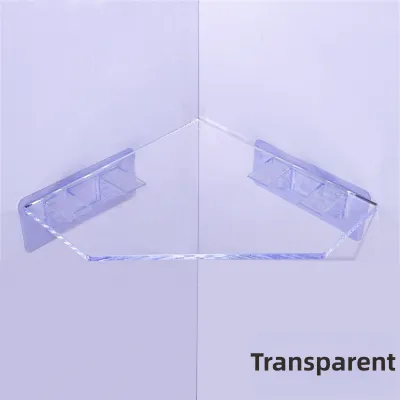
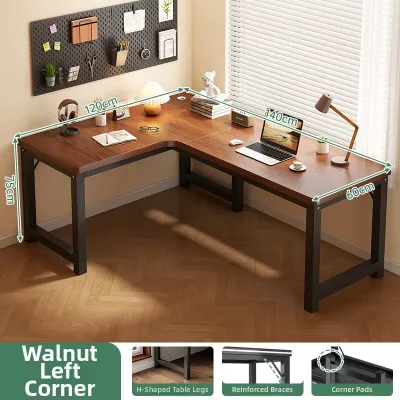
Prices are valid at publication and may change. Please refer to the product page for the latest price.
To ensure a precise fit, use a digital angle finder or create a simple cardboard template of the shelf’s footprint to test the corner angle. Measure the wall length along both sides of the corner at the exact height where the shelves will sit, taking care to account for baseboards, which can push the bottom of the unit away from the wall. Additionally, measure the vertical clearance from floor to ceiling, noting any potential obstructions such as wall-mounted air conditioning units, window frames, light switches, or electrical outlets.
You must also plan the delivery and assembly route for your chosen furniture. Large, freestanding L-shaped bookcases are heavy and bulky, while flat-pack units often arrive in long, cumbersome boxes. Measure the width of your front door, hallway turns, stairwells, and elevator cabins to ensure the packaged or pre-assembled unit can safely reach your home office without causing damage to your walls or the furniture itself.
Depending on your room layout and storage goals, you will need to choose between three primary configurations:
- Floating corner shelves: These wall-mounted units keep the floor clear, creating an open, minimalist aesthetic. They are ideal for displaying light decorative items or storing small office supplies, but they have strict weight limitations.
- Freestanding L-shaped bookcases: These floor-standing units offer substantial storage capacity and naturally distribute weight to the ground. They are excellent for heavy binders, reference books, and filing boxes, though they must be anchored to the wall for safety.
- Modular desk-shelf combinations: These integrated units combine a work surface with corner shelving, making them highly efficient for compact study rooms where space is at a premium.
Evaluating Materials, Stability, and Weight Capacity
To ensure your shelving unit can safely support your office gear, you must verify its structural integrity based on manufacturer specifications rather than assuming performance based on material names alone. Never guess the load capacity of a shelf; instead, consult the product manual or manufacturer labels to find the maximum weight limit per tier.

The wall type in your home office dictates the anchoring hardware you must use. Most residential structures in the Philippines feature plastered concrete or masonry walls, which provide excellent support but require heavy-duty masonry wall plugs and expansion bolts. If your home office is in a modern condominium with gypsum drywall partitions, you must locate the metal or wooden studs behind the wall or use specialized toggle bolts, as standard plastic plugs will fail under heavy loads.
When evaluating freestanding L-shaped units, inspect the joint structures, brackets, and base stability before making a purchase. Look for robust connection systems such as metal-to-metal cam locks, reinforced corner brackets, or solid wood dowels rather than simple glue-and-nail construction. Ensure the unit features a wide, stable base or adjustable leveling feet, which are essential for preventing wobbles on tiled or uneven wooden floors.
The tropical climate of the Philippines introduces high relative humidity, which can severely affect furniture materials over time. Engineered woods like particleboard or medium-density fiberboard (MDF) are susceptible to swelling, warping, and mold growth if they are not properly sealed. Review the manufacturer’s care instructions and surface treatments; melamine laminates, powder-coated steel frames, and well-sealed solid wood offer better resistance to moisture, but they still require regular dry wiping and protection from direct sunlight or damp cleaning cloths.
Building Your Conditional Shortlist for Home Office Storage
Creating a shortlist of potential L-shaped shelves requires matching the unit’s dimensions and features to your specific office inventory. Standard books and decorative items fit comfortably on shallow shelves, but office equipment demands deeper surfaces. Measure the physical footprint of your printer, scanner, external hard drives, and heavy binders before filtering products.
A standard office printer, for example, typically requires a shelf depth of at least 35 to 40 centimeters and sufficient vertical clearance to allow you to open the scanner lid fully. Look for units that offer adjustable shelf heights rather than fixed compartments. Adjustable shelves utilize metal pegs in pre-drilled holes, allowing you to reconfigure the vertical spacing as your storage needs evolve, whereas fixed compartments offer rigid structural support but limited flexibility.
Cable management is another critical factor for a clean, organized workspace. If you plan to place charging docks, routers, or desk lamps on your L-shaped shelves, prioritize units that feature built-in cable grommets, open-back designs, or integrated wire channels. This prevents cords from dangling untidily over the front of the shelves and keeps your power outlets easily accessible.
Finally, compare the logistics and total costs when ordering from local furniture retailers or online marketplaces. Look beyond the base price in Philippine Pesos (₱) and calculate the total cost, including shipping fees for heavy items. Verify whether the seller offers professional assembly services, which can save time and ensure correct construction, and carefully review their return and refund policies regarding parts that may arrive damaged or warped during transit.
Installation, Anchoring, and Safety Checks
Proper installation is the most critical factor in ensuring the long-term safety and stability of your L-shaped shelving unit. Whether you are mounting floating shelves or securing a tall freestanding bookcase, you must follow a systematic assembly and anchoring process to prevent structural failure.
When mounting shelves to drywall, always use a stud finder to locate the structural studs; mounting heavy shelves directly into unsupported drywall is highly dangerous. For concrete walls, use a hammer drill with a masonry bit that matches the exact diameter of your wall plugs. Drill to the recommended depth, clean all concrete dust out of the hole, and insert the anchor firmly before securing the bracket with high-quality screws.
During the assembly process, use a spirit level to check both axes of the L-shape constantly. If the shelves are not perfectly level, gravity will pull the weight of the unit unevenly, putting excessive stress on the corner joints and wall fasteners. If your floor is slightly uneven, use adjustable leveling feet or thin furniture shims to correct the alignment before anchoring the unit to the wall.
If you encounter unexpected resistance while drilling, suspect the presence of hidden electrical conduits or water pipes, or feel unsure about the load-bearing capacity of your walls, stop the installation immediately. Consulting a qualified local carpenter or handyman is a necessary step to ensure your home’s infrastructure and your new furniture remain undamaged.
Once the installation is complete, organize your office items strategically to maintain a safe center of gravity. Place your heaviest equipment, such as paper reams, backup power supplies (UPS), and heavy reference manuals, on the lowest shelves. Keep lighter items, such as stationery, decorative plants, and empty storage boxes, on the upper tiers to minimize the risk of the unit tipping forward.
Frequently Asked Questions (FAQ)
Can I combine two straight shelves to create an L-shape?
Yes, you can combine two straight shelving units to form an L-shape, but you must verify several structural details first. Ensure both units have the exact same depth and height so they align flush in the corner without creating awkward gaps. Check if the manufacturer supports joining hardware, such as flat metal mending plates or corner brackets, to lock the two units together securely. An unjoined, unanchored corner setup poses a severe stability risk, as the units can easily slide apart or tip over; therefore, you must anchor both units independently to the wall.
How do I prevent an L-shaped shelf from tipping over?
To prevent an L-shaped shelf from tipping, you must install the anti-tip kits or wall straps that are typically supplied with freestanding furniture. Secure these brackets to the pre-drilled anchoring holes on the unit and mount them firmly to your wall. Always match the anchor type to your specific wall material, using expansion shields for concrete walls and toggle bolts for drywall. Regularly inspect the shelf for warning signs of instability, such as a visible lean, separation of the corner joints, or the front feet lifting off the floor, and immediately unload the shelves if you detect any movement.
Are floating L-shaped shelves safe for heavy office equipment?
No, floating L-shaped shelves are generally not safe for heavy office equipment. Floating shelves rely entirely on internal brackets and the shear strength of wall anchors, resulting in a much lower load rating than floor-standing bookcases. Always check the manufacturer’s specific load rating, which is based on distributed weight rather than concentrated point loads. Heavy items like laser printers, desktop computers, or large stacks of paper should always be placed on floor-standing shelves, while floating shelves should be reserved for lightweight items like small books, framed photos, or light office supplies.

Community discussion
Share your experience or ask a question. Comments are reviewed before publication.