
Finding the ideal stainless steel dish cabinet with glass doors for your kitchen in the Philippines requires balancing structural durability with everyday functionality. In a tropical climate characterized by high humidity and seasonal moisture, standard wooden cabinetry can warp, swell, or attract pests, making stainless steel an exceptionally practical alternative. Combining a robust steel frame with transparent glass doors allows you to keep your dinnerware organized, visible, and protected from dust and insects. To choose the best option for your home, you must look beyond aesthetic appeal and systematically evaluate material grades, hardware quality, safety features, and spatial constraints.
Evaluating Frame Quality and Load Capacity
The foundation of any high-quality dish cabinet is its metal frame, which must support substantial weight while resisting structural sagging over time. When shopping for a stainless steel cabinet, your first step should be verifying the specific grade of steel used in its construction. High-quality kitchen furniture typically utilizes Grade 304 stainless steel, which contains chromium and nickel to provide superior resistance to corrosion and rust. Lower-cost alternatives often use Grade 201, which is harder but more susceptible to tea staining and rust in highly humid or coastal environments. Always check the manufacturer’s product specification sheets, labels, or metal stamps to confirm the steel grade rather than relying solely on retail descriptions.
Beyond the chemical composition of the metal, the physical construction of the frame determines its long-term stability. Examine the thickness of the steel sheets, often measured in gauges; a lower gauge number indicates thicker, more rigid steel that resists denting and flexing under pressure. Inspect the joints and seams of the cabinet frame to ensure they are securely welded rather than held together by flimsy rivets or light spot welds. Full, continuous welds that have been ground smooth offer the greatest structural integrity and prevent moisture from seeping into raw, unsealed gaps.
Products mentioned in this guide

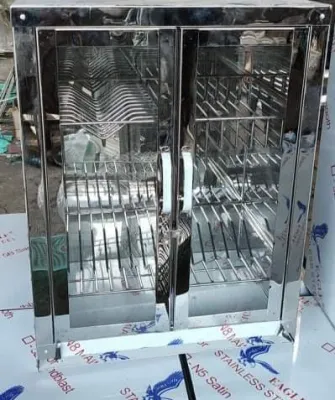

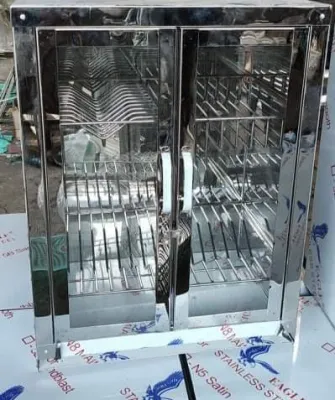
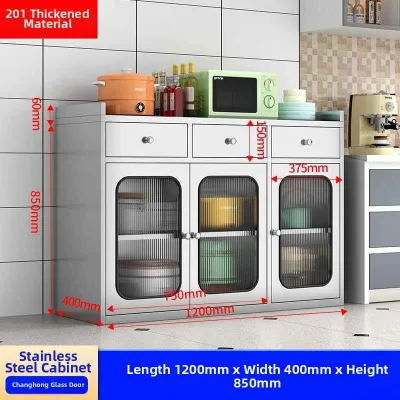

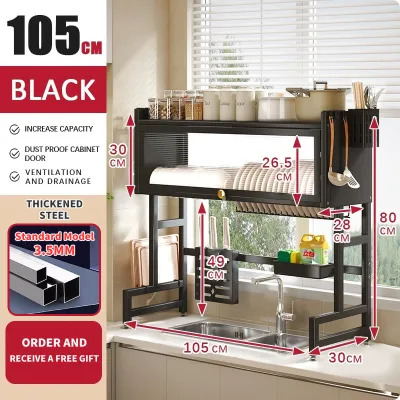
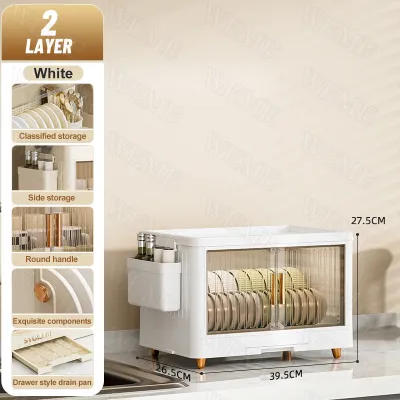
Prices are valid at publication and may change. Please refer to the product page for the latest price.
Finally, you must verify the manufacturer’s stated load-bearing capacity for each shelf and the cabinet as a whole. Heavy ceramic plates, stoneware bowls, and cast-iron cookware accumulate significant weight very quickly. Compare the rated weight limits against your actual kitchen inventory, ensuring that the shelves feature reinforcing under-support bars if you plan to store heavy stacks of dinnerware. A cabinet with unreinforced, thin-gauge shelves will eventually bow in the center, compromising both the alignment of the glass doors and the safety of your stored items.
Verifying Glass Door Safety and Hardware
The glass doors of your dish cabinet provide visibility and elegance, but they also introduce potential safety risks if the materials or hardware are substandard. It is critical to ensure that the cabinet utilizes tempered safety glass rather than standard annealed glass. Tempered glass is processed to be significantly stronger and, in the event of a severe impact, fractures into small, relatively harmless granular pieces instead of sharp, jagged shards. Look for etched certification marks or industry-standard safety labels in the corners of the glass panels to confirm they have undergone proper thermal tempering.

The hardware that supports and secures these glass doors is just as important as the glass itself. Inspect the hinge mechanisms closely, looking for heavy-duty, adjustable stainless steel hinges that can handle the weight of the glass panels without sagging. Soft-close hinges or hydraulic dampers are highly recommended, as they prevent the doors from slamming shut, which could otherwise crack the glass or cause stored dishes to rattle and chip. Adjustable tension screws on the hinges allow you to fine-tune the alignment of the doors over time, ensuring they hang straight and close flush against the frame.
Additionally, evaluate the sealing system around the perimeter of the doors to protect your clean dishes from external contaminants. In tropical environments, dust, moisture, and common household pests like ants or cockroaches can easily find their way into unsealed cabinets. Look for models equipped with magnetic door closures, rubber gaskets, or dense weatherstripping along the door edges. A tight, secure seal not only keeps pests out but also dampens the sound of the doors closing and prevents humid air from circulating freely inside the cabinet, keeping your dried dishes clean and ready for use.
Measuring for Space, Delivery, and Installation
Before finalizing your purchase, precise spatial planning is essential to ensure the cabinet integrates seamlessly into your kitchen layout and can be safely brought into your home. Begin by measuring the designated floor area, taking into account not just the width and depth of the cabinet, but also the clearance required for the glass doors to swing fully open. Ensure that open doors do not block high-traffic walkways, conflict with adjacent appliance doors, or strike nearby countertops. If the cabinet features pull-out drawers or sliding dish racks, measure their full extension length to guarantee they can be operated comfortably without obstruction.
The delivery path is another critical factor that is frequently overlooked during the buying process. You must measure every doorway, hallway, stairwell, and elevator cabin through which the cabinet must pass to reach your kitchen. Because stainless steel cabinets are often delivered fully assembled or in large, rigid sections to preserve structural integrity, they cannot be easily bent or disassembled to fit through tight corners. Compare these clearance measurements against the packaged dimensions of the cabinet to avoid costly delivery failures or accidental damage to your walls and the product itself.
Once the cabinet is in your kitchen, proper installation is vital for safety and stability. Kitchen floors, particularly tiled surfaces, are rarely perfectly level, which can cause a tall cabinet to wobble or lean. Look for cabinets equipped with adjustable leveling feet that allow you to compensate for uneven flooring and ensure the unit stands perfectly plumb. Furthermore, because a fully loaded dish cabinet carries significant top-heavy weight, it poses a potential tip-over hazard. Identify secure anchoring points on your kitchen wall and use appropriate mounting hardware to anchor the cabinet frame firmly, preventing accidental tipping if a heavy drawer is pulled out or if the unit is bumped.
Maintaining Stainless Steel in Humid Conditions
While stainless steel is highly durable, maintaining its pristine appearance and preventing corrosion in the humid Philippine climate requires regular, targeted care. The key to preserving the metal’s resistance to rust is protecting its passive chromium oxide layer, which can be easily damaged by improper cleaning methods. Avoid using harsh chemical cleaners, bleach, ammonia, or abrasive scrubbing pads like steel wool, which can scratch the surface and strip away this protective barrier. Instead, opt for mild dishwashing soap diluted in warm water, applied with a soft microfiber cloth, or use specialized, non-abrasive stainless steel cleaners designed to lift grease and fingerprints without scratching.
Establish a consistent maintenance routine to wipe down the cabinet and prevent the accumulation of moisture and airborne grease. In tropical kitchens, cooking oils and high humidity can combine to form a sticky film on the cabinet’s exterior, which traps dust and can lead to localized pitting or tea staining over time. After cleaning, always dry the surfaces thoroughly with a clean, dry cloth to prevent hard water spots from forming, especially if your local water supply has a high mineral content. Pay special attention to horizontal surfaces, corners, and the areas around the door handles where moisture and hand oils tend to accumulate.
Finally, do not neglect the moving hardware components of your cabinet during your routine maintenance. Over time, humidity and salt air can cause hinges, drawer slides, and magnetic latches to stiffen, squeak, or develop surface rust. Periodically inspect these moving parts, clearing away any dust or debris that may have gathered in the tracks or joints. Apply a small amount of food-safe silicone lubricant or light machine oil to the hinges and slides to ensure they continue to operate smoothly and quietly, preventing premature wear and extending the overall lifespan of your cabinet.
Sourcing and Comparing Options in the Philippines
Navigating the local market to purchase a stainless steel dish cabinet involves comparing various retail channels, understanding total costs, and verifying seller reliability. When comparing options, look beyond the initial sticker price and calculate the total cost in ₱, which should include the base price of the cabinet, delivery fees to your specific region, and any optional assembly or installation charges. Some retailers offer free delivery within major metropolitan areas but charge significant surcharges for provincial shipping, while others include professional assembly in their base pricing, which can save you valuable time and ensure the unit is put together correctly.
To ensure a secure transaction and high-quality product, prioritize purchasing from established furniture retailers, specialized commercial kitchen suppliers, or verified official stores on major ecommerce platforms. If possible, visit a physical showroom to inspect the build quality, feel the thickness of the steel, and test the smoothness of the glass doors in person before buying. When shopping online, carefully read customer reviews, paying close attention to photos uploaded by previous buyers to verify that the delivered product matches the promotional images. Always confirm the warranty terms offered by the seller, ensuring it covers structural defects, welding failures, and hardware malfunctions for a reasonable period.
Lastly, clarify the retailer’s return and exchange policies, particularly regarding transit damage. Because these cabinets feature large glass panels, they are highly vulnerable to cracking or shattering during transport over bumpy roads or during handling. Inquire about the specific procedures for inspecting the item upon delivery; many reputable sellers require you to unwrap and inspect the cabinet in the presence of the delivery personnel before signing the receiving copy. Understanding these policies beforehand ensures that you can quickly report any transit damage and secure a replacement or refund without unnecessary delays or disputes.
Frequently Asked Questions (FAQ)
How can I verify the steel grade without specialized tools?
While precise chemical testing is the only way to guarantee a metal’s composition, you can use simple indicators to assess the likelihood of a cabinet being high-quality Grade 304 stainless steel. First, check the manufacturer’s official product documentation, specification sheets, or physical stamps on the cabinet frame, as reputable manufacturers clearly label their materials. You can also perform a basic magnet test: Grade 304 is generally non-magnetic or only weakly magnetic, whereas lower-grade steels like Grade 201 or standard carbon steel are strongly magnetic. However, keep in mind that cold-working during the manufacturing process can introduce slight magnetism to Grade 304, so this test should be used as a helpful guideline rather than an absolute proof.
What precautions are needed for glass doors in households with children?
If you have young children in your home, additional safety measures are essential when choosing and installing a dish cabinet with glass doors. Always verify that the cabinet uses certified tempered safety glass, which resists impacts and crumbles into dull pieces if broken, minimizing the risk of severe injury. Consider applying a high-quality, transparent shatter-resistant safety film to the glass panels; this film holds the glass pieces together in place even if the panel is shattered. Additionally, adjust the door hinges to increase tension, preventing children from easily swinging the doors open or slamming them shut, and install child-proof safety locks to restrict access to heavy or fragile dishware stored inside.

Community discussion
Share your experience or ask a question. Comments are reviewed before publication.