
Sleeping comfortably in the Philippines requires a bed setup that can handle year-round high temperatures and intense seasonal humidity. When considering a Uratex single bed foam mattress, its performance in tropical heat depends heavily on the specific foam type, density, and how well you optimize your sleeping environment. Standard polyurethane foam naturally tends to retain some body heat due to its dense cellular structure, which can feel warm during humid monsoon months or peak summer nights. However, by understanding how these materials interact with the local climate and selecting the right specifications, you can achieve a supportive and comfortable night’s sleep without excessive heat buildup.
Understanding How Foam Reacts to Tropical Heat and Humidity
To understand how a foam mattress behaves in a tropical climate, it helps to look at the physical properties of polyurethane and memory foam. Standard polyurethane foam is manufactured by creating millions of tiny open or closed cells. While these cells provide excellent contouring support and pressure relief, they also act as tiny pockets that can trap air. When you lie on the mattress, your body heat warms the air inside these cells. In a cool climate, this heat retention is often seen as a benefit, but in the Philippines, where nighttime temperatures can remain high, it can lead to a warm sleeping surface.
Memory foam, or viscoelastic foam, reacts even more dynamically to temperature. It is designed to soften in response to body heat, allowing it to mold closely to your shape. While this provides customized support, the close contouring increases the surface area of the mattress in direct contact with your skin. This close contact restricts natural airflow around your body, which can make you feel warmer over the course of the night.
Products mentioned in this guide
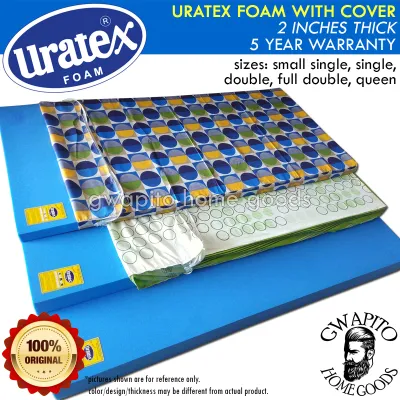
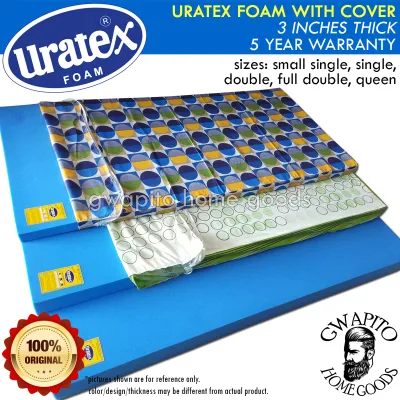
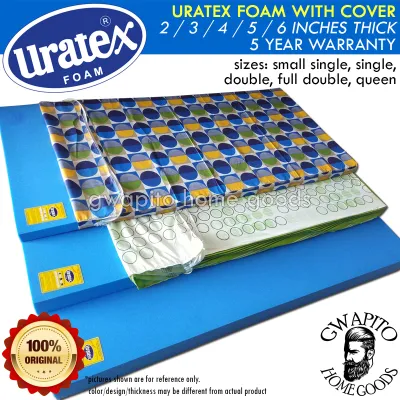
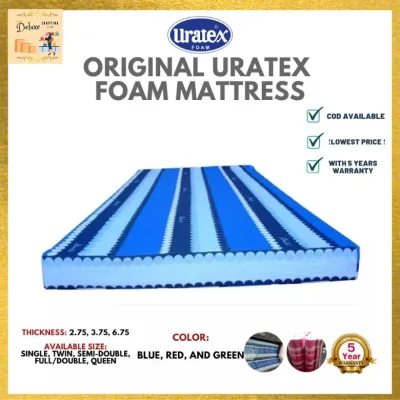
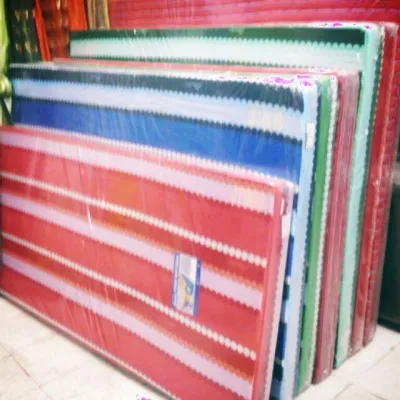
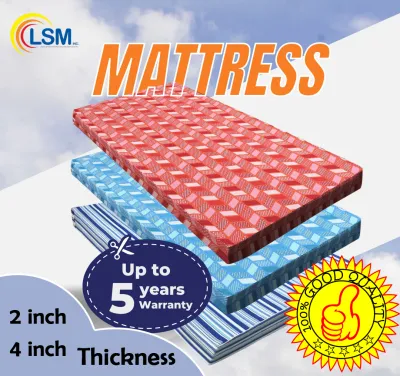

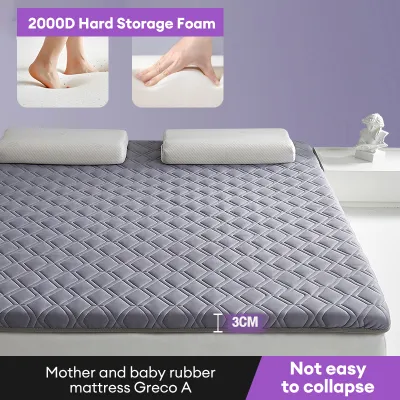
Prices are valid at publication and may change. Please refer to the product page for the latest price.
Ambient humidity adds another layer of complexity to foam performance. High relative humidity means the air carries a significant amount of moisture. Polyurethane foam is porous and can absorb this moisture from the surrounding air and from your sweat. When foam absorbs excess moisture, its physical properties can temporarily change. You might notice the mattress feels slightly softer or less resilient during the humid rainy season. Furthermore, moisture-laden foam has reduced breathability, as the water vapor blocks the microscopic pathways that would otherwise allow air to circulate.
During your initial weeks of using a new foam mattress, it is important to watch for observable signs of poor airflow. If you consistently wake up feeling damp, notice a persistent hot spot directly beneath your lower back or torso, or find that the mattress feels unusually heavy or slow to recover its shape, these are clear indicators that heat and moisture are becoming trapped within the foam core.
Checking Uratex Single Bed Foam Specifications for Cooling Features
When shopping for a Uratex single bed foam mattress, you can mitigate heat retention by carefully checking the product specifications, labels, and physical construction before purchasing. Not all foam mattresses are built the same way, and manufacturers often incorporate specific design elements to address tropical warmth.

First, examine the manufacturer’s specification sheet or product tag for mentions of open-cell foam technology. Open-cell foam features interconnected pores that allow air to flow more freely through the mattress core when compressed by your body weight. This continuous air movement helps flush out warm air and draw in cooler ambient air. Some models may also feature specialized profiles, such as egg-crate designs or convoluted foam layers. These textured surfaces create physical channels and air gaps between the foam and your body, significantly reducing the contact area and promoting ventilation.
Second, look for advanced material infusions designed to manage temperature. Gel-infused foams are a common option to verify on the product label. The gel particles embedded within the foam are formulated to absorb initial body heat and distribute it away from the sleeping surface, delaying the warming effect. While gel infusions do not provide permanent refrigeration, they can help keep the mattress surface cooler during the critical period when you are trying to fall asleep.
Third, pay close attention to the mattress cover fabric. The outer cover is your primary contact barrier and plays a crucial role in heat dissipation. Look for covers made from breathable, lightweight materials such as cotton, bamboo-derived rayon, or specialized moisture-wicking synthetic blends. Some mattresses feature a 3D spacer mesh fabric along the side borders. This highly breathable mesh acts as an exhaust vent, allowing air to escape laterally from the sides of the mattress when you move.
To ensure you are getting these cooling features, cross-reference the product descriptions on official brand websites or authorized online marketplaces with the physical tags on the mattress. Verify the exact model name and density rating, as standard entry-level foam models may lack the specialized open-cell structures or cooling fabric covers found in premium lines.
Optimizing Bed Setup and Room Environment for Better Airflow
Even the most breathable foam mattress requires a supportive setup and a well-ventilated room to perform optimally in hot and humid conditions. You can significantly improve your sleeping comfort by making a few practical adjustments to your bed frame, bedding, and room climate.
The foundation supporting your Uratex single bed foam is critical for ventilation. Placing a foam mattress directly on the floor or on a solid plywood platform blocks all airflow from the bottom. This traps heat and moisture inside the lower layers of the foam, which can lead to mold growth over time. Instead, opt for a slatted bed frame. The spaces between the slats allow air to circulate freely beneath the mattress, helping to dissipate the heat and moisture that filter down through the foam. Ensure the slats are spaced closely enough to support the foam without causing it to sag, typically between two to three inches apart.
Your choice of bed linens also directly impacts how hot the mattress feels. Avoid thick, tightly woven synthetic sheets, such as standard polyester, which act as a barrier to airflow and trap sweat against your skin. Instead, choose lightweight, breathable sheets made from natural fibers like cotton or bamboo. These materials allow air to pass through easily and help wick moisture away from your body. If you use a mattress protector, verify that it features a breathable, vapor-permeable membrane rather than a solid, non-porous plastic backing, which can turn your bed into a heat trap.
Finally, managing your bedroom’s overall climate supports the mattress’s natural breathability. In the Philippines, using a ceiling fan or a well-positioned stand fan creates a continuous breeze that helps evaporate sweat and cools the mattress surface. If you use air conditioning, the cooling system naturally dehumidifies the air, making it easier for the foam mattress to release any absorbed moisture. For rooms without air conditioning, using a standalone dehumidifier during the humid rainy season can help maintain a dry environment, keeping your foam mattress feeling firm, supportive, and cool.
Maintaining Your Foam Mattress in High-Humidity Conditions
Proper maintenance is essential to protect your foam mattress from the degrading effects of high humidity and sweat. Because polyurethane foam is highly absorbent, neglecting regular care in a tropical climate can lead to structural softening, unpleasant odors, and the development of mold or mildew.
To keep your mattress fresh, establish a routine of airing it out regularly. Every few weeks, when you strip the bed to wash your linens, leave the mattress bare for several hours. Open your bedroom windows or turn on a fan to circulate air directly over the exposed foam surface. This allows any accumulated moisture from sweat or high ambient humidity to evaporate completely before you put on clean sheets.
Additionally, make it a habit to rotate your single bed foam mattress 180 degrees every three to six months. Because we tend to sleep in the same position every night, localized body heat and moisture can concentrate in specific areas, such as under the hips and shoulders. Rotating the mattress ensures that these high-stress zones get a chance to recover, preventing premature softening and distributing wear evenly across the foam core.
If you need to clean spills or sweat stains, use safe, surface-level spot-cleaning methods. Lightly mist the affected area with a mild detergent solution and blot it immediately with a clean, dry towel. Never saturate the foam with water or liquid cleaners, as deep moisture is incredibly difficult to extract and dry in humid tropical conditions.
If your mattress becomes deeply saturated due to a major spill or flooding, or if you notice persistent musty odors that do not go away after airing, stop DIY cleaning attempts. Excess moisture trapped deep inside the core can compromise the foam’s structural integrity and foster mold. In these situations, consult the manufacturer’s care guidelines or contact a professional mattress cleaning service to assess and dry the foam safely.
Frequently Asked Questions (FAQ)
Does a single bed foam mattress sleep hotter than larger sizes?
A single bed foam mattress does not inherently sleep hotter than larger sizes due to its material composition, but its smaller surface area can concentrate body heat. On a double or queen-size bed, you have more physical space to shift to cooler, unoccupied areas of the mattress during the night. On a single bed, your body remains positioned over the same section of foam, which can lead to a quicker buildup of localized heat. However, your individual sleeping habits, body temperature, and the overall ventilation of your bedroom have a much greater impact on how warm you feel than the physical dimensions of the mattress itself.
Can I use a cooling mattress topper on my Uratex foam?
Yes, adding a cooling mattress topper is a practical way to enhance the comfort of your existing Uratex foam mattress. Before purchasing, check the manufacturer’s guidelines to ensure that adding an aftermarket layer does not interfere with the mattress’s support structure or void any active warranties. When selecting a topper for a tropical climate, look for highly breathable materials such as natural latex, which has inherent open-cell properties, or gel-infused open-cell polyurethane foam. These materials can create a breathable comfort barrier that helps dissipate heat before it reaches the denser foam core below.
How do I know if my foam mattress has absorbed too much moisture?
You can identify excess moisture absorption in your foam mattress through several clear, observable signs. The most common indicator is a persistent musty or sour odor that remains even after you have washed your bed linens. You may also notice visible dark spots, mildew speckles, or yellow discoloration on the mattress cover or the foam core itself. Physically, a moisture-saturated mattress may feel unusually heavy, damp to the touch, or lose its characteristic resilience, feeling soggy or slow to spring back when compressed. If you observe these signs, immediately move the mattress to a well-ventilated area with active airflow, and contact the manufacturer for guidance on safe drying or assessment.

Community discussion
Share your experience or ask a question. Comments are reviewed before publication.