
Setting Your Budget: How Price Dictates Executive Chair Quality
Selecting an executive chair in the Philippines involves navigating a wide range of price points, materials, and structural designs. Whether setting up a home office in Metro Manila or upgrading a corporate workspace, understanding what your budget actually buys is key to making a sound long-term investment. An executive chair is traditionally defined by its high backrest, plush cushioning, padded armrests, and commanding aesthetic. Unlike highly dynamic task chairs designed for constant movement, the executive category prioritizes relaxed comfort, deep support, and a professional presence.
When choosing a chair, the primary decision logic revolves around balancing the upfront cost against your daily usage hours and the expected lifespan of the furniture. While it is tempting to focus solely on aesthetic appeal, the internal components dictate whether a chair remains comfortable after six months of daily use. Across all price levels, certain safety features remain non-negotiable, such as a certified gas lift cylinder and a stable five-point base. However, advanced features like dynamic tilt mechanisms, premium upholstery materials, and multi-dimensional adjustability naturally scale with your investment. The price benchmarks of ₱3,000, ₱7,000, and ₱15,000 serve as helpful guides on online marketplaces and retail furniture stores to help you align your budget with realistic product capabilities.
The ₱3,000 Tier: Entry-Level Comfort and Essential Compromises
At the entry-level price point of approximately ₱3,000, buyers can expect basic comfort and functional utility, though several compromises in materials and longevity are unavoidable.
Products mentioned in this guide
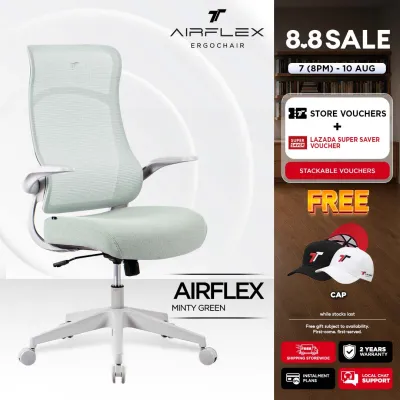
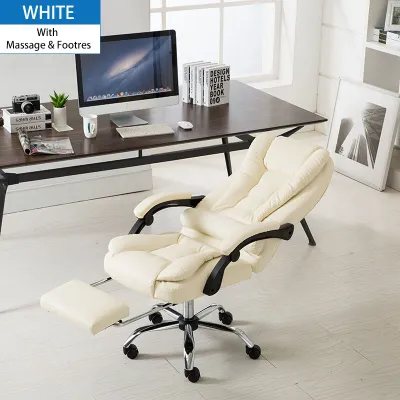
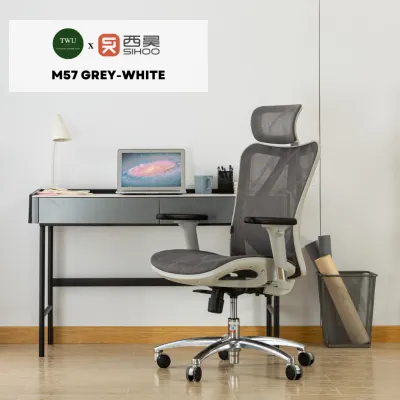
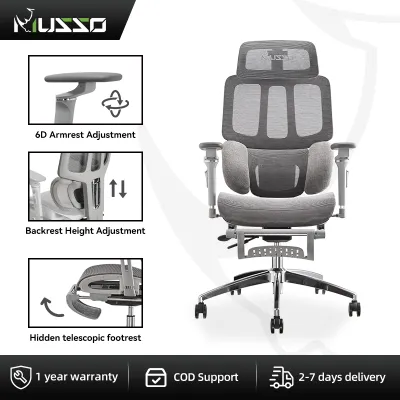
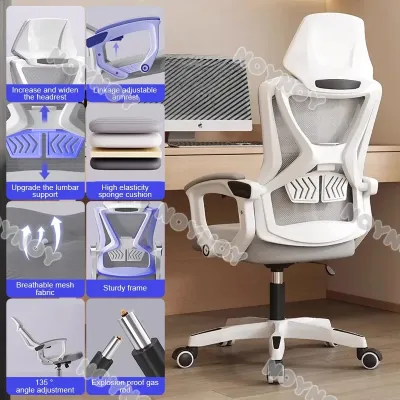
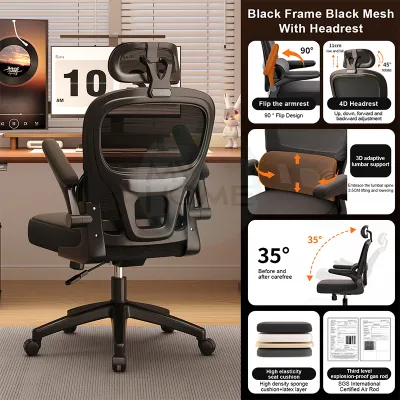
Prices are valid at publication and may change. Please refer to the product page for the latest price.

Materials and Upholstery in the Entry-Level Bracket
Chairs in this budget tier typically feature standard polyurethane (PU) leather or basic polyester fabric. The cushioning is almost exclusively made of standard-density cut polyurethane foam. While this foam feels soft and comfortable during an initial test, it has a low density that tends to compress permanently under body weight over several months of continuous use. In the humid tropical climate of the Philippines, standard PU leather at this price point is highly susceptible to hydrolysis—a process where moisture in the air breaks down the chemical bonds of the synthetic leather, leading to premature cracking and peeling.
Adjustability and Mechanical Limitations
The mechanical adjustability at the ₱3,000 level is highly restricted. Users can adjust the seat height using a basic pneumatic cylinder, and the chair will typically feature a simple center-tilt mechanism. This mechanism allows you to rock backward, but it generally only locks in the upright vertical position. The armrests are almost always fixed directly to the seat pan and backrest, which provides structural connection but offers no height, width, or angle adjustments to match different desk heights or typing postures.
Base Construction and Caster Quality
The structural foundation of an entry-level chair is usually constructed from molded reinforced nylon or heavy-duty plastic. While modern nylon bases can support standard body weights safely, they lack the rigidity of metal alternatives. The casters are standard hard-plastic dual-wheel models, which perform adequately on low-pile carpets or protective floor mats but can scratch delicate hardwood or vinyl tile flooring over time.
Compromises and the Ideal Use Case
The primary trade-offs at this price point include a lack of dedicated, adjustable lumbar support, limited recline control, and a shorter overall product lifespan. Because the foam and mechanical joints are built for light duty, these chairs are best suited for secondary seating or light-use scenarios of under four to six hours daily. If you only use your home office occasionally, a ₱3,000 chair provides a cost-effective seating solution without a massive financial commitment.
The ₱7,000 Tier: Mid-Range Ergonomics and Daily Work Support
Stepping up to the ₱7,000 price range introduces a noticeable improvement in structural rigidity, material quality, and basic ergonomic adjustability, making it the practical starting point for full-time professionals.
Upgraded Materials and Breathability Options
In this mid-range tier, manufacturers often combine high-grade, thicker PU leather with breathable mesh backrests. This hybrid design is particularly advantageous for Philippine workspaces, as the mesh back allows for passive airflow, reducing heat buildup during hot afternoons. The seat cushions are typically thicker and utilize higher-density foam or layered foam configurations. This higher density ensures the seat retains its shape and supportive rebound properties much longer than entry-level alternatives, distributing body weight more evenly to reduce pressure points.
Enhanced Adjustability and Tension Control
Adjustability features expand significantly at this level. Beyond standard height adjustment, mid-range chairs introduce tilt tension control. This allows you to adjust the resistance of the backrest recline to match your body weight, preventing the feeling of free-falling backward when leaning. The armrests are commonly height-adjustable (often referred to as 1D adjustability), allowing you to align them with your desk surface to reduce shoulder strain. Basic built-in lumbar support is also standard, though it is usually fixed in place or offers limited vertical adjustment.
Structural Base and Caster Upgrades
The base of a ₱7,000 chair is frequently upgraded to chrome-plated steel, painted metal, or heavily reinforced nylon with structural ribbing. This metal reinforcement increases the overall stability of the chair, reducing flex and sway when you shift your weight. The casters are often upgraded to polyurethane-coated or nylon wheels, which roll more quietly and are less likely to leave visible scuff marks on hard flooring surfaces like ceramic tiles or laminate planks.
Best Use Case and Quality Checks
This tier represents the sweet spot for standard eight-hour workdays. It offers a balanced compromise between cost and physical support. When shopping in this range, it is important to verify the manufacturer’s foam density specifications and inspect the assembly joints. Because quality can vary widely among mid-tier brands, checking for armrest wobble and ensuring the tilt mechanism operates smoothly without squeaking are vital steps before finalizing your purchase.
The ₱15,000 Tier: Premium Materials and Advanced Adjustability
At the ₱15,000 level, executive chairs transition into premium ergonomic tools designed for maximum durability, refined aesthetics, and highly customizable physical support.
Premium Upholstery and Molded Cold-Cure Foam
Chairs in this premium bracket utilize top-grain genuine leather, advanced engineered synthetic leathers with high peel resistance, or heavy-duty elastomeric mesh. The seating surfaces are constructed with molded cold-cure foam. Unlike cheap cut foam, cold-cure foam is molded under low temperatures in a dedicated matrix, creating a dense, skin-like outer layer that prevents air pockets. This material is highly resilient, maintaining its supportive shape and cushioning properties for years of heavy daily use without sagging.
Advanced Ergonomic Mechanisms and Synchro-Tilt
The mechanical core of a ₱15,000 chair features advanced engineering, most notably synchro-tilt mechanisms. In a synchro-tilt system, the backrest and the seat pan recline at a synchronized ratio (typically 2:1), meaning the seat tilts slightly upward as you recline the backrest. This keeps your feet flat on the floor and maintains proper spinal alignment throughout the recline movement. The armrests are highly adjustable, offering 3D or 4D adjustments (height, width, depth, and horizontal pivot) to accommodate precise ergonomic preferences. Additionally, these chairs feature dynamic, height-adjustable lumbar support and multi-dimensional headrests that adjust for both height and tilt angle.
High-End Bases and Quiet-Rolling Casters
The foundation of a premium executive chair is almost always a heavy-duty polished aluminum alloy base. This material offers exceptional tensile strength and a sleek, modern appearance without adding excessive weight. The casters are premium, large-diameter quiet-rolling wheels, often featuring soft polyurethane treads that glide effortlessly across both hard floors and thick carpets without causing damage or noise.
Warranty Coverage and Long-Term Value
Designed for intense, long-term daily use in executive suites or dedicated home offices, these chairs are built to last. This durability is reflected in the manufacturer’s warranty, which often covers mechanical components, the gas lift, and the frame for multiple years. When purchasing at this price point, always clarify the specific warranty terms, as coverage for cosmetic wear-and-tear on the upholstery is frequently shorter than the warranty on the heavy-duty mechanical frame.
Avoiding Quality Traps: What to Verify Before Checkout
Purchasing an executive chair is a significant investment in your physical well-being. To avoid common quality traps, especially when shopping on online marketplaces, you should perform several critical verifications before completing your checkout.
Verifying Gas Lift Safety and Certifications
The gas lift cylinder is the most critical safety component of any office chair. Rather than relying solely on vague marketing descriptions, you should look for verified certification stamps directly on the metal cylinder. Reputable manufacturers use gas lifts certified by independent testing bodies such as SGS or BIFMA (Business and Institutional Furniture Manufacturers Association). A Class 3 or Class 4 gas lift cylinder is standard for high-quality chairs, ensuring safe pressure containment and smooth height adjustments over thousands of cycles.
Understanding Weight Capacity versus Build Quality
A high stated weight capacity (such as 150 kg or 200 kg) is often used as a marketing highlight, but it does not automatically guarantee a wider seat, better ergonomic design, or superior overall durability. Some manufacturers mount a high-capacity gas lift onto a weak nylon base or a narrow seat frame. To ensure a comfortable fit, you must cross-reference the weight capacity with the chair’s actual physical dimensions, including the seat width, seat depth, and the thickness of the steel mounting plate beneath the seat cushion.
Spatial Verification and Doorway Access
Executive chairs are naturally bulkier and heavier than standard task chairs. Before ordering, measure your available office space, the clearance height of your desk, and the width of your doorways or elevator cabins. Ensure the finished dimensions of the chair, including the outer span of the five-point base and the maximum height of the armrests, will easily clear your desk and fit comfortably within your workspace without blocking walkways.
Navigating Return Policies and Warranties
Returning a large, heavy piece of furniture can be incredibly difficult and expensive. When purchasing from online marketplaces in the Philippines, carefully read the seller’s return policy. Some platforms require the buyer to shoulder the return shipping costs for oversized items, which can equal a significant portion of the chair’s original price. Additionally, distinguish between structural warranties (covering the steel frame and tilt mechanism) and cosmetic wear-and-tear exclusions, which do not cover peeling leather or stained fabric.
When to Postpone Your Purchase
If your budget only allows for a mid-tier chair but the options you are considering lack basic tilt tension control, or if the seller cannot provide clear documentation regarding the gas lift’s safety certifications, it is wiser to postpone the purchase. Saving a larger budget to buy a chair with verified safety components and proper ergonomic support will protect both your physical health and your wallet from the costs of premature replacement.
Frequently Asked Questions (FAQ)
Is a ₱3,000 executive chair suitable for an 8-hour workday?
While a ₱3,000 executive chair provides decent initial comfort, it is generally not recommended for continuous eight-hour workdays. The standard-density foam and lack of adjustable lumbar support can lead to poor posture, muscle fatigue, and physical discomfort over long periods. If your budget is strictly limited to this tier, ensure you take frequent standing breaks every hour to stretch, or consider saving up for a mid-range chair if your daily desk work regularly exceeds six hours.
How do I prevent PU leather from peeling in a humid climate?
To protect polyurethane (PU) leather from peeling in the humid Philippine climate, position your chair away from direct sunlight and avoid placing it directly in the path of cold air conditioning vents, which can dry out the synthetic material. Clean the surface weekly by wiping it down with a slightly damp microfiber cloth to remove sweat and body oils, which accelerate material degradation. Avoid using harsh chemical cleaners, alcohol-based sanitizers, or abrasive scrubs, as these strip away the protective topcoat of the PU leather.
What is the main difference between an executive chair and a mesh ergonomic task chair?
The primary difference lies in their design philosophy and physical support style. An executive chair focuses on plush, high-back comfort, thick padding, and a classic, status-oriented appearance, making it ideal for relaxed sitting and commanding presence. In contrast, a mesh ergonomic task chair prioritizes highly adjustable, active postural support and maximum breathability, using tensioned mesh to cradle the spine and encourage dynamic movement throughout a busy workday.

Community discussion
Share your experience or ask a question. Comments are reviewed before publication.