
Quick Verdict: Is the Expanse Chair Right for You?
Finding the right seating solution in the mid-range price segment—typically spanning between ₱5,000 and ₱15,000 in the Philippines—requires balancing immediate comfort with long-term physical support. The expanse ergonomic chair competes directly in this highly contested bracket by focusing on customizable mechanical adjustments and breathable materials. Rather than offering a generic, one-size-fits-all design, this chair targets users who need to fine-tune their seating posture during extended working hours.
Your decision to choose this model or look at alternative mid-range options depends heavily on your daily workflow, physical proportions, and environmental conditions. The expanse ergonomic chair is highly suited for individuals who prioritize dynamic lumbar support, multi-dimensional armrest adjustments, and maximum ventilation in warm, tropical climates. Because it utilizes a modular adjustment system, it allows you to configure the seat depth and backrest angle to match your specific desk height and typing posture.
Conversely, if you prefer the plush, contouring sink-in feel of thick, high-density foam cushions, or if your body frame requires an exceptionally wide seat pan and heavy-duty weight capacity, other mid-range alternatives may serve you better. Some competing models in this price tier focus more on heavy steel frames and thick padding at the expense of adjustability. By analyzing your physical workspace and your body’s unique support needs, you can determine whether this chair’s feature set justifies its place at your desk.
Products mentioned in this guide
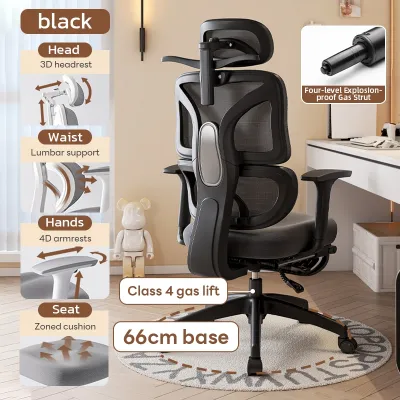
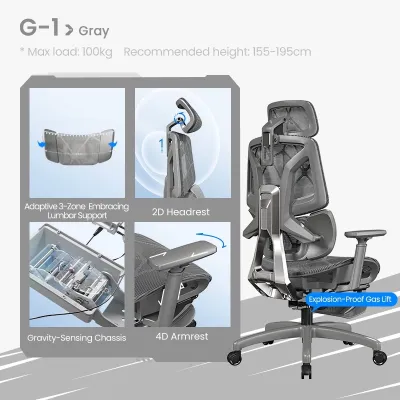
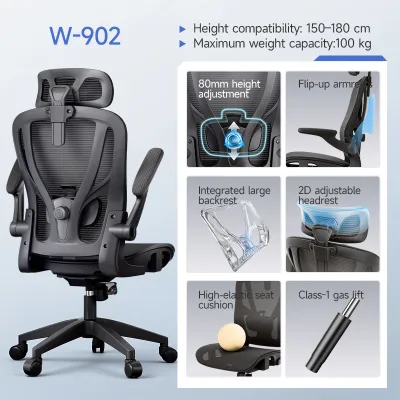
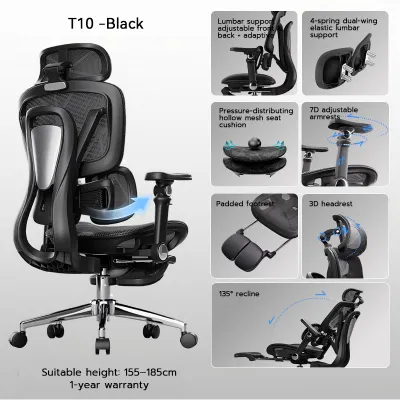
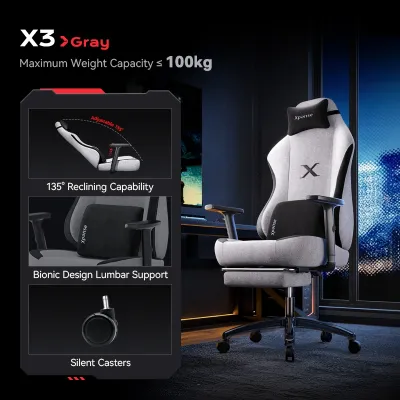
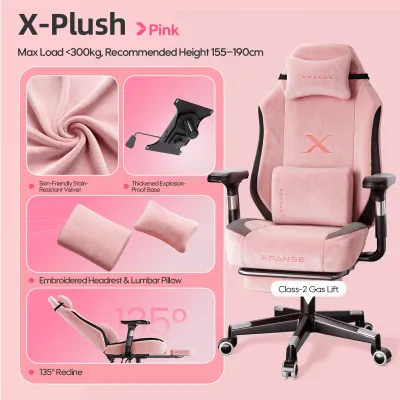
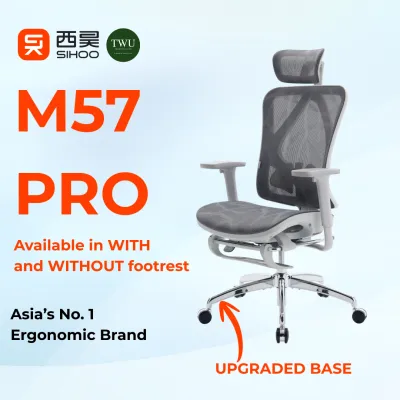
Prices are valid at publication and may change. Please refer to the product page for the latest price.
Comfort and Ergonomic Adjustability of the Expanse Ergonomic Chair
To understand how the expanse ergonomic chair performs against its mid-range competitors, you must evaluate the specific mechanical adjustment systems that dictate daily comfort. A high-quality ergonomic chair should adapt to your body, rather than forcing your spine to adapt to a rigid frame. In this price tier, adjustability is the primary dividing line between basic task chairs and true ergonomic tools.

Lumbar Support and Backrest Design
The backrest of the expanse ergonomic chair utilizes a pronounced S-curve profile designed to mimic the natural alignment of the human spine. Unlike lower-end models that rely on a fixed plastic band, this chair features an adjustable lumbar support mechanism that can be shifted vertically to target the lumbar lordosis curve. This design helps distribute upper body weight evenly across the backrest, reducing pressure on the lower spinal discs during long typing sessions.
When comparing this to other mid-range options, look closely at how the lumbar support is tensioned. Some competitors use a passive, spring-loaded lumbar pad that adjusts automatically but may lack the firm resistance needed by users who suffer from lower back stiffness. Before purchasing, verify the manufacturer’s vertical adjustment range for the lumbar support to ensure it can align precisely with the small of your back, especially if you are shorter than 155 cm or taller than 185 cm.
Armrest Adjustability and Desk Alignment
Armrest design directly influences neck and shoulder strain, as unsupported arms force the trapezius muscles to work continuously to hold up your limbs. The expanse ergonomic chair typically features multi-directional armrests—often referred to as 3D or 4D armrests—which allow you to adjust the height, depth, and horizontal angle. This versatility is crucial for maintaining a neutral 90-degree elbow angle regardless of whether you are typing on a keyboard tray or writing directly on your desk surface.
Many standard mid-range chairs only offer 1D (height-only) or 2D (height and depth) adjustments, which can leave your elbows flared outward or force you to sit too far back from your workspace. By rotating the armrests inward, you can support your forearms while typing on compact keyboards, preventing wrist extension and carpal tunnel irritation. Ensure that the minimum and maximum armrest heights listed in the product specifications align with the top of your desk to allow the chair to roll completely underneath when not in use.
Seat Depth and Recline Tension
Proper lower body support requires a balance between seat height and seat depth. The expanse ergonomic chair often includes a seat depth slider, a feature frequently omitted in budget-friendly alternatives. Sliding the seat pan forward or backward ensures that your thighs are fully supported without the front edge of the seat pressing against the back of your knees, which can restrict blood circulation and cause leg numbness over time.
Additionally, the recline mechanism and tilt-tension control allow you to transition smoothly from an upright focus posture to a relaxed, reclined position. The chair’s tilt-lock system enables you to secure the backrest at specific angles, which is ideal for reading or taking calls. When evaluating alternative chairs, check the maximum recline angle and verify whether the tension control knob is easily accessible from a seated position, as this allows you to adjust the resistance of the backrest to match your body weight.
Build Quality, Materials, and Long-Term Durability
A chair’s ergonomic features are only as good as the materials used to construct them. In the Philippine market, where high humidity and elevated temperatures are common daily challenges, material selection directly impacts both user comfort and the lifespan of the furniture. Examining the structural components and surface materials helps prevent premature wear and squeaking joints.
Mesh vs. Foam Seating Surfaces
The choice between a full-mesh seating surface and a traditional high-density foam cushion is one of the most critical decisions you will make. The expanse ergonomic chair frequently utilizes a high-tensile mesh for both the backrest and the seat pan. This mesh construction allows air to circulate freely around your body, significantly reducing sweat buildup during warm afternoons in home offices that rely on natural ventilation or ceiling fans.
| Feature | Full-Mesh Surface (Expanse) | High-Density Foam Surface (Alternatives) |
|---|---|---|
| Breathability | High; maximizes airflow in humid climates | Low; tends to retain body heat over time |
| Pressure Distribution | Firm; suspended tension requires correct posture | Plush; contours to body shape for immediate cushioning |
| Maintenance | Easy to wipe clean; does not absorb sweat | Requires vacuuming; fabric can stain or hold odors |
| Longevity | High-quality mesh resists sagging; low-quality may stretch | Retains shape if rated above 50kg/m³; cheap foam bottoms out |
While mesh excels at temperature regulation, it provides a firmer sit compared to foam. If you prefer a softer, more cushioned seat, look for mid-range alternatives that pair a mesh backrest with a contoured, fabric-covered molded foam seat. When choosing a foam option, verify that the manufacturer specifies “molded foam” rather than “cut foam,” as molded foam retains its structural integrity and density far longer under daily use.
Base, Casters, and Weight Capacity
The foundation of any office chair dictates its stability and mobility across different floor surfaces. The expanse ergonomic chair typically features a reinforced nylon or polished aluminum five-star base paired with heavy-duty Class 4 gas cylinders. The gas lift is responsible for smooth height adjustments and must bear the brunt of daily downward force, making a certified Class 3 or Class 4 rating essential for safety and longevity.
Mobility is determined by the casters, which should be chosen based on your flooring. Many mid-range chairs come standard with hard nylon casters, which glide easily on carpets but can scratch polished hardwood, laminate, or vinyl tile floors common in Philippine homes. Look for models equipped with polyurethane (PU) coated casters, which provide a quieter roll and protect delicate floor surfaces from scuffs. Always verify the manufacturer’s stated maximum weight capacity; a chair rated for 120 kg to 150 kg indicates robust internal structural reinforcement.
Feature Set and Daily Usability
Beyond the core backrest and seat mechanics, secondary features play a significant role in how well a chair integrates into your daily routine. Integrated accessories, assembly requirements, and ease of maintenance can transform a standard seating experience into a highly personalized workstation. Many mid-range options differentiate themselves by including these add-ons as standard equipment rather than optional purchases.
An articulating headrest is a highly valued feature for users who spend long hours in a reclined position. The expanse ergonomic chair often includes a height- and angle-adjustable headrest designed to cradle the base of the skull, relieving strain on the neck muscles during phone calls or video conferences. If you sit primarily in an upright typing posture, however, a headrest may not make contact with your head, making it a secondary consideration compared to lumbar support.
Some mid-range models also incorporate a slide-out footrest located beneath the seat pan. While a footrest is excellent for quick breaks or casual viewing, it can add bulk and weight to the chair’s underside, occasionally limiting how low the seat can descend. Consider whether you truly need a footrest, as models without them often focus their manufacturing budget on higher-quality armrest joints or smoother recline tension springs.
Finally, consider the flat-pack assembly process, as most mid-range chairs purchased online are shipped disassembled to reduce freight costs. Review the included instruction manual or online assembly videos to ensure the package contains all necessary hex keys, bolts, and clearly labeled components. If you have physical limitations or lack basic tools, check if the local distributor offers pre-assembled delivery or professional on-site installation services within your metropolitan area.
Value Proposition in the Mid-Range Segment
To accurately assess the value of the expanse ergonomic chair, you must look at what the ₱5,000 to ₱15,000 price segment represents. This tier sits comfortably between cheap, unbranded office chairs that offer little to no ergonomic support and premium, imported flagship models that can easily cost upwards of ₱40,000. In this mid-range sweet spot, buyers should expect robust adjustability, durable materials, and a reliable warranty program.
Warranty coverage is a major differentiator when buying from local distributors or online marketplaces. A standard mid-range warranty typically covers structural components—such as the steel frame, gas lift cylinder, and base—for a period of one to three years. Wear-and-tear items, such as the mesh fabric or armrest pads, may have shorter coverage windows or be excluded entirely, so it is vital to read the manufacturer’s warranty terms carefully before finalizing your purchase.
Local after-sales support in the Philippines is another critical factor that affects long-term value. Established brands with local service centers or dedicated customer service channels can quickly supply replacement parts, such as new casters or a replacement gas lift, should any component fail after the warranty period. Purchasing an unbranded chair from an overseas seller on an online marketplace often leaves you without recourse if a small plastic clip or adjustment lever breaks, rendering the entire chair unusable.
Ultimately, the value proposition of the expanse ergonomic chair lies in its balanced feature set. It does not attempt to mimic the ultra-premium materials of high-end executive chairs, but it successfully delivers the essential ergonomic adjustments needed to prevent chronic back and neck pain. By investing in a chair that offers targeted lumbar support and adjustable seat depth, you are making a direct contribution to your daily productivity and physical well-being.
Final Decision Guide: Making Your Choice
Before clicking the buy button, take a moment to match your specific daily habits and physical workspace against the characteristics of the expanse ergonomic chair and its alternatives. This final checklist ensures that your chosen seat will integrate seamlessly into your home office or commercial workspace without causing unexpected layout or comfort issues.
Choose the expanse ergonomic chair if you:
- Work in a warm or humid environment without continuous air conditioning and require maximum mesh ventilation.
- Need highly adjustable 3D or 4D armrests to align perfectly with your desk height and typing style.
- Require a seat depth slider to accommodate longer legs or to relieve pressure behind your knees.
- Prefer a firm, supportive sitting surface that encourages active, upright ergonomic posture.
Look at alternative mid-range chairs if you:
- Prefer the soft, contouring pressure relief of a thick, high-density molded foam seat cushion.
- Have a body weight or height that requires an extra-wide frame and a heavy-duty steel base rated above standard limits.
- Have highly restricted floor space that demands a compact task chair without a protruding headrest or wide base.
- Require a chair that comes fully assembled out of the box with an extended, comprehensive five-year warranty.
To ensure a perfect fit, measure your desk height, the width of your knee well, and your available floor space. Cross-reference these measurements with the exact dimensions listed on the retailer’s product page. Taking these practical steps guarantees that your new ergonomic chair will not only fit your body but will also enhance your overall workspace efficiency.
Frequently Asked Questions (FAQ)
How do I know if an ergonomic chair fits my height and weight?
To determine if a chair fits your body, compare your personal measurements with the manufacturer’s detailed specification sheet. Check the seat height range to ensure your feet can rest flat on the floor with your knees at a 90-degree angle. Next, verify the seat width and depth; there should be approximately two to three fingers of space between the front edge of the seat and the back of your knees. Finally, check the maximum weight capacity and ensure the gas lift is rated as Class 3 or Class 4 for adequate structural support.
Is a full-mesh design better than foam for long working hours?
A full-mesh design is highly beneficial in warm, humid climates because it allows continuous airflow, preventing heat and sweat buildup during long sitting sessions. Mesh also provides firm, tensioned support that helps maintain spinal alignment. However, high-density molded foam is often preferred by those who require soft pressure relief for their sit bones. If you sit for more than eight hours a day, choose mesh if temperature regulation is your primary concern, or high-density foam if you prefer a softer, more cushioned seating surface.

Community discussion
Share your experience or ask a question. Comments are reviewed before publication.