
Quick Answer: Sizing an Extendable Table for 6 to 10 Guests
To comfortably accommodate a gathering of eight people, a dining table must measure at least 200 to 240 centimeters (approximately 78 to 94 inches) in length when fully extended. If your household frequently hosts larger gatherings of up to ten guests, aiming for an extended length of 260 to 300 centimeters is highly recommended to prevent crowding. The primary advantage of an extendable dining table is its ability to balance daily space-saving needs with occasional hosting requirements. For everyday use, the table can remain in its collapsed state—typically measuring around 150 to 160 centimeters—which easily accommodates a family of four to six without dominating the dining room. When relatives or friends visit, the table can be expanded to its full 8-seater or 10-seater capacity. The choice of extension mechanism plays a critical role in how easily you can transition between these states. Integrated systems like butterfly leaves offer maximum convenience for frequent adjustments, while removable insert leaves provide a clean aesthetic for tables that are only expanded occasionally.
Comparing Extension Mechanisms for Frequent Family Gatherings
Butterfly and Self-Storing Leaves

Butterfly leaves are among the most popular and user-friendly options for modern households. This mechanism features a hinged leaf stored in a dedicated compartment directly beneath the tabletop. To extend the table, you slide the two main halves of the tabletop outward, lift the folded leaf from its storage cavity, and flip it open like a book. Because the leaf is permanently attached to an internal pivot mechanism, a single person can easily expand or collapse the table in less than a minute. This design eliminates the need to find separate storage space for the leaves, protecting them from accidental damage or warping. However, the internal storage compartment requires a deeper apron or a central pedestal base, which can slightly reduce vertical legroom.
Products mentioned in this guide
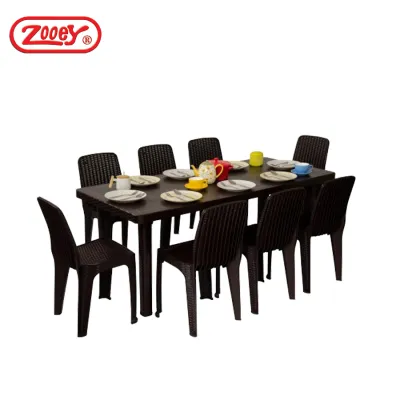
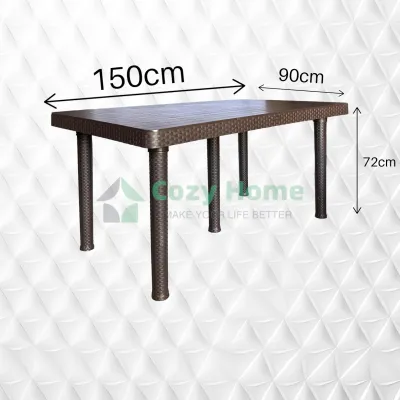
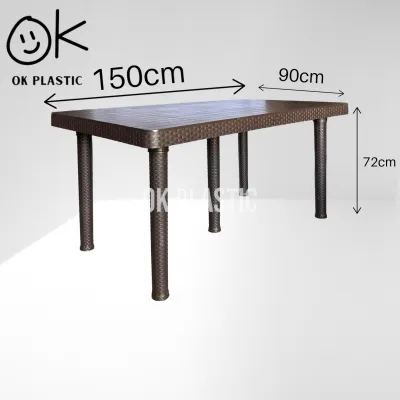
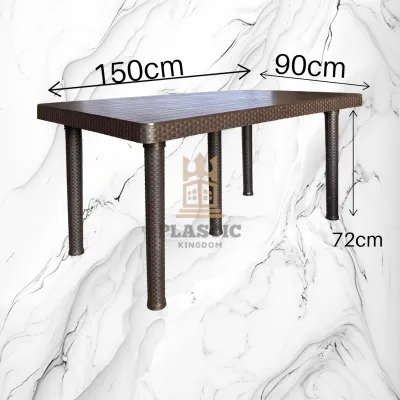
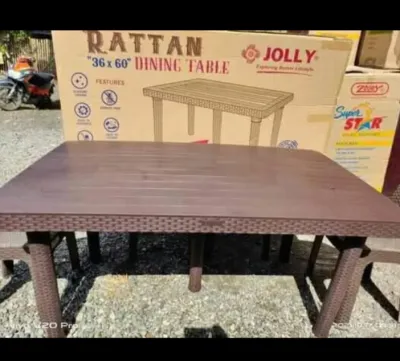
Prices are valid at publication and may change. Please refer to the product page for the latest price.
Removable Center Leaves
Removable center leaves offer a traditional and highly stable extension method. With this design, the tabletop splits down the middle, and you manually insert one or more separate panels into the gap. These panels are secured using alignment pins and under-table latches that pull the sections tightly together. Because the leaves are completely separate, the table can achieve a very slim, minimalist profile when collapsed, as there is no need for an under-table storage cavity. The primary trade-off is storage convenience. You must find a safe, dry closet or cabinet to store the heavy panels when they are not in use. Additionally, lifting and positioning these heavy leaves can be physically demanding, often requiring two people to avoid scratching the table’s finish.
Drop-Leaf and Gateleg Designs
Drop-leaf and gateleg tables are highly efficient space-savers, particularly in smaller dining areas or multi-purpose rooms. These tables feature hinged panels on the outer edges that hang vertically when collapsed. To extend the table, you lift the hinged panels and support them by swinging out a wooden leg (a gateleg) or sliding out a support bracket from beneath the main tabletop. This design allows the table to sit flush against a wall as a console table when fully collapsed, making it incredibly versatile. However, drop-leaf tables have distinct structural limitations. Because the extended sections rely on hinges and swing-out supports rather than a continuous solid frame, they generally have lower weight capacities. Placing heavy serving platters or leaning heavily on the outer edges of a drop-leaf table can cause the hinges to strain.
Choosing the Right Mechanism for Your Home
To select the ideal mechanism, evaluate how often you plan to extend your table and where you will store any loose components. If you host weekly family dinners, a butterfly leaf table is highly practical because it minimizes setup effort and requires no extra storage space. If you only host large gatherings during major holidays or special occasions, a table with removable center leaves is an excellent choice, provided you have a suitable closet to store the panels safely. For tight apartments or multi-functional spaces where floor area is at a premium, a drop-leaf or gateleg table offers the ultimate compact footprint, though you must remain mindful of its weight limits during busy meals.
Space Planning and Clearance Checks
Calculating the Total Footprint
When planning your dining room layout, you must account for the table’s dimensions in both its collapsed and fully extended states. A dining table 8 seaters requires a significant amount of physical space to function comfortably. To determine the total footprint, start with the fully extended length and width of the table. Next, add the necessary clearance for the chairs. To allow guests to pull out their chairs, sit down, and rise comfortably, you must allocate a minimum of 75 to 90 centimeters (30 to 36 inches) of open space from the edge of the table to the nearest wall, sideboard, or doorway. If you plan to use large, upholstered dining chairs, aim for the upper end of this range to prevent the chairs from hitting the walls.
Ensuring Safe Walkway Clearance
A common mistake in space planning is forgetting to account for traffic flow around the dining area while guests are seated. In typical open-plan living and dining layouts, walkways must remain clear to ensure safe passage throughout the home. To maintain a comfortable flow, ensure there is at least 90 to 120 centimeters (36 to 48 inches) of clearance along major pathways behind the seated guests. This space allows family members to walk behind occupied chairs without forcing guests to tuck themselves in or stand up. If your dining room is narrow, placing the table parallel to the longest wall can help maximize walkway space, but you must verify that the extended ends do not block doorways.
Comparing Rectangular and Oval Table Shapes
The shape of your extendable table significantly influences both seating capacity and traffic flow in your dining room. Rectangular tables are the traditional choice for large families because they maximize surface area, providing ample space for serving dishes, centerpieces, and individual place settings. However, their sharp corners can restrict movement in tight spaces and limit the ability to squeeze in extra chairs at the corners. Oval extendable tables offer a softer aesthetic with rounded ends that facilitate smoother traffic flow around the room. The curved edges of an oval table also make it easier to add an extra chair or two during large gatherings, as there are no sharp corners to block seating. However, oval tables offer slightly less usable surface area at the ends compared to rectangular models of the same length.
Verifying Material, Finish, and Structural Stability
Inspecting Extension Tracks and Hardware
The long-term durability of an extendable dining table depends heavily on the quality of its moving parts. When shopping, closely inspect the extension tracks, hinges, and locking mechanisms. High-quality tables utilize heavy-duty metal glides, such as ball-bearing slides, which ensure smooth, effortless operation over years of use. Avoid tables that rely on simple wooden runners, as wood can swell, warp, or stick when exposed to high humidity, making the table difficult to open. Additionally, verify that the table features robust locking latches underneath the tabletop. These latches hold the table halves tightly together when closed or extended, preventing the seams from separating during a meal.
Verifying Weight Capacity and Joint Stability
Because extendable tables split and expand, their structural joints are subject to significant stress. Always check the manufacturer’s specifications for the maximum weight capacity of the table, paying close attention to the limits for the extended sections. A high-quality table should remain stable and wobble-free even when fully extended and loaded with heavy serving dishes. When inspecting a table, gently shake it from side to side to check for lateral movement. Any noticeable wobble or flexing at the center joints or legs indicates weak construction or loose hardware, which can compromise safety over time.
Evaluating Surface Finishes and Care Requirements
In tropical environments characterized by high humidity and warm temperatures, the surface finish of your dining table is critical to its longevity. Rather than assuming a material is inherently durable, review the manufacturer’s care instructions and finish specifications. Look for tables with protective topcoats that are rated for moisture and heat resistance. This is particularly important for large family gatherings where hot serving dishes, condensation from cold drinks, and accidental spills are common. If the table finish is sensitive to heat or moisture, plan to use heat-resistant trivets, coasters, and tablecloths to protect the surface from permanent damage.
Checking Seam Alignment and Fit
Before finalizing your purchase, examine the seams where the table halves meet. When the table is fully closed or extended with its leaves in place, the seams should align perfectly flush. Any vertical lip, gap, or misalignment between the panels can cause plates and glassware to wobble, and it can also catch dust, crumbs, and spills. Run your hand across the seams to ensure a smooth, continuous surface. If you notice any unevenness, it may indicate warped wood, misaligned alignment pins, or poor manufacturing tolerances, which will only worsen with frequent use.
Pre-Purchase, Delivery, and Assembly Checklist
Measuring Entryways and Access Paths
One of the most common delivery failures occurs when a newly purchased table cannot physically reach the dining room. Before placing your order, measure the height and width of every doorway, hallway corner, stairwell, and elevator cabin that the delivery team must navigate. Extendable tables, especially those with integrated butterfly leaves or heavy solid wood frames, often ship in large, bulky boxes that require ample clearance. If you live in a condominium or a multi-story home, verify that the packaged table can fit inside the elevator or clear the tight turns of the stairwell. Having these measurements ready will help you avoid costly return fees.
Verifying Delivery and Assembly Services
Assembling an extendable dining table can be a complex task due to the alignment of the extension tracks, hinges, and locking mechanisms. When purchasing, check whether the retailer offers professional delivery and assembly services. Professional installers have the tools and experience necessary to ensure the table is assembled correctly, the tracks are perfectly aligned, and the extension leaves operate smoothly. If you choose to assemble the table yourself, verify that all necessary hardware, alignment pins, and detailed instructions are included in the package, and enlist the help of at least one other person to handle the heavy components safely.
Reviewing Warranty and Return Policies
Because extendable tables feature moving mechanical parts, having a robust warranty is essential. Review the manufacturer’s warranty terms to ensure coverage for mechanical defects, such as warped tracks, broken hinges, or failing locking latches, in addition to structural frame issues. Additionally, clarify the retailer’s return policy. If the table arrives with misaligned seams, damaged leaves, or structural instability, you should be able to return or exchange it without facing excessive restocking fees. Keep all original packaging until you have fully assembled and tested the extension mechanism in your home.
Frequently Asked Questions (FAQ)
How do I prevent the extension leaves from warping or sticking?
To prevent removable extension leaves from warping, store them flat in a dry, climate-controlled environment, such as a closet or under a bed. Avoid storing them upright against a wall, as this can cause the wood to bow over time. Keep them away from areas with extreme temperature fluctuations or high humidity, such as laundry rooms or directly beneath air conditioning units. For tables with integrated butterfly leaves, keep the storage compartment clean and free of dust.
Regular maintenance of the extension tracks is also crucial. Clean the metal glides periodically with a dry microfiber cloth to remove dust, crumbs, and debris that can accumulate and cause friction. If the tracks begin to stick, consult the manufacturer’s guidelines before applying any lubricants. If permitted, a light application of dry silicone spray or paraffin wax can keep the slides operating smoothly. Never force a stuck mechanism; if it resists, inspect the tracks for obstructions or consult a professional furniture technician.
Can I add extra chairs to an 8-seater extendable table for 10 people?
Yes, you can often add extra chairs to expand the capacity of an 8-seater table to 10, but you must ensure there is sufficient physical space for your guests to dine comfortably. As a rule of thumb, each person requires at least 60 centimeters (24 inches) of table edge width to avoid bumping elbows. Measure the total perimeter of your extended table to confirm if it can accommodate the additional chairs while maintaining this minimum spacing.
The feasibility of adding extra seats also depends on the table’s leg design. Tables with a central pedestal base are ideal for squeezing in extra guests because there are no corner legs to obstruct chair placement. In contrast, tables with four corner legs limit where you can place chairs, as guests sitting near the corners may find their legs blocked by the table legs. If you need to accommodate 10 people but the table is at its physical limit, consider using narrow, armless dining chairs or benches, which can be placed closer together than wide, upholstered armchairs.

Community discussion
Share your experience or ask a question. Comments are reviewed before publication.