
Finding a dinner table set for 6 that seamlessly expands to accommodate 10 people is the ultimate solution for Filipino households balancing daily family life with weekend gatherings, birthday celebrations, and holiday feasts. The ideal set functions as a compact, space-saving hub during the week and transforms into a generous banquet table when relatives visit. To make the right choice, you must evaluate the extension mechanism, measure your dining space for both configurations, and select materials that withstand tropical humidity and daily wear.
In the Philippines, where dining is the heart of family life, choosing a versatile table requires balancing everyday comfort with hosting readiness. A standard six-seater table provides a cozy setup for immediate family members, but a sudden Sunday lunch or fiesta gathering can quickly crowd the space. An extendable dining set offers the flexibility to transition between these two realities without permanently sacrificing precious floor space in your home.
Understanding Extendable Mechanisms for 6-to-10 Seating
The heart of any extendable dining table is its expansion mechanism. How the table opens, where the extra leaves are stored, and how much effort is required to operate the system will directly impact how often you actually use the extension feature.
Products mentioned in this guide
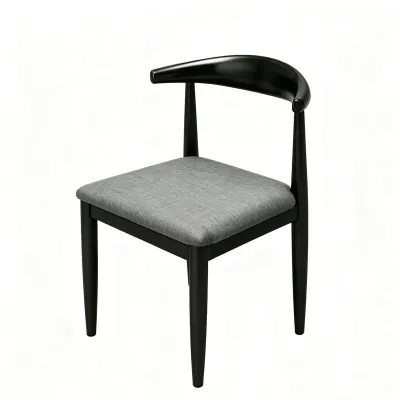
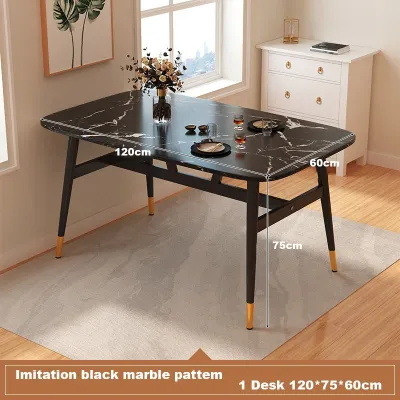
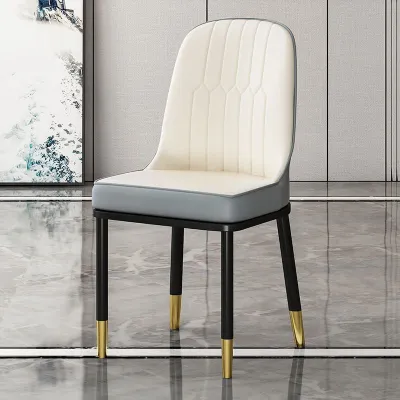
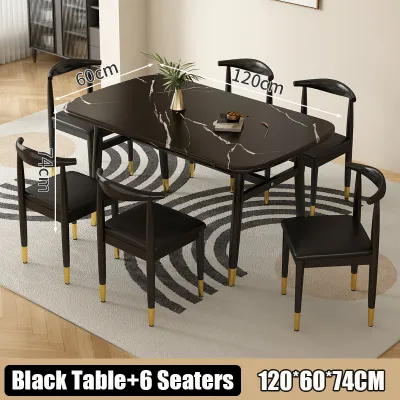
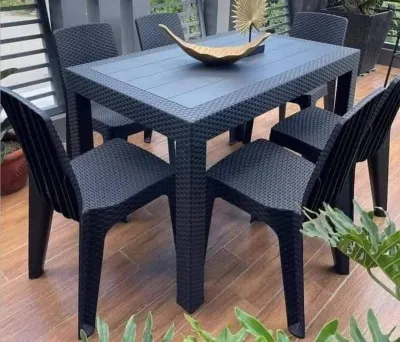
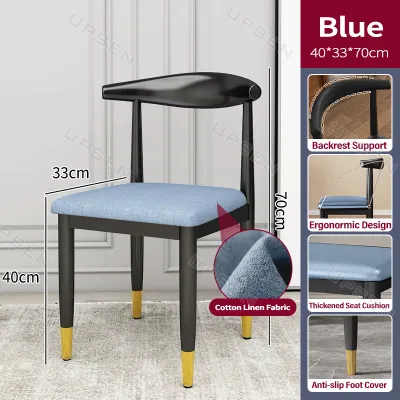
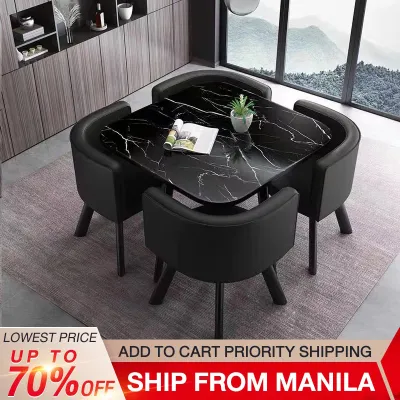
Prices are valid at publication and may change. Please refer to the product page for the latest price.
A butterfly leaf mechanism features a hinged leaf stored directly beneath the tabletop. When you pull the two halves of the table apart, the leaf unfolds like wings and locks into place. This design is highly convenient because you do not need to find separate storage space for the extension panel. However, the internal hinges and folding joints require regular inspection to ensure they do not collect dust or become stiff over time.
A removable center leaf system requires you to pull the table ends apart and manually insert one or more separate panels into the gap. While this mechanism is mechanically simple and highly stable, it requires you to store the extra leaves in a closet, under a bed, or in another safe location when they are not in use. This can be a challenge in smaller homes or condominiums where storage space is at a premium.
A drop-leaf mechanism features hinged panels on the outer edges of the table that hang down when not in use and lift up to be supported by pull-out brackets. While incredibly easy to operate, drop-leaf tables often have visible seams on the outer edges and may offer slightly less legroom around the corners due to the supporting brackets underneath.
When evaluating these mechanisms, pay close attention to surface continuity and seam visibility. A high-quality table should have tight, flush seams when fully closed and when extended. Gaps can collect food crumbs and liquids, which are difficult to clean and can damage the underlying structure.
Additionally, inspect the mechanical wear points before making a purchase. Look for smooth metal or wooden glides that slide without sticking. Check for sturdy locking pins or latches underneath the tabletop that secure the leaves in place, preventing the table from accidentally sliding open during a meal.
Space Planning and Clearance Requirements
Before purchasing a dinner table set for 6 that expands to 10, you must carefully measure your dining room to ensure it can accommodate both configurations comfortably. A table that fits perfectly during daily use can easily overwhelm a room when fully extended, blocking essential walkways and making the space feel cramped.

To calculate the minimum room dimensions, start with the daily footprint of your six-seater configuration. A typical six-seater rectangular table requires a specific amount of space, but you must also factor in the clearance behind the chairs. As a general rule, allow at least 90 centimeters of clearance between the edge of the table and the nearest wall or piece of furniture. This provides enough space for family members to pull out their chairs and sit down comfortably.
When the table is fully extended to seat 10 people, the footprint increases significantly. You will need to ensure that the extended table still maintains at least 90 centimeters—and ideally 120 centimeters—of clearance on all sides. This extra space is crucial for traffic flow, allowing hosts to walk past seated guests to serve food or clear dishes without forcing anyone to squeeze against the wall.
Do not forget to account for nearby furniture, swinging doors, and architectural features. In many Filipino homes, the dining area is adjacent to the kitchen, a hallway, or a living room. Ensure that the extended table does not block the swing path of refrigerator doors, pantry doors, or entryways. If your dining room features structural columns or built-in cabinets, measure the distance from these obstacles to ensure the table can expand without interference.
If you live in a condominium or a home with an open-plan layout, consider how the extended table will affect the overall flow of the living space. You may need to temporarily rearrange nearby living room furniture, such as shifting a sofa or moving a console table, to accommodate the 10-person setup during special occasions.
Evaluating Stability, Materials, and Daily Durability
An extendable dining table must be structurally sound to handle the weight of heavy serving dishes, especially when fully extended. The choice of base design and materials plays a critical role in the table’s overall stability and longevity.
Base designs generally fall into two categories: central pedestals and traditional four-legged frames. A central pedestal design is excellent for maximizing legroom because there are no corner legs to obstruct chairs, making it easier to squeeze in extra guests. However, you must check the manufacturer’s specifications to ensure the pedestal base is heavy and wide enough to prevent tipping when the table is fully extended. A four-legged design offers exceptional stability at the outer edges, but the legs can sometimes interfere with chair placement when you are trying to maximize seating capacity.
Given the tropical climate and high humidity levels in the Philippines, material selection is vital. Solid wood tables are beautiful but can expand and contract with changes in humidity, potentially causing the extension tracks to stick or warp. If choosing solid wood, look for kiln-dried timber and check the manufacturer’s care instructions regarding humidity exposure. Engineered wood with high-quality veneers or laminate finishes can offer excellent stability and resistance to warping, but you must inspect the edge banding to ensure it is tightly sealed against moisture.
Inspect the joint alignments and track smoothness in person if possible, or review detailed product specifications. The tracks should operate smoothly without grinding or sticking. When the table is fully extended, press down gently on the center and the outer edges to check for sagging or wobbling. A high-quality extendable table will feature robust support rails underneath that prevent the center seams from bowing under pressure.
Building Your Shortlist: Matching Table Types to Your Dining Room
To narrow down your options, match the shape and style of the extendable table to the specific layout of your dining room and your family’s hosting habits.
If you have a narrow or square dining room, a round-to-oval extendable table or a drop-leaf design is often the most practical choice. Round tables naturally soften the lines of a room and facilitate better conversation. When extended, they transform into an oval shape, preserving the smooth flow of walkways while adding the necessary seating capacity. This shape prevents sharp corners from blocking tight passages in smaller dining areas.
For large, rectangular dining rooms, a classic rectangular table with a center-leaf or butterfly extension is the ideal match. This configuration maximizes the linear seating space, allowing you to line up chairs neatly along the sides. It also provides a grand, formal look that is perfect for traditional family feasts and holiday celebrations.
Consider the practical trade-offs of leaf storage when building your shortlist. Self-storing tables, such as those with butterfly leaves, offer unmatched convenience because the extension panels are always with the table. You never have to worry about scratching the leaves while moving them from a closet or finding a dry, temperature-controlled storage spot. On the other hand, tables with removable leaves often allow for a thinner, sleeker tabletop profile because they do not need to house a folding mechanism underneath. If you choose a removable leaf system, ensure you have a dedicated, safe closet space where the panels can be stored flat to prevent warping.
Pre-Purchase Checklist: Delivery, Assembly, and Safety
Before finalizing your purchase of a dinner table set for 6, you must verify several logistical and safety details to ensure a smooth delivery and safe operation in your home.
First, measure all entry points. Extendable tables are often shipped in large, heavy boxes that contain the complex track mechanisms and extra leaves. Measure the width and height of your front door, hallway corners, stairwells, and elevator doors to confirm the packaged product can reach your dining room. For condominium residents, checking the building’s elevator dimensions and service elevator policies is a crucial step before scheduling delivery.
Next, review the assembly requirements. Because of the heavy metal tracks, hinges, and alignment pins, extendable tables are significantly heavier and more complex to assemble than standard fixed tables. Check if the retailer offers professional assembly services, which is highly recommended to ensure the mechanism is aligned correctly. If you plan to assemble it yourself, ensure you have at least two people available to lift and flip the table safely during the process.
Finally, consult the manufacturer’s guidelines for weight limits and safety features. Ensure the table includes adjustable leveling feet, which are essential for stabilizing the table on uneven tile or terrazzo floors commonly found in Filipino homes. If you have young children, check for secure locking mechanisms that prevent curious hands from pulling the table open or releasing the extension leaves.
Frequently Asked Questions (FAQ)
How do I maintain the sliding tracks of an extendable table?
To keep the extension mechanism operating smoothly, perform regular visual inspections of the sliding tracks. Dust, pet hair, and food crumbs can accumulate in the tracks over time, causing the mechanism to stick or grind. Vacuum the tracks regularly using a soft brush attachment. Always refer to the manufacturer’s manual before applying any lubricants; some tracks require specific dry silicone sprays, while others should be kept completely dry to avoid attracting more dust.
Can I use a standard tablecloth on an extendable table when it is expanded?
A standard tablecloth designed for a six-seater table will not fit when the table is fully extended to seat ten. You will need to purchase a separate, larger tablecloth specifically sized for the extended dimensions, or use a combination of table runners and placemats to showcase the table’s surface while protecting it from hot dishes. When using a large tablecloth, consider using non-slip pads or tablecloth clips to prevent the fabric from shifting or catching on the extension seams.

Community discussion
Share your experience or ask a question. Comments are reviewed before publication.