
Hosting a large family gathering or salo-salo in the Philippines is a cherished tradition, but finding a dining setup that accommodates everyone without permanently swallowing your living space can be a challenge. The ideal solution is a versatile folding dining table or an extendable dining table that expands to seat 6 to 10 people when guests arrive, then collapses back to a modest footprint for daily family life. Balancing the spatial constraints of modern Philippine homes—ranging from compact high-rise condominiums in Metro Manila to suburban townhouses—requires a careful look at how these tables function, their structural stability, and how well their materials withstand the local climate.
How to Choose the Right Extendable Folding Dining Table for Large Gatherings
Before browsing online marketplaces or local showrooms, you must measure your dining area’s physical limits. An extendable table has two distinct footprints: its daily, collapsed state and its fully extended hosting state. Draw a floor plan or use painter’s tape on the floor to visualize both configurations. You must ensure that even when the table is fully extended to accommodate up to 10 people, there remains enough space for diners to sit comfortably and for hosts to move around the room.
Operating the table should not feel like a complex engineering task. Extension mechanisms vary widely, from classic drop-leaf panels to integrated butterfly leaves and smooth pull-out slides. When evaluating a table, consider whether a single person can safely operate the mechanism or if it requires two people to pull from opposite ends. Smooth, high-quality tracks and ball-bearing slides are essential for hassle-free transitions, especially during spontaneous gatherings.
Products mentioned in this guide
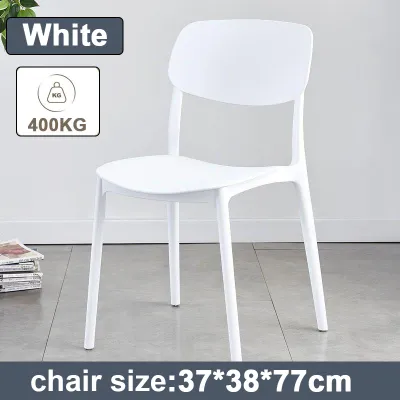
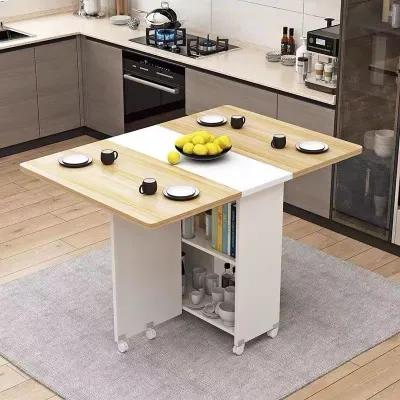
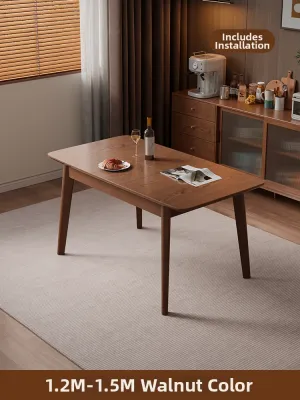
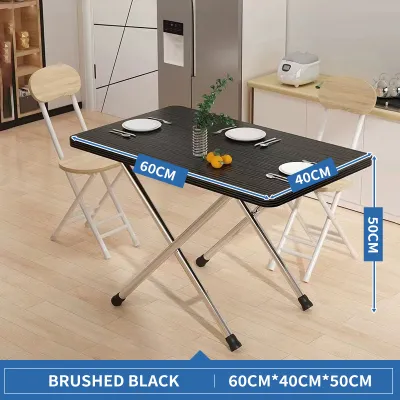
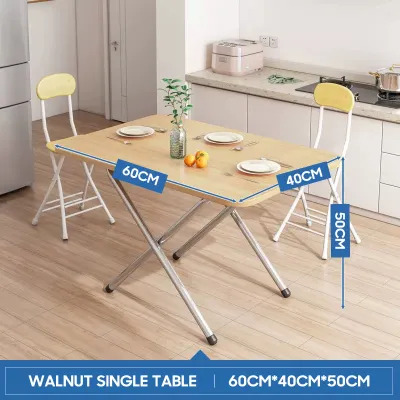
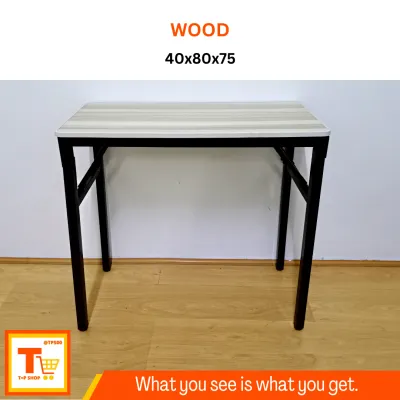
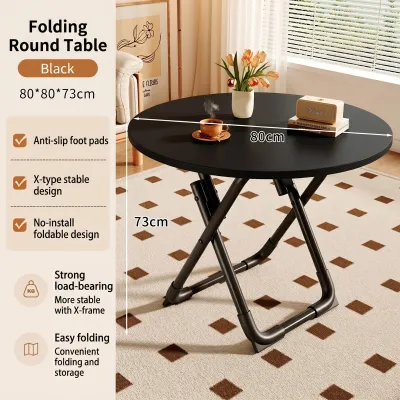
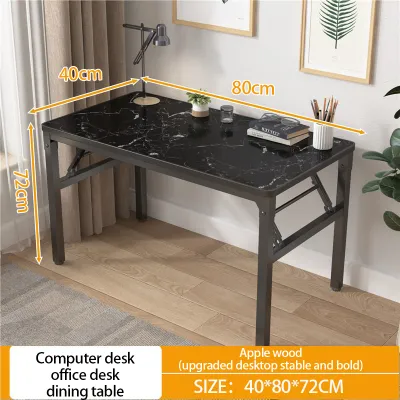
Prices are valid at publication and may change. Please refer to the product page for the latest price.
A table built for 6 to 10 guests must support substantial weight, from heavy serving platters of local favorites to the physical leaning of diners. Structural stability becomes critical when the table is fully extended. Look for designs featuring wider pedestal bases, reinforced trestles, or dedicated center support legs that drop down when the table expands. Locking hinges or under-table latches are also vital to prevent the extended leaves from sagging, sliding, or tipping under uneven loads.
The Philippine climate presents unique challenges for wooden and mechanical furniture. High humidity levels during the rainy season followed by dry, hot summers can cause solid wood to expand and contract, potentially binding the extension tracks. Instead of assuming a material is durable based on its name alone, check the manufacturer’s specifications for moisture-resistant sealants, anti-rust coatings on metal hardware, and warp-resistant engineered wood cores.
Best Extendable and Folding Table Styles for 6 to 10 Guests
To find the perfect match for your home, you must understand the structural categories available in the market. Different designs offer distinct trade-offs regarding seating capacity, space efficiency, and setup effort. While some styles prioritize an ultra-compact daily footprint, others focus on providing a seamless, elegant surface that mimics a permanent, high-end dining table. Let us examine the three primary styles suitable for hosting large groups in the Philippines.

Drop-Leaf and Gateleg Dining Tables
Drop-leaf and gateleg tables utilize a classic mechanical design where hinged panels hang vertically on the sides when not in use. To expand the table, you lift these leaves and swing out a supporting leg (the “gateleg”) or slide out a wooden bracket to lock them into a horizontal position. This design allows the table to transition rapidly from a narrow console or a two-seater breakfast nook into a spacious surface capable of seating 6 to 8 people.
The primary advantage of a drop-leaf folding dining table is its exceptional space-saving capability. When collapsed, some models are thin enough to be pushed against a wall, serving as a side table or entryway console. This makes them incredibly popular for studio apartments and small townhouses where a permanent dining room does not exist. They are also relatively lightweight and straightforward to operate without complex internal gears.
However, the gateleg design has a notable drawback: leg placement. Because the supporting legs must swing outward to hold up the leaves, they often occupy the exact space where guests would naturally place their feet or chair legs. This can restrict seating arrangements and limit the width of the chairs you can use. Before purchasing, carefully verify the manufacturer’s clearance diagrams to ensure your dining chairs can slide fully under the table when extended.
Butterfly and Self-Storing Extension Tables
Butterfly extension tables feature a sophisticated design where the extension leaves are stored directly inside a hidden compartment beneath the main tabletop. To expand the table, you slide the two halves of the tabletop outward, pull up the folded leaf from its central cradle, and unfold it like butterfly wings. The two outer halves are then pushed back together, locking the butterfly leaf firmly in place to comfortably seat 8 to 10 guests.
The standout benefit of this style is convenience. Because the extension leaves are self-storing, you do not have to find space in a closet or under a bed to store loose wooden panels, protecting them from accidental scratches or warping. Additionally, butterfly tables maintain a highly cohesive aesthetic, as the grain and finish of the central leaf are designed to match the rest of the tabletop perfectly, offering an elegant look for formal dining rooms.
On the downside, butterfly tables tend to be significantly heavier and more expensive than simple drop-leaf designs due to their complex internal hardware. The metal tracks, hinges, and alignment pins require precise manufacturing. If the tracks become misaligned or clogged with dust, the mechanism can become difficult to open. Regular maintenance, such as clearing debris from the tracks, is necessary to keep the transition smooth and prevent damage to the wood.
Console-to-Dining and Folding Banquet Tables
For those who only host large groups occasionally, console-to-dining tables and premium folding banquet tables offer maximum flexibility. Console-to-dining tables look like slim hallway consoles but can expand dramatically by adding multiple separate leaves, extending several meters to seat 10 or more people. Alternatively, heavy-duty folding banquet tables feature collapsible steel legs and high-density polymer or finished wood tops, designed to be stored completely flat in a utility room when not in use.
These options provide the ultimate space-saving solution for multi-purpose rooms or homes with open-plan layouts. They allow you to reclaim your entire living space for daily activities and only set up a massive dining area during major holidays, birthdays, or family reunions. Premium folding banquet tables with high-quality wood-look finishes or durable laminate tops offer a sturdy, cost-effective alternative to traditional wooden furniture.
The main trade-off with console-to-dining tables is the storage and handling of the loose leaves. When the table is collapsed, you must find a safe, dry closet space to store three or four large wooden panels. If stored incorrectly in a humid environment, these loose leaves can warp, making them difficult to align and lock together during the next setup. Additionally, setting up these multi-leaf tables takes more time and physical effort compared to self-storing models.
Crucial Specs to Verify Before Purchasing Online
When shopping on e-commerce platforms or local furniture websites, you must look beyond aesthetic photos and verify technical specifications. First, check the manufacturer’s stated weight capacity and load distribution limits. An extendable table must be able to support not just the dinnerware, but also heavy serving bowls, hot pots, and the occasional weight of guests leaning on the edges. Ensure the weight limit applies to the extended leaves, as some cheaper models have weak joints that sag under heavy loads.
Do not assume that a table is heatproof, scratch-resistant, or waterproof based solely on the material name, such as “solid oak” or “tempered glass.” Always read the manufacturer’s care label and product specifications. In the humid Philippine climate, condensation from cold drinks or heat from freshly cooked rice cookers can easily damage unsealed wood finishes, leaving white rings or causing veneer to peel. Look for tables with durable polyurethane coatings, high-pressure laminates (HPL), or explicit instructions on using trivets and coasters.
One of the most common post-purchase issues with large furniture is delivery logistics. A table that seats 10 people is incredibly bulky, even when collapsed or flat-packed in boxes. Before finalizing your order, measure the exact dimensions of your doorways, hallway turns, stairwells, and elevator cabins. If you live in a high-rise condominium, verify with your building administration if the delivery box fits inside the service elevator, as carrying a heavy table up multiple flights of stairs can incur extra fees or risk damaging the piece.
Carefully review the assembly requirements before checking out. Complex extendable mechanisms, particularly butterfly leaves and multi-panel console tables, require precise alignment of tracks and hinges. Determine if the seller provides professional assembly services upon delivery, or if you must assemble it yourself. If DIY assembly is required, ensure you have the necessary tools and help, as improper home assembly can misalign the tracks, void the manufacturer’s warranty, or cause the mechanism to bind over time.
Maintenance and Care for Extendable Mechanisms
To ensure your extendable table operates smoothly for years, you must perform regular maintenance on its moving parts. Dust, pet hair, and food crumbs can easily accumulate in the wooden tracks, metal slides, and hinges beneath the tabletop. Use a soft-bristled brush or a vacuum cleaner with a crevice attachment to clean out these channels at least once a month. Keeping these pathways clear prevents friction that can wear down the sliding mechanisms.
Moisture is the primary enemy of moving furniture parts in the Philippines. High humidity can cause wooden tracks to swell and bind, while spills that seep into the seams of the table can rust metal hinges or cause engineered wood cores to delaminate. Always wipe up liquid spills immediately with a dry microfiber cloth. Avoid letting damp plates or wet glasses sit directly over the joints where the table splits, as moisture can easily penetrate these unsealed edges.
When the sliding mechanism begins to feel stiff, do not rush to apply generic household oils, WD-40, or furniture waxes, as these can attract more dust and create a sticky residue that jams the tracks. Instead, consult the manufacturer’s specific care instructions. Many brands recommend dry silicone sprays or specialized paraffin wax for wooden slides. Always follow the official guidelines to maintain smooth operation and protect your warranty.
Frequently Asked Questions (FAQ)
How much clearance is needed around an extended dining table?
To ensure a comfortable dining experience, you should maintain a minimum clearance of 36 inches (approximately 90 centimeters) between the edge of the extended table and the nearest wall or piece of furniture. This spatial buffer allows guests to pull their chairs out easily to sit down or stand up. If your dining area serves as a primary pathway through the home, increasing this clearance to 48 inches (about 120 centimeters) is highly recommended to let other family members walk behind seated diners without disruption.
Are folding and extendable tables stable enough for heavy meals?
Yes, high-quality extendable and folding tables are exceptionally stable, provided they feature robust structural engineering. When evaluating a table’s stability, look for designs with wide pedestal bases, heavy trestles, or integrated locking mechanisms that clamp the leaves together. Avoid models that rely solely on thin, unreinforced folding metal brackets without a central support leg. Testing the table for side-to-side wobble when fully extended before placing heavy serving dishes on it is always a wise precaution.

Community discussion
Share your experience or ask a question. Comments are reviewed before publication.