
Quick Answer: Which Collapsible Cabinet Material Is Right for You?
Choosing the right collapsible cabinet for clothes depends entirely on your living situation, budget, and storage needs. There is no single material that excels in every category. Instead, your choice should balance structural stability, weight capacity, and resistance to environmental factors.
For heavy loads and long-term durability, metal frame cabinets are the most reliable option. If your primary concern is high humidity, ease of cleaning, and water resistance, modular plastic resin cabinets perform exceptionally well. For those prioritizing lightweight portability, temporary setups, or a low upfront cost, fabric-covered wardrobes offer the most practical entry point.
In the tropical climate of the Philippines, high humidity and seasonal moisture are critical factors for clothing storage. Selecting a cabinet material that manages airflow and resists mold growth is essential to protecting your garments from musty odors and mildew.
Products mentioned in this guide
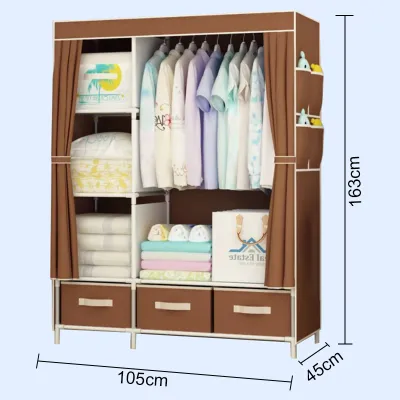
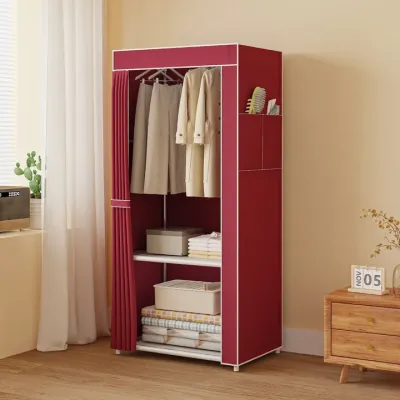
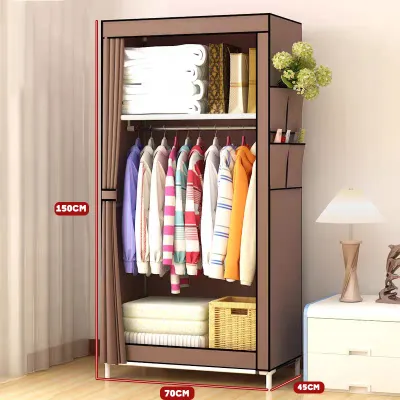
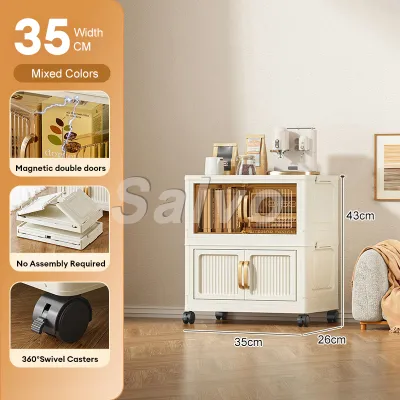
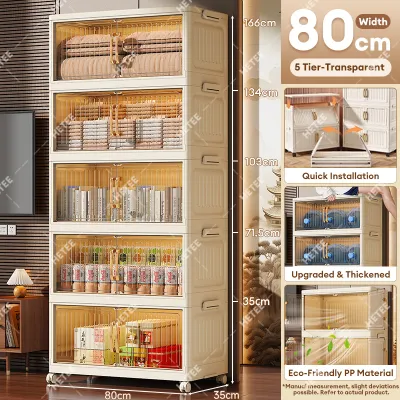
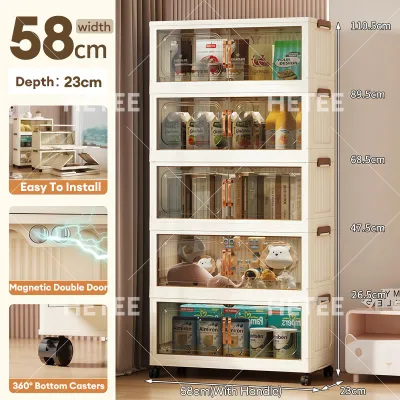
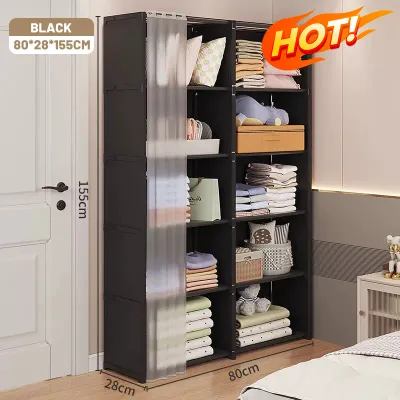
Prices are valid at publication and may change. Please refer to the product page for the latest price.
Fabric, Plastic, and Metal Frame Cabinets Explained
Understanding the structural differences between the three primary types of collapsible cabinets helps clarify how they perform under daily use. Each type uses a distinct design philosophy to achieve its collapsible or portable nature.

Fabric Cover Cabinets (with Metal or Plastic Poles)
Fabric cover wardrobes feature a skeleton frame constructed from thin metal or plastic hollow tubes. These tubes slide into multi-way plastic corner connectors to form the rectangular shelving and hanging structure. A zippered fabric shell is then pulled over the completed frame to enclose the storage space.
Although referred to as fabric cabinets, the outer cover is typically made of non-woven polypropylene, polyester, or heavy canvas. The cover protects clothes from dust and light, but the diameter and wall thickness of the internal poles dictate the overall weight capacity and stability of the unit.
Modular Plastic Resin Cabinets
Modular plastic cabinets consist of individual square or rectangular panels made of flexible but tough plastic sheets, such as polypropylene (PP) or acrylonitrile butadiene styrene (ABS). These panels are reinforced with steel wire frames along their edges. They lock together using multi-slot circular plastic connectors, allowing you to build customized configurations.
This modular design creates a rigid, box-like structure with individual cubbies and doors. Unlike fabric options, there is no single outer cover; the plastic panels themselves serve as both the structural shelves and the protective outer walls.
Heavy-Duty Metal Frame Cabinets
Heavy-duty metal frame cabinets are freestanding storage units constructed from thick steel or iron poles. They often feature wire grid shelving or solid metal panels. Many models include a heavy-duty fabric or plastic cover that can be zipped shut, combining the strength of metal shelving with the dust protection of an enclosed wardrobe.
These units prioritize structural integrity over light weight. They utilize threaded screw connections, heavy-duty locking joints, or folding hinge mechanisms that allow the entire metal frame to collapse flat without completely breaking down into small, individual pieces.
Comparing Durability, Weight Capacity, and Moisture Resistance
To determine which cabinet type fits your home, you must evaluate how each material handles physical weight, environmental moisture, and long-term wear.
Weight Capacity and Structural Stability
Metal frames offer the highest weight capacity and structural stability. They easily support heavy denim, thick bedding, stacked storage boxes, and winter coats without bowing or swaying. The rigid connections and thicker gauge steel prevent the frame from leaning over time.
Plastic modular cabinets provide moderate weight capacity. While individual PP panels can support light to medium items, overloading them causes the plastic to sag and puts outward pressure on the circular connectors. If the joints are stressed too much, the connectors can crack, causing the entire modular system to misalign or collapse.
Fabric cabinets generally have the lowest weight capacity. They rely on thin hollow tubes and friction-fit plastic joints. Placing heavy folded laundry or thick jackets on fabric shelves causes the material to sag, pulling the vertical poles inward. Always check the manufacturer’s specified weight limit per shelf, which is often limited to a few kilograms.
Moisture Resistance and Mold Prevention
Managing moisture is a constant challenge in humid tropical environments. Plastic resin is completely waterproof and non-porous. It does not absorb moisture from the air, and any surface mold can be easily wiped away with a damp cloth. However, fully enclosed plastic cabinets can trap humid air inside; if you store clothes that are slightly damp from line drying, mildew can quickly develop on the garments.
Metal frames resist moisture well, provided their protective powder coating or chrome plating remains intact. If the coating is scratched or chipped, exposure to humid air can lead to localized rust, which can stain clothing. Metal wire shelves provide excellent natural ventilation, reducing the risk of stagnant, humid air pockets.
Fabric covers present the highest risk of mold in humid rooms. Non-woven polypropylene and canvas covers can absorb ambient moisture from the air. If placed in a poorly ventilated corner, the fabric cover itself can become a breeding ground for mold spores, which then transfer to your clothes. Canvas and polyester covers offer slightly better resistance than cheap non-woven materials, but they still require active room ventilation.
Long-Term Durability and Wear
Fabric covers have the shortest lifespan. Over time, exposure to ambient humidity, physical tension, and ultraviolet (UV) light from nearby windows causes non-woven fabric to become brittle and tear easily. The plastic corner joints can also degrade and crack under constant tension.
Plastic panels are highly durable against moisture but are vulnerable to heat and sunlight. Prolonged exposure to direct UV rays can cause white plastic panels to yellow and become brittle, making them prone to cracking during disassembly or reconfiguration.
Metal frames offer the longest operational lifespan. They do not degrade from UV exposure and are highly resistant to physical impacts. The primary wear points are the connection joints and the protective surface finish. With proper care and occasional joint tightening, a quality metal frame cabinet can last for many years.
Assembly, Portability, and Space Efficiency
How easily you can set up, move, and fit a cabinet into your living space is a major factor for renters, students, and those with limited floor plans.
Fabric wardrobes are highly compact when disassembled, often fitting into a single lightweight box. This makes them exceptionally easy to transport during moves. However, the assembly process can be tedious, requiring you to puzzle together dozens of identical poles and plastic joints. If you lose a single connector during a move, the entire wardrobe may become unusable.
Plastic modular cabinets fold completely flat into individual panels, making them moderately portable. They are heavier than fabric kits but much lighter than solid wood or metal wardrobes. Assembly requires snapping the panels into the circular connectors, which can be physically demanding on your hands. Many manufacturers include a small wooden mallet to help secure the joints without damaging the plastic.
Metal frame cabinets are the heaviest and bulkiest of the three. Some models feature folding accordion-style frames that require almost no assembly, opening up and locking into place within minutes. Other models use screw-together steel pipes that require basic tools. While they are the hardest to transport up tight stairwells or through narrow doorways, their structural rigidity means they do not wobble once assembled.
Before purchasing any large modular or metal unit, measure your available floor space and check the clearance of your doorways and hallways to ensure you can easily maneuver the components into your room.
Price Tiers and Long-Term Value
Understanding the cost hierarchy helps you budget effectively while considering the long-term value of your purchase.
- Fabric Cover Cabinets (₱300 to ₱1,200): These are the most budget-friendly options on the market. They are highly accessible but often require replacement every one to two years due to fabric tearing or joint wear.
- Modular Plastic Cabinets (₱1,000 to ₱3,000): Sitting in the mid-range tier, the price varies based on the number of storage cubes and doors. They offer good long-term value because individual damaged panels can often be replaced without discarding the entire unit.
- Heavy-Duty Metal Racks (₱2,500 to ₱6,000+): These represent a premium upfront investment. However, their durability means a lower cost-per-year over a decade of use. Keep in mind that shipping fees on ecommerce platforms may be significantly higher for metal frames due to their physical weight.
Avoid ultra-cheap, unbranded options in any category. Extremely low-priced fabric cabinets often use paper-thin metal poles that bend under minimal weight, while cheap plastic units may use brittle recycled plastics that crack during initial assembly.
Decision Framework: Choose the Right Cabinet for Your Space
To finalize your decision, match your specific household conditions and storage habits to the strengths of each material.
Choose Fabric Cabinets if:
- You are renting a temporary space or move frequently, requiring a lightweight wardrobe that fits into a suitcase-sized box.
- You are on a strict budget and only need to store lightweight clothing like t-shirts, shorts, and undergarments.
- Your room has excellent natural ventilation and low risk of moisture buildup.
Choose Plastic Cabinets if:
- You need a highly customizable storage layout to fit specific room dimensions or awkward corners.
- You live in a high-humidity area or are furnishing a room prone to dampness, requiring easy-to-clean, waterproof surfaces.
- You want an enclosed, organized look with individual doors to hide visual clutter.
Choose Metal Frame Cabinets if:
- You need to store heavy items, such as thick denim, heavy jackets, bedding, or storage boxes.
- You want a semi-permanent wardrobe that will remain stable and wobble-free for several years.
- You prefer open-concept storage that maximizes airflow to keep clothes smelling fresh.
Before buying, verify your room’s ventilation capacity. If your room lacks consistent airflow, a fabric cabinet may require additional moisture-control products. For large metal units, check your floor’s weight limits if you plan to store exceptionally heavy items.
Essential Maintenance Tips for Humid Climates
Proper maintenance extends the lifespan of your collapsible cabinet and protects your clothing from environmental damage.
For Fabric Cabinets
- Promote Airflow: Position the cabinet at least two inches away from walls to allow air to circulate around the fabric cover.
- Use Dehumidifiers: Place disposable moisture-absorbing boxes (containing calcium chloride) or reusable silica gel packs inside the cabinet corners.
- Check the Care Label: If the fabric cover develops mold, check the manufacturer's care instructions. Many non-woven covers cannot survive a washing machine cycle and must be hand-wiped with a dry cloth or replaced entirely.
For Plastic Cabinets
- Wipe Regularly: Clean the panels once a month with a mild soap solution and dry them completely to prevent dust and surface mildew.
- Avoid Heat: Keep the unit away from direct sunlight and heat sources to prevent the plastic from warping or yellowing.
- Store Dry Clothes Only: Ensure all garments are 100% dry before placing them inside enclosed plastic cubbies to prevent trapping moisture.
For Metal Cabinets
- Inspect the Finish: Periodically check the frame for scratches or chips in the paint. Touch up exposed metal with clear nail polish or rust-preventative paint to stop oxidation.
- Tighten Connections: Check and tighten screws, bolts, or plastic locking joints every six months to maintain structural stability.
- Balance the Load: Place heavier items on the bottom shelves to keep the center of gravity low, reducing the risk of tipping.
Frequently Asked Questions (FAQ)
Can I wash the fabric cover of my collapsible wardrobe?
Whether you can wash the cover depends entirely on the fabric type. Canvas, polyester, and oxford fabrics can generally be hand-washed in cold water or machine-washed on a gentle cycle, then line-dried. However, non-woven polypropylene covers will disintegrate, tear, or lose their shape if submerged in water or put through a washing machine. Always consult the manufacturer’s care label before cleaning, and spot-clean with a dry or slightly damp cloth if the material is non-woven.
How can I reinforce a plastic or fabric cabinet shelf that is sagging?
To temporarily reinforce a sagging shelf, you can place a custom-cut piece of rigid corrugated plastic, thick cardboard, or a lightweight acrylic sheet directly onto the shelf surface to distribute weight more evenly. However, keep in mind that reinforcing the shelf surface does not increase the load capacity of the underlying frame. If the vertical support poles or plastic corner joints are overloaded, reinforcing the shelf will not prevent the frame from bending or collapsing. Always adhere to the manufacturer’s weight limits.

Community discussion
Share your experience or ask a question. Comments are reviewed before publication.