
Living in a modern high-rise condominium in the Philippines offers unparalleled convenience, security, and access to urban centers. However, this lifestyle often comes with a trade-off: limited square footage. In compact studio and one-bedroom units across Metro Manila, Cebu, and Davao, every piece of furniture must justify its presence. The dining area, in particular, is a multi-functional hub where residents eat, work from home, prepare meals, and occasionally entertain guests. Finding a suitable 2-seater dining set for a small condo requires a careful balance of spatial efficiency, structural durability, and aesthetic appeal.
A standard dining set can easily overwhelm a small room, disrupting the flow of foot traffic and making the entire unit feel cramped. To avoid this, you must look beyond basic aesthetics and focus on smart design solutions. The ideal 2-seater set is one that minimizes its physical and visual footprint while maximizing utility. By understanding your specific layout, measuring your space accurately, and selecting the right configuration, you can create a comfortable, stylish dining zone that enhances your daily living experience without compromising on valuable floor space.
How to Measure Your Condo Space for a Dining Set
Before browsing online marketplaces or visiting local furniture showrooms, you must accurately assess your available floor area. Measuring for a compact dining set involves more than just checking if the table fits into a corner; you must account for the active footprint of the furniture when it is in use.
Products mentioned in this guide
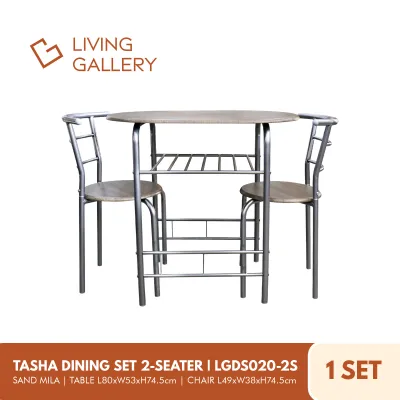
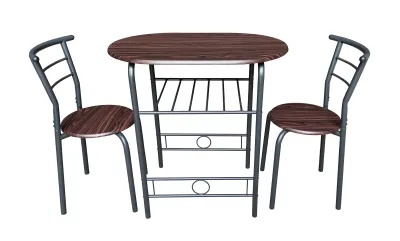
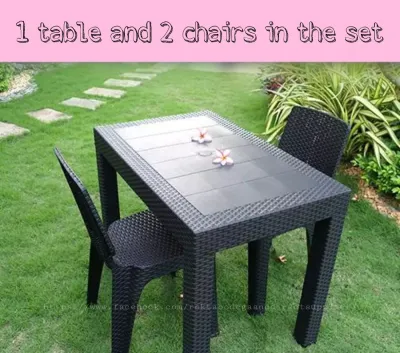
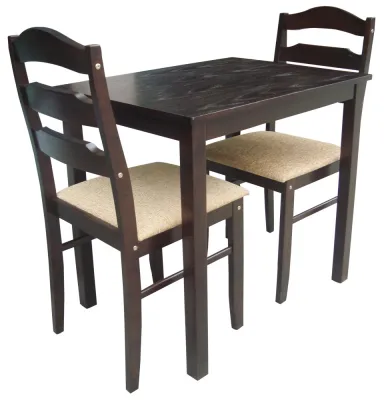
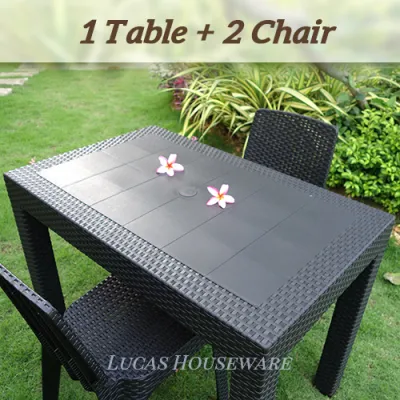
Prices are valid at publication and may change. Please refer to the product page for the latest price.
Start by defining the exact zone where you want to place the dining set. Use a metal tape measure to record the length and width of this area. Be sure to account for architectural obstacles that might not be obvious at first glance. In many Philippine condominiums, structural columns, protruding baseboards, electrical outlets, light switches, and low-hanging light fixtures can restrict where you can place your furniture. For instance, a table pushed flush against a wall might block a vital wall outlet or prevent a cabinet door from opening fully.
Next, calculate the clearance required for the chairs. A standard dining chair requires about 60 to 90 centimeters of space behind it to allow a person to pull the chair out, sit down, and stand up comfortably. If the dining area is located near a major walkway—such as the path between the kitchen and the living room—you must ensure that there is still enough space for someone to walk past while another person is seated. Squeezing through tight gaps quickly becomes frustrating in daily life.
Finally, do not forget to measure the delivery path. Many condo dwellers purchase beautiful furniture only to find that the boxes cannot fit inside the building’s service elevator or make the tight turn in the hallway corridor. Measure the height and width of your unit’s front door, the elevator door, and any narrow stairwells or corridors. Verifying these dimensions beforehand will save you from the headache of failed deliveries and costly return fees.
Key Features to Look for in Compact 2-Seater Sets
When shopping for a 2-seater dining set, certain design features can make a massive difference in how well the furniture fits and functions in a small space. By focusing on these structural elements, you can find a set that offers maximum comfort with a minimal footprint.

First, evaluate the table’s base design. Traditional four-legged tables can limit legroom and prevent chairs from being pushed fully under the tabletop, especially if the table is narrow. A pedestal base, which features a single central support column, is highly efficient for small spaces. It eliminates corner legs, allowing you to slide chairs completely underneath the table when they are not in use, which frees up valuable floor space. Alternatively, look for tables with trestle bases or legs that are set at the very outer corners to maximize the clearance underneath.
Second, assess the profile of the chairs. Armless chairs are generally preferred for small condos because they have a narrower physical profile and can be tucked flush against the table edge. Chairs with low backs or open, slatted designs also help maintain a sense of spaciousness by allowing light and sightlines to pass through, reducing visual clutter. If you have an extremely tight layout, consider stackable chairs or low-profile stools that can be nested under the table or stored in a closet when you need open floor space.
Third, look for multi-functional features that add utility without taking up extra room. Some compact dining tables come with built-in storage shelves or drawers underneath the tabletop, providing a convenient place to store placemats, coasters, cutlery, or even work-from-home accessories. Other designs feature dual-purpose surfaces, such as a tabletop that can be tilted or adjusted in height to transition from a dining table to a standing desk or a kitchen prep island.
Recommended 2-Seater Dining Set Configurations for Small Spaces
Different condo layouts demand different furniture configurations. Depending on your wall availability, floor area, and how often you host guests, certain space-saving designs will serve your home better than others. Let’s look at the most effective configurations for compact living.
Drop-Leaf and Gateleg Tables
Drop-leaf and gateleg tables are classic space-saving solutions that offer incredible flexibility. These tables feature hinged panels on one or both sides that can be raised and supported by a folding bracket or a swinging leg when you need a full dining surface. When the meal is over, you simply fold the leaves down, instantly reducing the table’s footprint.
This configuration is ideal for layouts where the table is placed against a wall. With one leaf folded down, the table can serve as a slim console or a laptop desk for daily use. When you have a guest over, you can pull the table away from the wall and raise both leaves to accommodate two or three diners comfortably.
When shopping for a drop-leaf table, always perform a stability check on the folding mechanisms. Look for heavy-duty metal hinges and sturdy support brackets that lock securely into place. Avoid models with flimsy plastic components or loose joints, as they can cause the tabletop to sag or wobble over time, especially under the weight of heavy dishes.
Wall-Mounted and Fold-Down Tables
For ultra-compact studio apartments or narrow single-wall kitchenettes where floor space is at an absolute premium, wall-mounted and fold-down tables are the ultimate solution. These tables are anchored directly to the wall and feature a hinged top that folds completely flat against the wall when not in use, taking up virtually zero floor space.
Because these tables rely entirely on the wall for support, proper installation is critical. You must secure the mounting brackets into solid wall studs or use heavy-duty wall anchors if mounting onto concrete or masonry walls. Never attempt to mount a folding table directly into hollow drywall without proper support, as the weight of the table and daily use can cause it to pull away from the wall, leading to damage or injury.
To maintain a completely clear floor area, pair a wall-mounted table with lightweight folding chairs or stackable stools. These can be hung on decorative wall hooks when folded or tucked away in a utility closet, allowing you to reclaim your entire floor space during the day.
Nesting and Extendable Sets
Nesting and extendable dining sets are perfect for condo owners who want a compact setup for daily meals but still want the option to host occasional guests. Nesting sets typically feature stools or armless chairs that are designed to slide completely underneath the table frame, creating a single, compact block when stored. This eliminates the physical and visual clutter of chairs sticking out into the room.
Extendable tables, on the other hand, use built-in mechanisms to expand the tabletop surface on demand. Some models feature a butterfly leaf that folds out from a hidden compartment beneath the center of the table, while others use slide-out extensions on the ends.
When choosing an extendable set, consider where the extra leaves are stored. Self-storing models are highly recommended for condos, as they eliminate the need to find closet space for loose table leaves. Additionally, test the smoothness of the extension glides and verify that the locking mechanisms hold the extended surface firmly in place to ensure a level, stable dining experience.
Material and Durability Checks for Daily Use
In the Philippines, the tropical climate presents unique challenges for furniture durability. High humidity levels, warm temperatures, and seasonal moisture fluctuations can cause certain materials to warp, swell, or degrade over time. Therefore, you must carefully evaluate the materials and construction of a dining set before making a purchase.
Rather than relying solely on generic material names like wood or metal, inspect the specific surface treatments and finishes. For wooden tables, look for high-quality engineered wood finished with water-resistant melamine laminates or protective polyurethane topcoats. These finishes help seal the wood against moisture, preventing water rings from cold glasses and protecting the surface from hot serving dishes. If you prefer solid wood, ensure it has been properly kiln-dried and sealed to prevent warping in humid conditions.
For metal components, look for powder-coated steel or rust-resistant aluminum frames. Powder coating provides a durable, scratch-resistant barrier that protects the metal from moisture and rust, which is especially important in coastal areas or non-air-conditioned spaces.
Examine the joint construction of both the table and the chairs. High-quality furniture utilizes sturdy joinery, such as mortise-and-tenon joints, dowels, or heavy-duty metal corner brackets secured with bolts. Avoid sets that rely heavily on simple staples, nails, or cheap glue, as these joints can quickly loosen under the stress of daily use and movement. Finally, review the manufacturer’s care instructions to ensure the surfaces can be easily cleaned with a damp cloth and mild soap, keeping your dining set looking fresh for years to come.
Where to Shop and What to Verify Before Buying
Finding the perfect 2-seater dining set involves deciding where to shop and understanding how to navigate the purchasing process for a high-rise condo. You can choose between online marketplaces, which offer a vast selection and convenient delivery, and local furniture showrooms, where you can physically test the furniture.
If you choose to shop online, always verify the exact dimensions from the product’s official specification sheet. Do not rely solely on promotional photos, which are often styled in large, open rooms that can make the furniture appear smaller than it actually is. Read customer reviews to check for feedback on the accuracy of the dimensions, the ease of assembly, and the overall build quality.
Before finalizing your purchase, carefully review the retailer’s return policies and assembly requirements. Many compact dining sets are shipped flat-packed and require self-assembly. If you are not comfortable using basic tools, check if the retailer offers professional assembly services, either included in the delivery fee or as an optional add-on.
Additionally, be aware of potential delivery challenges in high-rise condo buildings. Many condo administrations have strict guidelines regarding delivery hours, elevator reservations, and gate passes. You may need to secure a delivery permit from your building’s administration office ahead of time. Confirm the packaged dimensions of the furniture with the seller to ensure the boxes will fit inside your building’s service elevator and through your unit’s doorway, preventing any unexpected delivery issues on arrival day. If there are delivery surcharges—such as fees for carrying items up stairs if the elevator is out of service—it is best to know these costs, which can range from a few hundred ₱, before checking out.
Frequently Asked Questions (FAQ)
How much clearance is needed around a 2-seater dining table?
For comfortable dining and movement, aim for a minimum clearance of 90 centimeters between the edge of the table and the nearest wall or piece of furniture. This distance allows a person to pull out their chair and sit down comfortably without feeling cramped.
In extremely tight condo layouts, you can reduce this clearance to a minimum threshold of 60 to 70 centimeters, provided the area behind the chairs is not a primary walkway. Using armless chairs or low stools that slide completely under the table can also help maximize the available space when the set is not in use.
Can a 2-seater dining set fit in a studio condo?
Yes, a 2-seater dining set can easily fit into a studio condo with the right layout strategy. To make the most of a single-room layout, use visual zoning techniques, such as placing a small area rug under the dining set or positioning the table to act as a physical divider between the kitchen and sleeping areas.
Opting for highly compact configurations, such as wall-mounted fold-down tables, bar-height bistro sets, or drop-leaf tables placed against a wall, allows you to enjoy a dedicated dining space without sacrificing valuable floor space in your studio.

Community discussion
Share your experience or ask a question. Comments are reviewed before publication.