
Selecting the right kitchen storage in the Philippines requires materials that can withstand high humidity, tropical heat, and persistent pests like termites. Aluminum kitchen cabinets and mobile carts offer a highly durable, rust-resistant, and low-maintenance alternative to traditional wood or particleboard. By focusing on structural thickness, quality hardware, and precise spatial planning, you can find a storage solution that keeps your kitchen organized and functional for years to come.
In many Filipino households, the kitchen is a high-traffic zone subject to daily cooking heat, steam, and moisture from dishwashing. Traditional wooden cabinets often struggle in these conditions, leading to sagging shelves, sticky drawers, and mold growth. Aluminum addresses these challenges directly, providing a clean, modern aesthetic that remains stable even in non-air-conditioned spaces. Whether you are remodeling a small condo kitchen or setting up an outdoor dirty kitchen, understanding how to evaluate aluminum furniture will help you make a smart, long-term investment.
Why Aluminum is a Practical Choice for Kitchen Storage
In tropical climates, wood and particleboard cabinets frequently suffer from swelling, warping, and mold growth due to seasonal humidity. Termites, locally known as anay, also pose a constant threat to wooden structures, often requiring expensive pest control treatments. Aluminum is naturally immune to insect damage and does not absorb moisture, making it an exceptionally stable choice for wet kitchen environments.
Products mentioned in this guide
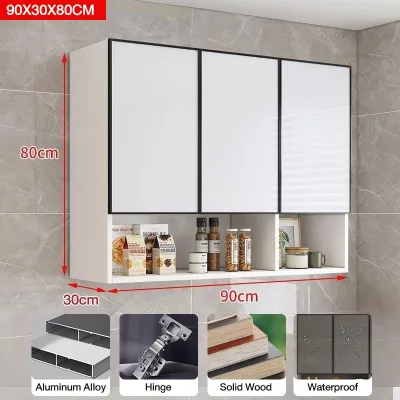
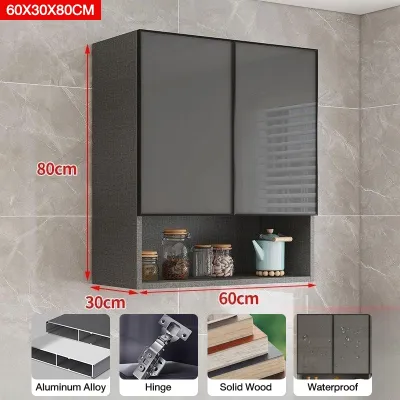
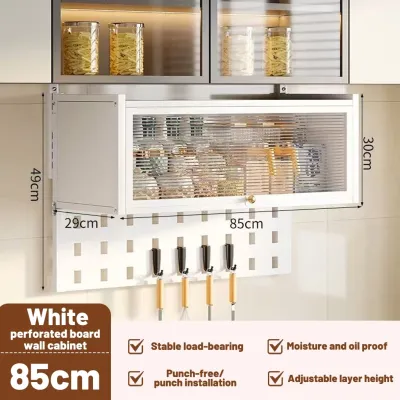
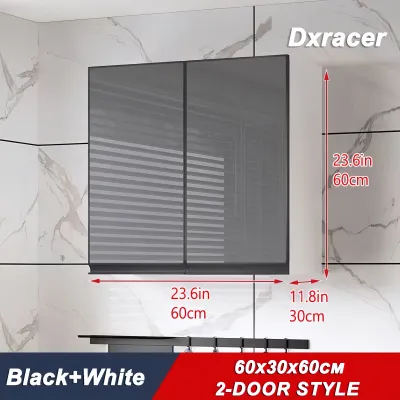
Prices are valid at publication and may change. Please refer to the product page for the latest price.
While stainless steel is another popular metal option, it tends to be significantly heavier and more expensive. Aluminum provides a lighter alternative that is easier to install or move, without sacrificing structural stability when properly engineered. Additionally, aluminum surfaces do not require specialized metal polishes and can be cleaned easily with basic household solutions.
The long-term durability and appearance of aluminum kitchen furniture depend heavily on its surface treatment. Anodized aluminum features a protective oxide layer that resists corrosion, while powder-coated finishes offer a wide range of colors and textures, including wood-grain patterns. These coatings protect the underlying metal from scratches and prevent the chalky residue that can form on untreated aluminum over time.
Another benefit of aluminum construction is its contribution to healthier indoor air quality. Unlike particleboard or medium-density fiberboard (MDF), which often use adhesives containing formaldehyde, solid aluminum cabinets are manufactured without these chemical binders. This eliminates the risk of off-gassing, ensuring a safer environment for food storage and meal preparation.
Furthermore, aluminum is a highly sustainable material that can be recycled repeatedly without losing its structural properties. Choosing aluminum furniture reduces the demand for timber resources and minimizes waste, aligning with eco-friendly home improvement practices. Its resistance to rust also means you will not need to replace your cabinets every few years, reducing long-term consumption.
What to Look for in Aluminum Kitchen Cabinets
When shopping for fixed aluminum cabinets, the thickness of the metal panels is a primary indicator of overall durability. Thin, single-wall aluminum sheets can feel flimsy and may flex under pressure. Look for double-walled panels or cabinets reinforced with internal ribs, which provide the rigidity needed to support heavy pots, pans, and small kitchen appliances.

The shelf support system is equally critical for preventing sagging over time. Verify how the shelves are secured to the cabinet frame; heavy-duty brackets or interlocking channels are preferred over simple friction clips. If you plan to store heavy items like cast-iron cookware or sacks of rice, check the manufacturer’s recommended weight limits for each shelf level.
Hardware quality directly affects how smoothly your cabinets operate on a daily basis. Inspect the hinges and drawer slides, prioritizing soft-close mechanisms that prevent doors from slamming and damaging the aluminum frame. High-quality drawer slides should glide smoothly even when fully loaded, utilizing ball-bearing designs that resist wear from repetitive use.
Internal layout flexibility allows you to customize the cabinet to your specific storage needs. Look for models with adjustable shelving tracks, which let you change the height of individual compartments as your cookware collection evolves. Specialized pull-out organizers, such as wire baskets or spice racks, can also maximize the usability of deep corner cabinets.
Finally, examine the surface finish of the cabinet doors and exterior panels. A high-quality powder coat or anodized finish should feel smooth and resist fingerprints, which helps maintain a clean appearance between washings. Matte or textured finishes are particularly effective at hiding minor surface scratches and smudges that naturally occur in busy kitchens.
Additionally, pay close attention to the joinery and assembly methods used in the cabinet’s construction. High-quality aluminum cabinets often feature welded joints or heavy-duty mechanical fasteners rather than simple glue or light rivets. Welded corners provide greater structural integrity, ensuring the cabinet frame remains square and stable even under heavy loads.
How to Select the Right Mobile Kitchen Cart
A mobile kitchen cart adds valuable prep space and storage flexibility, but its utility depends heavily on its mobility features. Look for heavy-duty caster wheels made of polyurethane or rubber, which roll smoothly over tile grout lines without scratching the floor. At least two of the casters must feature robust locking mechanisms to keep the cart completely stationary during active kitchen tasks.
The choice of countertop material on your mobile cart should align with your intended usage. A solid aluminum top is highly durable and easy to sanitize, making it ideal for holding hot pots or small appliances. If you plan to use the cart primarily for food preparation, look for models with integrated wood blocks or stainless steel inserts, which provide a more resilient surface for chopping and kneading.
Storage configuration is another key consideration when choosing a mobile cart. A balanced mix of open shelving and enclosed drawers allows you to keep frequently used items accessible while hiding clutter from view. Side attachments, such as built-in towel racks, spice holders, or utility hooks, can significantly increase the cart’s functional footprint without taking up extra floor space.
Before making a purchase, measure the cart’s overall dimensions to ensure it fits comfortably within your kitchen layout. The height of the cart should align closely with your existing countertops to create a continuous working surface. Additionally, check that the width and depth of the cart allow for easy passage through kitchen aisles and doorways, leaving enough clearance for comfortable movement.
Consider also the weight distribution of the cart when fully loaded. A cart with a high center of gravity can become unstable when moved, especially over uneven floor transitions. To prevent tipping, look for carts designed with a wider base or those that place heavier storage compartments near the bottom, ensuring safe and stable transport of your kitchen essentials.
Space Planning and Pre-Purchase Measurements
Accurate spatial planning is essential to ensure your new aluminum furniture fits seamlessly into your home. Begin by measuring the designated floor and wall space, taking care to account for any baseboards, electrical outlets, or plumbing fixtures. You must also measure the clearance required for cabinet doors to swing fully open and for drawers to extend completely without hitting opposite walls or appliances.
Delivery access is a frequently overlooked bottleneck, especially for pre-assembled aluminum cabinets. Measure the width and height of all doorways, narrow hallways, stairwells, and elevator doors that the delivery team must navigate. If your building has tight corners or low ceilings, verify these dimensions against the cabinet’s shipping box measurements to avoid delivery failures.
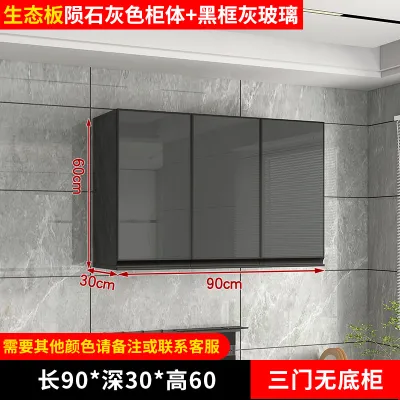
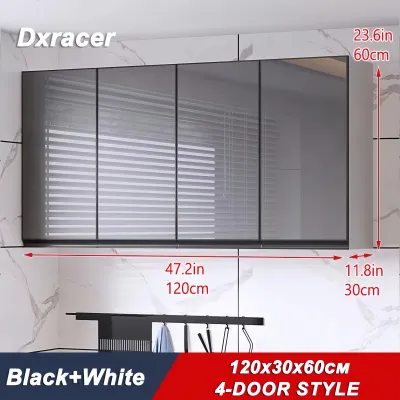
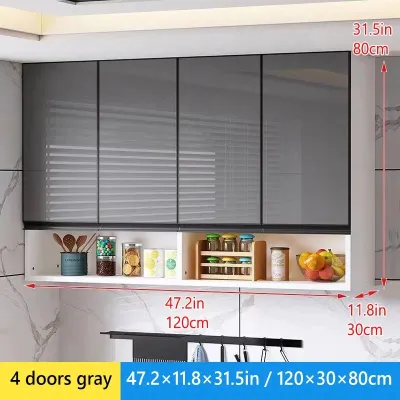
For wall-mounted or tall pantry cabinets, assessing the structural integrity of your walls is a critical safety step. Aluminum cabinets can be heavy when loaded, requiring secure anchoring into concrete walls or wall studs rather than simple drywall or thin plaster. Consult the manufacturer’s installation guidelines to identify the correct wall anchors, screws, and mounting brackets for your specific wall type.
Finally, evaluate the levelness of your kitchen floor, particularly if you are purchasing a mobile cart. Uneven tiles or high thresholds can cause a cart to wobble or make it difficult to roll safely. If your floor has noticeable slopes, look for cabinets with adjustable leveling feet, or ensure your mobile cart’s casters are robust enough to handle minor transitions without tipping.
It is also wise to map out your kitchen workflow, often referred to as the work triangle between the sink, stove, and refrigerator. Ensure that the placement of your new aluminum cabinets or the path of your mobile cart does not obstruct this flow. A well-placed cart should enhance your efficiency, acting as a bridge between prep and cooking zones rather than a physical barrier.
Maintenance and Cleaning Guidelines
Maintaining the pristine look of aluminum kitchen furniture requires gentle cleaning practices. Use a soft microfiber cloth or sponge dampened with warm water and a mild dish soap to wipe down surfaces. Avoid abrasive scrubbing pads, steel wool, and harsh chemicals like bleach or highly acidic cleaners, as these can scratch or degrade the protective powder coating or anodized finish.
To remove stubborn grease splatters or dried food residue, let a warm, damp cloth sit on the spot for a few minutes to soften the grime before wiping. Always wipe in the direction of the metal grain or finish pattern to prevent streaking. After cleaning, dry the surfaces thoroughly with a clean towel to prevent water spots from forming, especially in areas with hard water.
Regular mechanical maintenance ensures that your cabinets and carts continue to operate smoothly. Inspect the hinges, drawer slides, and caster wheels every few months to check for loose screws or accumulated dust and hair. Applying a small amount of silicone-based lubricant to the moving joints can prevent squeaking and ensure effortless movement.
While basic cleaning and minor screw tightening are easy to handle yourself, certain issues require professional attention. If you notice structural bending, cracked welds, or damaged locking mechanisms on caster wheels, stop using the affected component immediately. In these cases, consult the manufacturer or a qualified technician to perform repairs, as attempting to weld or straighten structural aluminum without proper tools can compromise its safety.
Additionally, pay attention to the seals and gaskets around glass door inserts if your aluminum cabinets feature them. Over time, exposure to steam and grease can degrade these seals, leading to loose glass or moisture buildup inside the cabinet. Gently wipe these seals with a damp cloth during your regular cleaning routine and check for any signs of peeling or cracking.
Frequently Asked Questions (FAQ)
Do aluminum cabinets dent easily under heavy cookware?
Modern aluminum cabinets are designed with structural integrity in mind and do not dent easily under normal kitchen use. High-quality models utilize thicker aluminum panels and incorporate internal reinforcements, such as honeycomb cores or ribbed backing, to distribute weight evenly and resist impacts. To prevent any structural damage, always check the manufacturer’s specified load limits per shelf and place the heaviest cookware on the bottom levels.
Can I use a mobile cart as a primary food prep station?
Yes, a mobile cart can serve as an effective food preparation station, provided it meets specific safety and stability criteria. Ensure the countertop surface is made of food-grade materials, such as stainless steel or solid wood, and features seamless edges that do not trap food particles. Before you begin active chopping, slicing, or kneading, always engage all wheel locks and verify that the cart’s weight capacity can handle the downward force of your food prep activities.
How do I prevent aluminum surfaces from oxidizing or discoloring?
To prevent oxidation and discoloration, choose aluminum furniture that features a high-quality anodized or powder-coated finish, which acts as a barrier against air and moisture. In daily use, promptly wipe up acidic spills like vinegar, citrus juice, or tomato sauce, as prolonged contact can etch the protective coating. Avoid using harsh chemical cleaners or leaving wet items sitting on the aluminum surfaces for extended periods.

Community discussion
Share your experience or ask a question. Comments are reviewed before publication.